
REVIEW · CAMEL SAFARIS AND DESERT CAMPS
4×4 Jeep Desert Safari (NO Camel)
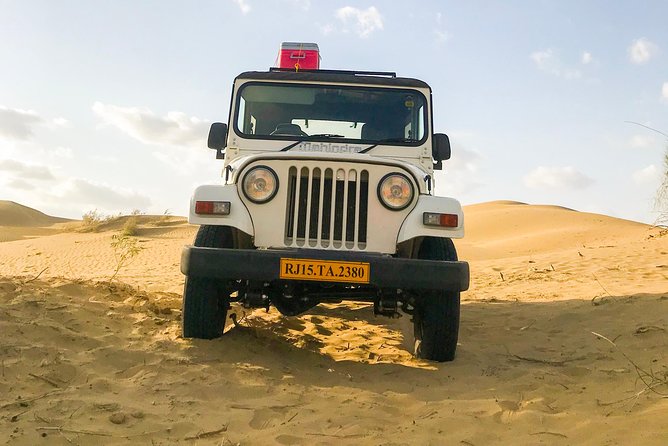
Four wheels make the Thar desert feel close. I love doing a 4×4 jeep safari through the dunes, and I also love the Rajasthani meal with evening entertainment after sunset. One consideration: the driver cum guide, James, is friendly and attentive, but his background knowledge may be limited, so you’ll get more out of the day if you ask questions as you go.
This is a private, max 6-person outing that starts around 2:30 pm and runs about 8 hours, with pickup available in Jaisalmer. You’ll visit Kuldhara and an additional abandoned village near Hansua village, then spend time crossing desert areas for safari-style driving and a late evening camp vibe, with no camel riding involved.
In This Review
- Key things to know before you go
- 4×4 jeep desert safari, without camel time
- Pickup, timing, and the small-group advantage in Jaisalmer
- Kuldhara abandoned village and the Hansua-area stop: what you’ll actually see
- Crossing desert areas and getting safari-style driving time
- Sunset dunes in the evening: why the start time matters
- Dinner cooked under the stars, plus campfire music
- What to pack for hot-to-cold desert conditions
- Price and value: is $73.27 a good deal?
- Who this 4×4 desert safari suits best
- Should you book this private no-camel 4×4 safari?
- FAQ
- What time does the 4×4 desert safari start?
- How long is the tour?
- Is camel riding included?
- What stops are included during the tour?
- What food and drinks are included?
- What should I bring since some items are not included?
Key things to know before you go
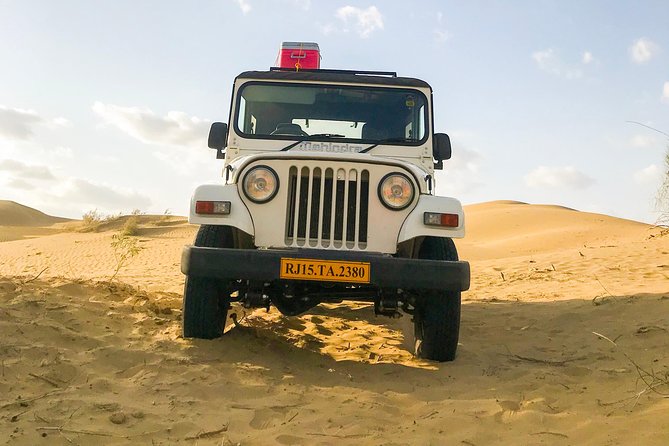
- 4×4 desert driving, no camel ride, so you stay in control of comfort and timing
- Private feel with a small group (up to 6 people) and customization options
- Kuldhara + another abandoned village near Hansua, plus a focused 1-hour visit
- Afternoon-to-night timing, built for dunes, sunset, and evening campfire music
- Food is part of the experience: dinner, snacks, and tea or coffee included
- Day-to-night weather swings mean you should pack proper layers
Other dune camps, tent by tent
4×4 jeep desert safari, without camel time
If you want the Thar Desert experience without the camel aspect, this safari is a straightforward match. Instead of slow camel-paced wandering, you’ll move by 4×4 vehicle, which usually means you spend your time actually seeing dunes and desert light changing as the day rolls toward evening.
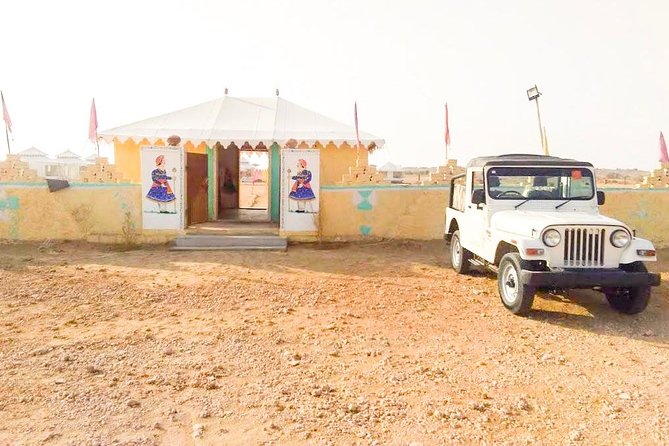
The tour also treats food and entertainment like they matter. You get dinner plus snacks, along with tea or coffee. And as the sky cools down, you’ll have musical entertainment around a campfire, which is the kind of evening rhythm desert trips are supposed to have.
The biggest trade-off is not the route. It’s expectations. The day can feel a little more practical and conversational than heavily narrated. If you’re hoping for deep, lecture-style history, James may not always have the most detailed background. But he is attentive and accommodating, so your best strategy is to ask what you want to know in the moment.
Pickup, timing, and the small-group advantage in Jaisalmer
This starts at 2:30 pm, right in the sweet spot between late-day heat and the first evening cool. Since it runs about 8 hours, you’re basically committing to a full chunk of the afternoon and night, not a quick photo stop.
Pickup is offered, which matters in Jaisalmer. Desert safaris can be logistically messy if you’re coordinating transport on your own, especially with an afternoon start. With pickup, you can focus on the day instead of figuring out where to meet.
The group size is capped at 6 travelers, and because it’s private, you’ll typically feel less rushed. In a small group, you can move at a pace that makes sense, pause for photos without someone else dragging the schedule, and ask your questions directly to James while you’re on the road.
Kuldhara abandoned village and the Hansua-area stop: what you’ll actually see
Your first major stop is Kuldhara Abandoned Village. You’ll spend about 1 hour there, and you’ll also visit another abandoned village near Hansua village as part of the same early segment. The idea here is to connect what you’re seeing with why these places ended up deserted.
What makes this stop work on a desert afternoon is contrast. You go from busy village life in your memory of Rajasthan, then into silence and empty structures out on the edge of the desert. It’s not a checklist stop. It’s a chance to look closely at how settlements sit in harsh terrain, and how time changes the feel of a place.
Practical tip: treat this as a walking and standing stop. Wear comfortable shoes and keep water in mind. Even if the visit is short, it’s the kind of place where you naturally spend time looking around, photographing doorways or open spaces, and taking in how wind and sand affect the area.
Potential drawback to keep in mind: abandoned sites can be uneven. If you have mobility limits, take your time and choose careful footing. The tour indicates a moderate physical fitness level, so plan for some uneven ground rather than expecting a smooth museum path.
- Non-Touristic overnight Camel Safari★ 5.0 · 526 reviews
- Overnight Camel Safari – Sleeping under the Stars★ 5.0 · 390 reviews
- Adventure non touristic camel safari★ 5.0 · 300 reviews
- Overnight Desert Safari Tour Package★ 5.0 · 255 reviews
- Overnight Camel Safari (remote And Isolated)★ 5.0 · 170 reviews
Crossing desert areas and getting safari-style driving time
After the village visit, you head into desert areas for a safari experience. You’ll cross desert national park. The key detail for you is that there’s no admission ticket cost for this part, which helps keep the total experience price sensible.
This segment is less about a single iconic viewpoint and more about the feel of being out in the Thar Desert. When a desert safari is done well, it’s not one giant stop. It’s the slow build of the day, seeing how the dunes and open areas change as sunlight shifts.
Here’s what I’d watch for: the quality of the driving. With a 4×4, you can usually access dune areas that normal road driving cannot. That gives you a better chance to experience dune rolling and sunset positioning. It also makes the timing important, which is why the late afternoon start works so well.
If your priority is photos, this is where you should be ready. Bring your phone battery power plan. Cold evenings can reduce battery life fast, especially if you’re outside for long stretches.
Sunset dunes in the evening: why the start time matters
This tour doesn’t start at dawn. It starts at 2:30 pm, and that’s not random. Desert light is a major part of the experience, and you’ll see that arc in real time.
You’ll keep moving after the afternoon village stop, then spend time in the dunes and surrounding desert areas as evening arrives. By the time sunset comes, you’re in position to watch the sky change colors and feel the temperature drop.
The best part of sunset driving is that you get to experience two different desert moods in one trip:
- late-day dryness and bright visibility during the afternoon
- cooler, softer light with a more dramatic sky in the evening
What to do on the ground: don’t spend all your time staring at a screen. Step out, look around, and get a sense of space. In the desert, you notice how far you can see, and how the horizon becomes the main character of your photos.
Dinner cooked under the stars, plus campfire music
Where many desert trips stop at the dunes, this one gives you the evening wrap-up you came for. Dinner is included, along with snacks and bottled water. You also get tea or coffee.
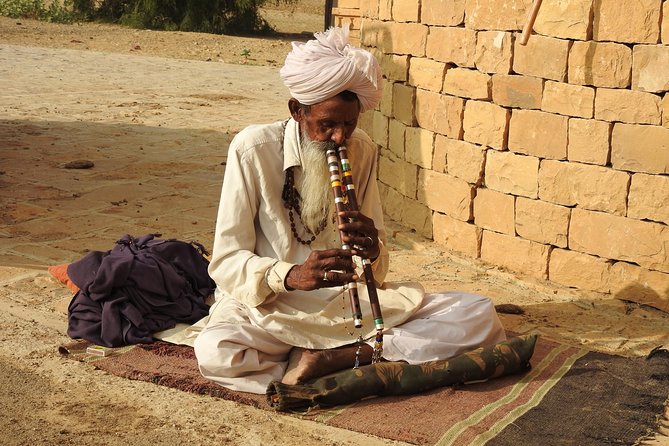
Then comes the camp vibe. You’ll enjoy evening musical entertainment around a campfire. In a good setup, this is when the group energy turns relaxed. It’s warm, it’s social, and it’s the part of the evening where people stop worrying about schedules and start enjoying the moment.
If you care about food quality, remember that this is a desert camp style dinner, not a high-end restaurant meal. But the upside is that it’s part of the overall flow of the day. When it’s done right, the meal tastes better because you’re tired in a good way, you’ve been outside, and you’ve watched sunset happen around you.
One more practical note: campfires can mean smoke. If you’re sensitive, keep a light layer over your face for short periods, and don’t stand directly in the heaviest smoke column.
What to pack for hot-to-cold desert conditions
The tour specifically flags the need for clothing for both day and nighttime conditions. That’s smart advice, and you should treat it seriously. In the desert, you can feel warm during afternoon driving and then suddenly cold once you’re sitting around at night.
Since some common items are not included, plan ahead:
- flash light (bring a small one if you have it)
- sunscreen cream
- sun glasses
- long sleeves
- scarf
Here’s my simple packing formula:
- a light hat or cap plus sunglasses
- a scarf or light shawl for evening wind
- long sleeves for sun protection during driving
- a warm layer for night camp time (even if you think you won’t need it)
Also bring a reusable water bottle on top of what’s provided, if you like to have water close by. Bottled water is included, but you’ll feel calmer if you can sip without hunting for it.
If you wear contacts or glasses, bring your solution. Dust and dry air can make your eyes feel less comfortable, especially after hours outside.
Price and value: is $73.27 a good deal?
At $73.27 per person, this safari is positioned as a value-forward private desert experience. What helps the price feel fair is that many of the everyday expenses are bundled in.
Included items you should count:
- all fees and taxes
- bottled water
- tea or coffee
- dinner
- snacks
And the tour also includes key experiences: the Kuldhara village visit with admission ticket included, plus desert national park crossing time.
What this means for you: you won’t spend the evening worrying about finding dinner or paying for basic drinks. You can budget for a few extras like sunscreen or sunglasses, then focus on the actual day.
The only cost risk is personal. If you arrive without the recommended clothing and sun items, you may end up buying them locally at a higher price. So the real value calculation is not just the ticket. It’s how prepared you are.
Who this 4×4 desert safari suits best
This tour fits best if you:
- want a desert day that includes both culture and dunes, not just sand driving
- prefer a private or small-group feel (max 6)
- want campfire music and dinner as part of the program
- don’t want camel riding
It may not be the best fit if you’re chasing a highly detailed historical lecture. James is attentive and respectful, but his knowledge may be more limited than you expect from a formal historian. If you like to learn on the spot, ask direct questions and you’ll get more value from the time you spend outside.
Also consider this if you like flexibility. The tour is described as customizable to your needs, so people who want a more tailored day should find it easier to work with.
Should you book this private no-camel 4×4 safari?
Book it if you want the Thar Desert in a practical, do-it-yourself-feeling way, with the comfort of a 4×4 and the reward of a real evening camp setup. The combination of Kuldhara and the second abandoned village, then dune time for sunset, then dinner plus campfire music is a solid flow.
Skip or reconsider if you know you want deep, highly structured historical storytelling, and you’d feel disappointed by a guide who is friendly but not overly detailed in background explanations. In that case, you might still enjoy the driving and camp evening, but you should adjust your expectations.
FAQ
What time does the 4×4 desert safari start?
It starts at 2:30 pm.
How long is the tour?
The duration is about 8 hours.
Is camel riding included?
No. This safari is done in a four-wheel drive vehicle and does not include camel riding.
What stops are included during the tour?
You visit Kuldhara Abandoned Village and one other abandoned village near Hansua village, and you also cross desert national park.
What food and drinks are included?
You get bottled water, tea or coffee, snacks, and dinner.
What should I bring since some items are not included?
You should bring items like sunscreen, sunglasses, long sleeves, and a scarf, and you may want a flashlight. The tour notes you’ll need clothing for both daytime and nighttime conditions.
Nights in the Thar


Recently reviewed across Jaisalmer
- Jaisalmer Luxury Overnight Camping
★ 5.0 · 11 reviews - Experience Authentic Desert Villages & Sunset Camel Safari
★ 5.0 · 11 reviews - Dazzling Half Day Tour of Camel & Desert Safari with Sunset
★ 5.0 · 11 reviews - Private Full Day Tour of Jaisalmer with Guide
★ 5.0 · 11 reviews - Jaisalmer Walking Tour: A Stroll Through Time and Culture
★ 5.0 · 11 reviews - 1-Night and 2-Days Thar Desert Safari Tour
★ 5.0 · 12 reviews
Camel Safaris and Desert Camps, compared.
 ★ 5.0Non-Touristic overnight Camel SafariFrom $44526 reviews
 ★ 5.0Overnight Camel Safari – Sleeping under the StarsFrom $37390 reviews
 ★ 5.0Adventure non touristic camel safariFrom $24300 reviews
 ★ 5.0Overnight Desert Safari Tour PackageFrom $38255 reviews
 ★ 5.02-Day Thar Desert ExperienceFrom $9190 reviews
 ★ 5.0Overnight Camel Safari (remote And Isolated)From $64170 reviews
 ★ 5.0Desert Camel Safari Day Tour In JodhpurFrom $24161 reviews
 ★ 5.0Half-Day Sunset Camel Safari in RajasthanFrom $34160 reviews
Browse the lists this tour appears in