
REVIEW · GOLDEN TRIANGLE TOURS
5-Day Golden Triangle Tour with Cultural Heritage-Taj & More
Marble, spices, and forts in five days. What makes this trip worth your time is the mix of big-name sights with local stops, all in one smooth 5-day loop through Delhi, Agra, and Jaipur. I love the private air-conditioned car and the fact that you get a proper guide who can answer questions, not just a quick photo-stop circuit. One watch-out: the days are packed, with several multi-hour drives and no accommodation or meals included.
This is the kind of Golden Triangle plan that works because it keeps you moving, without turning every hour into a mad dash. In guide reviews, names like Ali, Aman, Raj, and Mehraj come up for being attentive and patient when you ask history questions, which matters a lot when you’re trying to make sense of Mughal and Rajput power, not just see buildings.
Comfort details are genuinely practical: you get pickup from your Delhi accommodation and door-to-door service, plus in-car bottled mineral water and light snacks. You’ll also get a mobile ticket, which is a small thing, but it makes the start feel less chaotic.
In This Review
- Key things to know before you go
- Price and comfort: is $325 a fair deal?
- Day 1 in Delhi: Gurudwara Bangla Sahib, Khari Baoli, India Gate, Humayun’s Tomb, Lotus Temple
- Day 2 Taj Mahal and Agra Fort, then Fatehpur Sikri to Jaipur
- Day 3 Jaipur forts, Jal Mahal views, and Chokhi Dhani’s cultural night
- Day 4 Jaipur palaces and the science of Jantar Mantar, ending with Hawa Mahal
- Day 5 back to Delhi or drop-off at Jaipur Airport
- Guides, pace, and practical comfort tips that make or break the trip
- Who this Golden Triangle tour is best for
- Should you book this tour?
Key things to know before you go
- Private transport, climate-controlled: Air-conditioned car and in-car bottled water plus light snacks.
- Real stops, not just drive-bys: Humayun’s Tomb, Taj Mahal, Agra Fort, Fatehpur Sikri, and multiple Jaipur landmarks.
- Guides get praised by name: Ali, Aman, Raj, and Mehraj are repeatedly mentioned for patient explanations.
- Big architecture, explained simply: You’ll connect Mughal and Rajput design to the stories behind it.
- Some admissions are included, some are free: Each stop is listed as ticket included or free, so you can plan your expectations.
- You end with options: Return to Delhi or get a drop-off at Jaipur Airport on day five.
Golden Triangle itineraries, three to eight days
Price and comfort: is $325 a fair deal?
At $325 per person for about 5 days, the price feels reasonable mainly because the trip includes a lot that often costs extra on your own: private air-conditioned transport, pickup, all fees and taxes, and the guide-led touring across major sights. You’re not just buying entry tickets, you’re paying for time management, local knowledge, and the logistics of moving between three cities.
The trade-off is also clear from the inclusions list. Accommodation and meals are not included, so you’ll still need to budget for hotels and food separately. Also, gratuities for guides and drivers are not included, so keep that in mind when you think about the real total cost of “all-in” travel.
Where the value shines is that the schedule is built around major monuments while keeping you comfortable in the car. Reviews also mention that the vehicle is neat and clean, and you do get bottled water plus light snacks to cover the stretches between stops.
If you want maximum flexibility and minimal decision-making, this kind of package is a good fit. If you love roaming on your own every afternoon, you may feel a bit boxed in by the structured stops.
Day 1 in Delhi: Gurudwara Bangla Sahib, Khari Baoli, India Gate, Humayun’s Tomb, Lotus Temple
Day one is all about contrast. You start with spiritual calm, then shift into scent and street energy, then end with Mughal majesty and a quiet architectural reset.
Gurudwara Bangla Sahib (30 minutes, admission ticket included) is a gentle way to open the trip. It’s associated with Guru Har Krishan, and it has a peaceful, visitor-friendly feel in the middle of Delhi. If you’re traveling with people who want more than monuments, this stop gives you something human and grounded right away.
Next is Khari Baoli (30 minutes, admission ticket included), Delhi’s spice market. It’s billed as Asia’s largest spice market, and the point is the sensory overload in the best way. Expect strong smells of dried chilies, cardamom, saffron, and other spices as you walk past shop counters and busy lanes. This is one of those stops where a guide helps because you’ll notice different ingredients and learn what’s used for what, instead of just seeing heaps of goods.
Then come the grand civic landmarks. India Gate (15 minutes, admission ticket included) is a war memorial setting, not a “hang out for hours” sight. You’ll get enough time for photos and orientation, then move on.
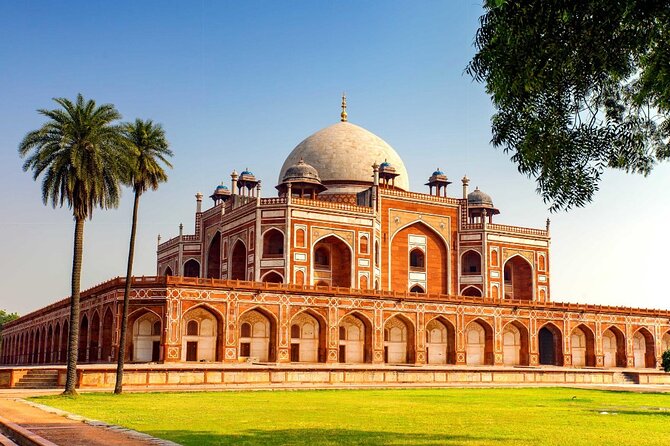
Humayun’s Tomb (1 hour, admission ticket included) is where the Mughal story starts to feel real. It’s a UNESCO World Heritage site and a major early example of Mughal mausoleum design shaped by Persian influences. This is a great stop for learning how architectural choices connect to power and grief, because the monument is tied to the emperor and the widow who commissioned it.
Finally, Lotus Temple (30 minutes, admission ticket included) offers a reset. Its flowerlike design is striking, and it’s open to all faiths. Even if you’re not in the mood for more history, this place gives you a calm moment between crowded streets.
After the Delhi sights, the day transitions to Agra (4 hours, admission ticket free). That drive time is the first “pace check” for your trip. You’ll likely want to keep your expectations realistic for the evening in Agra, since you’ll need to manage hotel and meals on your own.
Day 2 Taj Mahal and Agra Fort, then Fatehpur Sikri to Jaipur
Day two is the famous one, but it’s also built to prevent the Taj Mahal from feeling like a single checkbox.
Taj Mahal (2 hours, admission ticket included) is your anchor. The practical win here is time. Two hours is usually enough to see the main marble views, understand the symmetry design, and still have space to walk without feeling rushed. You’ll also get context that helps you notice details instead of staring at the whole building like it’s one flat image.
Then you shift from love-story marble to defensive power with Agra Fort (1 hour, admission ticket included). The fort’s red sandstone walls help you understand that Mughal rule wasn’t only about monuments. It was also about control, security, and the ability to protect the capital and the royal court.
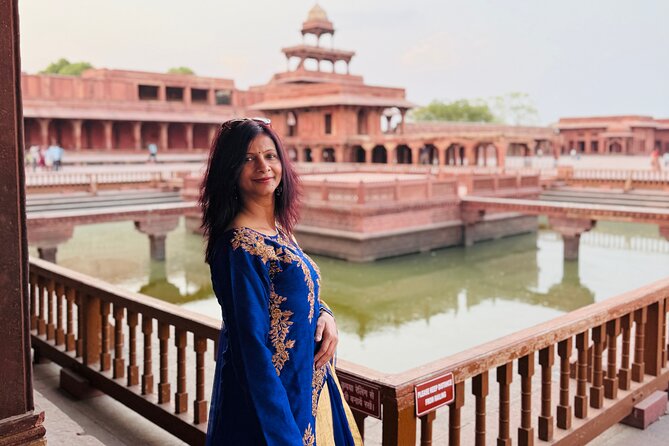
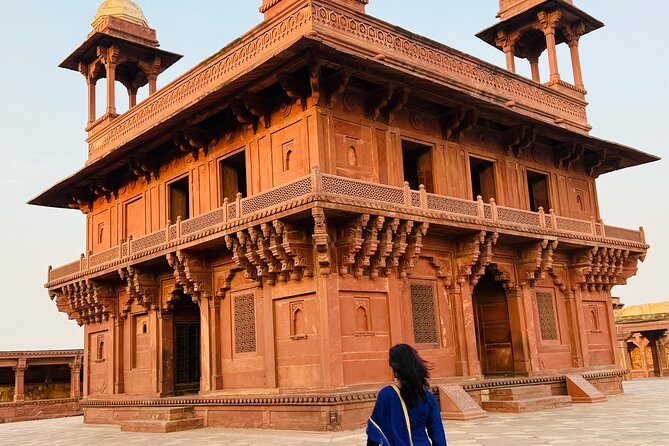
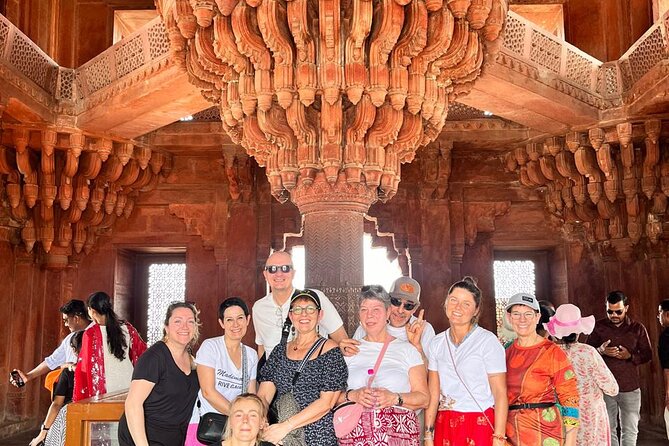
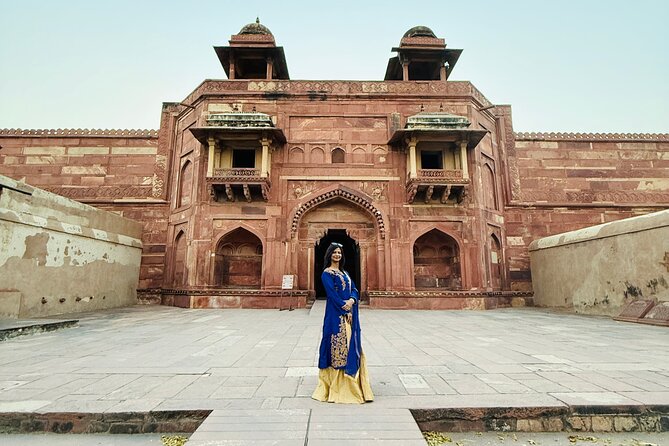
Next is Fatehpur Sikri (2 hours, admission ticket free). This is an architectural city in red sandstone associated with Emperor Akbar’s era. The key value on this stop is the way your guide can connect the courtyards and arches to the larger idea of a court city built for empire. In one guide-led account from the provided feedback, the Fatehpur Sikri portion ran about 1.5 hours with time for questions, so if you like to stop and ask why something was built, you’ll probably appreciate the pace.
Then you head to Jaipur (4 hours, admission ticket free). It’s a long transfer, but this is normal for a Golden Triangle route. If you’re sensitive to travel fatigue, it helps to pack a simple routine: water bottle ready, quick snack, and a slightly lighter plan for your first evening in Jaipur since meals and hotel are on your own.
- Old & New Delhi City Tour – Half or Full Day Options Available★ 5.0 · 4,811 reviews
- Taj Mahal Tour from Delhi by Express Train (Viator Award Winner)★ 5.0 · 2,849 reviews
- Same Day Taj Mahal, Fort & Baby Taj Tour from Delhi by Car★ 4.9 · 2,534 reviews
- From Delhi: Taj Mahal and Agra Fort Private Sunrise Tour★ 4.9 · 2,270 reviews
- Sunrise Taj Mahal, Agra Fort & Baby Taj Tour from Delhi by Car★ 5.0 · 2,243 reviews
Day 3 Jaipur forts, Jal Mahal views, and Chokhi Dhani’s cultural night
Day three is where Jaipur starts to feel like more than just forts and photo angles. You’ll get Rajput military architecture, a romantic lake setting, and then a cultural evening.
Jaigarh Fort (2 hours, admission ticket included) is a serious piece of Rajput defense engineering. It sits on top of Cheel ka Teela (Hill of Eagles) and was built in 1726 by Maharaja Jai Singh II to protect the royal treasury. On this stop, I like that you’re not just walking through pretty rooms. You’re seeing why the place was positioned and how it would work as a fort, which makes the architecture easier to read.
Then you get a contrast hit with Jal Mahal (15 minutes, admission ticket included). You’ll see it as a palace-like structure sitting in the middle of Man Sagar Lake. The time is short, so don’t plan to linger. Think of it as a quick visual breather before the cultural evening.
Chokhi Dhani (3 hours, admission ticket included) is the big finale for the day. This is a staged cultural night focused on Rajputana village life, with folk dances, puppet shows, and fire performances, plus bazaar-style shops. It’s not the same as walking the real street markets of Jaipur, but it is a convenient way to experience performances in a single block of time. Since meals are not included in the tour package, treat this as a night that may include extra spending if you want to eat there, and plan accordingly.
This is also the day where the tour’s group format matters. Since it’s a private tour for your group only, you’ll usually have an easier time following the guide without feeling like you’re trapped in a large crowd.
Day 4 Jaipur palaces and the science of Jantar Mantar, ending with Hawa Mahal
Day four is a mix of royal domestic life, street-level design tricks, and a surprisingly technical stop.
City Palace of Jaipur (1 hour, admission ticket included) gives you the broad picture of how the royal family shaped the city. You’ll see ornate halls and courtyards tied to Maharaja Sawai Jai Singh II’s vision. Even within one hour, a guide helps you understand what you’re looking at, because palace rooms and courtyards can blend together when you’re just reading labels.
Next is Jantar Mantar (1 hour, admission ticket included), a UNESCO World Heritage site and an open-air observatory. This is one of those places that turns a sightseeing trip into something educational without becoming a lecture. The value here is the chance to see how instruments were used to measure time and the sky, and how that technical thinking connected to governance and planning.
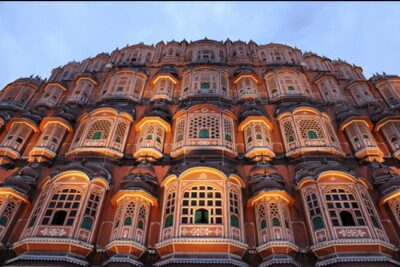
Then comes a landmark that looks like a photo filter, Hawa Mahal (45 minutes, admission ticket included). Its honeycomb façade and many small windows are the design story. Built in 1799 by Maharaja Sawai Pratap Singh as an extension of the City Palace, it’s associated with the idea of allowing royal women to observe street life while remaining unseen. If you like design details, this stop is fun because the windows aren’t random. They’re the whole point.
Day four is also relatively efficient compared to day three because the stops are closer together in Jaipur. That makes it easier to manage your energy and still enjoy the architecture.
Day 5 back to Delhi or drop-off at Jaipur Airport
Day five is mainly transfer time and closure. You’ll return to Delhi (4 hours, admission ticket free) or get a convenient drop-off at Jaipur Airport. This flexibility is useful if you’re building a larger trip around your flights, or if you want to avoid backtracking later.
Since meals and accommodation aren’t included, I recommend planning for a final meal and any last-minute shopping on your own. Also, keep in mind that the tour’s “five days” feel like a tour rhythm, not a guaranteed full sightseeing day in Delhi on the back end.
Guides, pace, and practical comfort tips that make or break the trip
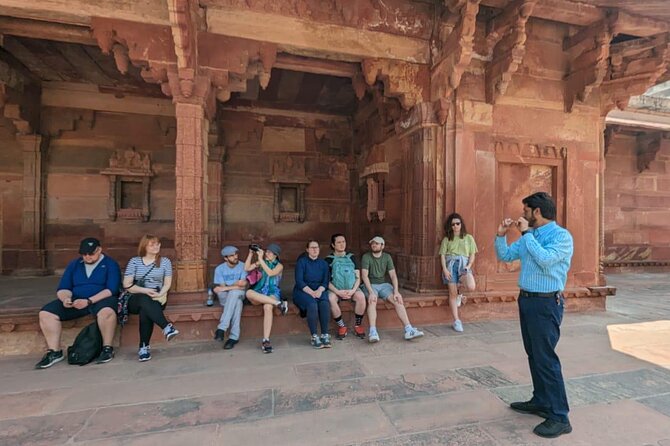
The biggest theme in the provided feedback is guide quality. Specific names come up: Ali is described as wonderful and attentive, Aman is praised as a great choice, Raj is singled out for patiently answering questions at Fatehpur Sikri, and Mehraj is also called out for strong information and a fun, helpful presence. Even if your guide is different, the tour’s positioning is clear: you’re paying for explanation and responsiveness, not just transportation.
The second theme is car comfort and neatness. One review notes the car is clean, which is a small detail, but in India, it can genuinely change how you feel after long travel days.
Now for the pacing reality. This route includes multiple multi-hour transfers: Delhi to Agra, Agra to Jaipur, plus the return day. That means your mornings and afternoons will be structured, and you’ll need to accept that “free time” is limited. If you tend to hate tight schedules, you might feel the pressure. If you like a clear plan and hate decision fatigue, you’ll probably love it.
Here are a few practical things you can do to make the days feel easier, without adding assumptions:
- Carry a small refillable water bottle anyway, even though bottled water is provided in the car.
- Wear shoes you can walk in for tombs, forts, and palace courtyards.
- If you’re the type who asks lots of questions, this tour can be a good match because the guides in feedback are repeatedly praised for patience.
- Plan to pay for your own hotel and meals, because those are not included.
Who this Golden Triangle tour is best for
This works especially well for:
- First-time visitors to India who want a complete Delhi, Agra, Jaipur arc
- Travelers who want major sights with a guide who can explain what you’re seeing
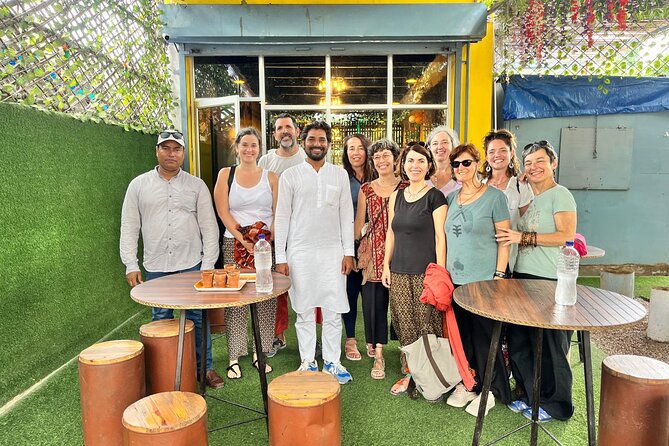
- Small groups who prefer a private tour instead of sharing your attention space with strangers
- People who want comfort upgrades like air-conditioned transport and in-car snacks
It may not be ideal for:
- Anyone who wants lots of unstructured, self-directed wandering time
- Travelers who are strict about minimizing entrance fees, because your stops mix ticket-included and ticket-free entries
- Those who don’t want to think about hotel planning and meal budgeting separately
Should you book this tour?
If you want a clear, guided Golden Triangle route that hits the highlights without making you wrestle with daily transport and planning, I think it’s a smart choice. The strong point is that the tour pairs famous monuments like the Taj Mahal with key Mughal and Rajput stops, then keeps you comfortable with a private air-conditioned car, bottled water, and light snacks.
Book it if you value explanation, a structured plan, and the convenience of pickup plus door-to-door service. Think twice if you dislike long driving days or if you need an all-inclusive package for hotel and meals, because those parts are not included.
If you decide to go, do one simple thing that pays off immediately: ask your guide during the first city block what to prioritize for your interests, because that’s where a good guide, like Ali, Aman, Raj, or Mehraj-style attention, can turn a standard sightseeing tour into a trip that actually makes sense.
The Golden Triangle, Longer and Shorter




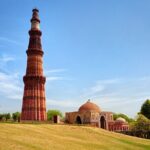
Recently reviewed across New Delhi
- Golden Triangle – Delhi Agra and Jaipur
★ 5.0 · 10 reviews - Taj Mahal & Agra Tour by Indian Bullet Train All Inclusive
★ 4.5 · 10 reviews - Private Tour in Mehrauli Archaeological Park & Qutub Minar
★ 5.0 · 10 reviews - Old & New Delhi Tour
★ 5.0 · 10 reviews - From Delhi : Taj Mahal & Agra Fort Tour by Luxury Express Train
★ 5.0 · 10 reviews - Delhi Shopping Tour: Top Bazaars, Crafts & Souvenir Finds
★ 5.0 · 10 reviews
Golden Triangle Tours, compared.
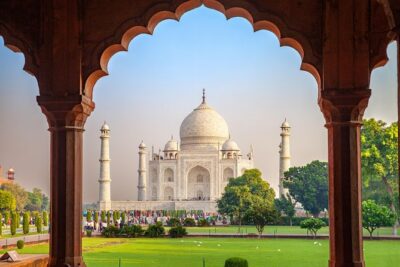 ★ 5.03-Days Private Golden Triangle Tour: Delhi, Agra & Jaipur by CarFrom $1271,098 reviews
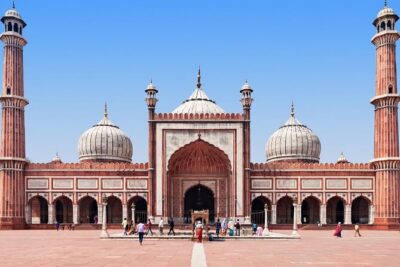 ★ 5.03-Day Delhi, Agra and Jaipur Private Tour – India Golden TriangleFrom $110812 reviews
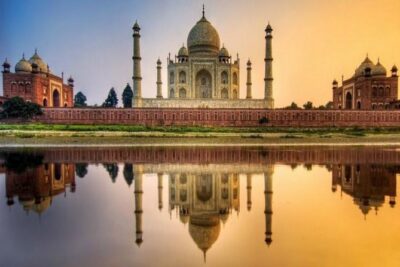 ★ 5.0Four-Day Private Luxury Golden Triangle Tour to Agra and Jaipur From New DelhiFrom $160807 reviews
 ★ 5.05 Nights 6 Days Private Golden Triangle Tour – Delhi Agra JaipurFrom $240574 reviews
 ★ 5.04 Days Golden Triangle TourFrom $146499 reviews
 ★ 5.0Private Car and Drive for Golden Triangle (4N/5D)From $167451 reviews
 ★ 5.0Private Golden Triangle Tour Delhi Agra Jaipur ( Top Rated )From $148436 reviews
 ★ 5.03-Day Private Luxury Golden Triangle Tour to Agra and Jaipur From New DelhiFrom $164424 reviews
Browse the lists this tour appears in