
REVIEW · TEMPLE TOWNS AND PILGRIMAGE TOURS
Ayodhya tour in 3 days
Some cities hit you fast. This 3-day Ayodhya plan lines up the big spiritual sights with the kind of logistics that keep you from wasting the day. I like that it includes a private air-conditioned vehicle for all transfers and a local English-speaking guide, so you get context at every stop instead of just pictures.
Two standouts for me are the chance to see the evening aarti atmosphere from the ghats and the included private boat ride on the Sarayu before the ceremony. One consideration: you are visiting major religious sites, so you should expect queues at the Ram Janambhoomi Temple (it can take 30 to 40 minutes for darshan), plus a lot of foot traffic around twilight.
In This Review
- Key things I’d bookmark before you go
- Ayodhya in 3 days: what this schedule helps you accomplish
- Private pickup and air-conditioned transfers that actually matter
- Ram Ki Paidi and Swarg Dwar: the two ghats that set the mood
- Timing the Sarayu private boat ride for prayer atmosphere
- Suryakund laser show: fun add-on or energy drain?
- Ram Janambhoomi Temple VIP darshan: how to make lines less annoying
- Hanuman Garhi and Kanak Bhavan: where Ayodhya feels layered
- Guptar Ghat after lunch: the quieter, reflective stop
- Day 3 leisure and departure without the scramble
- Price and value: is $300 per person fair for what you get?
- Who this tour fits best
- Small practical tips that will make your day smoother
- Should you book this 3-day Ayodhya private tour?
- FAQ
- What is the duration of the Ayodhya tour?
- How much does the tour cost per person?
- Is pickup included?
- Does the tour include a guide?
- Are entrance tickets included?
- Is there a boat ride included?
- Are VIP tickets included for Ram Mandir?
- Does the itinerary include an aarti ceremony?
- How far in advance do people typically book?
- Can I cancel for a full refund?
- Are children allowed?
Key things I’d bookmark before you go
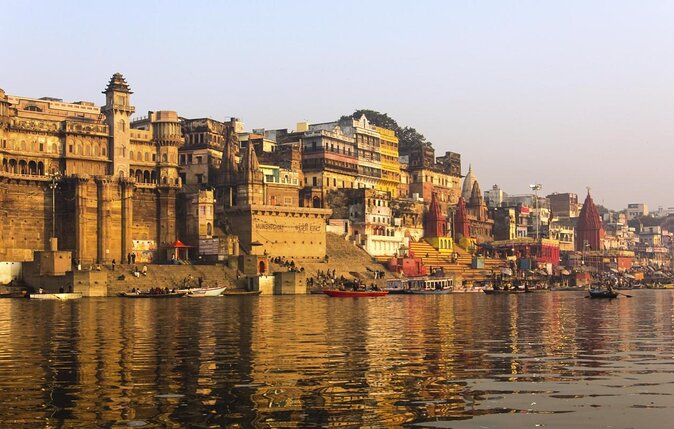
- Private boat ride on the Sarayu River timed for the evening prayer mood
- VIP darshan tickets of Ram Mandir to reduce friction on a busy day
- Two ghat moments that bookend the evening (Ram Ki Paidi, then Swarg Dwar aarti)
- Temple variety on Day 2 from Hanuman Garhi to Kanak Bhavan to Guptar Ghat
- All transfers by air-conditioned vehicle so you can focus on sights, not roads
Other temple towns we have reviewed
Ayodhya in 3 days: what this schedule helps you accomplish
A lot of Ayodhya trips feel rushed, or they feel like you’re mostly driving. This one is built around a simple rhythm: daylight temple time, twilight ghats, and then an evening show. You’re also not doing the classic mistake of trying to cram everything into one giant day, which makes the whole trip more comfortable.
The pace also makes sense if you want the devotional side without turning the trip into a workout. You’ll spend time at places like Ram Ki Paidi and Swarg Dwar, then move through multiple temples on Day 2. By Day 3, you get a slower morning and a practical departure window.
One thing to know up front: Ayodhya is active and sacred, so dress and behavior matter. This tour assumes you’re ready to follow site rules, stand in lines when needed, and keep the tone respectful.
Private pickup and air-conditioned transfers that actually matter
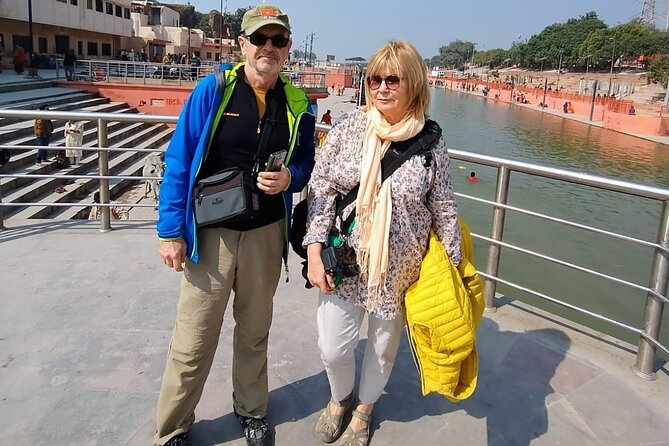
Your tour starts the practical way. When you arrive at Maharishi Valmiki International Airport Ayodhya Dham, or by train, you’ll be met by a representative and transferred to your booked hotel. Later, the same private setup brings you back to the airport or railway station on Day 3.
The best part is the air-conditioned vehicle from arrival to departure. Ayodhya’s roads can be busy, and with a driver handling traffic, you avoid the stress of hopping between autos and figuring out where you should be next. In one recent run, the driver and guide kept the schedule moving even during Diwali crowds, which is exactly the kind of buffer you want on a short trip.
You’ll also get a mobile ticket and the tour is private, meaning only your group participates. That tends to make timings easier to manage at crowded stops.
Ram Ki Paidi and Swarg Dwar: the two ghats that set the mood
Ram Ki Paidi is the kind of place where the city feels like it’s breathing with the river. You go in late afternoon, around 4 PM, and you’ll have about an hour and a half there. It’s a long set of riverfront ghats on the Sarayu, and it’s where pilgrims naturally gather, pray, and move around in the ritual flow.
What I like here is that you’re not dropped in at the last second. Starting in late afternoon gives you time to watch activity as daylight fades, rather than sprinting straight to the show. It also makes later evening moments more meaningful, because you’ll already have the visual context of the riverfront.
Then you shift to Swarg Dwar Ghat in the evening. As twilight comes, the ghat’s devotional energy ramps up with chants and ceremonies. The itinerary includes time specifically for the evening Aarti Ceremony, and that means you’re there when it counts, not just passing by.
A small consideration: twilight at ghats can mean crowds. Plan for slow movement, and keep your phone away unless you’re sure you won’t block anyone’s view.
Timing the Sarayu private boat ride for prayer atmosphere
The tour’s most memorable “wow” moment is the private evening boat ride on the Sarayu River. The instruction is to suggest doing it before the aarti, and that’s smart. If you’re on the water first, you get that cinematic sense of the ghats and rituals from a different angle, then you step onto land for the ceremony.
This is a one-time private ride, and you’ll have the guidance of your English-speaking local guide. On the boat, you’re not just watching lights and flames. You’re also hearing commentary tied to what you’re seeing, which helps the whole experience click beyond the visuals.
Practical tip: wear something comfortable and be ready for mild evening temperature changes. Also, keep your belongings small and secure, since the boat experience is about movement and footing.
Suryakund laser show: fun add-on or energy drain?
After your evening on the ghats, you’ll also visit Suryakund for Ayodhya’s nightly laser light show. The scheduled visit is about 30 minutes, so it’s not a huge time commitment.
I think this part can work well if you’re coming in with low expectations. It’s more of a storytelling spectacle than a traditional temple ritual, and it’s an easy way to close out Day 1 with a modern interpretation of Lord Ram’s life. If you’re sensitive to noise or bright light, just remember this is a show setting, not a quiet shrine.
If you’d rather keep the night peaceful, you could also treat this as optional in your own mind, even if it’s included. The core spiritual value is still in the ghats and the aarti.
Ram Janambhoomi Temple VIP darshan: how to make lines less annoying
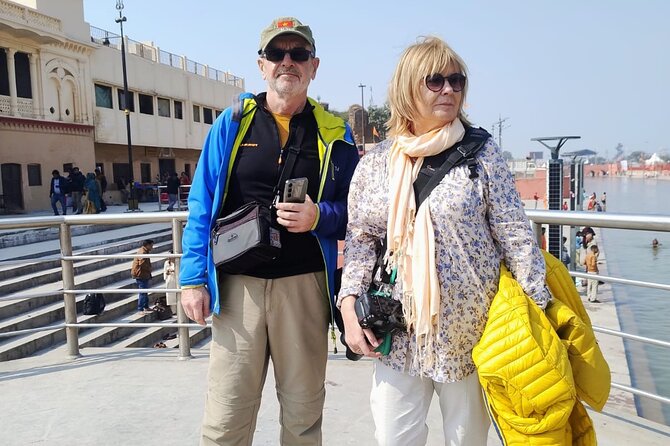
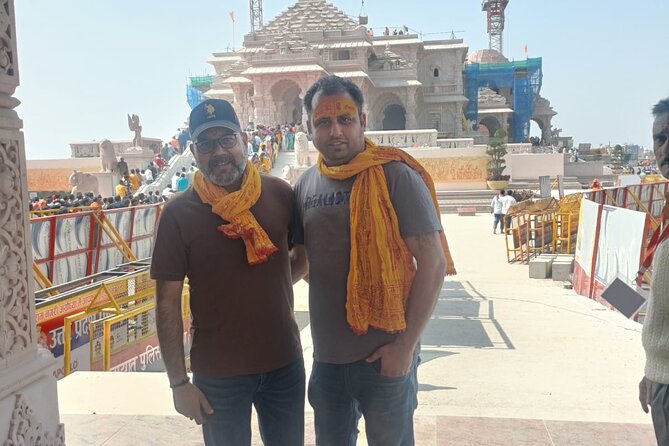
Day 2 starts with the main pilgrimage stop: Shree Ram Janmbhumi Temple Ayodhya. You have about an hour at the temple area, and yes, you might need to stand in line for 30 to 40 minutes for darshan.
Here’s where the VIP Darshan tickets of Ram Mandir become practical, not just a marketing word. They are meant to reduce the friction of a very busy site, and they help keep your time from slipping into “we’re still waiting” territory.
When you’re at the temple, try to treat the wait as part of the experience. Your guide can share the temple’s significance and help you understand what you’re seeing. The tour also includes entrance covered for the stop, so you’re not constantly checking ticket rules.
One consideration for planning: this is the emotional center of the trip for many people. If you want clearer timing, keep your day flexible and don’t schedule heavy sightseeing right before it.
Hanuman Garhi and Kanak Bhavan: where Ayodhya feels layered
After Ram Janambhoomi, you move to Hanuman Garhi Mandir. This temple sits atop a hill, which means the viewpoint can feel like a natural reward as you approach. The itinerary gives you about an hour here, and it’s dedicated to Lord Hanuman. You’ll also get a sense of why devotees come here repeatedly, not only once.
Then comes Kanak Bhavan Temple, which is dedicated to Lord Rama and Sita. It’s known for intricate architecture and vibrant paintings, and your visit includes about an hour. This stop gives you a different feel from the larger main-site crowds.
I like this Day 2 structure because it avoids one long “same feeling” block. You get a hilltop temple mood, then an ornate shrine mood. That variety helps if you’re sensitive to repeating the same kind of space all day.
Guptar Ghat after lunch: the quieter, reflective stop
After Kanak Bhavan, the itinerary has lunch in any local restaurant. Then you head to Guptar Ghat, about 10 km from Ayodhya, with around two hours allotted.
The description ties Guptar Ghat to Lord Rama’s last earthly journey, and it has a more mystical aura than the more central riverfront stops. I think the reason this stop works on a 3-day schedule is simple: you’ve already seen the major religious highlights. Now you can slow down and focus on meaning rather than just motion.
At a ghat, the best strategy is to look around first before you fixate on one viewpoint. The riverfront changes depending on where you stand, and your guide’s commentary can help you notice what matters.
Day 3 leisure and departure without the scramble
On Day 3, the morning is left at leisure. That might sound vague, but for a short tour, it’s actually valuable. After temple and ghats, you can use the morning to catch up, buy a few essentials, or just rest.
Later in the day, you transfer to Maharishi Valmiki International Airport Ayodhya Dham or your railway station. The transfer time is listed as about 30 minutes, and that’s exactly the kind of buffer you want if your departure plans are firm.
If your schedule allows, I’d use the leisure time to organize one last round of photos and one last walk near where you’re staying. The point is to avoid ending the trip stressed.
Price and value: is $300 per person fair for what you get?
At $300.00 per person for a 3-day private tour, you’re paying for three things: private logistics, guided interpretation, and included entries. The itinerary includes entrance fees per stop, transfers by air-conditioned vehicle, VIP darshan tickets, and the private boat ride.
That package can be good value if you hate planning. You’re not coordinating drivers across multiple days, buying entrance tickets for every stop, or trying to guess where the line hassles will hit hardest. Also, since it’s a private tour, you’re not sharing your day with strangers who can slow down the group.
One more cost-related detail: the tour includes all taxes including GST of 5 percent. That matters when you’re comparing options that may add taxes later.
If you’re traveling solo or as a small group, the math can shift depending on the group discount. If you can travel with friends or family, ask how the group discount applies to your exact party size.
Who this tour fits best
This is a good match if you want a focused, spiritual Ayodhya visit with less stress. The tour says most travelers can participate, and that fits because the main activities are temple visits, ghat time, and a boat ride, not extreme hikes.
It’s also a good fit for first-timers. The guide component is important because it helps you connect what you’re seeing to why it matters. In a recent experience, my guide was J Shukla, and the commentary plus the calm timing made the crowded moments feel manageable.
Families should note one rule: children must be accompanied by an adult. If you’re traveling with kids, keep in mind that lines and crowds happen at temple stops and around evening ceremonies.
Small practical tips that will make your day smoother
Ayodhya is active in the evenings, so build in patience for Swarg Dwar and ghats. If you want clear photos, stand aside rather than trying to frame over people’s heads.
At Ram Janambhoomi, be ready for the possibility of 30 to 40 minutes in line for darshan. Plan your day so you can arrive without rushing. The VIP darshan tickets help, but they won’t eliminate every crowd.
Wear comfortable shoes. You’ll move between ghats and temple areas, and you’ll likely spend time standing during ceremonies.
Finally, since it’s a private tour with an English-speaking local guide, don’t be shy about asking what to watch for. The value isn’t only the stops, it’s the explanations that turn the stops into a story you can follow.
Should you book this 3-day Ayodhya private tour?
If you want a short Ayodhya trip that hits the key devotional stops without making you plan every detail, this one is a solid choice. The strongest reasons to book are the private Sarayu boat ride, the evening Swarg Dwar aarti timing, and the VIP Ram Mandir darshan tickets wrapped into one guided schedule.
I’d think twice only if you’re extremely sensitive to crowds at big religious sites or if you strongly prefer downtime over guided temples. Otherwise, for $300 per person with air-conditioned transfers, entrance coverage, and a guided flow, it’s the kind of practical package that helps you experience Ayodhya rather than just passing through it.
FAQ
What is the duration of the Ayodhya tour?
The tour lasts 3 days (approx.).
How much does the tour cost per person?
The price is $300.00 per person.
Is pickup included?
Yes, pickup is offered. You’ll be met upon arrival at the airport or railway station and transferred to your booked hotel.
Does the tour include a guide?
Yes, it includes services of an English-speaking local guide for the itinerary.
Are entrance tickets included?
Yes, all site and monument entrances per the itinerary are included, and specific stops list admission ticket included.
Is there a boat ride included?
Yes. There is one time private boat ride on the Sarayu River, suggested before the aarti.
Are VIP tickets included for Ram Mandir?
Yes. VIP darshan tickets of Ram Mandir are included.
Does the itinerary include an aarti ceremony?
Yes. You visit Swarg Dwar Ghat in the evening for the Aarti Ceremony, and the boat ride is also described as for witnessing aarti and prayer.
How far in advance do people typically book?
On average, this is booked 13 days in advance.
Can I cancel for a full refund?
Yes. Free cancellation is available, and you can cancel up to 24 hours in advance for a full refund.
Are children allowed?
Children must be accompanied by an adult.
More Temple Towns Across Ayodhya

Recently reviewed across Ayodhya
- Ayodhya VIP/Sugam Darshan & Accommodation – Wheelchair support
★ 5.0 · 21 reviews - Ayodhya Private Tour & VIP Darshan -Special support for Seniors
★ 5.0 · 56 reviews
Temple Towns and Pilgrimage Tours, compared.
 ★ 5.0Day Trip to Mathura, Vrindavan with The Taj Mahal, Agra from DelhiFrom $7263 reviews
 ★ 5.0Ayodhya Private Tour & VIP Darshan -Special support for SeniorsFrom $7256 reviews
 ★ 5.0Mathura Vrindavan Divine Love Journey of Radha Krishna From DelhiFrom $10940 reviews
 ★ 5.0Taj Mahal & Mathura, Vrindavan Private Day TripFrom $3531 reviews
 ★ 4.9Taj Mahal, Agra & Mathura Tour by CarFrom $8028 reviews
 ★ 5.0Ayodhya VIP/Sugam Darshan & Accommodation – Wheelchair supportFrom $17021 reviews
 ★ 5.0Day Trip to The Taj Mahal, Agra with Mathura & Vrindavan from DelhiFrom $7219 reviews
 ★ 4.4Magical Mathura Vrindavan Tour: Krishna’s HomelandFrom $4618 reviews
Browse the lists this tour appears in