
REVIEW · INDIA
Essence of magnificent India and Nepal
In 17 days, you see a lot, fast. This India and Nepal highlight run pairs comfortable 3-star hotels with private AC driving and local guides in key cities, so the big sights feel organized instead of chaotic. I especially like the built-in cultural moments, like a Delhi rickshaw ride through Old Delhi and the Ganga boat time in Varanasi. One thing to consider is that the itinerary moves quickly, and the coordination can take a bit of your attention day to day.
You get a smart mix of famous stops and slower, meaningful scenes. Taj Mahal at sunrise, Ganga aarti on the river, Buddhist worship in Kathmandu Valley, and pilgrimage places like Lumbini all show up, with bottled water, daily breakfast, and a personal English speaking driver keeping the logistics moving. Still, most monument entry tickets are not included, so you’ll want to budget for admissions and keep a bit of cash for on-the-spot needs.
If you like your travel planned but not stiff, this can be a very good value. If you want long unstructured time in one city, this schedule may feel tight.
In This Review
- Key things I’d circle on your map
- A route that makes sense: India icons, then Nepal calm
- Delhi in two days: temples, Old Delhi markets, and famous monuments
- Day 1: Akshardham to Old Delhi by rickshaw
- Day 2: New Delhi icons, Lotus Temple, Humayun’s Tomb, Qutub Minar, and Lodhi Garden
- The one Delhi drawback to plan for
- Jaipur via a Monkey Temple stop: forts, palaces, and rooftop views
- Amber Palace and the royal photo loop
- A practical note for Jaipur
- Agra sunrise Taj Mahal, then Orchha’s quieter palaces
- Taj Mahal at sunrise, guided
- Orchha: a change from big-city pace
- Khajuraho and Varanasi: carvings, then the Ganga at human speed
- Khajuraho temples: art you can read with your eyes
- Varanasi: Ganga aarti and boat time
- One Varanasi consideration
- Crossing into Nepal: Lumbini’s pilgrimage energy
- Lumbini Zone visit
- Pokhara: Phewa Lake boat, Devi’s Fall, and Sarangkot sunrise
- Phewa Tal boat ride and Annapurna views
- Devi’s Fall and Bindhyabasini Temple
- Sarangkot sunrise moderate trekking
- Kathmandu Valley: Durbar squares, Swayambhunath, Pashupatinath, Patan, Bhaktapur, and Boudhanath
- Day 15: Durbar Square, Swayambhunath, Pashupatinath
- Day 16: Patan, Bhaktapur, and Boudhanath stupa
- What makes this Kathmandu circuit worth it
- Hotels, drivers, breakfast, and bottled water: the comfort you actually feel
- Price and what you should budget beyond it
- Coordination and communication: how to protect your trip day to day
- Who this tour fits best, and who should rethink
- Should you book this India and Nepal highlights trip?
- FAQ
- What is the total duration of the tour?
- Where does the tour start and when?
- Is pickup included in Delhi?
- What kind of accommodations are provided?
- Is breakfast included?
- Are monument admission fees included?
- Do I need a Nepal visa?
- Is there a flight included?
- What experiences are specifically included in Delhi and Varanasi?
- What should I know about dress for temples and mosques?
- Can I cancel and still get a refund?
Key things I’d circle on your map
- Delhi by rickshaw and temple steps: Old Delhi market streets, plus major worship sites across faiths.
- Sunrise Taj Mahal planning: early start, guide-led visit, then back for breakfast.
- Varanasi on the Ganga, not just photos: morning boat time and the river evening vibe via included activities.
- Real Nepal pilgrimage stops: Lumbini and Kathmandu Valley, with both Hindu and Buddhist landmarks.
- AC private vehicle with an English speaking driver: you spend less time negotiating.
- You still need to budget monument tickets: admissions are a separate line item.
Shortlisting? Every New Delhi trip below went through the same review.


A route that makes sense: India icons, then Nepal calm
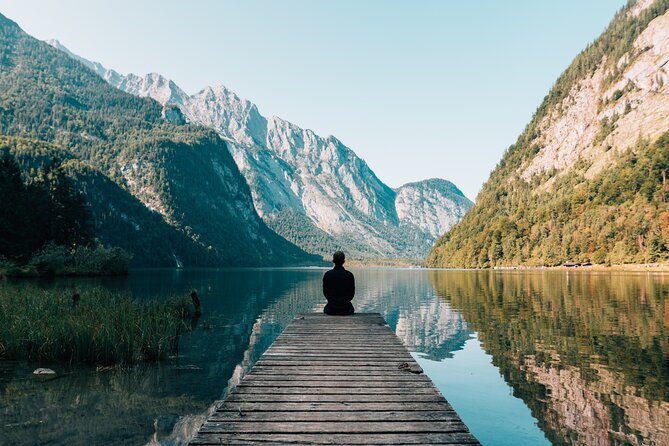
This trip strings together Northern India and key parts of Nepal in one smooth arc. You start in Delhi, then hit Jaipur, Agra, Orchha, Khajuraho, and Varanasi before crossing into Nepal for Lumbini, Pokhara, and a full Kathmandu Valley circuit. It is the kind of itinerary that helps you maximize vacation days without turning every day into a brand-new planning project.
What I like for your decision-making is that it is not just sightseeing. You also get daily breakfast, bottled water, and a consistent hotel setup, so you can focus on sights instead of searching for food and transport. The private vehicle with a personal English speaking driver matters more than people think, especially when traffic, gates, and pickup points get messy.
The tradeoff is pace. You do not linger. You get to see a lot, but you will feel the rhythm shift, city to city. If you want slow travel, build in extra days after the tour on your own.
Delhi in two days: temples, Old Delhi markets, and famous monuments
Delhi is split into two very different moods, and that helps the trip. Day 1 leans into big spiritual landmarks, then you slide into Old Delhi with a rickshaw ride, which is one of the most fun ways to get your bearings quickly.
Day 1: Akshardham to Old Delhi by rickshaw
You start at Swaminarayan Akshardham, a modern Hindu temple complex with free admission on this plan. It is designed to be an experience, with lots of detail and a sense of order, which is a nice first move after arrival and freshening up.
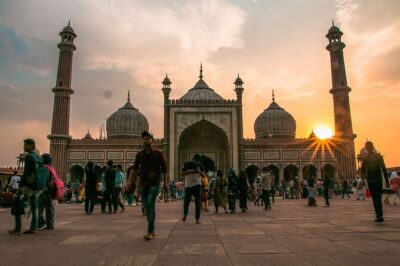
Then you head to Jama Masjid in Old Delhi. You ride by rickshaw, which puts you right into the market streets atmosphere, including the crowds and the energy around the mosque. After that, you stop for Red Fort photos, then visit Raj Ghat, Mahatma Gandhi’s cremation site, and finally Gurudwara Bangla Sahib, one of Delhi’s most popular Sikh temples. The canteen there is a standout because meals are prepared for thousands daily, and it is free on this tour.
- Old & New Delhi City Tour – Half or Full Day Options Available★ 5.0 · 4,811 reviews
- Taj Mahal Tour from Delhi by Express Train (Viator Award Winner)★ 5.0 · 2,849 reviews
- Same Day Taj Mahal, Fort & Baby Taj Tour from Delhi by Car★ 4.9 · 2,534 reviews
- From Delhi: Taj Mahal and Agra Fort Private Sunrise Tour★ 4.9 · 2,270 reviews
- Sunrise Taj Mahal, Agra Fort & Baby Taj Tour from Delhi by Car★ 5.0 · 2,243 reviews
Day 2: New Delhi icons, Lotus Temple, Humayun’s Tomb, Qutub Minar, and Lodhi Garden
Day 2 shifts toward major New Delhi landmarks. You visit India Gate and the diplomatic district areas, then go to the Lotus Temple, where the building itself is shaped like a lotus and the focus is faith across beliefs.
Humayun’s Tomb and Qutub Minar are both on the list, though monument entry is not included. Lodhi Garden wraps up the day with a quieter break, including tombs plus everyday local life around the park. It is a good way to slow down before the next travel day to Jaipur.
The one Delhi drawback to plan for
Old Delhi and temple areas can be crowded and hot. Even with an AC car waiting, the sightseeing windows are short. Wear comfortable shoes, and keep your plans for photo stops flexible.
Jaipur via a Monkey Temple stop: forts, palaces, and rooftop views
The Jaipur day is classic Rajasthan, with a stop on the way at Monkey Temple, a temple complex with lots of monkeys. It is not included for entry fees on this plan, but it is an easy way to break up the drive and add a memorable roadside scene.
Then Jaipur proper comes in with fort-and-palace highlights.
Amber Palace and the royal photo loop
You visit Amber Palace, a fort palace set among hills. This is the day’s anchor, and it is where you’ll get that “I can see why people built here” feeling from the viewpoints and walls.
You also stop for photos at Jal Mahal, the water palace, even though you are not doing a full in-depth visit there. Next comes Hawa Mahal, the Palace of Wind, with the chance for inside viewing depending on timing. Finally, City Palace is on your route for the museum and royal exhibitions, and you finish with Royal Gaitor Tombs in the hills for a more peaceful end.
A practical note for Jaipur
Entry to some of these places is not included, and the palaces can be physically demanding. If you know your walking limits, choose footwear and water like it is part of the ticket price. Also, keep your phone camera charged, because Jaipur viewpoints are where those quick stops become real memories.
Agra sunrise Taj Mahal, then Orchha’s quieter palaces
Agra is where you get the biggest “headline” moment on the itinerary: Taj Mahal.
Taj Mahal at sunrise, guided
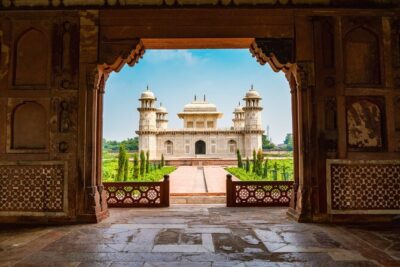
On Day 6, you go to the Taj Mahal with a guide at sunrise and then head back for breakfast. That timing is a big part of why this day feels special. Sunrise light tends to flatter the building and keeps the crowds more manageable than later in the day, so your photos and your attention both improve.
Just note: monument entry is not included, so you’ll need to pay that separately.
Orchha: a change from big-city pace
After breakfast, you drive to Orchha, a smaller town known for temples and medieval palaces. You visit Orchha Fort, and later there is a second Orchha day where you revisit the fort area for the Rama temple, a palace with town views, and some leisure time in town.
This is one of the most interesting parts of the trip because it gives you a break from the heavy temple and palace circuits in the larger cities. Orchha feels more human-scale. You can stand in one place and actually watch daily life move around you.
Khajuraho and Varanasi: carvings, then the Ganga at human speed
This is the section where the itinerary turns from architecture to atmosphere.
Khajuraho temples: art you can read with your eyes
You spend about five hours visiting the western and eastern Khajuraho temple groups. These are UNESCO-listed temple clusters, and the entry fee is not included on this plan.
The value here is time. You get enough hours to move slowly between groups and take in the carvings, not just rush through because the next stop is waiting.
Varanasi: Ganga aarti and boat time
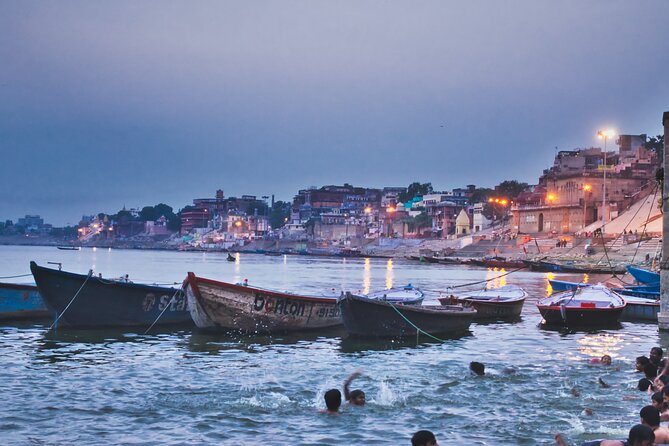
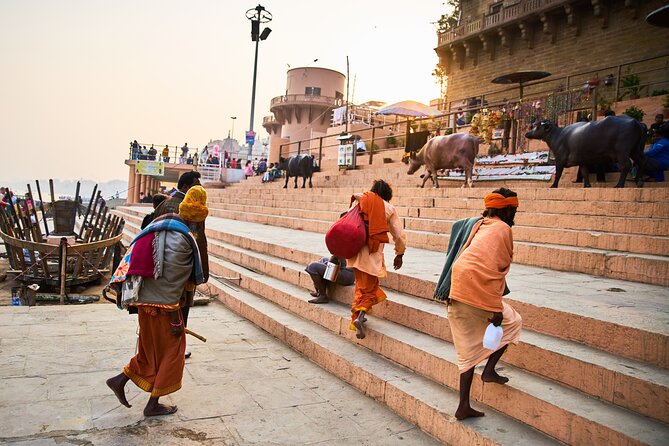
In Varanasi, you get a Ganga aarti ceremony included, where fire is offered to the gods along the river. The tour plan also includes a morning boat ride and says there is also an evening boat ride on the Ganga, which is exactly what you want in a city like this. You need both light and mood.
The boat time is not about being entertained. It is about getting a sense of the ghats and the way life sits right on the river edge, including temples and cremation areas. You also visit Sarnath, associated with Lord Buddha’s first sermon after enlightenment. Alamgir Mosque is another added stop, giving you another faith layer on the same day.
One Varanasi consideration
Varanasi days can be intense: steps, crowds, and sensory overload. If you are sensitive to heat or noise, pace yourself, keep water close, and don’t treat every stop like a sprint.
Crossing into Nepal: Lumbini’s pilgrimage energy
Day 11 is your border crossing into Nepal. The plan says you should prepare a passport photo and 30 USD, and you also have a Nepal visa listed as 30 USD per person that is not included in the tour price. Translation: this part of the journey has paperwork and payments, so plan to stay organized.
You overnight in Lumbini, a Buddhist pilgrimage area.
Lumbini Zone visit
On Day 12, you visit the Lumbini Zone, and entry is free on this plan. Lumbini is important because Buddhist tradition ties it to Queen Mahamayadevi and the birth story of Buddha. The site gives you a different kind of travel feeling, less sightseeing checklist and more quiet reflection space.
Then you drive to Pokhara, the gateway to the Himalaya.
Pokhara: Phewa Lake boat, Devi’s Fall, and Sarangkot sunrise
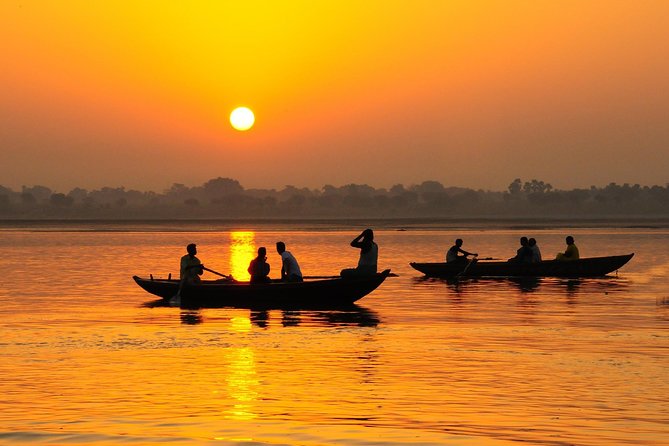
Pokhara is a change of pace, with lake views, waterfalls, and hills.
Phewa Tal boat ride and Annapurna views
You take a boat ride on Phewa Lake and look for Himalayan views associated with the Annapurna massif. This stop is included for admission on this plan. There is also a temple stop at Varahi Temple.
This is the kind of experience that makes sense in a short trip because it gives you big scenery without requiring a multi-day trek. You get the view and the lake atmosphere in a manageable timeframe.
Devi’s Fall and Bindhyabasini Temple
You visit Devi’s Fall, where water disappears and forms a tunnel. You also go to Bindhyabasini Temple, described as the oldest temple in the city and a regular local attraction.
Sarangkot sunrise moderate trekking
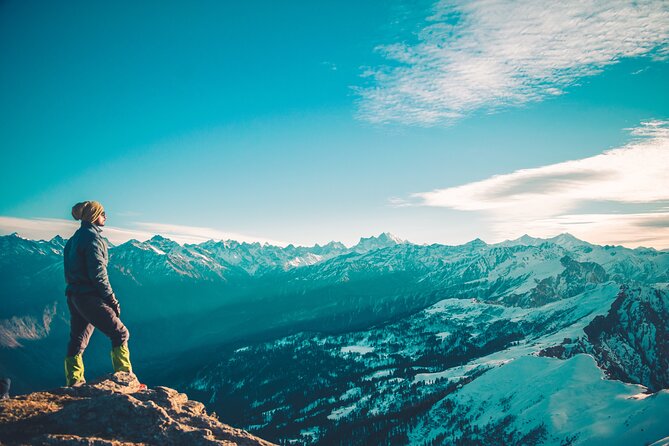
Day 14 includes a moderate trek to Sarangkot for sunrise. Entry is free on this plan. This is another early start moment, but it pays off with one of the easiest ways to feel the valley and the mountain presence in the distance.
After that, you drive to Kathmandu and get an evening at leisure, which is helpful. You need at least some breathing room after hills and early mornings.
Kathmandu Valley: Durbar squares, Swayambhunath, Pashupatinath, Patan, Bhaktapur, and Boudhanath
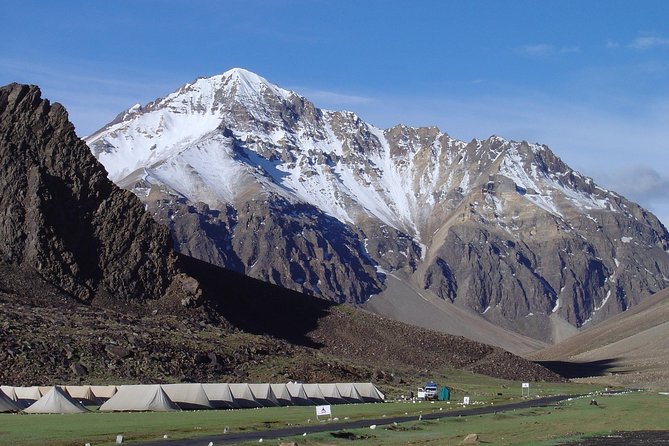
Kathmandu days can feel like you are collecting spiritual landmarks all week. But the way this itinerary is arranged, it moves in clusters, which makes the valley circuit manageable.
Day 15: Durbar Square, Swayambhunath, Pashupatinath
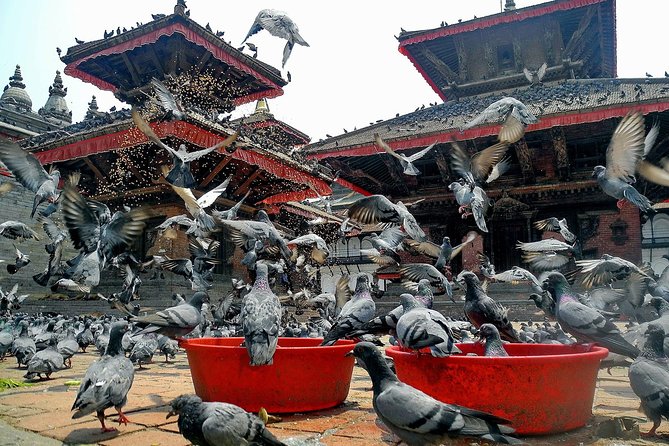
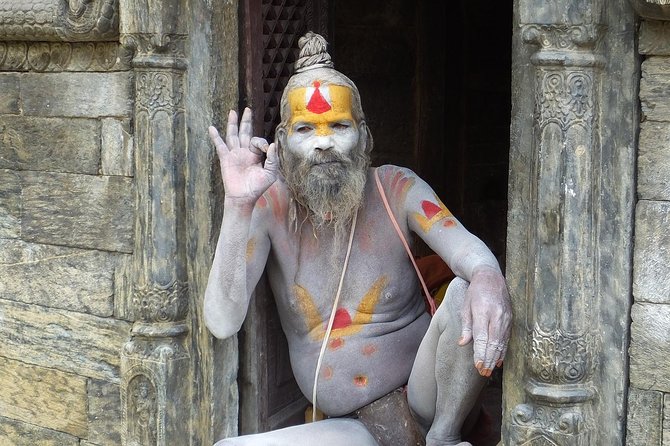
You visit Kathmandu Durbar Square, with admission not included. Then comes Swayambhunath, one of the most important and oldest Buddhist worship sites. Entry is free on this plan, and the stupa is known for the Buddha eyes, which helps you orient even if you do not know the site well.
Finally, you visit Pashupatinath, Nepal’s major Hindu pilgrimage site on the Bagmati river, dedicated to Shiva. Entry is free on this plan.
Day 16: Patan, Bhaktapur, and Boudhanath stupa
You continue to Patan (Lalitpur) Durbar Square, where the square is full of ancient temples and carved shrines, plus the former royal palace complex. After that you go to Bhaktapur, praised for keeping more medieval character.
You end with Boudhanath Stupa, described as the largest spherical stupa in Nepal and the world. The plan also notes over 50 gompas and connections to Tibetan refugees, which adds depth to why the area feels active and communal. Entry is not included for this stop.
What makes this Kathmandu circuit worth it
If you want the Kathmandu Valley without building your own day-by-day plan, this is a strong way to do it. You see both Hindu and Buddhist hubs, plus historic royal square areas that show Nepal’s design language through stone, windows, and carved details.
Hotels, drivers, breakfast, and bottled water: the comfort you actually feel
This trip is set up with a consistent comfort level: three-star hotels every night, each with air conditioning and a private bathroom. You get daily breakfast and bottled water, and you ride in an AC private vehicle with a personal English speaking driver.
For your budget and sanity, that consistency is big. You do not need to wonder if the hotel will be a downgrade or if your next city will require a whole new transport plan. The private driver also helps with the stop-and-go nature of day tours. In places with tight timing like sunrise Taj Mahal, a reliable driver matters.
Also, the tour includes a one international flight from Kathmandu to Delhi, with luggage allowances listed as 20 kg main luggage and 10 kg hand luggage. That closes the loop neatly, so you are not re-entering Nepal logistics at the end.
Price and what you should budget beyond it
At $580 per person, this is not a low-cost trip, but it also is not overpriced for what’s included. You’re covering a lot of ground with multiple hotel nights, AC private transport, local guides in several destinations, a Delhi rickshaw ride, the Varanasi boat experience, breakfast, and the Kathmandu to Delhi flight.
The main extra costs you should plan for:
- Monument entry tickets are not included, with a listed estimate of $200 per person.
- Nepal visa is not included, listed at $30 per person.
- Lunch and dinner are not included at all.
If you like to control costs, you can keep lunch simple and eat where it is convenient. If you prefer nicer dinners every night, that will add up fast in the major cities.
Coordination and communication: how to protect your trip day to day
There is an important theme from feedback around this tour: the itinerary may require more active involvement than a totally hands-off package. That does not mean it is bad. It just means you should take a few steps to keep everything smooth.
Here’s how to do that:
- Confirm pickup times in advance, especially for early moments like sunrise Taj Mahal and Sarangkot.
- Keep your documents and a small travel wallet ready for visa-related payments and any entry fees due.
- If a change happens, ask for the exact plan and timing right away, then write it down or save it on your phone.
Because this itinerary is private, only your group is involved, but the schedule still has many moving parts across two countries.
Who this tour fits best, and who should rethink
This tour makes the most sense if you:
- Want a packed highlights route across Northern India and Nepal in about two and a half weeks.
- Prefer having an English speaking driver and local guides rather than building your own route.
- Like early start moments when the payoff is clear, like sunrise Taj Mahal and Sarangkot.
- Are okay budgeting separately for monument tickets and meals.
You might rethink if you:
- Want a slow, unstructured vacation with lots of downtime in one place.
- Struggle with early mornings and long sightseeing days.
- Expect every admission fee to be included in the base price.
Should you book this India and Nepal highlights trip?
Book it if you want a tightly organized, culturally focused route that still gives you standout moments like Delhi’s rickshaw ride, the Ganga ceremony and boat time in Varanasi, and major Kathmandu Valley sites. The hotel comfort level and AC private transport help you stay functional even when the day starts early.
Consider skipping or adding extra nights on your own if you know you need more breathing room, especially in Varanasi and Kathmandu. For monument tickets and meals, treat extra spending as part of the real trip cost, not an afterthought.
If you like your travel with structure, plus a few big atmosphere hits, this is a strong way to see India and Nepal without losing days to planning.
FAQ
What is the total duration of the tour?
The tour is listed as approximately 17 days.
Where does the tour start and when?
It starts at Indira Gandhi Intl Airport in New Delhi, with a start time of 8:00 am.
Is pickup included in Delhi?
Yes, pickup and drop-off in Delhi are included.
What kind of accommodations are provided?
You sleep in three-star hotels each night with air conditioning and a private bathroom.
Is breakfast included?
Yes, breakfast is included for 17 days, and bottled water is included.
Are monument admission fees included?
No. Admission fees and tickets to monuments are not included, and the listed estimate is $200 per person.
Do I need a Nepal visa?
Yes. The Nepal visa is listed as $30 per person and is not included.
Is there a flight included?
Yes. One international flight from Kathmandu to Delhi is included, with listed luggage allowances.
What experiences are specifically included in Delhi and Varanasi?
You have a rickshaw ride in Delhi and a boat ride in Varanasi (morning and evening).
What should I know about dress for temples and mosques?
You should dress properly for temples and mosques, with arms and legs covered.
Can I cancel and still get a refund?
Yes. Free cancellation is available up to 24 hours before the experience start time for a full refund.
Recently reviewed across New Delhi
- Golden Triangle – Delhi Agra and Jaipur
★ 5.0 · 10 reviews - Taj Mahal & Agra Tour by Indian Bullet Train All Inclusive
★ 4.5 · 10 reviews - Private Tour in Mehrauli Archaeological Park & Qutub Minar
★ 5.0 · 10 reviews - Old & New Delhi Tour
★ 5.0 · 10 reviews - From Delhi : Taj Mahal & Agra Fort Tour by Luxury Express Train
★ 5.0 · 10 reviews - Delhi Shopping Tour: Top Bazaars, Crafts & Souvenir Finds
★ 5.0 · 10 reviews