
REVIEW · ELEPHANT EXPERIENCES
From Agra: SOS Elephant Conservation & Bear Rescue Day Trip
A rescue story in the middle of Agra. This one-day trip links elephant rehabilitation and sloth bear care with close, conservation-focused visits and a documentary that explains what happens after a rescue. I especially liked the chance to watch careful keeper-led animal routines and the solid English guidance that makes the work easy to understand. The main thing to consider is that you are not here for entertainment, and animal handling rules are strict, including no personal feeding.
Logistics are pretty smooth. You get hotel pickup in Agra by a private, air-conditioned car, then you spend the day at the Elephant Conservation and Care Center, break for lunch around Mathura, and finish at Keetham Bear Park. Guides like Sunny and Vishan show up with real care for the subject, and the day runs at a pace that works if you want a meaningful detour from the Taj Mahal grind.
One more reality check: this is an animal welfare experience, not a zoo day. You’ll want to be ready for heat, insects, and time outdoors, and the tour is not suitable for kids under 3, wheelchair users, people with animal allergies, or pregnant women.
In This Review
- Key things to know before you go
- Rescue over rides: what this day trip really feels like
- Hotel pickup and the private car plan that keeps the day sane
- Wildlife SOS elephant center: the slow, careful work you notice up close
- The documentary segment: why it matters more than you think
- Mathura lunch break: a simple reset between two conservation visits
- Keetham Bear Park at the lake: more than animal viewing
- Activities and rules: what you can and cannot do with animals
- Donation fees and where your money fits
- Price and value: is this $32 day trip worth it?
- What to pack for an outdoor wildlife-welfare day
- Who this trip suits, and who should skip it
- Should you book this SOS elephant and bear rescue day trip?
- FAQ
- What are the main stops on the day trip?
- How long is the tour?
- Are meals included?
- Are sanctuary donation fees included?
- What is included besides the visits?
- What should I bring and wear?
- Are there any rules about photos or animal interaction?
- Is the tour in English and is it private?
Key things to know before you go
- Conservation first at both centers, not rides, tricks, or show-style contact
- Keeper-led elephant routines and guided observation of rehabilitation work
- Documentary viewing so you understand medical treatment and rescue pathways
- Keetham Lake setting for bear rescue, with nature walks and wildlife viewing
- A private, guided day with pickup and drop-off around Agra
- Donation fees not included, so your budget should include small extra costs if you want to support care
More elephant visits, reviewed honestly

Rescue over rides: what this day trip really feels like
Agra is famous for big icons. This trip gives you something quieter, and honestly more important, to think about.
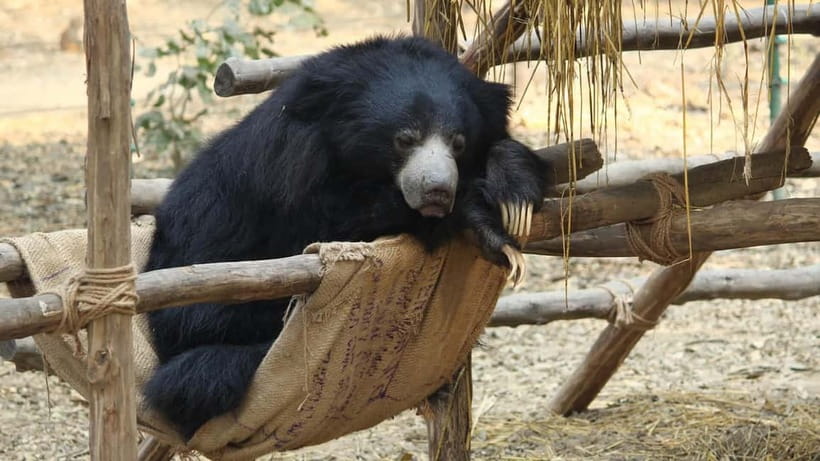
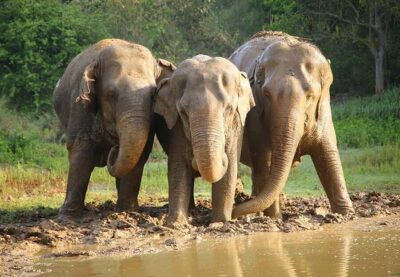
You’ll spend the day learning how rescued elephants and sloth bears are cared for and rehabilitated. The elephant center focuses on elephants that were previously used in ways that caused harm, such as temple work, circus involvement, or transport and domestic use. The bear center takes a similar approach for bears with painful pasts, then offers structured care in a natural setting around Keetham Lake.
The best part is that you see conservation, not performance. You’re close enough to feel the scale of these animals, but the experience is built around treatment, monitoring, and routines. That makes it the kind of tour where you walk away with a changed perspective on what responsible animal tourism should look like.
One practical note: animal contact is limited by rules. You might hear about activities like feeding and bathing, but personal feeding is not allowed. Plan to participate through observation and keeper-guided moments, not hands-on feeding.
Hotel pickup and the private car plan that keeps the day sane
This is a private-group day trip with hotel pickup and drop-off in Agra. You’ll travel by a private air-conditioned car, which matters in this heat and because traffic can be unpredictable.
Pickup options are available around major points in Agra, including Agra Airport, Taj Mahal Metro Station, Agra Cantt Railway Station, and several metro stations inside the city. You’ll also return to one of the drop-off locations at the end of the day, so you’re not hunting for transport after a full day outside.
You start with the elephant conservation center, then you break for lunch around Mathura, then you head to the bear park. That order is smart. You get the most structured animal-welfare learning early, when you’re less tired, and you still end with nature time around Keetham Lake.
Because the tour is one day, pacing is everything. Build your day around it. Don’t stack extra plans right before pickup, and don’t schedule anything critical right after your return.
Wildlife SOS elephant center: the slow, careful work you notice up close
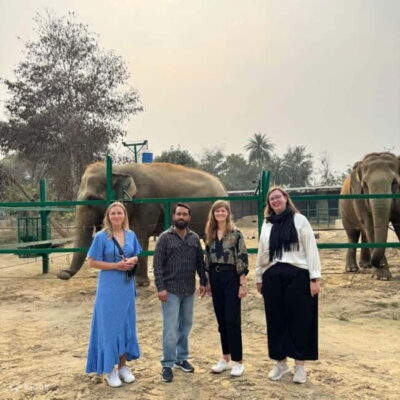
At the Wildlife SOS Elephant Conservation and Care Center, you’ll spend about 4.5 hours. This is the heart of the day, and it’s not rushed in the way many half-day stops are.
You’ll learn the rescue stories first. The elephants you meet have histories tied to exploitation, including being used in temples, circuses, and as transport or domestic animals. The point of this part is not shock for shock’s sake. It’s to show what rehabilitation looks like when the goal is health, safety, and long-term welfare.
After the stories, you move into guided sightseeing and wildlife viewing. You’ll also watch a documentary connected to the rescue programs and the animals’ medical treatments. That documentary piece is valuable because it gives you language for what you’re seeing. Instead of just watching elephants in a space, you understand how care teams think and plan.
In the best runs of the day, the elephant-center guide makes the welfare details clear. In past experiences, guides such as Vishan have explained the centers in a way that feels like you’re learning from someone who cares deeply, not someone reading a script.
The documentary segment: why it matters more than you think
A lot of animal tours show you animals and move on. Here, you spend time with a documentary about rescue work and medical treatment.
That viewing time isn’t filler. It gives context for behavior, routines, and why certain things happen in certain orders. When you learn how rescues are processed and how treatments are approached, you start watching differently. You notice the careful structure of care instead of looking for quick excitement.
If you’re the type who likes to understand before you photograph, this portion will click for you. If you’d rather skip screens, it may still feel worthwhile because it connects the two centers into one shared theme: rescue, rehabilitation, and long-term welfare.
Just keep your expectations aligned. This is a conservation narrative, not a feel-good montage.
Mathura lunch break: a simple reset between two conservation visits
Between the elephant center and the bear park, you’ll have a break in Mathura for about 1.5 hours, including lunch.
This part is practical. You need food and time to cool down, especially if you’re traveling in warmer months. It also gives your brain a change of pace after hours of animal-welfare focus.
Because meals are not included, plan to pick something you feel comfortable with. If you get sensitive stomachs in India, stick to places that look busy with local customers and choose simpler options.
Don’t treat Mathura as a full sightseeing mission on this day. Think of it as a reset button so you can enjoy the bear park nature time at the end.
Keetham Bear Park at the lake: more than animal viewing
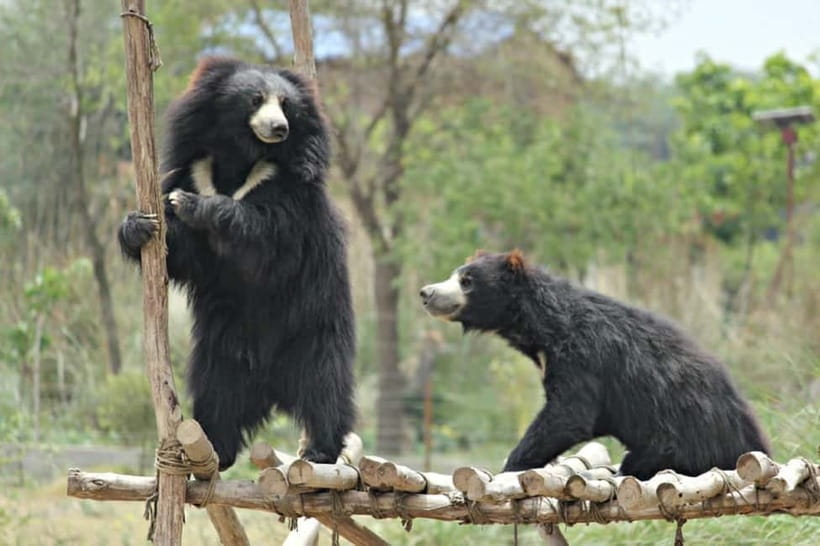
The final major stop is Keetham Bear Park, where you spend about 2 hours. This area is known for its natural setting near Keetham Lake, and it’s a key part of the experience.
You’ll get a guided tour and a walk, plus wildlife viewing. The walk gives you a sense of place, not just a lineup of enclosures. It helps you see how the bear rescue environment is tied to habitat and space, not just holding animals somewhere out of sight.
Bear rescue is often misunderstood because people only think about what bears used to be used for. On this tour, you learn about the past lives of rescued bears and the kind of care they need now. That education makes the difference between feeling sorry and understanding what rehabilitation actually requires.
For me, the best angle here is that you’re watching a conservation system operating in a natural-feeling landscape. You’ll still keep an eye on animal welfare, but you also get a day in India that isn’t only about buildings.
Activities and rules: what you can and cannot do with animals
The experience includes participation in activities like feeding and bathing, but the rules matter. Personal feeding is not allowed, so any feeding you see is keeper-led.
Think of the interaction style like this: you may be present during routine care moments, you may get to watch how keepers handle the process, and you’ll follow instructions from the sanctuary team. You won’t be doing it yourself.
Also note the photography and behavior rules. Flash photography is not allowed. Smoking is not allowed. These rules protect the animals and reduce stress, so it’s worth treating them seriously.
If you’re hoping for close, hands-on contact, adjust your mindset. This is a sanctuary model built on welfare. Your role is mostly observation, learning, and support through donations if you choose.
Donation fees and where your money fits
The tour price covers the guided day and the core visits. What’s not included are the elephant sanctuary donation fee and the bear sanctuary donation fee, plus park entry fees and your meals.
That separation matters for value. The base price gets you transportation, an English-speaking guide, documentary viewing, and organized time in both centers. The donation fees are separate because sanctuaries operate with ongoing care needs, and your optional support helps pay for food, medical care, and staff work.
You might want to bring a little extra cash so you can support without scrambling. If you’re on a strict budget, you can still do the trip and only spend on essentials, but if animal welfare work matters to you, the donation portion is the most direct way to help.
Price and value: is this $32 day trip worth it?
At around $32 per person for a full day, this is priced as a practical “real experience” alternative to typical Agra day excursions. You’re paying for guided conservation visits, private transport, and the time required to visit two specialized centers.
The value equation looks like this:
- You get hotel pickup and drop-off in Agra, so you’re not spending energy figuring out transport.
- You get a wildlife expert guide plus a documentary segment, so you’re not just watching passively.
- You get meaningful stops that connect elephant and bear rescue themes in one itinerary.
Where cost can creep up is meals, and the donation and entry fees that are not included. Still, even with a modest add-on budget, you’re usually paying less than you would for many “animal encounters” elsewhere that promise interaction but deliver questionable welfare.
If you care about animal ethics, this tour is one of the more solid choices you can make in Agra beyond the main sights.
What to pack for an outdoor wildlife-welfare day
You’ll be outside for multiple hours, so bring what keeps you comfortable and safe:
- A hat
- Sunscreen
- Water
- Insect repellent
- Comfortable clothes
- A camera if you want, but remember flash is not allowed
Also plan for quiet moments when you’ll want to sit or watch. Your feet will likely do most of the work during the bear park walk.
If you’re sensitive to sun, treat this as a full-day outdoor plan. No last-minute outfit decisions.
Who this trip suits, and who should skip it
This is a good fit if you want:
- A conservation-centered day in Agra
- Guided explanations in English
- A structured visit to both elephant and bear rescue environments
- A private day plan that starts with pickup and ends with drop-off
It may not be a good fit if:
- You have animal allergies
- You need wheelchair accessibility
- You are pregnant
- You’re traveling with kids under 3 years old
Even if you’re healthy, be realistic about heat and time outdoors. Bring water, use sunscreen, and take pauses when the group does.
Should you book this SOS elephant and bear rescue day trip?
Book it if you want a day that feels purposeful. If you’re tired of checking boxes and want something that teaches you how rehabilitation and animal welfare work, this is a strong choice. The elephant and bear rescue centers give you a conservation view that fits well with Agra, even if it’s not what most people plan.
Skip it if you’re mainly seeking entertainment, hands-on animal interaction, or a super flexible sightseeing schedule. The rules around feeding and flash photography, and the welfare-first approach, mean the day is calmer and more instructional than you might expect.
If you do book, go with respect for the animals and curiosity for the stories. And consider setting aside a little extra for sanctuary donations, because that’s where your support turns into real care.
FAQ
What are the main stops on the day trip?
You visit the Wildlife SOS Elephant Conservation and Care Center, take a break in Mathura for lunch, and then go to Keetham Bear Park for a guided visit and walk.
How long is the tour?
The duration is 1 day.
Are meals included?
No, meals are not included.
Are sanctuary donation fees included?
No. Donation fees for the elephant and bear sanctuaries are not included.
What is included besides the visits?
The tour includes hotel pickup and drop-off, a private air-conditioned car, a wildlife expert guide, and documentary viewing. A donation fee and park entry fees are not included.
What should I bring and wear?
Bring a hat, camera, sunscreen, water, comfortable clothes, and insect repellent.
Are there any rules about photos or animal interaction?
Flash photography is not allowed. Smoking is not allowed. Feeding animals is not allowed.
Is the tour in English and is it private?
Yes, the live tour guide is English, and the group type is private.
Elephants in Mathura, Reviewed

Recently reviewed across Mathura
- From Delhi : Elephant Conservation and Care Centre -Wildlife
★ 4.7 · 11 reviews - From Delhi: Sunrise Taj Mahal Tour with Elephant SOS Center
★ 4.9 · 12 reviews - Delhi: Sunrise Taj Mahal & Elephant SOS Tour with Transfers
★ 4.6 · 15 reviews
Elephant Experiences, compared.
 ★ 5.0Private Elephant SanctuaryFrom $80390 reviews
 ★ 5.0Anakulam Wild Elephant Village life tour ( By Munnar Info)From $70344 reviews
 ★ 4.9Taj Mahal Sunrise Tour with Elephant SOS CenterFrom $27159 reviews
 ★ 5.0Sunrise Taj Mahal & Elephant conservation – All InclusiveFrom $39119 reviews
 ★ 5.0Wild Elephant Anakulam & Waterfalls Tour(munnar valley Trekking)From $7098 reviews
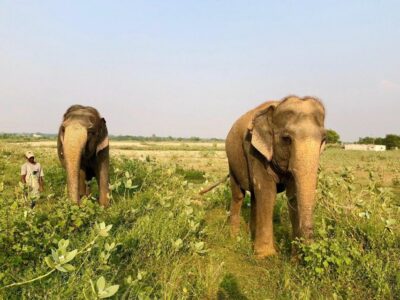 ★ 4.8Visit to Wildlife SOS Elephant Conservation TripFrom $2647 reviews
 ★ 4.9Elefantastic Elephant Sanctuary TourFrom $7144 reviews
 ★ 5.0Taj Mahal Sunrise Tour with Elephant Conservation From DelhiFrom $17038 reviews
Browse the lists this tour appears in