
REVIEW · GOLDEN TRIANGLE TOURS
Golden Triangle Tour India
Golden Triangle Tours India is a smart way to see the big three cities without playing logistics roulette. What makes it interesting is the private transportation and organized flow between Delhi, Agra, and Jaipur, plus a traditional welcome at the airport. I especially like the mix of monuments, viewpoints, and food and craft stops, and I appreciate the 5 nights in 3-star hotels paired with daily breakfast so your mornings start easy. One drawback to plan for, though, is that monument entrance fees are not included and can add up fast.
You get a guided day-by-day structure that keeps you from wasting hours figuring out routes, bargaining, and ticket lines. I also like that the tour includes practical basics like parking, airport related taxes, and two 500 ml water bottles daily, which is genuinely helpful in India’s heat. The main tradeoff is pace: several days pack in a lot of stops, so if you want long, slow museum time, you might feel rushed.
This is offered as a private tour for your group, with pickup support, an air-conditioned vehicle, and a language guide if you request it. If you’re the kind of traveler who likes seeing the headline sites first, then adding personality through markets and crafts, this fits very well.
In This Review
- Key highlights and what they mean in real life
- Golden Triangle in six days, what to expect
- Arrival in Delhi, the welcome you can feel
- Delhi landmarks day, beyond the postcard
- Chandni Chowk and Dilli Haat, the market hits
- Agra: Taj Mahal, Agra Fort, and the Mughal story chain
- Jaipur: Amber Fort views, stepwell curiosity, and royal memorials
- Hawa Mahal, City Palace, and the science stop that most people skip
- Shopping and culture: Albert Hall and Jaipur cottage industries
- Back to Delhi: a built-in buffer day
- Final Delhi day: Humayun’s Tomb, Qutub Minar, and the Red Fort payoff
- Costs: the $275 price is just the base
- Getting around safely and comfortably with a private driver
- Who this tour suits best, and who should think twice
- Should you book Golden Triangle Tours India?
- FAQ
- What cities does this Golden Triangle tour cover?
- What is included in the tour price?
- Are monument entrance fees included?
- Is there pickup and private transportation?
- Is this tour private or shared with other groups?
- Where do you meet, and where does it end?
- Is there a camera fee?
- Can I cancel for a full refund?
Key highlights and what they mean in real life
- Private AC car and hotel transfers: less time spent stuck in traffic without a plan.
- Airport welcome with a garland: a small touch that helps you feel looked after on arrival.
- Major UNESCO stops in the right order: Taj Mahal, Agra Fort, and big Mughal landmarks around Delhi.
- Jaipur’s best photo stops built in: Hawa Mahal views, Jal Mahal, and hilltop fort scenery.
- A mix of paid and free entry sites: you can manage your budget by choosing which ticketed places to prioritize.
- Shopping and craft time in both Delhi and Jaipur: a practical way to buy gifts without detours.
Golden Triangle itineraries, three to eight days
Golden Triangle in six days, what to expect
This tour takes you through the center of India’s most famous circuit: Delhi, Agra, and Jaipur. The idea is simple. You’ll see the headline monuments most people come for, then fill the gaps with markets, memorials, and architecture you’d struggle to connect on your own without wasting time.
The duration is about 6 days, with 5 nights of lodging in 3-star hotels and breakfast included for 5 days. Breakfast matters more than it sounds. It reduces your daily decision fatigue and helps keep the schedule moving, especially on days with many stops.
Pace is the biggest thing you’ll notice. Some days include a stack of sights back-to-back, with each one given a set time window. That can be great if you like momentum. If you prefer slow wandering, you’ll want to be ready to treat this as a high-impact highlights trip, not a one-city deep study.
Arrival in Delhi, the welcome you can feel
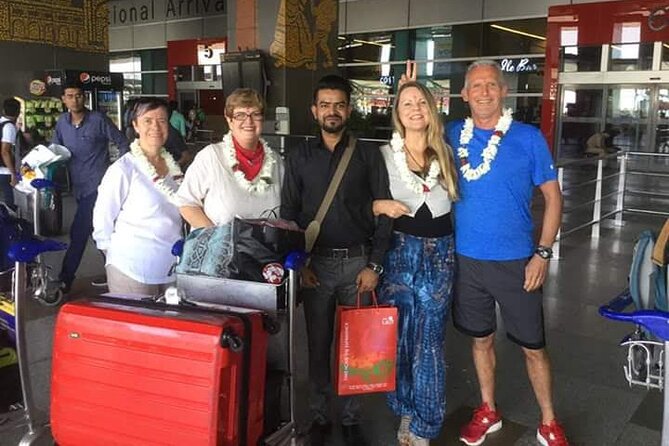
Your trip begins when you arrive at Delhi International Airport. You’ll meet an Indiancircle Tours representative for a traditional airport welcome with a garland, then transfer to your hotel for check-in. That first handoff is worth paying attention to because it sets the tone. Arrivals in big cities can feel chaotic, and having someone guide you through the first steps usually makes everything else smoother.
Transportation is handled with a private vehicle that’s air-conditioned, plus parking fees and driver allowance are included. In practical terms, that means less hassle and fewer moments where you’re stuck asking strangers for directions while carrying bags and sweltering.
You also get daily drinking water provided, which is a small detail that makes a real difference during sightseeing days. And since the tour includes a language guide if you request one, you can match the level of explanation to what you want.
Delhi landmarks day, beyond the postcard
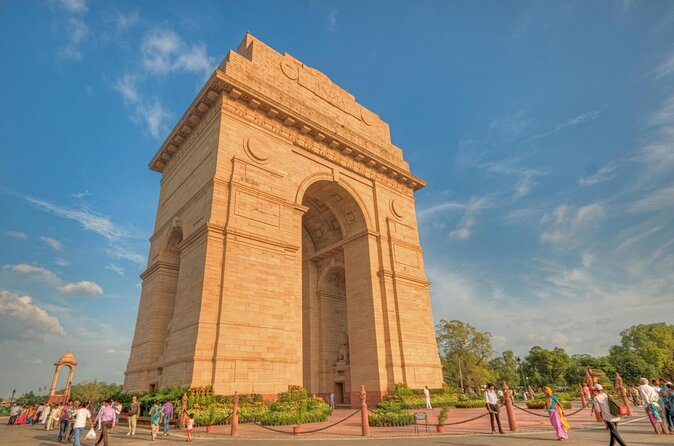
Delhi gets two full day blocks in this plan, and that’s a good thing. You’re not just doing one quick drive-by. You start with central landmarks like India Gate, where you can slow down in the park area near the war memorial. It’s a rare moment where the schedule pauses long enough for reflection, not just photos.
From there you pass by key political landmarks, including the Rashtrapati Bhavan (Presidential Residence) and Parliament House. Even if you do not go inside, the sightlines help you understand how the city is laid out around power and ceremony.
Later, Delhi’s main spiritual and Mughal-era highlights show up in a second set of stops. You’ll visit Raj Ghat, the memorial to Mahatma Gandhi. The simplicity is the point here, and the short time window still gives you a chance to feel the contrast between the modest memorial and the huge impact it represents.
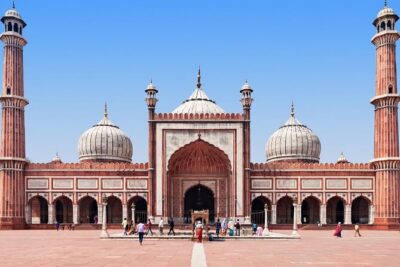
You also tour Jama Masjid, one of India’s largest mosques. It’s an architectural stop, not a “rush in and out” moment, but the time window is kept tight. If you’re sensitive to crowds, go with patient expectations and plan your photos early.
- Old & New Delhi City Tour – Half or Full Day Options Available★ 5.0 · 4,811 reviews
- Taj Mahal Tour from Delhi by Express Train (Viator Award Winner)★ 5.0 · 2,849 reviews
- Same Day Taj Mahal, Fort & Baby Taj Tour from Delhi by Car★ 4.9 · 2,534 reviews
- From Delhi: Taj Mahal and Agra Fort Private Sunrise Tour★ 4.9 · 2,270 reviews
- Sunrise Taj Mahal, Agra Fort & Baby Taj Tour from Delhi by Car★ 5.0 · 2,243 reviews
Chandni Chowk and Dilli Haat, the market hits
One of my favorite parts of this kind of tour is when it includes at least two market styles in different city moods. This plan does it. You’ll spend time in Chandni Chowk, and later you’ll have time at Dilli Haat.
Chandni Chowk is classic Old Delhi. You navigate narrow lanes, see everyday life up close, and you can sample street food if you choose to. The main “gotcha” is sensory overload. It can feel intense fast, so it helps to go in with a loose plan: focus on one or two items you genuinely want, and don’t try to snack your way through every stall.
Dilli Haat is a different energy, more market-with-culture than pure chaos. Since it’s included as a stop with free entry, it’s a good way to shop without stacking extra ticket costs on top of your day.
In both places, you’ll get the most value if you treat shopping as a chance to learn, not just buy. Look for the craft details, ask questions about what you’re seeing, and keep your budget head clear.
Agra: Taj Mahal, Agra Fort, and the Mughal story chain
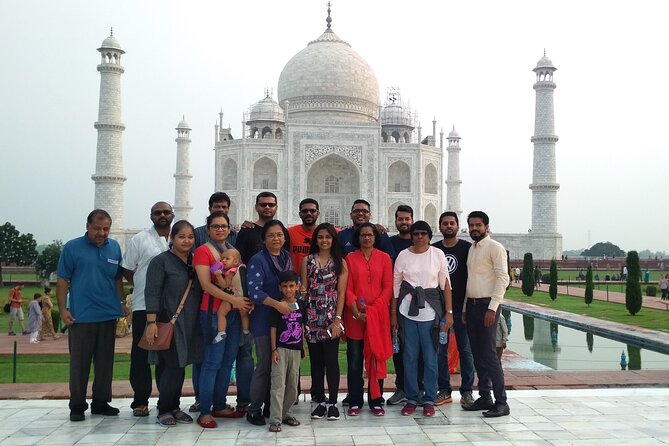
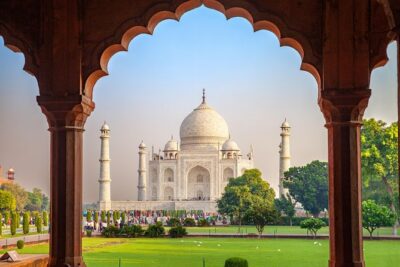
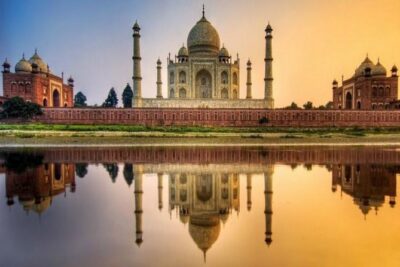
Agra is built around the Taj Mahal, and that’s the right anchor. The tour schedules you to spend time at the Taj Mahal, then follow it up with Agra Fort and Itmad-ud-Daula, often called the Baby Taj. That sequence helps the story connect. You’re not just seeing a single monument. You’re seeing different layers of Mughal power, craftsmanship, and symbolism.
The Taj Mahal stop is timed at about 2 hours, and the entrance ticket is not included. Even with that extra cost, the time allocation is enough to take in the symmetry, the marble work, and the calm rhythm of the grounds. If you’re trying to maximize photos, I’d go early in your day mindset so lighting and crowd flow feel more manageable.
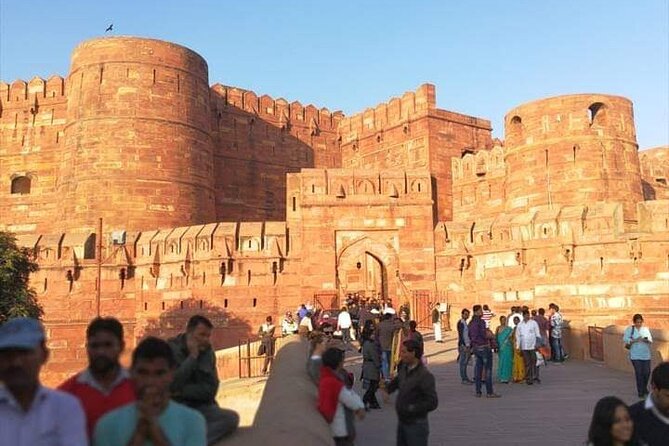
Next, Agra Fort gives you the heavier, fortified side of Mughal life. It’s a UNESCO site, with red sandstone architecture and palace-like spaces. You’ll also get certain viewpoints where the Taj Mahal appears from specific angles, so you can compare how the city’s landmarks relate to each other.
Then comes Itmad-ud-Daula, with about 1 hour on site. It’s smaller and more intimate than the Taj, and that contrast is useful. After the “wow” factor of the main mausoleum, you start noticing details in the design and craftsmanship.
A practical note: Agra days can feel warmer than Delhi, so plan your pace. Wear comfortable shoes, bring sun protection, and keep water close.
Jaipur: Amber Fort views, stepwell curiosity, and royal memorials
Jaipur’s day is long, packed, and built around variety: forts, palaces, stepwells, observatories, and iconic facades. It works best if you treat it like a buffet. Sample a little of each thing, then return later on your own to the one you loved most.
The anchor here is Amber Fort. You get about 2 hours, which is the right amount for a hilltop site where you want time to explore courtyards and interiors. The fort gives you a grand, cinematic view over the surrounding area, and you’ll understand why it became a royal stronghold.
Next, Panna Meena ka Kund is a stepwell with geometric design. This is one of those stops that can be surprisingly memorable because it looks like a puzzle made of stone. It’s short, about 30 minutes, so you don’t have to commit your whole afternoon to it.
Then you visit the Royal Gaitor Tumbas, where marble cenotaphs honor Jaipur’s rulers. It’s not flashy in the same way as the forts, but that quieter style is a nice change of pace in a jammed schedule.
Hawa Mahal, City Palace, and the science stop that most people skip
Jaipur keeps the famous faces coming. You’ll see Jal Mahal from outside, a palace that looks like it floats on Man Sagar Lake. It’s scheduled at about 30 minutes with free entry. It’s worth it mostly for the effect. Go when the light feels best and spend your time on the viewpoint rather than rushing.
Then City Palace is included with a longer stop, about 1 hour 30 minutes. This is where you get a better sense of the mix of Rajput and Mughal influences in the same place. The museums and royal chambers help you understand that Jaipur’s story is not only about one fort or one facade.
After that, Jantar Mantar shows up. It’s an astronomical observatory and UNESCO World Heritage Site. You might not expect to care about ancient instruments, but giving it time makes you see why it mattered. Even if you don’t go deep into math and astronomy, you’ll recognize it as a serious attempt to measure the sky.
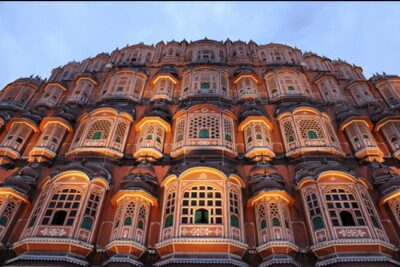
Finally, Hawa Mahal gives you the iconic facade with 953 windows. The stop is timed at about 1 hour. Don’t just photograph the front. Look for how the windows shape light and airflow, and you’ll get the design logic.
Shopping and culture: Albert Hall and Jaipur cottage industries
Jaipur also includes a culture stop that breaks up the architecture stream: Albert Hall Museum. The plan gives you about 30 minutes there. Since entrance is not included, you’ll be deciding whether it’s worth the ticket cost for you, but it’s a decent choice if you want a quick overview of Rajasthani arts and artifacts.
Then there’s a shopping stop at Rajasthan Cottage Industries, scheduled at about 1 hour with free entry. This is where you can browse gemstones, textiles, and local crafts. It’s also a good moment to check your souvenir list because it happens with time carved out on the schedule, not as an afterthought while rushing for the next site.
At the end, the tour concludes this day around Patrika Gate, a colorful monument honoring Rajasthan’s cultural heritage. It’s a nice visual finish when you’re walking out of a long day.
Back to Delhi: a built-in buffer day
After Jaipur, the plan drives you back to Delhi. You’ll check out, then return to a pre-booked Delhi hotel for check-in and rest. Then you get a free day at leisure.
That free time is not filler. It’s useful for recovering from long sightseeing days. It’s also your chance to revisit one site that you loved or to explore a neighborhood at your own speed. If you’re someone who gets tired when schedules feel too tight, this day helps balance the pace of the trip.
When you have a free day, you’ll benefit most if you keep your plan simple: one local museum, one neighborhood walk, or a market session. Don’t overbook, because your next day still includes major landmarks.
Final Delhi day: Humayun’s Tomb, Qutub Minar, and the Red Fort payoff
On your last sighting day, Delhi leans heavily into Mughal and historic monuments. You’ll visit Jama Masjid earlier in the day sequence, then hit Red Fort, which is a UNESCO site and was a Mughal seat of power for centuries. The stop is about 1 hour, and it’s timed well because the main experience is walking ramparts and absorbing the scale.
Next, you go to Lotus Temple, known for its distinctive lotus-shaped design and a Bahá’í House of Worship. It’s about 1 hour. This is a calm pause in the middle of a heavy historical day, and that’s part of why it works.
Then comes Humayun’s Tomb, UNESCO listed, with about 30 minutes. The tour frames it as influential architecture for later Mughal design, and the gardens help you reset your brain between big-ticket sights.
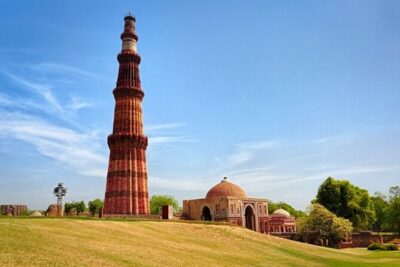
Finally, you end at Qutub Minar and Complex. It’s a long stop, about 1 hour 30 minutes, with multiple structures you’ll be able to see in the same visit. If you only did one “ancient Delhi” site, Qutub Minar is the kind that makes the case for visiting multiple centuries of architecture in a single complex.
Costs: the $275 price is just the base
The headline price is $275 per person for about 6 days, including 5 nights in 3-star hotels, breakfast, private AC transport, parking, airport related taxes, daily water, and a traditionally welcome garland at arrival. That base price is decent for what you’re getting, especially because it removes a lot of daily logistics work.
But plan your budget around the fact that monument entrance fees are not included. The tour also lists a general entrance fee line of $67.65 per person, and then provides itemized tickets for major stops like:
- Taj Mahal: $15.66
- Agra Fort: $7.83
- Itmad-ud-Daula: $3.73
- Amer (Amber) Fort: $6.02
- City Palace: $8.43
- Jantar Mantar: $2.41
- Qutub Minar: $7.33
- Red Fort: $7.23
- Humayun’s Tomb: $7.23
- plus Albert Hall Museum and others listed
Add those up and you’re looking at roughly the low-to-mid $70s range in ticket costs, depending on exactly which paid sites you cover. On top of that, there’s a camera fee of $50 listed for monuments, and tips are not included.
If you’re a “pay once and forget it” traveler, this fee structure can feel annoying. If you’re okay budgeting as you go, it’s manageable.
Getting around safely and comfortably with a private driver
This tour leans on comfort by using a private car with air-conditioning, plus all driver allowance included. It means you’re not waiting around for public transport timing, and you’re not stuck hunting for a driver between cities.
A private setup also helps on long days with multiple stops, because your driver can drop you close to each site and keep the schedule moving. The tradeoff is that the schedule is still the schedule. When a day includes many stops, you’ll feel it most in how much time you spend moving and waiting between gates.
If you want the trip to feel less hectic, you can do something simple: arrive early at each stop when allowed, and use your time wisely. Don’t burn your whole time standing at the entrance reading every sign.
Who this tour suits best, and who should think twice
This is a strong fit for you if:
- you want the big Golden Triangle sights in one trip
- you appreciate private transport and organized timing
- you like a blend of monuments and markets
- you’re fine adding separate ticket costs for major landmarks
It may be less ideal if:
- you want slow, deep museum time and long stays at fewer sites
- you’re trying to travel with a tight all-in budget that assumes the $275 is everything
- you dislike structured shopping stops, since the plan includes market and craft time in both cities
Also, because it’s scheduled with many major sites, it tends to suit travelers who enjoy checklists. If you’re more of a wander-at-will person, you might want a more flexible version.
Should you book Golden Triangle Tours India?
I’d book this tour if you want a clean, organized way to hit Delhi, Agra, and Jaipur without negotiating transportation between cities. The base price includes the heavy lifting: hotels, breakfast, private AC driving, airport welcome, and water. That’s real value for a 6-day highlights trip.
Before you commit, budget for monument entrances and plan for a few long sightseeing days. If you’re the kind of traveler who brings comfortable shoes, keeps expectations realistic, and treats markets as part of the experience rather than a chore, you’ll likely enjoy how the tour connects big monuments with everyday India.
If you want, tell me your travel month and your priorities, Taj Mahal photos versus forts versus markets, and I can suggest which ticketed stops are most worth your time and money.
FAQ
What cities does this Golden Triangle tour cover?
It covers Delhi, Agra, and Jaipur over approximately 6 days.
What is included in the tour price?
Included are GST, parking fees, airport/departure tax, a language guide as per guest requirement, daily drinking water (2 bottles of 500 ml per person), a traditionally welcome garland at the airport, all driver allowance, private transportation, an air-conditioned vehicle, 5 nights accommodation in 3-star hotels, and breakfast (5).
Are monument entrance fees included?
No. Monument entrance fees are not included. The tour lists separate entrance fees for sites such as Taj Mahal, Agra Fort, Itmad-ud-Daula (Baby Taj), Amer (Amber) Fort, Jantar Mantar, City Palace, Albert Hall Museum, Qutub Minar, Red Fort, and Humayun’s Tomb.
Is there pickup and private transportation?
Yes. Pickup is offered, and the tour includes private transportation by air-conditioned vehicle.
Is this tour private or shared with other groups?
This is listed as a private tour/activity, meaning only your group will participate.
Where do you meet, and where does it end?
The start is at Indira Gandhi International Airport Metro Station, Delhi. The activity ends back at the meeting point. A ticket redemption point is also listed at Indiancircle Tours, Subhash Market, Trilokpuri, New Delhi.
Is there a camera fee?
Yes. The tour lists any camera fee at monuments: 50 USD.
Can I cancel for a full refund?
Yes, there is free cancellation. You can cancel up to 24 hours in advance for a full refund. If you cancel less than 24 hours before the start time, the amount paid is not refunded.
The Golden Triangle, Longer and Shorter




Recently reviewed across New Delhi
- Golden Triangle – Delhi Agra and Jaipur
★ 5.0 · 10 reviews - Taj Mahal & Agra Tour by Indian Bullet Train All Inclusive
★ 4.5 · 10 reviews - Private Tour in Mehrauli Archaeological Park & Qutub Minar
★ 5.0 · 10 reviews - Old & New Delhi Tour
★ 5.0 · 10 reviews - From Delhi : Taj Mahal & Agra Fort Tour by Luxury Express Train
★ 5.0 · 10 reviews - Delhi Shopping Tour: Top Bazaars, Crafts & Souvenir Finds
★ 5.0 · 10 reviews
Golden Triangle Tours, compared.
 ★ 5.03-Days Private Golden Triangle Tour: Delhi, Agra & Jaipur by CarFrom $1271,098 reviews
 ★ 5.03-Day Delhi, Agra and Jaipur Private Tour – India Golden TriangleFrom $110812 reviews
 ★ 5.0Four-Day Private Luxury Golden Triangle Tour to Agra and Jaipur From New DelhiFrom $160807 reviews
 ★ 5.05 Nights 6 Days Private Golden Triangle Tour – Delhi Agra JaipurFrom $240574 reviews
 ★ 5.04 Days Golden Triangle TourFrom $146499 reviews
 ★ 5.0Private Car and Drive for Golden Triangle (4N/5D)From $167451 reviews
 ★ 5.0Private Golden Triangle Tour Delhi Agra Jaipur ( Top Rated )From $148436 reviews
 ★ 5.03-Day Private Luxury Golden Triangle Tour to Agra and Jaipur From New DelhiFrom $164424 reviews
Browse the lists this tour appears in