
REVIEW · INDIAN STREET FOOD TOURS
Heritage Walk, Local Markets & Food Tasting – Non Touristy
Udaipur has a lot of pretty to look at. This experience adds something better, you get the everyday Udaipur through food, crafts, and old temples.
I love the way the walk mixes local markets with proper food tasting, so you’re not just eating, you’re learning what you’re eating. I also like the focus on the older lanes around Jagdish Chowk, where the architecture and small community workshops make the city feel lived-in.
One thing to keep in mind, it’s a 2.5 to 3 hour walking route over about 3 km on old streets. If you have limited mobility or hate crowded lanes, you may find the pace a bit much.
In This Review
- 5 key points before you go
- Why This Heritage Walk Feels Local, Not Tourist-Loud
- Meeting at Ganesh Art Emporium and Starting at Jagdish Chowk
- The Old-City Lanes: Jagdish Chowk, Tinker Street, and Hidden Texture
- Rao Ji ka Hata Road: Tea, Breakfast Bites, and Craft Market Energy
- Ghanta Ghar to Clock Tower: Snack Stops and Landmark Glimpses
- Step Wells, Haveli Details, and the Architecture You’ll Actually Notice
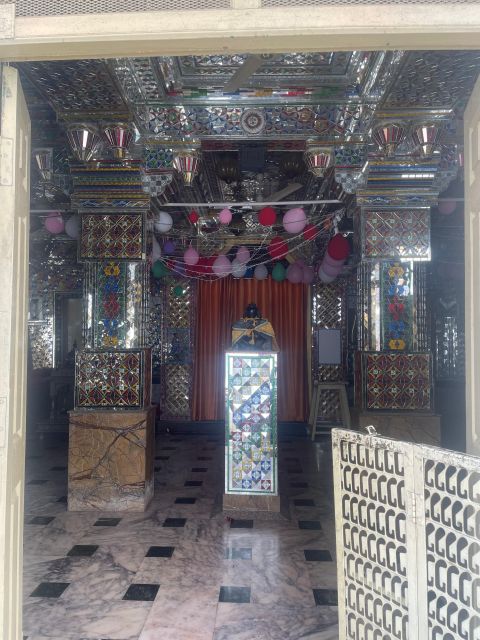
- Jain Temple Visit and the Stories Behind the Symbols
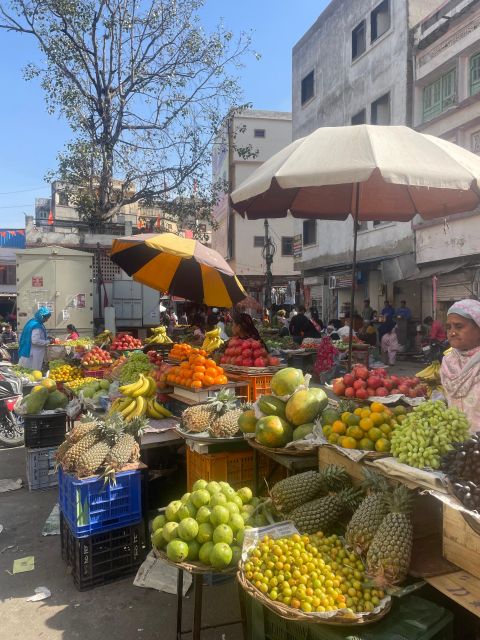
- Markets With a Purpose: Fruits, Spices, Potters, and Bamboo Work
- What You’ll Eat: Samosa, Kachori, Poha, Lassi, Chai, and Gulab Jamun
- The Cow Question, Cow Cuddling, and Cultural Q&A That Changes How You See Streets
- Glass Inlay Work and Craft History in One Pass
- Price and Value: $24 for 2.5 to 3 Hours in the Old City
- Practical Tips So You Enjoy the Walk More Than You Endure It
- Who This Tour Is Best For, and Who Might Want a Different Option
- Should You Book This Heritage Walk and Food Tasting?
- FAQ
- How long is the heritage walk and food tasting?
- Is the food tasting vegetarian?
- Where do we meet, and where does the tour end?
- What’s included in the $24 price?
- What languages does the guide speak?
- What should I wear for the walk?
5 key points before you go
- Ganesh Art Emporium start point right by Jagdish Chowk, easy to orient yourself fast
- 7+ food stops with safe, hygienic vegetarian street food and sweets included
- 3 km, mostly old-city lanes, so comfortable shoes matter
- Craft and culture stops like glass inlay work, potters, bamboo art, and biodegradable plate makers
- Food plus stories about festivals, architecture, and cultural questions like why cows are holy
Shortlisting? Every Udaipur trip below went through the same review.


Why This Heritage Walk Feels Local, Not Tourist-Loud
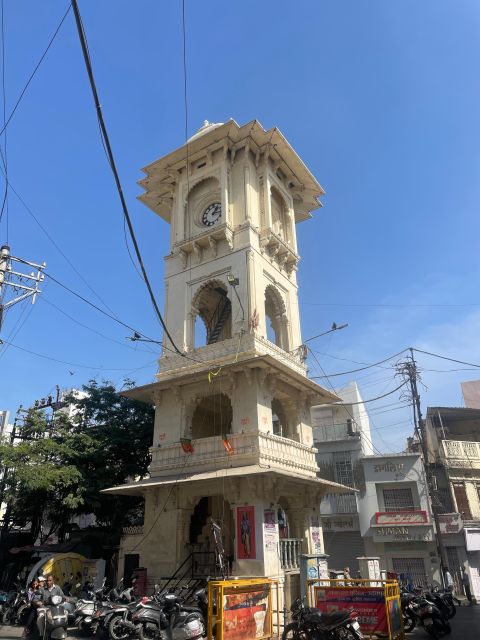
If you want Udaipur as more than postcards, this is a smart choice. The route is built around daily life, the kind you’d normally miss unless you already know where to wander.
You’ll see how people shop and snack in the old city, and you’ll taste your way through it. That combo matters because street food without context can feel like random bites. Here, the guide ties the food to ingredients, preparation, and local habits.
Also, it’s not only about food. You get older temples and architecture cues, plus craft workshops where the design is the point, not a souvenir afterthought.
Meeting at Ganesh Art Emporium and Starting at Jagdish Chowk
The walk begins at Ganesh Art Emporium, diagonally opposite Jagdish Temple near Jagdish Chowk, toward the clock tower. It’s a good start because you’re right in the historic center, with landmarks close enough to help you get your bearings.
From there, you move through the old lanes where the city’s rhythm becomes obvious. This is the kind of walk where you look up at details you’d normally ignore, like doorways, wall textures, and the way shops spill into the street.
The ending is the same spot, back near Jagdish Temple at Ganesh Art Emporium. That helps you keep your day simple, no guessing where the tour finishes or how far you’ll be from your next plan.
The Old-City Lanes: Jagdish Chowk, Tinker Street, and Hidden Texture
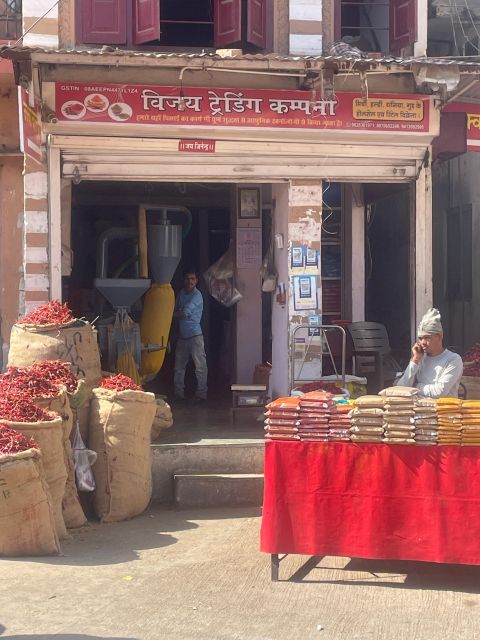
As you head through the center, you’ll pass Jagdish Chowk, then continue into tighter lanes like Tinker Street. These areas aren’t famous for big views, but they’re excellent for atmosphere, the stuff you feel in your feet and nose before you even notice details.
The guide keeps pointing out what to watch for, like the way markets cluster by purpose. When you understand that pattern, the old city stops feeling chaotic and starts feeling logical.
You’ll also get your first taste of the craft-and-religion mix that makes Udaipur special. Temples and workshops sit close together here, so the day doesn’t switch gears. It just keeps rolling.
- Udaipur: Full Day Private City Tour with Optional Boat Ride★ 4.7 · 130 reviews
- Kumbhalgarh & Ranakpur Day Trip from Udaipur with Guide and Lunch★ 5.0 · 125 reviews
- Udaipur Sightseeing Tour★ 5.0 · 122 reviews
- Udaipur Sightseeing Tour By Car With Guide★ 5.0 · 113 reviews
- Private Udaipur Sightseeing Tour by Tuk-Tuk or Car with Driver★ 5.0 · 112 reviews
Rao Ji ka Hata Road: Tea, Breakfast Bites, and Craft Market Energy
One of the main rhythm points is Rao Ji ka Hata Road, where the tour leans into snacks and local market life. Expect a stop for tea and breakfast, then small tastings that build your appetite gradually rather than dumping everything on you at once.
This is also where the guide’s job gets interesting. Street food here isn’t just taste, it’s technique, and the guide talks about ingredients and basic preparation along the way. That makes even familiar items feel new because you’ll know what to look for, like what chutney brings to the flavor or how a snack is built.
You’ll likely also pass through or near areas tied to arts and crafts shopping. It’s a useful part of the day because you learn what materials and finishes look like in real workshops, not just in storefront photos.
Ghanta Ghar to Clock Tower: Snack Stops and Landmark Glimpses
You’ll reach Ghanta Ghar (clock tower area) during the walk, with a shorter tasting break there. The timing is tight enough that the stop feels focused, not rushed, so you’re not standing around waiting for the group.
After that, the route continues with more old-city landmarks in the background. You’ll have chances to look toward the broader clock tower area as you move, and that helps you understand how the lanes connect.
This portion is where you get a feel for Udaipur’s daily schedule. Market activity changes by time of day, so moving through this part of the city on the tour timing helps you catch the energy without it being overwhelming.
Step Wells, Haveli Details, and the Architecture You’ll Actually Notice
Old Udaipur has architecture that rewards looking slowly. On this walk, you don’t just glance past it, you get called toward details like a step well and haveli architecture.
A haveli isn’t just a pretty house. It’s a clue to wealth, community design, and how families lived in the city. The guide points out features you’d likely miss on your own, like how the building’s structure and decorations reflect cultural priorities.
If you like photos, this is the stretch where you’ll want to pause. The settings for close-up shots are great, from carved elements to doorway textures and craft textures.
Jain Temple Visit and the Stories Behind the Symbols
The walk includes a visit to a historic Jain temple, with explanation along the way. Religion in India can feel like a lot at once, but a guided stop helps you connect symbols to the meaning behind them.
You’ll also hear cultural context that makes the rest of the day click. When the guide explains festival ideas or cultural rules, you understand why people act the way they do around shrines and marketplaces.
Even if you don’t consider yourself a temple person, this stop helps you read the city better. You start noticing how worship and daily life share the same streets.
Markets With a Purpose: Fruits, Spices, Potters, and Bamboo Work
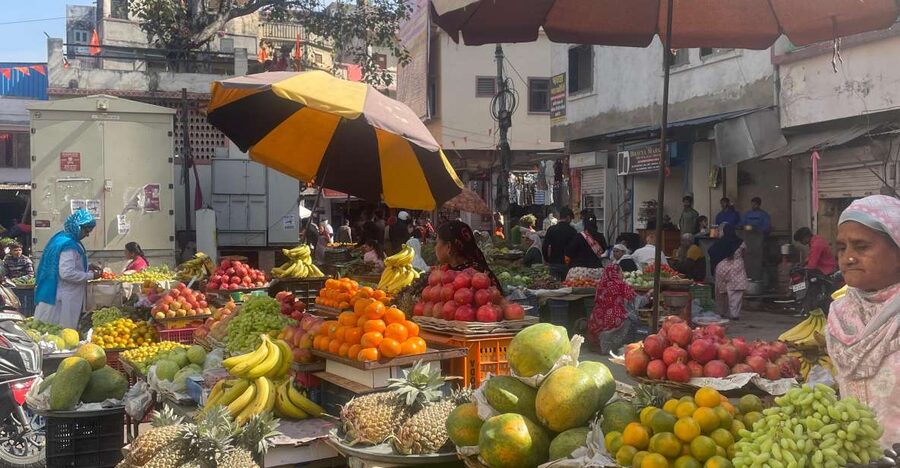
Food tasting works best when you understand the ingredients journey. This tour takes you through multiple market types, including a fruits and vegetable market and a spice and grains market.
When you’re shown spices close up, you stop treating them like generic flavor dust. You start realizing how they’re used together and why certain combinations are common in local cooking.
You’ll also see craft communities that explain the city’s hands-on side:
- Potters community stops
- Bamboo art community stops
- Biodegradable bowl and plate makers stops
These aren’t only “look and go” stops. They show you how local production supports local eating, especially street food culture. And it’s a nice counterweight to the idea that everything in India is bought ready-made.
What You’ll Eat: Samosa, Kachori, Poha, Lassi, Chai, and Gulab Jamun
Food is the centerpiece here, and it’s not vague. You can expect multiple tastings, including samosa with mint and coriander chutney, kachori with mango and tamarind chutney, and poha.
You’ll also have a masala chai tasting, with explanation that includes making or preparation basics. That’s useful because chai styles can vary a lot, and understanding what goes into the cup makes it easier to recreate the flavor when you’re back home.
Sweet stops are included too, including gulab jamun. It’s a great finish because it gives you that classic Rajasthan dessert hit without needing to hunt for it separately.
Drinks and additional bites may include lassi, chai, and juices, plus more items across 5+ dishes with 7+ food shops throughout the walk. And yes, it’s vegetarian-focused, so if you eat plant-based, you’ll be in familiar territory.
The Cow Question, Cow Cuddling, and Cultural Q&A That Changes How You See Streets
One of the most distinctive parts is the cultural talk that goes beyond food. You’ll hear explanations tied to real daily questions, like why cows are holy and why cows show up on the streets.
The highlight list also includes cow cuddling, which makes this feel different from a standard eating tour. It’s the kind of experience that turns a cultural question into something you can feel directly.
The guide also covers topics like festivals, architecture, and culture, and you may get Q&A on bigger questions too, including how society works and local historical themes. If you like conversations on the “why” behind what you see, this portion is a big reason to choose this walk.
Glass Inlay Work and Craft History in One Pass
Udaipur is known for craftsmanship, and this walk includes glass inlay work. That matters because glass inlay is not just decorative sparkle, it’s craft precision and planning. Seeing it in context helps you appreciate the labor and design logic.
You’ll likely spot how craft themes echo across the city, from temple decoration cues to haveli details and shop displays. That thread connection is what makes a heritage walk feel like a story, not just a checklist.
And if you enjoy shopping, this approach helps you spend smarter. You’re better at spotting quality and noticing workmanship, even if you only buy postcards.
Price and Value: $24 for 2.5 to 3 Hours in the Old City
At $24 per person for about 2.5 hours (often up to 3 hours depending on the group), you’re paying for two things: guided navigation and all-in food tasting.
Food is the obvious value driver. You get mineral bottled water, tea, and all food tastings across multiple dishes and sweets. Instead of paying for bites one-by-one across different streets, you get a planned route with stops built around local specialties.
You’re also paying for access to the meaning behind what you’re seeing. Craft and temple explanations can easily cost extra time on your own, especially in a city where the lanes can feel like a maze.
If you’re short on time in Udaipur but want a real sense of everyday culture, this price feels reasonable. If you’re the type who hates walking and only wants major sights, you might decide it’s not worth it. But if you want local food and old-city texture, it’s a good deal.
Practical Tips So You Enjoy the Walk More Than You Endure It
This is a walking experience: around 3 km on old-city streets. Bring comfortable shoes and choose cotton fabrics, because warm weather plus crowds can add up fast.
Plan to arrive ready to snack. The route includes multiple tastings, sweets, and drinks, so you don’t need a separate breakfast plan.
If you’re booking, you can also choose a start time. By default it’s listed as 10:00 am, and the tour notes say time and date can be flexible depending on your message.
And one more smart move, go with curiosity. When you lean into the guide’s questions and stories, the tour feels longer in the best way. If you only want to check boxes, you may feel like you skipped the point.
Who This Tour Is Best For, and Who Might Want a Different Option
This tour is ideal if you want:
- Vegetarian street food tastings with explanations
- A non-touristy old city walk focused on markets and crafts
- Culture talk that includes practical questions, like why cows are everywhere
It’s also good for couples and solo travelers who like small-group energy. The tour notes say you can do private or small groups, so you won’t get drowned by a giant crowd.
If you can’t handle walking 3 km on uneven lanes, or if you only want big-ticket landmarks, you might prefer a more sightseeing-heavy tour. This one is about texture and small scenes, not monumental architecture from a distance.
Should You Book This Heritage Walk and Food Tasting?
Yes, I’d book it if your goal is to understand Udaipur through daily life. This is the kind of tour where the food acts like a guide to the city, and the crafts and temples help you read what you’re seeing.
Book it particularly if you enjoy food that comes with context, like chutneys, spice logic, and traditional sweets. You’ll leave with more than memories of flavors, you’ll understand how the city produces what you ate.
If you want a low-effort outing with zero walking and minimal talking, this may feel like too much. But if you’re game for 2.5 to 3 hours of old-city wandering, with tea, sweets, multiple tastings, and stories from Harsh Mundra, it’s a strong value way to experience Udaipur.
FAQ
How long is the heritage walk and food tasting?
The experience runs about 2.5 hours, and it can extend to around 3 hours depending on the group’s curiosity.
Is the food tasting vegetarian?
Yes. The street food and tastings are described as vegetarian.
Where do we meet, and where does the tour end?
You meet at Ganesh Art Emporium, diagonally opposite Jagdish Temple near Jagdish Chowk (toward the clock tower). The tour finishes at the same general point near Jagdish Temple and Jagdish Chowk.
What’s included in the $24 price?
Included are mineral bottled water, all food tastings, 5+ dishes, sweets, tea, and an in-person guide.
What languages does the guide speak?
The live guide is available in English and Hindi.
What should I wear for the walk?
Wear comfortable shoes and cotton fabrics, since the route is a walking experience through old city lanes.
Recently reviewed across Udaipur
- Private Walking Tour of Udaipur with a Professional Guide
★ 5.0 · 10 reviews - Private Day Tour Of Kumbhalgarh Fort & Wildlife Sanctuary From Udaipur
★ 4.5 · 10 reviews - Equestrian Escape: Horse Safari Adventure
★ 5.0 · 10 reviews - Udaipur Private Half/Full Day Sightseeing Tour by Car+Guide
★ 4.8 · 11 reviews - Full-Day Private Udaipur Three wheeled Tuk Tuk Sightseeing
★ 5.0 · 11 reviews - Highlights of Udaipur : A Private Guided tour
★ 5.0 · 11 reviews
Indian Street Food Tours, compared.
 ★ 4.9Street Food and Night Markets TourFrom $13719 reviews
 ★ 5.0Old Delhi Street Food TourFrom $40497 reviews
 ★ 5.0Delhi Food Walk: Rickshaw Ride, Street Eats & Market TourFrom $40401 reviews
 ★ 5.0Old Delhi Street Food Tour – Explore Spices in Chandni ChowkFrom $34334 reviews
 ★ 5.0Bengali Nights Kolkata Food Tour with 13+ TastingsFrom $39325 reviews
 ★ 5.0Old Delhi Food-Spice Market-Temples Tour Soon Featured on NETFLIXFrom $49304 reviews
 ★ 5.0Chandni Chowk Delhi Food Tour with 15+ TastingsFrom $39285 reviews
 ★ 5.0Mumbai Street Food TourFrom $40269 reviews
Browse the lists this tour appears in