
REVIEW · JAIPUR PINK CITY TOURS
Jaipur Heritage and Old Market Shopping Tour
Jaipur markets have a way of grabbing you fast, then teaching you as you go. This 5 hour Old Market and heritage route pairs key sights in the Pink City with time in craft alleys like Chandpole Bazaar, Johari Bazaar, and the jewelry streets near Radio Market. I like the private hotel pickup plus a local expert driver, and I like the built in 10 to 15 minute craft demos that explain what you are buying before you shop. One possible drawback to plan for: monument entries for stops like Isarlat Tower and Albert Hall Museum are not included, and many sights are viewed from the outside.
What you end up doing is more than wandering. You get guided context for why Jaipur is famous for block printing, blue pottery, bangles, and marble decor, then you can decide where to spend your money. The guide approach also comes with a comfort factor, especially for first timers, since people specifically praise Rauf Khan for being helpful and for making the day feel safe and well organized.
Finally, this is a shop heavy day. If you want nonstop big ticket monuments inside museums and forts, you might feel the balance is more street level and artisan focused.
In This Review
- Key highlights you should actually care about
- Jaipur old markets, the easiest way to shop with a brain
- Chandpole Bazaar and Khanjane Walon ka Rasta: start with crafts that tell a story
- Maniharo Ka Rasta jewelry lane, plus Isarlat Tower views when you need a breather
- Tripolia Bazar and Albert Hall Museum: heritage checkpoints without the ticket stress
- Johari Bazaar: your best bet for textiles, spices, leather, and bangles
- Hawa Mahal from street level, then blue pottery and jewelry making demos
- Why the craft demos make your shopping better (not just prettier)
- Getting around Jaipur with a private driver: comfort and control for a short day
- Price and value: what $16 buys you, and what it does not
- Practical tips for Chandpole, Johari, and carry-on shopping
- Who should book this Jaipur heritage and old market shopping tour
- Should you book this tour
Key highlights you should actually care about

- Chandpole Bazaar craft street time in 30 minute blocks, with free admission at market stops
- Marble decor scouting at Khanjane Walon ka Rasta, known for intricate work
- Bangles and silver at Maniharo Ka Rasta, ideal if you love Jaipur jewelry details
- Short demos at the Jaipur Blue Pottery Art Centre and textile workshop, usually 10 to 15 minutes each
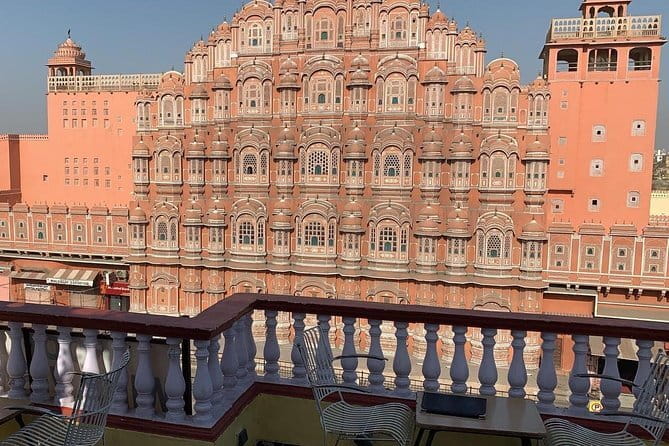
- Hawa Mahal exterior viewing, with plenty of time to photograph from street level
- Private vehicle with pickup and drop off, so you are not doing this across the city on your own
Jaipur, a few more ways to see it

Jaipur old markets, the easiest way to shop with a brain
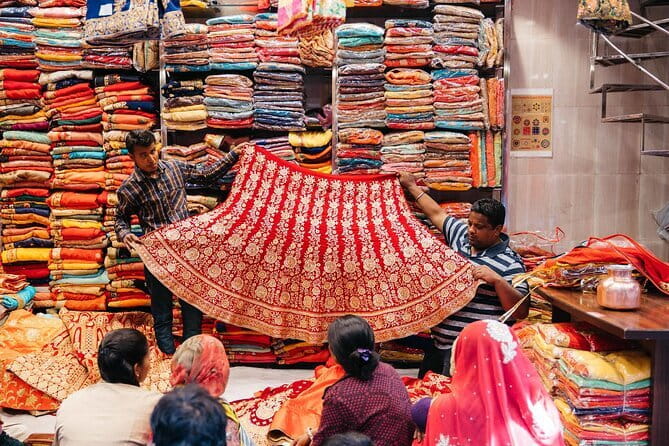
I like how this day is designed for flow. You start in the older market zone, then you move across Jaipur in a logical loop, stacking shopping areas with a few heritage anchors. Each stop is roughly 30 minutes, which keeps you from losing the day to one overlong stall and it helps you compare prices and styles while details are still fresh.
Chandpole Bazaar is a good first stop because it sets expectations fast. You can scan textiles, jewelry, brassware, and pottery, and you get that classic Jaipur mix of handmade looks and bargaining culture. Even if you do not buy anything, you learn how the merchandise is organized, what materials are common, and what price range feels realistic for the kind of items you like.
One nice thing in this plan is that you are not just thrown at markets without guidance. The route repeatedly connects a craft theme to a market street, then to a workshop demo later. That means when you see blue pottery or block printed fabric again, you know what to look for and what questions to ask.
Chandpole Bazaar and Khanjane Walon ka Rasta: start with crafts that tell a story
Chandpole Bazaar is known for traditional Rajasthani goods, and the layout makes it easy to browse without getting lost in the weeds. You will see textiles and jewelry right away, plus pottery and brassware. If you like the look of old Jaipur materials, this is where you get your visual references.
Then comes Khanjane Walon ka Rasta, a street that is specifically associated with marble sculptures and marble decor. This is a useful change of pace. Instead of only focusing on wearable items, you can check out decorative pieces in different sizes and designs. Marble items can be heavy, so this is the moment to think about transport. If you are shopping for something big, you want to know early.
Tip for this part of the day: handle a few items before you decide. If a shop offers similar styles, you will quickly feel the difference in finish and weight. It is easier to compare details when you are still in a market cluster and still moving with time pressure, rather than after you have spent hours elsewhere.
Maniharo Ka Rasta jewelry lane, plus Isarlat Tower views when you need a breather
Maniharo Ka Rasta is the jewelry focused stop near Radio Market and Modikhana. Expect plenty of traditional Rajasthani bangles and silver ornaments. If Jaipur jewelry is on your wish list, this is one of the best places in the itinerary to concentrate, because the street identity matches the merchandise.
This stop also helps you shop smarter for a simple reason. Bangles and silver style choices are easier to judge when you can see them side by side. You are not making decisions based on a single shop’s selection. You can spot the common motifs, the metal tone, and the thickness of pieces more clearly.
After that comes Isarlat (Tower), an 18th century victory memorial built by Maharaja Jai Singh II. The key value here is the viewpoint. Even though the tower admission is not included, the stop is timed so you can pause and get panoramic city views and take photos. This is where the day rhythm changes from market scanning to open sky breaks.
Practical note: if you are serious about photography, go in with your phone camera settings ready. Market streets change lighting constantly, and the viewpoint moment is your chance for clean, wider shots.
- Full-Day Jaipur Private Sightseeing Tour by Car with Guide★ 5.0 · 472 reviews
- Pink City Cooking Class★ 5.0 · 452 reviews
- Private Elephant Sanctuary★ 5.0 · 390 reviews
- Private Full Day Jaipur Sightseeing Tour By Tuk Tuk★ 5.0 · 382 reviews
- Private Guided Half Day Tour Jaipur★ 5.0 · 371 reviews
Tripolia Bazar and Albert Hall Museum: heritage checkpoints without the ticket stress

Tripolia Bazar and the Tripolia Gate area connect you to Jaipur’s royal story. Tripolia is known for historical importance and strong architecture, and this stop includes the Tripolia Mazar area, associated with royal family members. It is a good place to slow down and look at carved details rather than only shopping.
From there, the Albert Hall Museum is the most formal heritage stop on the route. The museum is Indo Saracenic in style and has collections tied to art, artifacts, sculptures, textiles, and coins. However, museum entry is not included, and the day plan also notes that monuments are often viewed from the outside.
So how do you get value from a museum that you might not enter? You treat it as a landmark moment. Walk around enough to understand the building’s style and take photos. Then, if you still want indoor time, you can decide later based on your energy and your interests. On a shop focused itinerary, this kind of flexible decision is actually a strength, not a compromise.
If you do not plan to enter, still take a minute to read the vibe of the place. Albert Hall gives you context for Jaipur beyond crafts. It reminds you that these materials and designs live in museums and collections too.
Johari Bazaar: your best bet for textiles, spices, leather, and bangles
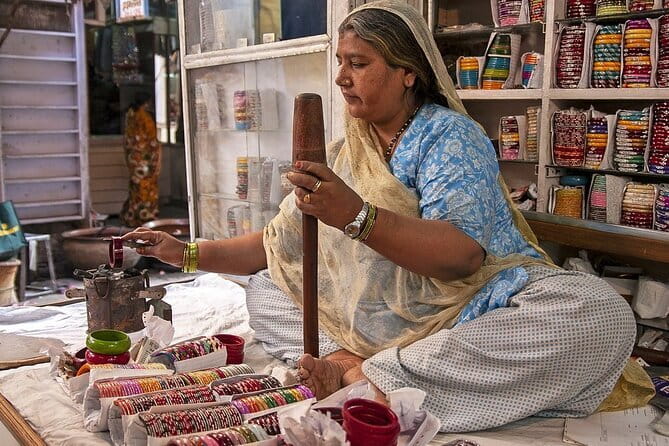
Johari Bazaar is one of those names you hear again and again for a reason. It is a lively market known for Rajasthani handicrafts including textiles, jewelry, pottery, spices, and leather goods. If your shopping list is broad, this is where you can check a lot of boxes in one place.
What makes Johari Bazaar especially useful on this tour is that it matches Jaipur’s signature craft categories. You will likely see bright fabrics, bandhni styles, block prints, and silver jewelry. Even if you do not buy the biggest ticket item, this is where you can pick up smaller gifts like scarves, fabric pieces, or accessories that reflect the look of Jaipur.
A fair caution: the tour’s demo stops later focus on blue pottery, block printing technique, and jewelry style. That means the day is not built around tea tasting or guided spice education. You can still shop spices here because the markets sell them, but if spices and tea are your top priorities, you may want extra personal time beyond this route to compare brands and blends.
Hawa Mahal from street level, then blue pottery and jewelry making demos
Hawa Mahal, the Palace of Wind, is one of Jaipur’s most recognizable silhouettes. It was built in 1799 by Maharaja Sawai Pratap Singh, and the honeycomb pattern of 953 small windows is the whole point. The benefit on this itinerary is that you get a 30 minute stop for exterior viewing and photos, without needing to build a separate major sightseeing plan around it.
From there, the itinerary shifts into hands on learning. At the Jaipur Blue Pottery Art Centre, you get a 10 to 15 minute demo focused on the craft. Jaipur blue pottery is famous for its bright blue hues and detailed patterns, so seeing how the process works gives you a much better sense of what you are paying for.
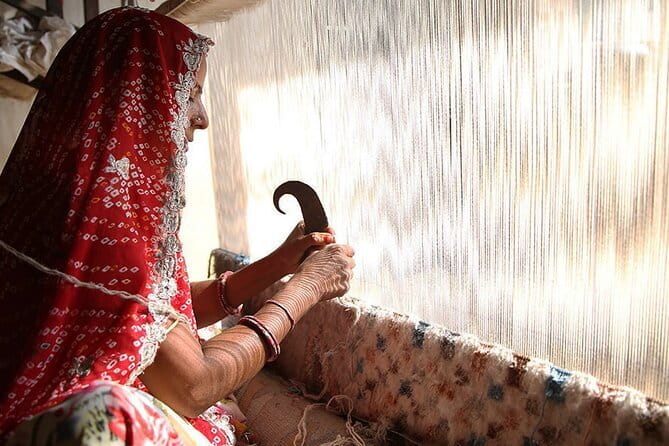
Next is Satguru’s the Textile World, a textile workshop where you can watch women and artisans making carpets and rugs. You also get a traditional block printing experience, with an explanation of how intricate patterns are made by hand on fabric. Again, the demo time is short, but the value is that the technique becomes real to you.
And yes, the tour experience also includes jewelry making as part of the craft theme through the artisan stops. The overall intent is to show the craft logic, not just sell you a product.
Why the craft demos make your shopping better (not just prettier)
I like that this day teaches you before you buy. Markets can be confusing because every shop claims quality. The demo stops give you an anchor for your judgment.
For example, once you have seen how blue pottery patterns are created, you can notice whether an item looks consistent and intentional, or whether it looks like it was rushed. After block printing is shown, you can recognize sharper details and better alignment, especially on fabric patterns. With jewelry, the focus on technique helps you understand that style is not random, it often connects to Jaipur traditions and motifs.
This also connects to something important: the tour emphasizes women’s craftsmanship and craft related empowerment. In plain terms, you are not just buying souvenirs. You are supporting a supply chain that depends on skilled hands and repeatable training.
Quick shopping behavior tip: do not try to buy on the first stop. Instead, walk through the market streets, spot the same style in different stalls, then return later if you still want it. This tour’s timing helps you do exactly that.
Getting around Jaipur with a private driver: comfort and control for a short day
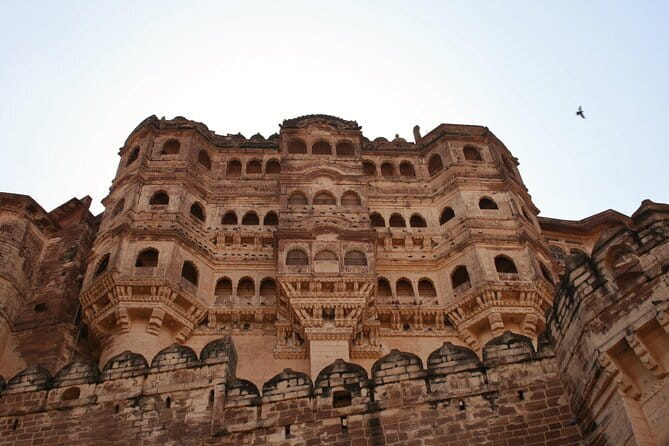
You are picked up and dropped off from your hotel, and you travel in a private vehicle with a friendly local expert driver. For a 5 hour day, that matters. Jaipur traffic and distances can wear you out fast if you are trying to manage transit on your own, especially while also carrying shopping bags.
The private setup also helps with personalization. In the experience feedback, Rauf Khan is praised for being accommodating, for tailoring the shopping day to what you care about, and for keeping people feeling safe while they explore. That is a big deal on market days, where it is easy for a first timer to feel overwhelmed or unsure where to go next.
Another advantage is that monuments are viewed from the outside. That keeps the schedule from getting chopped up by ticket lines and entry rules. If you want interior museum time, you can add it separately. If you want a smooth day focused on markets and craft demos, this schedule supports that.
Price and value: what $16 buys you, and what it does not
For a 5 hour private tour with pickup, drop off, a private vehicle, bottled water, and a local expert driver, $16 is strong value. The biggest reason is that you are not paying extra for the time itself, you are paying for transport plus guidance, and the craft demos are part of the experience.
Where value gets complicated is admission. Some monument entry costs are not included, such as Isarlat Tower and Albert Hall Museum. Also, monuments are often only viewed from the outside. So if your goal is museum interiors and ticketed attractions, you might feel the pricing does not cover that. But if your goal is a well paced day that mixes street level heritage with real shopping neighborhoods, the price starts to make sense quickly.
Food and drinks are not included either. That is normal for this kind of half day, but it means you should plan a lunch snack strategy. If you want help finding a meal, the guide support can be useful, since Rauf Khan is specifically praised for suggesting good restaurant options.
Practical tips for Chandpole, Johari, and carry-on shopping
Markets are fun, but your body has to survive them.
Wear comfortable shoes. Jaipur streets can be uneven, and you will be walking in market alleys even if there is a vehicle between stops. Bring a light layer too, since indoor workshops and outdoor street transitions can swing temperature.
For shopping:
- Keep your purchases distributed between bags. Heavy items near your body are easier to control.
- Ask questions calmly about what you are buying, especially for jewelry and decor. The demo stops give you vocabulary for better questions.
- If you are buying textiles, think about how you will protect them from dust and creases during travel.
For photos:
Hawa Mahal and Isarlat Tower are your best bets for wider views. Markets are great for close up detail, but lighting can be mixed. You will get better results if you prioritize a few clear shots at each “view” moment.
And one safety note that matters in crowded areas: stay aware of your belongings, move with purpose, and listen to your guide’s timing. That is the simplest way to keep the day enjoyable.
Who should book this Jaipur heritage and old market shopping tour
This is a good fit if you want:
- A 5 hour Jaipur day that covers multiple old market streets in one go
- A guided shopping experience focused on crafts like blue pottery, block printing textiles, and traditional jewelry
- Heritage sightseeing that does not force you into ticketed museum marathons
It is also a solid choice for couples, friends, and solo travelers who like shopping but want the day managed. People also seem to value the driver and guide energy, including how Rauf Khan keeps things friendly and organized.
Where it may not fit as well: if you want full museum entries and long monument interior time, this route is not built around that. It is built around street markets and short craft demos, with some exterior heritage anchors.
Should you book this tour
If your ideal Jaipur day is part markets, part learning how Jaipur crafts actually work, and part grabbing photos from iconic viewpoints, I think you will be happy with this one. The $16 price is hard to beat for private pickup, transport, and multiple craft workshops in only 5 hours.
Book it if you can go with the flow and treat the market time as the main event. Pass or plan extra time if you need lots of ticketed museum interiors or if you are specifically hunting for spice and tea experiences as a primary focus.
The Pink City, More Reviewed Days


Recently reviewed across Jaipur
- 6-Night Royal Rajasthan: Private Tour from Jaipur, India
★ 5.0 · 10 reviews - Jaipur Nahargarh Sunset and Night Lights Tour
★ 5.0 · 10 reviews - Jaipur Full Day Heritage of Pink City Tour By Tuk Tuk With Chai
★ 5.0 · 10 reviews - Private Jaipur Sightseeing Tour by Tuk-Tuk
★ 5.0 · 10 reviews - Explore Jaipur at Night with Patrika Gate
★ 5.0 · 10 reviews - Jaipur walking tour.
★ 5.0 · 10 reviews
Jaipur Pink City Tours, compared.
 ★ 4.9Private Full Day Sightseeing Tour By Car with GuideFrom $41,839 reviews
 ★ 5.03-Hour Morning Bike Tour of JaipurFrom $321,253 reviews
 ★ 5.03-Days Private Golden Triangle Tour: Delhi, Agra & Jaipur by CarFrom $1271,098 reviews
 ★ 5.03-Day Delhi, Agra and Jaipur Private Tour – India Golden TriangleFrom $110812 reviews
 ★ 5.0Four-Day Private Luxury Golden Triangle Tour to Agra and Jaipur From New DelhiFrom $160807 reviews
 ★ 4.8Private Sightseeing Day Tour with Guide by CarFrom $5773 reviews
 ★ 5.0Jaipur Day Trip from Delhi by Car or Train – All InclusiveFrom $116663 reviews
 ★ 5.0Jaipur City Private Day Tour from Delhi by Car – All InclusiveFrom $10589 reviews
Browse the lists this tour appears in