
REVIEW · JAIPUR PINK CITY TOURS
Jaipur: Jhalana Amagarh Leopard Reserve 4×4 Jeep Safari
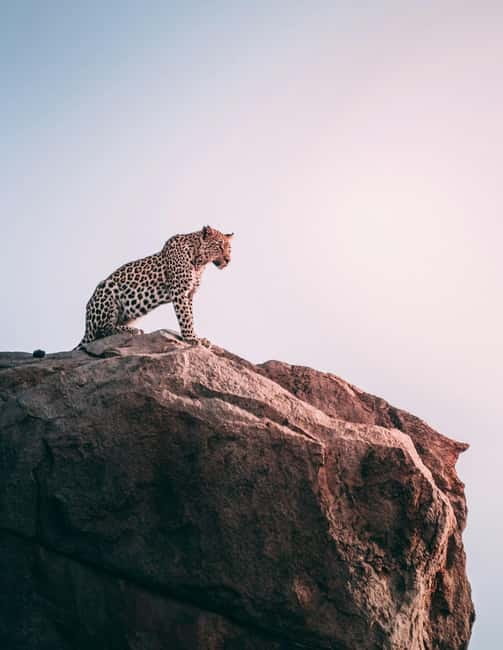
Leopards near Jaipur feels unreal. In the Aravalli Hills you’ll ride into a city-edge leopard reserve by 4×4, hunting for cats and learning how this protected habitat works. Add in hotel pickup and an English/Hindi guide, and the day feels efficient without turning into a zoo visit.
I especially love the hotel pickup and drop-off in an air-conditioned vehicle. It saves time, keeps you comfortable in Rajasthan heat, and lets you focus on the safari instead of logistics, with drivers like Vinay, Singh, and Rajendra praised for punctual, smooth transfers.
My other favorite part is the on-ground spotting help. Guides named Yogesh, Ashok, and Vinay are repeatedly credited with patient scanning and smart positioning so you can photograph animals even when they’re partly hidden. One drawback to plan for: leopard sightings are not guaranteed, and there’s no refund if you don’t see one.
In This Review
- Key things to know before you go
- Jhalana Amagarh: Jaipur’s leopard reserve at the edge of the Aravallis
- The 4×4 jeep safari: how the ride affects what you see
- Getting there: hotel pickup in an air-conditioned vehicle
- What you can spot besides leopards in Jhalana
- Leopard moments: why guide positioning matters for photos
- Extra stop options: Monkey Temple and the Elephant Village Park add-on
- Price and value: what $60 buys you in practice
- What to bring: the small kit that saves the day
- Who this safari suits best, and who should reconsider
- Should you book the Jhalana Amagarh Leopard Safari?
- FAQ
- How long is the safari inside Jhalana Amagarh Leopard Reserve?
- What’s the chance of seeing a leopard?
- What animals can you expect to spot besides leopards?
- Is hotel pickup and drop-off included?
- Do I need to provide passport details?
- What should I bring, and what’s not allowed?
Key things to know before you go
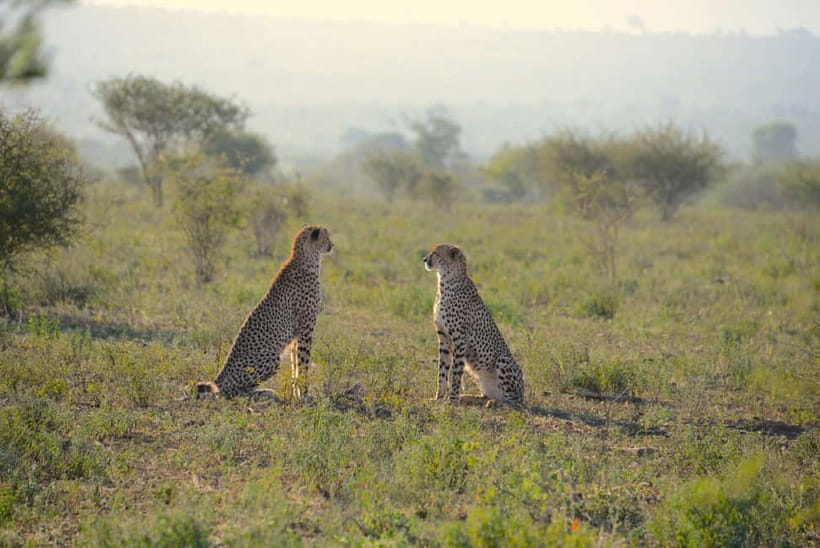
- Aravalli setting close to Jaipur: this is a leopard reserve inside the city orbit, surrounded by the oldest mountain range in India.
- Safari time is the core: your jeep run inside the reserve is about 2:15 to 2:45 hours.
- No leopard guarantees: you go for the experience and the ecosystem, not a sure cat sighting.
- Photo and spotting support: multiple guides are praised for helping you wait in the right place and aim your camera.
- Other wildlife is very real: hyenas, deer, nilgai, jackals, civets, lizards, and birds are all on the menu.
- Optional elephant add-on needs care: the Elephant Village Park stop is optional, but at least one experience felt overpriced and tense.
Jaipur, a few more ways to see it

Jhalana Amagarh: Jaipur’s leopard reserve at the edge of the Aravallis
Jhalana Amagarh is India’s first leopard reserve located in Jaipur city. You’re not driving out into some far-off wilderness with a long travel day. Instead, you get a protected habitat wrapped by the Aravali Hills, an ancient mountain series that shapes the vegetation and wildlife movement.
The reserve currently hosts more than 70 leopards and 5 cubs. That number matters because it changes how you think about the day. This is not a “maybe one leopard lives here” situation. It’s a functioning ecosystem where leopards are part of the normal wildlife picture, even if you personally still might not see one on your specific safari time.
Also, don’t limit your expectations to big cats. The area can produce sightings of striped hyenas, Indian civets, desert and jungle cats, desert foxes, jackals, porcupines, monitor lizards, mongooses, and a variety of snakes. You can also spot sambar deer and chital (spotted deer), plus blue bull (nilgai). If you keep your eyes wide for movement and tracks, you’ll get value even on a tough visibility day.
The 4×4 jeep safari: how the ride affects what you see
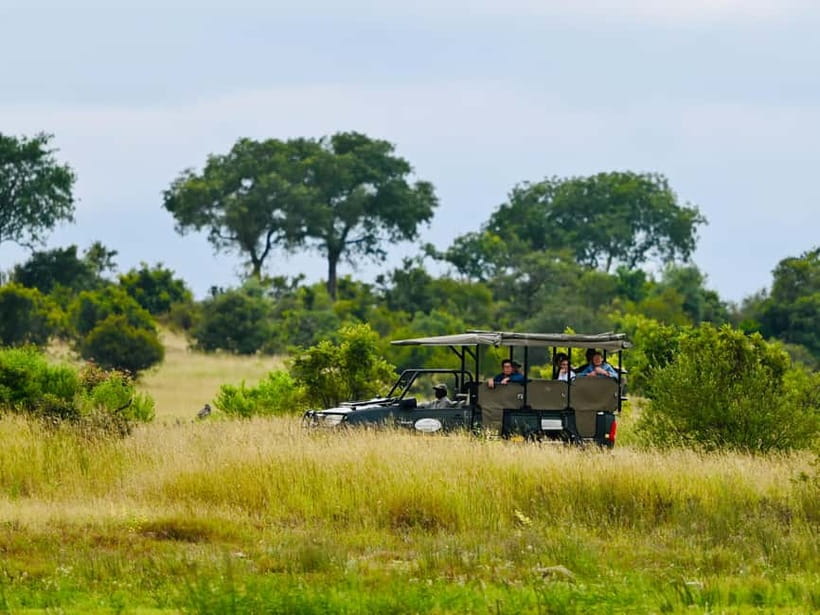
This tour’s heart is the 4×4 jeep safari inside the reserve, using rugged vehicles built for uneven terrain. The point is simple: leopards often do not appear in open, Instagram-perfect clearings. They’re usually tucked into brush, moving along edges, or pausing near cover. A jeep that can move off-road helps your guide reach the right sections of the habitat.
The safari duration inside the park runs 2:15 to 2:45 hours. That’s long enough for searching and waiting, but short enough that you’re not stuck for half a day without a plan. The sweet spot is that you’ll have time to follow signs of animal activity, then pause when something is likely to appear.
Timing matters too. In winter, many people prefer morning or sunset because animal behavior often shifts with temperature. One important tip from a confirmed booking: late February mornings can feel brutally cold on the safari, even if Jaipur feels warm earlier. Bring jumpers, jackets, and a hat, not just a light layer.
Finally, ride comfort affects your attention. Reviews mention both smooth driving and occasional crowding depending on the jeep layout. If you’re sensitive to tight seating, plan to sit in a way that keeps your phone or camera steady and your eyes free for scanning.
Getting there: hotel pickup in an air-conditioned vehicle
Your day typically starts with pickup from your hotel or another spot in Jaipur, then transfer to the safari park in an air-conditioned private vehicle. Drivers like Vinay and Singh are repeatedly praised for being punctual and for communicating well, including English-speaking guidance when needed.
You’ll also go through a separate entrance that helps you skip the line. That may sound minor, but it’s one less stressful delay when the safari schedule matters and everyone is trying to get inside at the best time.
Once you arrive, you switch from the comfort vehicle into the safari jeep. That transition is when your posture and camera setup become important. Keep your camera strap secure, avoid fumbling in pockets when you spot something, and remember that animals may appear suddenly in brush or at a distance.
- Full-Day Jaipur Private Sightseeing Tour by Car with Guide★ 5.0 · 472 reviews
- Pink City Cooking Class★ 5.0 · 452 reviews
- Private Elephant Sanctuary★ 5.0 · 390 reviews
- Private Full Day Jaipur Sightseeing Tour By Tuk Tuk★ 5.0 · 382 reviews
- Private Guided Half Day Tour Jaipur★ 5.0 · 371 reviews
What you can spot besides leopards in Jhalana
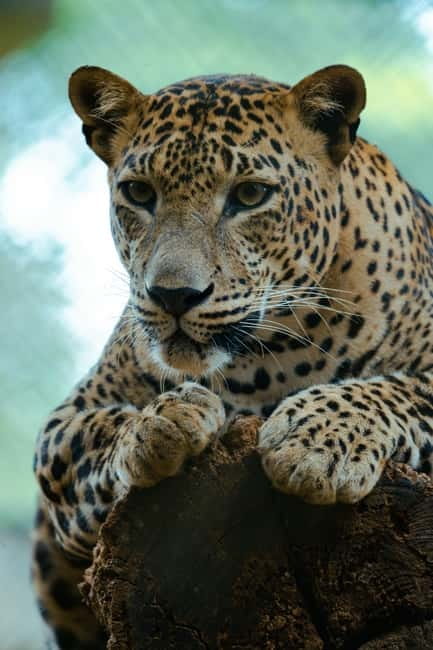
Let’s talk realism. Leopard sightings are the headline, but the reserve is stocked with other species that can make the safari satisfying even without a cat encounter.
You might see spotted deer (chital) and sambar deer moving through vegetation edges. Nilgai (blue bull) are also possible, and they’re big enough to be seen clearly if you’re patient. Birds can be a constant background soundtrack too, with one booking describing many birds during a day with limited leopard activity.
Carnivores and smaller mammals are also on the potential list: striped hyena, Indian civets, desert and jungle cats, desert foxes, jackals, porcupines, mongooses, and jungle rats. Even when visibility is imperfect, guides can often point out signs, like movement patterns, track-like hints, or what the animals are reacting to.
One practical way to boost your odds of enjoying the safari, regardless of leopard luck: spend your attention on behavior, not just species. Watch for stillness, sudden pauses in deer groups, or birds that flare up. Those reactions can lead you to the right spot at the right moment.
Leopard moments: why guide positioning matters for photos
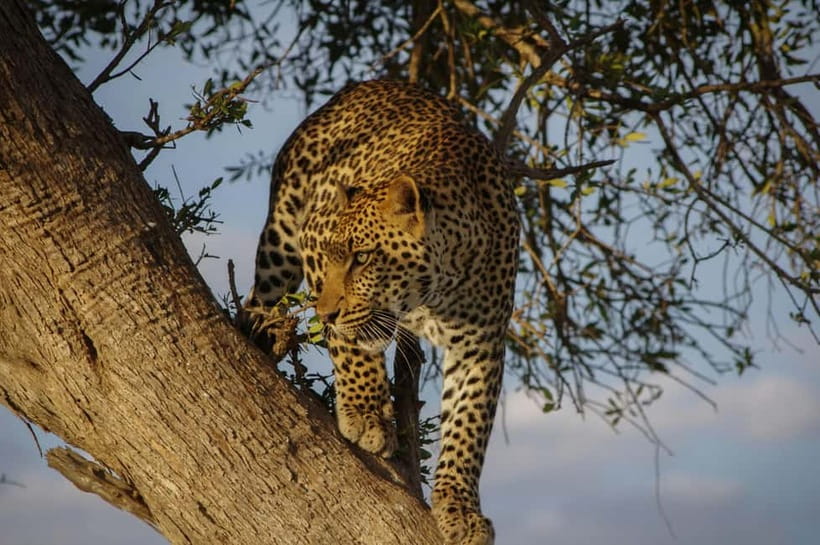
When a leopard appears, it’s usually not a slow, parade-like entrance. It can be sudden, partly hidden, or happening at a distance. That’s where guide work makes a noticeable difference, and it shows up again and again in the experiences people shared.
Several guides are specifically praised for trying hard to locate leopards, and for the patience needed when cats choose silence over activity. In one account, a leopard emerged at a watering hole after waiting calmly. Another person described a close sighting because the guide could see through the brush and understand the area’s lines of sight.
You’ll get better results if you match that mindset. When your guide tells you to wait, your job is to stay steady, not restless. If you keep moving or changing seats too much, your camera misses the moment. Try to use binoculars if you have them, then only lift your camera when you’re sure you have the right subject.
Also, plan for different outcomes. A few bookings were unlucky and still reported enjoyment through hyena sightings, birds, deer, and a strong sense of the reserve’s peace. If your main goal is a leopard close-up, aim for the early morning or sunset options in winter, but accept that you might not see one on your day.
Extra stop options: Monkey Temple and the Elephant Village Park add-on
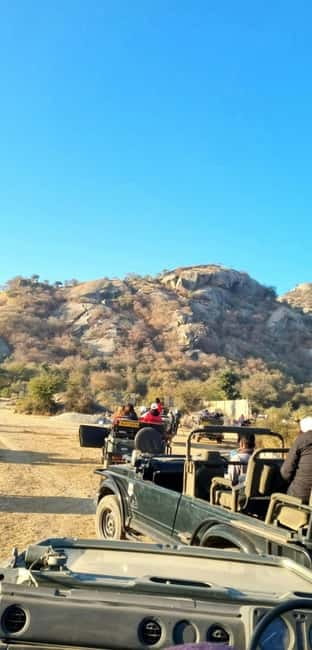
Some tours include a stop near the Monkey Temple area for a quick visit. This isn’t guaranteed for every booking day, but multiple experiences mention it as an added moment before or after the safari, sometimes as a smart alternative during rainy weather.
One confirmed experience on a rainy day describes the guide, Vinay, pivoting quickly and taking people to the Monkey Temple early, when they had the place mostly to themselves. Another person noted a quick blessing at the temple right next door to the route, timed so it didn’t eat into safari time.
The Elephant Village Park is an optional add-on. If you choose it, go in with a clear plan for what you want. One booking story was strongly negative about the cost and the interaction style when the person just wanted to walk around. That doesn’t mean every day goes the same way, but it does mean you should treat this add-on as a separate decision, not an automatic bonus.
If you’re focused on wildlife viewing and photography, you may prefer to keep your time concentrated on the reserve. If you want structured activities around elephants, pick your activities carefully and be ready to say what you will and won’t do.
Price and value: what $60 buys you in practice
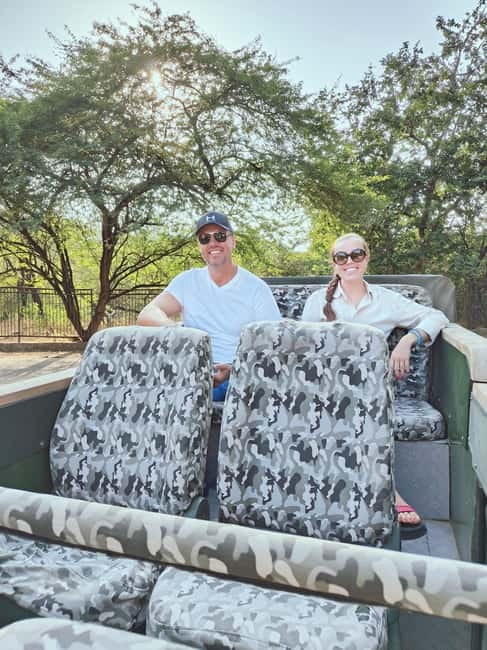
At around $60 per person, this safari can feel like a good deal because it bundles the stuff that costs time and stress. You’re paying for hotel pickup and drop-off, private transport, park access, and the safari in a 4×4 jeep, plus the guide and driver support during the search.
The biggest value piece is that you’re not just buying a ticket into a reserve. You’re buying a day plan: getting there easily, skipping lines, and having an experienced local driver and guide to navigate the habitat efficiently. Review feedback repeatedly highlights punctual pickup and the drive to find leopards, even when sightings don’t happen.
That said, set expectations on leopard probability. The forest department manages and operates the safari, and leopard sightings cannot be guaranteed. Money will not be refunded if you don’t see leopards. So your value calculation should be: do you enjoy wildlife watching enough to be happy with hyenas, deer, and birds as the “backup plan”?
If yes, this price is fair for a guided, photo-friendly 4×4 day. If you need a leopard no matter what, you may be the kind of traveler who will leave disappointed no matter how good the guide is.
What to bring: the small kit that saves the day
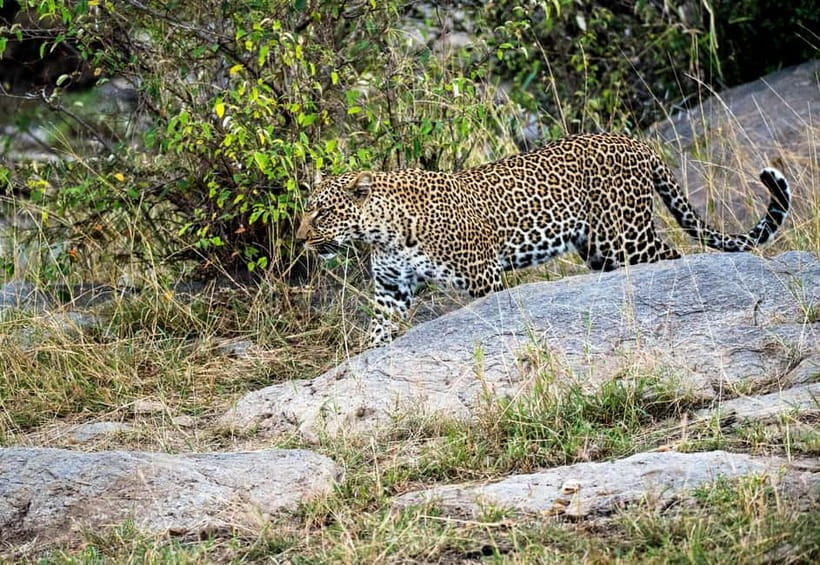
This is a practical, outdoor safari. Bring what keeps you comfortable and helps you spot animals.
Pack:
- Camera (with a battery you trust)
- Binoculars if you have them
- Water
- Comfortable clothes, plus a warm layer for winter mornings
One review tip stands out for late February: it may be warm in Jaipur before the jeep, but it can be very cold on safari. A jumper, jacket, and hat help you stay alert instead of shivering through your best animal-search window.
Binoculars are especially useful because leopards can be distant or partly hidden. You can scan first, then switch to camera mode when you confirm the subject.
Also remember the rules. Smoking isn’t allowed. And it helps to avoid anything that makes noise or draws attention while your guide is trying to listen and watch.
Who this safari suits best, and who should reconsider
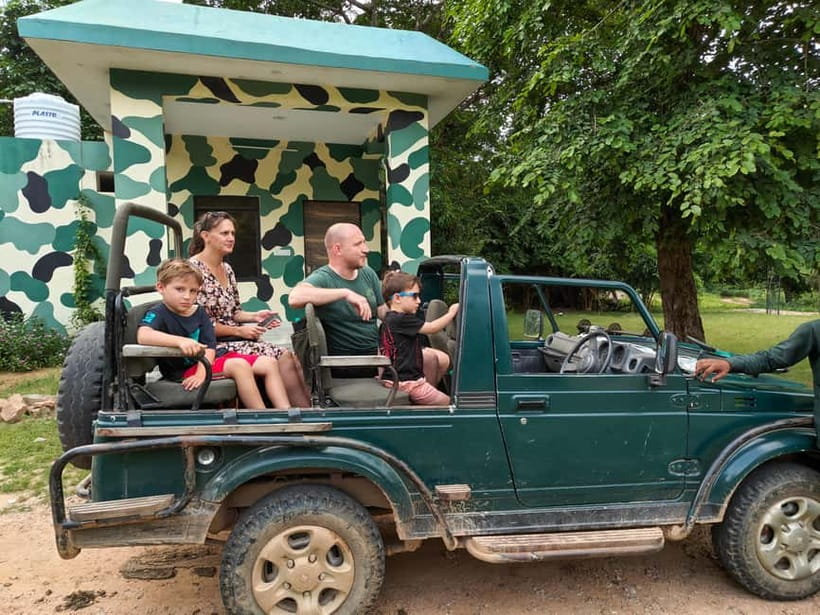
This experience is a strong match if you want:
- A wildlife-focused day outside the city bustle
- A guided safari where someone helps position you for viewing and photos
- The convenience of private pickup and drop-off without negotiating transport
It’s also a good choice for solo travelers who want to feel safe and cared for, since reviews mention communication and careful driving. People have even called out that they felt comfortable in the jeep and that the drivers were punctual with clear guidance.
But if you have animal allergies, this may not be suitable. Also, be honest with yourself about leopard expectations. You can get a fantastic safari without a leopard, but you should not treat a leopard sighting as guaranteed entertainment.
Should you book the Jhalana Amagarh Leopard Safari?
I think you should book if you’re excited by the process of wildlife searching, not only the trophy moment. The mix of city-access convenience, 4×4 exploration, and strong guide effort makes this a good value outing. And even when leopards are elusive, the reserve can still deliver hyenas, deer, birds, and those quiet, alive moments you can’t get on a regular city walk.
I would only hesitate if seeing a leopard is your only acceptable outcome, or if you’re planning to add elephant activities without thinking through what you actually want from that stop. If you choose the elephant add-on, make sure it aligns with your comfort level and expectations.
If you book, dress for cold winter mornings, bring binoculars if you can, and be ready to wait. In a leopard reserve, patience is part of the ticket.
FAQ
How long is the safari inside Jhalana Amagarh Leopard Reserve?
The jeep safari inside the reserve runs about 2 hours 15 minutes to 2 hours 45 minutes. The overall tour duration is listed as 3.5 to 8 hours depending on the pickup time and any add-ons.
What’s the chance of seeing a leopard?
Leopard sightings cannot be guaranteed. The money is not refunded if leopards are not seen.
What animals can you expect to spot besides leopards?
You may see striped hyenas, Indian civets, desert cats and jungle cats, desert foxes, jackals, porcupines, monitor lizards, mongooses, sambar deer, spotted deer (chital), blue bull (nilgai), and various snakes, plus a variety of birds.
Is hotel pickup and drop-off included?
Yes. The tour includes hotel pickup and drop-off by private vehicle, with an air-conditioned vehicle for the transfer.
Do I need to provide passport details?
Yes. You’ll need to send your passport details via WhatsApp or email after booking to obtain park entry.
What should I bring, and what’s not allowed?
Bring a camera, water, comfortable clothes, and binoculars if you have them. Smoking is not allowed.
The Pink City, More Reviewed Days


Recently reviewed across Jaipur
- 6-Night Royal Rajasthan: Private Tour from Jaipur, India
★ 5.0 · 10 reviews - Jaipur Nahargarh Sunset and Night Lights Tour
★ 5.0 · 10 reviews - Jaipur Full Day Heritage of Pink City Tour By Tuk Tuk With Chai
★ 5.0 · 10 reviews - Private Jaipur Sightseeing Tour by Tuk-Tuk
★ 5.0 · 10 reviews - Explore Jaipur at Night with Patrika Gate
★ 5.0 · 10 reviews - Jaipur walking tour.
★ 5.0 · 10 reviews
Jaipur Pink City Tours, compared.
 ★ 4.9Private Full Day Sightseeing Tour By Car with GuideFrom $41,839 reviews
 ★ 5.03-Hour Morning Bike Tour of JaipurFrom $321,253 reviews
 ★ 5.03-Days Private Golden Triangle Tour: Delhi, Agra & Jaipur by CarFrom $1271,098 reviews
 ★ 5.03-Day Delhi, Agra and Jaipur Private Tour – India Golden TriangleFrom $110812 reviews
 ★ 5.0Four-Day Private Luxury Golden Triangle Tour to Agra and Jaipur From New DelhiFrom $160807 reviews
 ★ 4.8Private Sightseeing Day Tour with Guide by CarFrom $5773 reviews
 ★ 5.0Jaipur Day Trip from Delhi by Car or Train – All InclusiveFrom $116663 reviews
 ★ 5.0Jaipur City Private Day Tour from Delhi by Car – All InclusiveFrom $10589 reviews