
REVIEW · MUNNAR TEA COUNTRY TOURS
Kerala Traditional village cooking class (Munnar)
Cooking with locals feels like a secret handshake.
In Munnar, this Kerala traditional village cooking class is hosted by Mr Raveendra Kumar and Mrs Selvi, a couple who have been teaching since 2001. You spend the afternoon in their home, with time to see tea-estate surroundings, pick up local produce, and then cook your way through Kerala staples with real, practical guidance.
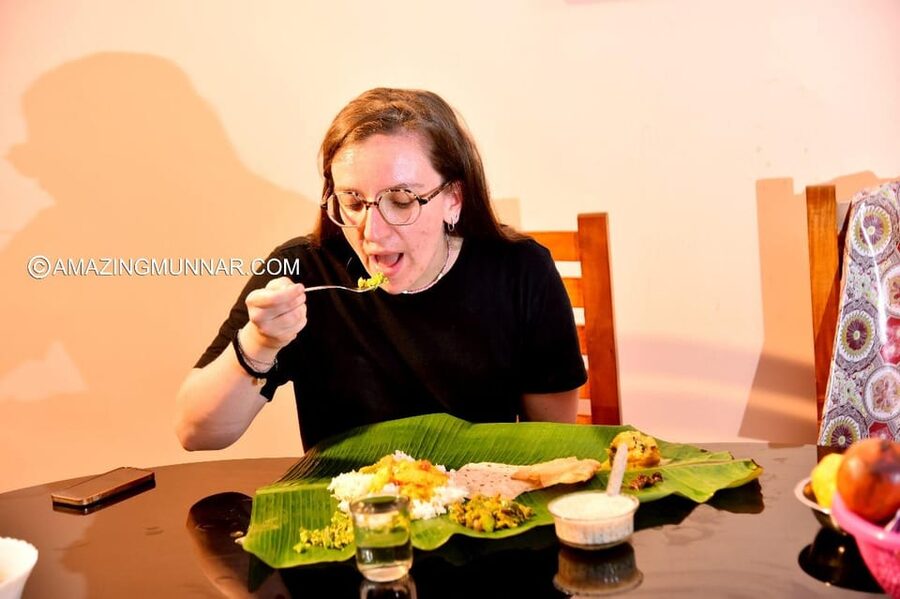
What I like most is the mix of market visit and hands-on cooking. You start by going out to select ingredients like local fruits, vegetables, and spices, then you move into the kitchen to cook step by step, with tools provided and plenty of chances to ask questions. I also love that the class is designed around real meals, not just a demo, so you end up tasting what you made.
One consideration: the class is listed as 4 hours, but it can run 1 hour longer or more depending on the dishes and how the pacing goes.
In This Review
- Key things to know before you cook in Munnar
- First, you enter the kitchen routine of Kerala village life
- Market visit in Munnar, where your meal starts before the stove
- The ingredient lesson: coconut, curry leaves, mustard, and spices
- Cooking demos and the menu you can expect to make
- What you’re learning while you cook each dish
- Hands-on cooking: your group gets real tasks
- Tasting session: eat what you made, then ask the hard questions
- Welcome drinks, snacks, and the Kerala pace of eating
- Tea estate, fruits, vegetables, and spices, why it connects to the food
- Logistics that can affect your afternoon
- Who should book this Kerala cooking class in Munnar
- People who may want to choose something else
- Value: why $21 for 4 hours can make sense here
- Should you book Mr Raveendra Kumar and Mrs Selvi’s Munnar cooking class?
- FAQ
- What is the duration of the Kerala village cooking class in Munnar?
- Where do you start, and is there a market visit?
- Is pickup from my hotel included?
- What languages are used during the class?
- What kinds of dishes and meals are included?
- Is the venue wheelchair accessible?
Key things to know before you cook in Munnar
- Hosts with long-running experience: Mr Raveendra Kumar and Mrs Selvi have been running this type of cooking instruction since 2001.
- You shop for ingredients: A market visit is part of the experience, so you cook with what you actually picked out.
- A full Kerala meal structure: Expect categories like welcome drinks, snacks, main dishes, and dessert.
- Step-by-step technique, not just recipes: They explain ingredients, timing, and how to get flavor right.
- Hands-on groups: After the demos, you cook in groups with guidance and individual help when needed.
- A tasting plus Q and A: You eat together, then wrap with questions so you leave knowing what to repeat later.
More tea country days above Munnar
First, you enter the kitchen routine of Kerala village life
This isn’t a show where someone cooks behind glass. You’re invited into a real home kitchen rhythm, led by Mr Raveendra Kumar and Mrs Selvi. They guide you through Kerala cuisine with two goals at once: teaching traditional Munnar village dishes and showing how Kerala uses spices and even medicinal-style supplements in everyday food.
You’ll notice the tone quickly. It feels friendly and grounded, the kind of setting where people ask questions without feeling rushed. The class also works with English, Tamil, and Malayalam, so you can usually follow along even if your vocabulary is still building.
One smart touch for planning your day: the menu is finalized ahead of time, at least 12 hours before your class. That means you’re not waiting around for last-minute changes, and it also helps the hosts keep the cooking flow smooth.
Market visit in Munnar, where your meal starts before the stove
The experience begins with a local market visit, which matters more than it sounds. Kerala cooking depends heavily on ingredients, and you get a quick education by seeing what’s fresh and what’s used daily.
During this part, you’ll typically look at things like:
- local fruits and vegetables
- common spices
- ingredients used in Kerala kitchen basics
Why I think this is valuable: when you understand what you’re buying and why it belongs in the dish, you cook with confidence later. It also changes your whole mindset, because you start noticing flavor sources right away, not just the final taste.
You also get that small, human moment of watching how people handle produce and spices in a daily setting. It’s not a museum stop. It’s functional and real.
The ingredient lesson: coconut, curry leaves, mustard, and spices
Before the cooking starts in earnest, you get an ingredient orientation. This is where Kerala cooking becomes easier to understand, even if you’ve never made appam or puttu before.
They introduce key staples such as:
- coconut milk and coconut-based flavor
- curry leaves
- mustard seeds
- spices like turmeric, coriander, and cumin
They also talk about medicinal supplements as part of the tradition. You might not learn this in a typical tourist cooking class. Here, it’s presented as part of why certain ingredients show up so often in Kerala food and daily routines.
If you’re the type who loves knowing the why, this segment is a win. If you’re more “just tell me what to do,” you can still follow, because they connect ingredients to technique and flavor outcomes.
- Full day in hiking in Munnar (By Munnar Info)★ 5.0 · 176 reviews
- Wild Elephant Anakulam & Waterfalls Tour(munnar valley Trekking)★ 5.0 · 98 reviews
- Munnar Tea valley Tour ( By Munnar Info)★ 5.0 · 83 reviews
- Munnar Private Day Trip★ 4.6 · 70 reviews
- Sunrise Tour in Top Station, Munnar ( By Munnar Info)★ 5.0 · 56 reviews
Cooking demos and the menu you can expect to make
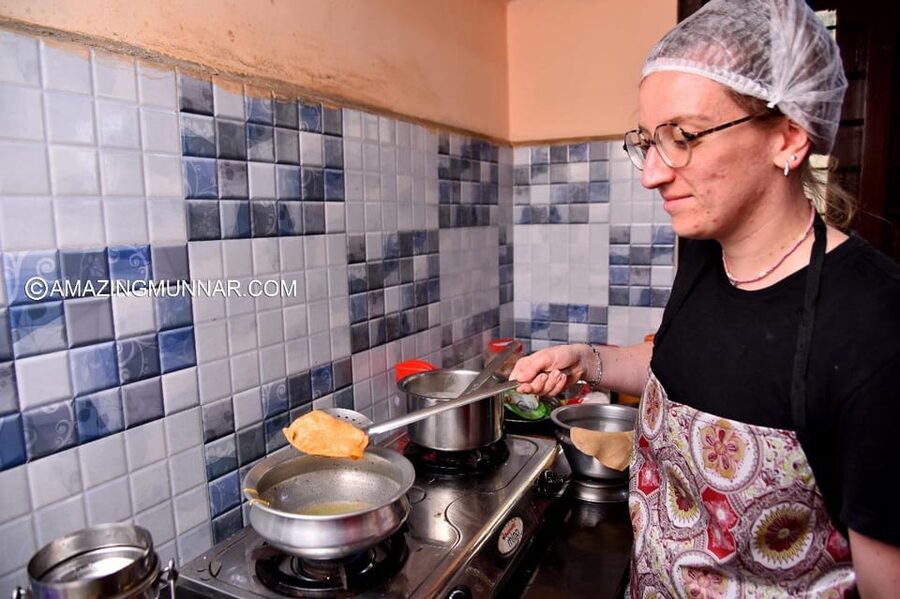
The heart of the class is live demonstrations, then hands-on cooking. The demo portion typically covers how dishes come together step by step, including when to add ingredients and how to manage flavor balance.
The menu can include a mix of vegetarian and non-vegetarian options, plus snacks, welcome drinks, and dessert. Dishes you may see demonstrated and cooked include examples like:
- appam and stew
- fish curry
- avial
- puttu and kadala curry
A practical note: you’re not stuck with one dish. The format is designed so you cook multiple items. Based on how the class is run, you should expect to participate in more than a single plate, which is part of why the value feels strong.
What you’re learning while you cook each dish
Even when you’re focused on the taste, you’ll pick up technique:
- how coconut flavors develop
- how spices change when added at different stages
- how curry elements interact with rice or breakfast-style items
- how to season and adjust during cooking rather than only at the beginning
This is the kind of knowledge that helps if you want to recreate the dishes later at home. It’s not only about copying ingredients, it’s about understanding cooking logic.
Hands-on cooking: your group gets real tasks
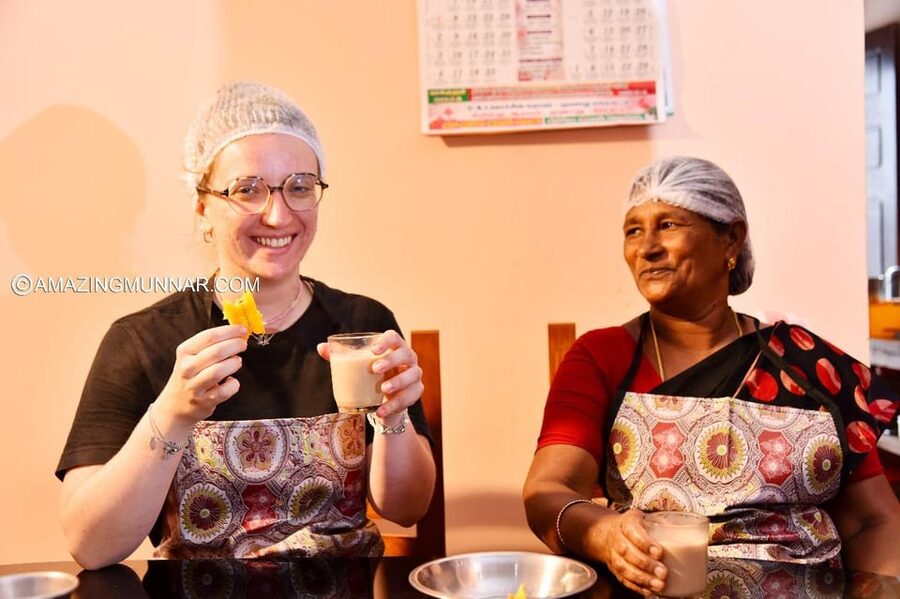
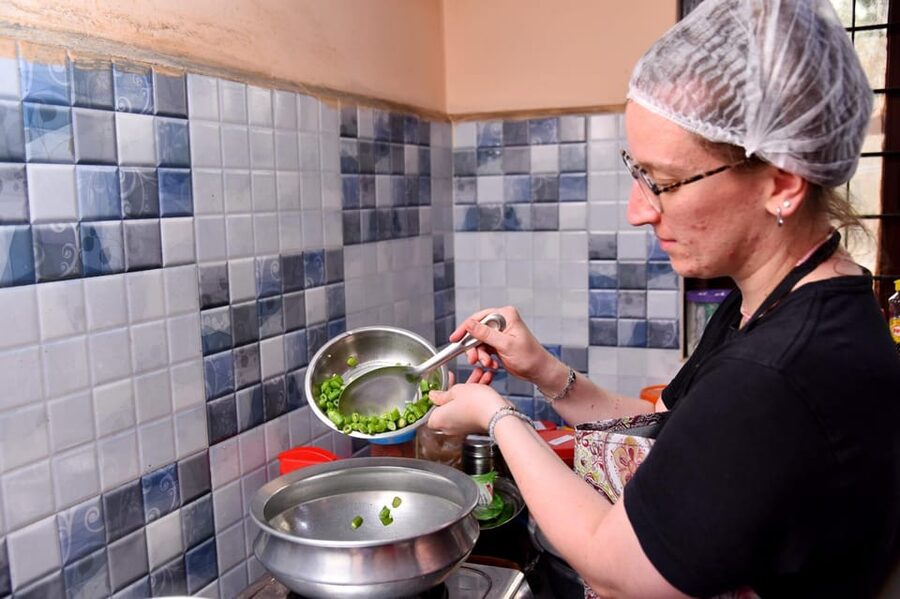
After the demo, you split into groups and are assigned dishes to prepare. You’re not left alone with vague instructions. The class is set up for guidance, and you can get individual help when you need it.
This is where the afternoon becomes fun. You’re chopping, stirring, timing, and troubleshooting in real time. If you’re traveling with someone, it also turns into a team activity, not a passive lecture.
I like this format because it creates participation without turning chaotic. In a good cooking class, you should feel busy, not overwhelmed. The structure here is designed so you can contribute while still keeping up.
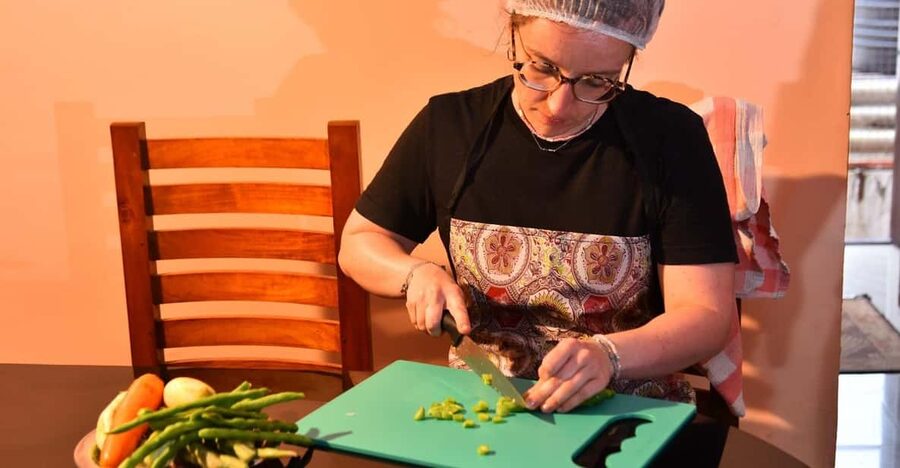
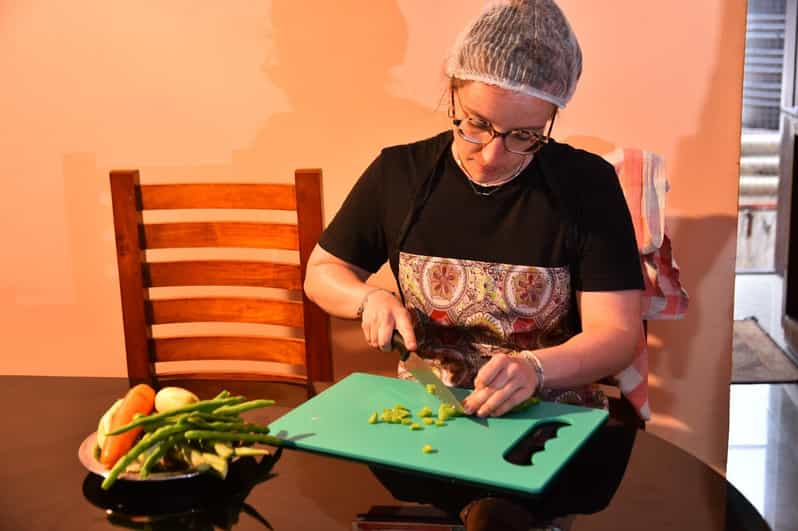
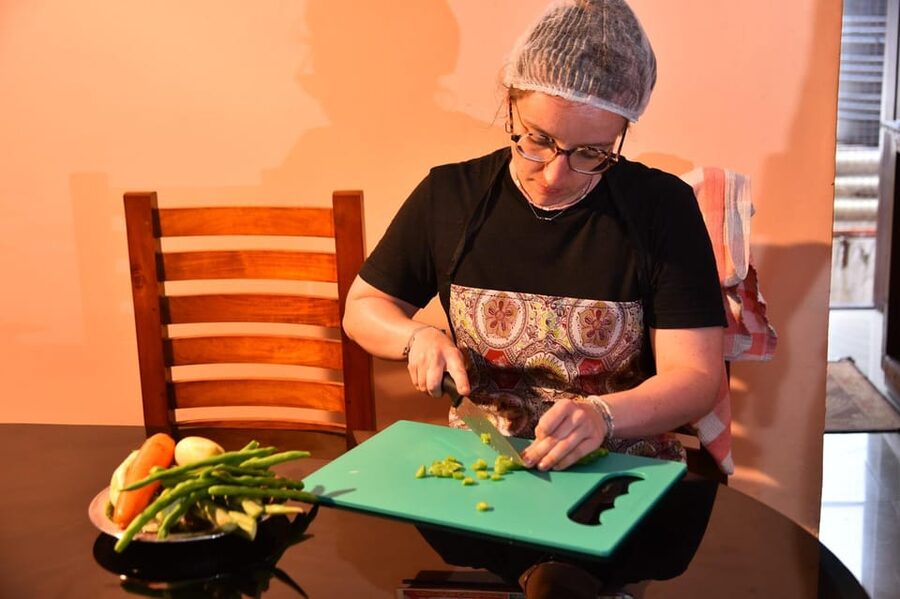
Also, you’ll get practical tools like a knife, apron, and cutting board, plus pen and paper. That sounds small, but it matters. When someone explains a technique like when to add a spice or how to adjust consistency, jotting it down makes it easier later.
Tasting session: eat what you made, then ask the hard questions
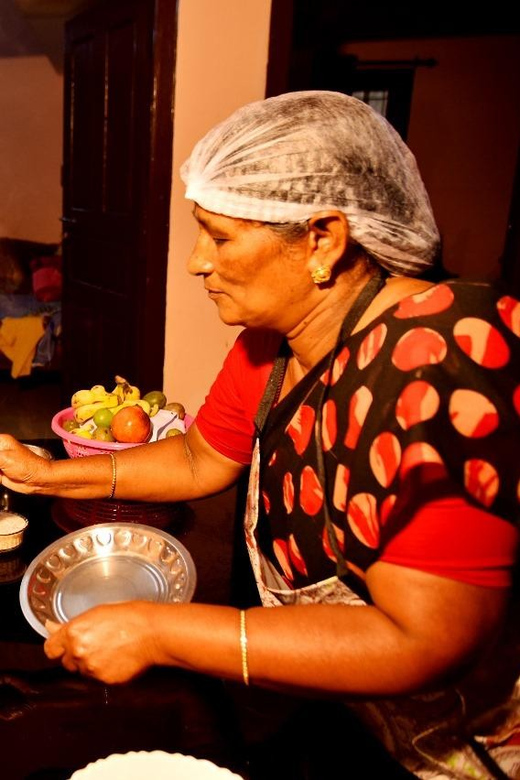
Once the cooking is done, you sit down for a tasting session. This is not just a formality. The class encourages everyone to sample what was prepared, then talk about flavors, textures, and aromas.
You’ll likely taste a range of dishes, not only one winner. It’s a great moment to figure out what you personally love. Some people fall hard for Kerala curries. Others remember the breakfast-style components.
Then you get a Q and A wrap-up, which is where you can turn curiosity into clarity. If you want to know what makes a curry thicker, why a stew tastes balanced, or what changes the aroma most, this is the time to ask.
Welcome drinks, snacks, and the Kerala pace of eating
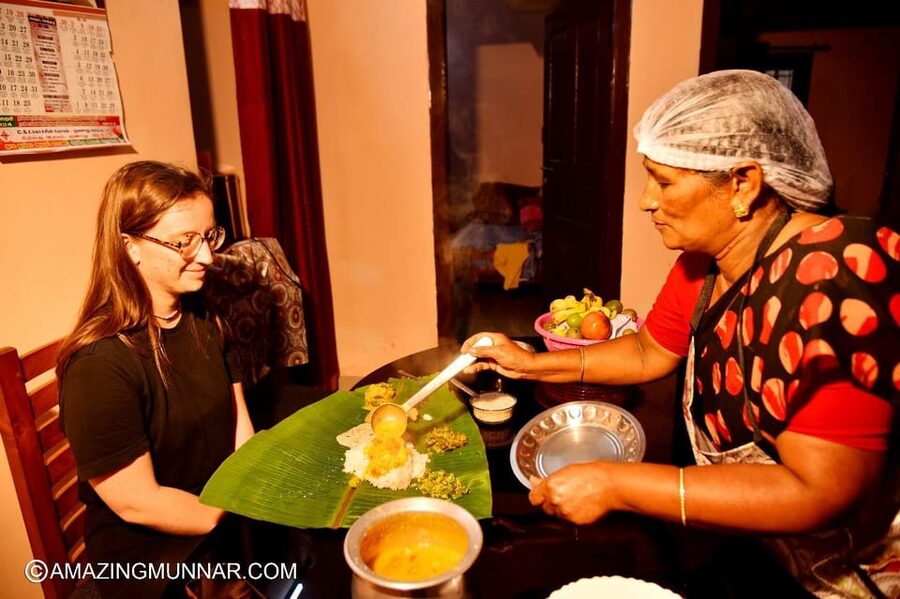
Kerala meals tend to move in phases, not all at once. In this class, you’ll see that reflected through items like welcome drinks and snacks alongside the main dishes.
Depending on the menu for your day, you might start with something like masala tea, and you may also get snack items that pair well with tea. It’s designed to keep energy steady, especially since cooking takes time and you’re working with heat and spices.
Expect the meal to feel generous. You’re paying for a multi-course cooking experience, not a light bite.
Tea estate, fruits, vegetables, and spices, why it connects to the food
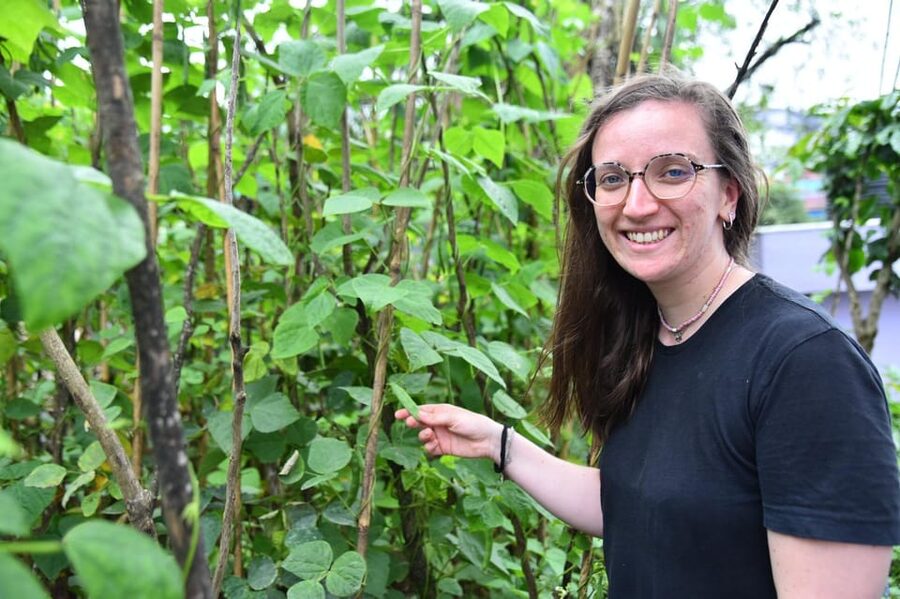
One of the more distinctive elements here is the emphasis on ingredients beyond spices alone. You’re guided to explore tea-estate related context, along with local fruits, vegetables, and spices.
This matters because Munnar is all about what grows in the region. When you see where ingredients come from and how they’re used, the food feels less mysterious and more like a system. Kerala cuisine isn’t random. It’s built on repeating ingredients in smart combinations.
If you’re the type who likes agriculture and flavor connections, you’ll probably enjoy this part more than you expect.
Logistics that can affect your afternoon
This is a 4-hour activity, but it can extend 1 hour or more based on the dishes and timing. Plan your day accordingly. If you booked a tight dinner reservation afterward, give yourself a cushion.
Pickup is handled in a limited way. There is free pick up and drop within a 2 km radius from Munnar town. If your hotel is outside that area, you may need additional charges for pickup, and it can help to arrange pickup clearly before the day starts.
Language coverage is strong. You’ll have instruction in English, Tamil, and Malayalam, so even if you feel uncertain about food terms, you can still follow the cooking steps.
Finally, the rules are house-style. Alcohol and drugs are not allowed, and there are other restrictions such as no pets and no intoxication. If you’re coming in ready to learn, this won’t be an issue, but it keeps the class comfortable and respectful.
Who should book this Kerala cooking class in Munnar
This class is a great fit if you want:
- authentic Kerala village home cooking
- a hands-on kitchen experience, not a sightseeing-only food stop
- a market-to-meal flow where you shop and cook the same day
- a chance to learn techniques and ingredient logic, including spices and their traditional uses
If you prefer a vegetarian focus, you should ask ahead of time. The class structure supports different menu types (vegetarian, non-vegetarian, snacks, welcome drinks, dessert), so it’s often adaptable, but confirm what will be available on your specific date.
People who may want to choose something else
The class is not suitable for visually impaired people and hearing-impaired people. Even though the venue is wheelchair accessible, this particular format likely relies on clear sight and/or audio guidance.
Value: why $21 for 4 hours can make sense here
At $21 per person for a 4-hour class, the value comes from what’s included, not just the cooking. You get:
- lecture and live demonstrations
- meal and snacks
- a market visit
- travel guidance
- tools like knife, apron, cutting board
- water bottle
- pen and paper for notes
That’s a lot packed into one afternoon. You also get private group instruction, which usually means you’re more likely to get help when you get stuck, instead of being one face in a large group.
The main reason the price feels fair is that it’s not only eating. You’re actively cooking, and then you’re eating what you cooked with a teaching wrap-up and Q and A.
Should you book Mr Raveendra Kumar and Mrs Selvi’s Munnar cooking class?
If your idea of a good Munnar day includes real food learning, this is an easy yes. I’d book it if you want a warm home-kitchen vibe, a market start, and a menu that covers multiple Kerala dishes like appam and stew, fish curry, avial, or puttu and kadala curry.
You should be slightly cautious about timing. With the possibility of running up to an extra hour, it’s best for travelers who can keep their schedule flexible. And if you need special support for visual or hearing access, verify fit first since the class is listed as not suitable for those needs.
Bottom line: for an honest, practical, taste-forward introduction to Kerala cooking in Munnar, this class hits the sweet spot.
FAQ
What is the duration of the Kerala village cooking class in Munnar?
The class is listed as 4 hours, but it may extend 1 hour or more depending on the dishes and pacing.
Where do you start, and is there a market visit?
You can expect a market visit as part of the experience, and then the cooking happens at the hosts home.
Is pickup from my hotel included?
Pickup and drop are offered for free within 2 km radius from Munnar town. Hotel pickup beyond that area may involve additional charges.
What languages are used during the class?
The instructor teaches in English, Tamil, and Malayalam.
What kinds of dishes and meals are included?
The class includes Kerala dishes with a menu that can include items like appam and stew, fish curry, avial, and puttu and kadala curry, plus categories such as veg or non-veg options, snacks, welcome drinks, and dessert.
Is the venue wheelchair accessible?
Yes, it is listed as wheelchair accessible.
Tea Country Above Munnar


Recently reviewed across Munnar
- Camping Suriyaneli/Munnar Kerala
★ 5.0 · 10 reviews - Trekking in Munnar
★ 5.0 · 11 reviews - Anakkulam Wild Elephant Visiting(Jeep tour)
★ 5.0 · 12 reviews - Munnar Mountain Trekking
★ 5.0 · 12 reviews - Ayurvedic Massages & Treatments
★ 4.5 · 12 reviews - Munnar Daily Tour
★ 5.0 · 13 reviews
Munnar Tea Country Tours, compared.
 ★ 5.0Munnar Tea Trail Tour with Factory Experience ( By Munnar Info)From $13458 reviews
 ★ 5.0Mountain Hiking in Munnar (half day) By Munnar InfoFrom $15390 reviews
 ★ 5.0Anakulam Wild Elephant Village life tour ( By Munnar Info)From $70344 reviews
 ★ 5.0Half day trekking (munnar valley Trekking & Tours )From $8310 reviews
 ★ 5.0Full day in hiking in Munnar (By Munnar Info)From $28176 reviews
 ★ 5.08 Days Kerala Private Tour (3 Star) with Munnar, Houseboat & Cab- Iris HolidaysFrom $518154 reviews
 ★ 5.02 Nights Misty Munnar Sightseeing (Private Tour with Car) – Iris HolidaysFrom $115100 reviews
 ★ 5.0Wild Elephant Anakulam & Waterfalls Tour(munnar valley Trekking)From $7098 reviews
Browse the lists this tour appears in