
REVIEW · MUNNAR TEA COUNTRY TOURS
Munnar mountain hiking (Full day)
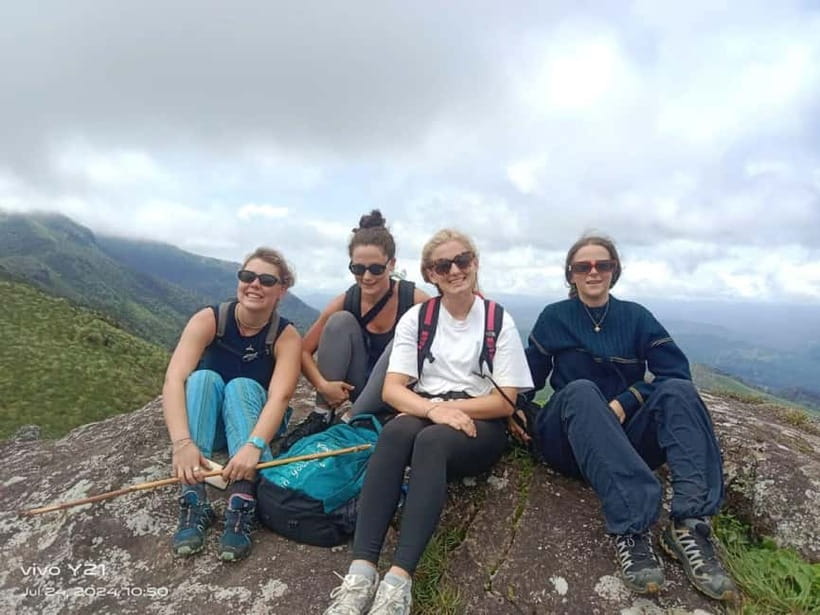
Tea fields turn into a real mountain workout. I like the way the route takes you from working tea plantations up toward wildlife country, with guides such as Rajan and Ramesh explaining plants, tea, and local life along the path. My other favorite part is the animal spotting potential, including chances for wild elephants and black monkeys. One drawback to plan for: the day covers roughly 14 to 18 km, so it can feel long if your legs are not used to steady hiking.
You start around 1,420 m and work up to the hike’s high point near 2,000 m, with cool air as you gain altitude. The middle of the walk shifts from tea into cardamom forests and shola woods, where you’re more likely to hear birds than see them at first. You’ll also get scheduled stops for refreshments and a packed lunch, which helps a lot when you’re moving uphill.
Logistics are straightforward: you meet at Munnar Info, and pickup happens from the Munnar town area. The full day is about 7 hours, with the descent back to Munnar Info typically happening sometime between 3 and 5 pm.
In This Review
- Key things to know before you go
- Meeting at Munnar Info, then stepping into tea country
- The 7-hour trek: from 1,420 m start to about 2,000 m high point
- Tea plantations: what you’ll learn while you walk
- Cardamom forests and shola woods: birds, ferns, and the quieter magic
- Wildlife odds: squirrels, black monkeys, and elephants in the distance
- Breaks, packed lunch, and water that keeps you comfortable
- Price and value: why about $24 per person can work well here
- Who this Munnar hike fits best, and who should skip it
- Should you book this Munnar mountain hike?
Key things to know before you go
- Distance adds up: expect about 14 to 18 km in one go, even if the climbing is broken up.
- Tea-to-spice route: you’ll hike through tea plantations first, then into cardamom forests.
- Altitude day: start near 1,420 m and head toward about 2,000 m.
- Shola woods are a big deal: this western ghats forest type is part of what makes the walk feel special.
- Wildlife is possible, not guaranteed: Malabar squirrels, black monkeys, and wild elephants are all on the radar.
- Food is part of the plan: packed lunch, water, and refreshment stops are included.
More tea country days above Munnar
Meeting at Munnar Info, then stepping into tea country
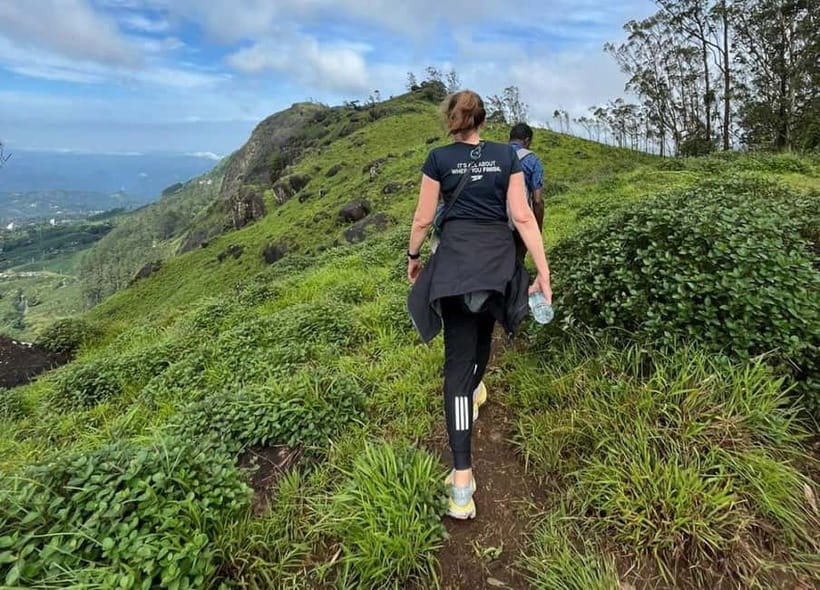
Most mornings, you start at Munnar Info. The operator will pick you up from the Munnar town area, so you don’t have to figure out local directions or parking. From there, you’re taken straight into the walking day rather than spending the morning sightseeing.
This is the kind of hike where the meeting point matters. If you show up late or unprepared, you’ll feel it fast because the plan is one full uninterrupted hiking block with breaks built in. The good news is you’re not going in blind: you’ll have a trained guide with you the whole time, and the best outings focus on answering questions as you walk.
Also, keep your expectations aligned with a guided nature day. This is not a quick photo walk. You’re there for plant stories, tea processing details, and the slow rhythm of moving along ridges and through plantation edges.
The 7-hour trek: from 1,420 m start to about 2,000 m high point
The hike is designed as a full-day effort, ranging from about 14 to 18 km. That means you’re not just “strolling” between viewpoints. Even when the pace is comfortable, your body still has to work for hours.
The elevation profile is the big headline: you begin around 1,420 m and head toward a highest point near 2,000 m. What that usually means on the ground is cooler air and a steady uphill feel early on, then longer stretches as you continue ascending.
How hard is it, really? The overall feedback points to a moderate intensity for many people, especially if you take breaks when offered. One thing to keep in mind, though: the hike is advertised as a longer, sometimes harder day by some descriptions, and a couple guests felt their actual day was less strenuous than the wording suggested. Translation for you: plan for a workout anyway, because “moderate” still means you’ll be walking for most of the day.
Practical move: wear proper hiking shoes, not thin sneakers. The route includes multiple uphill sections, and footing matters more in the forest and plantation edges than you’d expect.
Tea plantations: what you’ll learn while you walk
This hike’s heart is the tea country. You’ll spend a good chunk of the day moving through working tea plantations, and the stories are not just generic. Guides like Rajan, Raja J, King Raja, and Ramesh are praised for tying what you see on the bushes to how tea is actually made and harvested.
Here’s what makes that valuable for you: tea plantations in Munnar are not only scenery. They’re an agricultural system with specific plant behavior, seasonal rhythms, and human work behind the scenes. When your guide points out different plants and explains harvesting and tea types, the plantation lines stop looking like rows and start looking like a living workspace.
You’ll also get moments where the walk feels sensory, not just educational. The air in plantation areas can be cool and crisp at altitude, and you can often pick up other farm smells nearby, like coffee drifting through now and then. Even if you’re not a tea nerd, those little sensory cues make the whole day feel more grounded.
And if you like plant details, this is one of the best parts. Multiple outings highlight guides explaining native and cultivated plants, plus notes on medical uses of some plants. That’s the difference between a hike where you just pass scenery and a hike where you understand what you’re walking through.
- Full day in hiking in Munnar (By Munnar Info)★ 5.0 · 176 reviews
- Wild Elephant Anakulam & Waterfalls Tour(munnar valley Trekking)★ 5.0 · 98 reviews
- Munnar Tea valley Tour ( By Munnar Info)★ 5.0 · 83 reviews
- Munnar Private Day Trip★ 4.6 · 70 reviews
- Sunrise Tour in Top Station, Munnar ( By Munnar Info)★ 5.0 · 56 reviews
Cardamom forests and shola woods: birds, ferns, and the quieter magic
Once you move beyond the tea, the walk shifts into cardamom forest territory. The air can fill with the spicy aroma of cardamom, which is a strong clue you’re no longer in the main plantation block. This stage feels different underfoot too, because the vegetation changes and the forest gets denser.
Then comes the shola woods. This part matters because shola is one of the Western Ghats’ distinctive ecosystems. You’ll get the thick canopy feel, bird sounds in the background, and a carpet of ferns and mosses on the ground. Even if you don’t know shola by name, you’ll recognize it as “forest forest,” not plantation.
This is also where birdwatching becomes realistic. Several guide descriptions emphasize endemic bird potential, and the best chance is usually when you pause. Don’t keep walking past every call in the trees. If your guide stops and points, take that as permission to slow down and look up.
One more practical note for you: in forested sections, the path can feel more enclosed, so sunscreen and sun protection still matter even if it seems shady. The day includes tea and forest segments, so you’ll have both sun and shade.
Wildlife odds: squirrels, black monkeys, and elephants in the distance
Wildlife is part of the pitch here, and it’s part of the reality. Your chance to see Malabar squirrels and black monkeys exists, and wild elephants are possible too.
The key is how to treat wildlife on a hike. If you spot movement, it’s better to freeze for a minute than to surge forward. The goal is quiet observation, not chasing. One guest described an elephant sighting extremely close during their day, which forced them to wait until it moved before continuing. That tells you the right behavior: give animals space and let your guide handle the timing.
If you’re hoping for wildlife, timing helps but it is not a guarantee. You’re hiking from morning to mid-afternoon, and you’ll pass through areas where wildlife uses cover. Your best strategy is to stay attentive rather than expecting instant sightings.
Also, don’t count on seeing everything every time. The wildlife highlight is a “chance,” not a promised moment. But even without elephants in view, the forest sounds and bird calls still make this a nature-first day.
Breaks, packed lunch, and water that keeps you comfortable
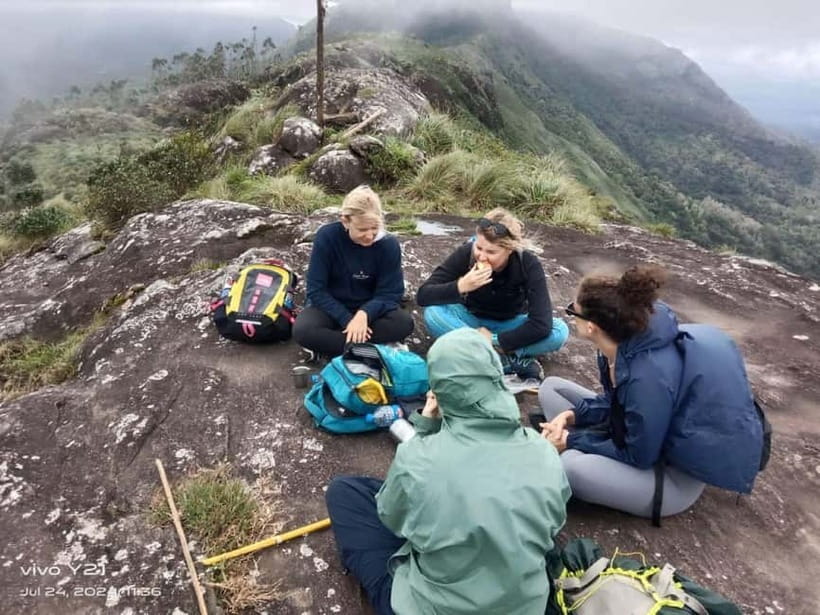
What I appreciate here is that food and water are handled. You’ll have packed food and mineral water as part of the experience, plus scheduled refreshment stops. That matters because you’re not carrying everything on your back for 7 hours.
From the feedback, the meals often get called homemade and satisfying, and some days include tea during the walk. That’s a small thing, but it changes how you feel mid-hike. Instead of snack crumbs and an empty bottle, you get real fuel and a chance to reset your pace.
If you want to move smoothly, follow your guide’s rhythm. Many guests mention breaks that keep the hike comfortable rather than punishing. The best guides also know where to pause for views and where to keep the walk flowing.
One small caution from the experience feedback: on one hike, a guest felt the guide’s phone calls disrupted the quiet and wished it were muted. That’s not a dealbreaker, but if you care deeply about quiet nature time, bring a flexible mindset, and ask calmly if calls can be handled quickly.
Price and value: why about $24 per person can work well here
At around $24 per person, this hike is priced like a local-value nature day, not a luxury guided excursion. What makes that price feel fair is what’s included: a trained guide, entry fees, mineral water, and packed lunch/food.
You’re effectively paying for three things at once:
- A guide who knows tea, plants, and the regional environment
- A full-day structure with breaks and meals so you’re not managing logistics mid-hike
- Access/entry included, so you’re not hit with extra costs later
The part you should budget for yourself is mainly personal hiking needs. You bring sunscreen and the right shoes, and you bring your own energy mindset. Transportation is not included as private pickup and drop-off, but the operator does pick you up from the Munnar town area.
So who gets the best value? You. If you want a guided hike that teaches as you walk and you don’t want to spend your day figuring things out.
Who this Munnar hike fits best, and who should skip it
This is a great match if you want a nature day that includes tea agriculture, forest ecology, and wildlife chances all in one outing.
It’s also a good fit if you have at least basic hiking comfort. The feedback suggests many people found it moderately intense, not a brutal scramble. Still, the total distance means you need to be okay with long walking.
Avoid this if you have low fitness. It’s also not suitable for babies under 1 year and not suitable for people over 95 years. If you’re in that range, you can still enjoy Munnar, just pick a shorter walk or a gentler viewpoint plan.
If you’re traveling as a small group, you may get a more personal feel on some departures, like groups of 3 mentioned in feedback. That’s another plus, because your guide can answer questions without rushing.
Should you book this Munnar mountain hike?
Book it if you want a full-day, guide-led walk where tea plantations turn into a real story, then the day shifts into cardamom forests and shola woods. It’s especially worth it if you like plant details and want the chance to spot wildlife, even if you treat sightings as luck-based.
Skip it if you’re looking for a short stroll, or if long distances make you nervous. This is 14 to 18 km, and it’s built for a full day on your feet.
If you’re unsure, ask yourself this: do you want learning and nature time in one package? If yes, this hike is a smart pick in Munnar.
Tea Country Above Munnar


Recently reviewed across Munnar
- Camping Suriyaneli/Munnar Kerala
★ 5.0 · 10 reviews - Trekking in Munnar
★ 5.0 · 11 reviews - Anakkulam Wild Elephant Visiting(Jeep tour)
★ 5.0 · 12 reviews - Munnar Mountain Trekking
★ 5.0 · 12 reviews - Ayurvedic Massages & Treatments
★ 4.5 · 12 reviews - Munnar Daily Tour
★ 5.0 · 13 reviews
Munnar Tea Country Tours, compared.
 ★ 5.0Munnar Tea Trail Tour with Factory Experience ( By Munnar Info)From $13458 reviews
 ★ 5.0Mountain Hiking in Munnar (half day) By Munnar InfoFrom $15390 reviews
 ★ 5.0Anakulam Wild Elephant Village life tour ( By Munnar Info)From $70344 reviews
 ★ 5.0Half day trekking (munnar valley Trekking & Tours )From $8310 reviews
 ★ 5.0Full day in hiking in Munnar (By Munnar Info)From $28176 reviews
 ★ 5.08 Days Kerala Private Tour (3 Star) with Munnar, Houseboat & Cab- Iris HolidaysFrom $518154 reviews
 ★ 5.02 Nights Misty Munnar Sightseeing (Private Tour with Car) – Iris HolidaysFrom $115100 reviews
 ★ 5.0Wild Elephant Anakulam & Waterfalls Tour(munnar valley Trekking)From $7098 reviews
Browse the lists this tour appears in