
REVIEW · JAIPUR PINK CITY TOURS
Nahargarh Water Walk – Guided 2-Hour Heritage Tour in Jaipur
Water is Jaipur’s secret plot. This guided walk around Nahargarh Fort turns desert water tech into real stories, from stepwells to aqueducts. You’ll also end with sunset views over Jaipur, so it works as both history time and photo time.
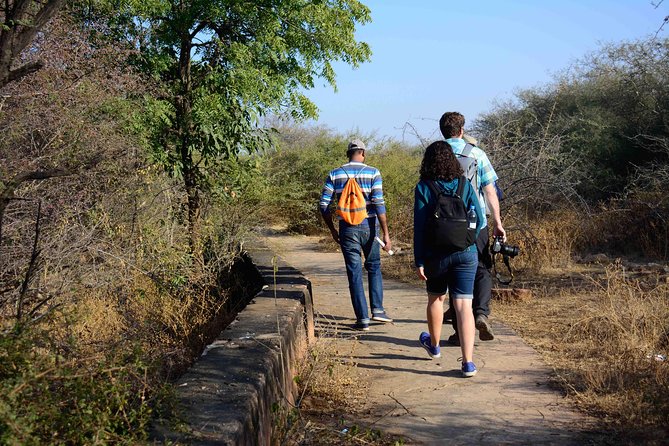
What I like most is how the guide keeps the focus on water systems people actually relied on. You get a relaxed, roughly 1 km walk in the fort area, plus a clear sense of why these structures were built where they were.
One consideration: this experience needs good weather, and bottled water and food are not included, so come ready for a bit of walking and bring your own water.
In This Review
- Key highlights to expect
- Why Nahargarh Fort Water Stories Matter
- Timing, meeting point, and what you actually walk
- The Nahargarh Fort stop: channels, roman aqueducts, stepwells, reservoirs
- Desert water logic: how the stories connect to daily life
- Neeraj’s guiding style: why people rate this so highly
- Sunset over Jaipur: camera moment and pacing
- Price value: what $39.14 gives you
- Should you book the Nahargarh Water Walk?
- FAQ
- How long is the Nahargarh Water Walk?
- Where does the tour start and end?
- What is the price per person?
- What’s included in the ticket?
- What is not included?
- Does the tour include a sunset view?
- What if the weather is poor or I need to cancel?
Key highlights to expect
- Nahargarh Fort water stories that connect desert survival to everyday design
- A roughly 1 km walk with a relaxed pace in the fort area
- Stop by stepwells, channels, and roman-style aqueducts to see how water moved
- Storage reservoirs on the route, with explanations of purpose and architecture
- Evening sunset option, with views over the top of Jaipur
- Neeraj-led guidance, praised for enthusiasm and deep, engaging knowledge
Jaipur, a few more ways to see it

Why Nahargarh Fort Water Stories Matter
Jaipur can look like a city of palaces and pink facades from a distance. Up close, it is also a place built around controlling water in a dry region. This walk makes that connection feel practical, not lecture-like.
The theme is simple: you are learning how desert communities solved a problem that never fully went away, water getting to where people lived. Along the route you’ll see structures tied to movement, storage, and access. Stepwells help people draw water efficiently, channels guide it across uneven land, and aqueducts show larger-scale planning for bringing water from one place to another.
What makes the whole experience useful is the way it turns “old stone” into a system. When you can picture where water was captured, where it traveled, and where it was used, Jaipur’s heritage stops being just sightseeing. It becomes a story of engineering and community needs, told at walking pace.
You also get a break from downtown Jaipur’s constant motion. The walk stays in the countryside around Nahargarh Fort, so you can breathe a little and focus on details without feeling rushed.
Timing, meeting point, and what you actually walk
Plan for about 1 hour 30 minutes to 2 hours. The route is about 1 km long and runs in the vicinity of Nahargarh Fort, so it is not a long trek day. It is also capped at a maximum of 30 travelers, which usually helps keep the guide’s explanations clear.
You meet at Nahargarh Fort, Krishna Nagar, Brahampuri, Jaipur, Rajasthan 302001. The tour ends back at the same meeting point, so you are not stuck figuring out a new pickup after the walk. That matters if you have other plans for later in the day.
Timing is a real choice here. The opening hours run daily from 6:00 AM to 6:00 PM, which gives you flexibility. If you go in the evening, the tour includes the payoff: a sunset view overlooking the 300-year-old Jaipur city from the fort area.
Comfort-wise, remember this is a heritage walk on foot, and bottled water and food are not included. If you’re sensitive to sun or heat, bring a water bottle and consider wearing shoes you’re happy to wear on uneven ground.
The Nahargarh Fort stop: channels, roman aqueducts, stepwells, reservoirs
The walk is built around one main location, the Nahargarh Fort water route area. You start there and spend the time moving past water structures while the guide explains what each one did and why it was designed the way it was.
You’ll hear about channels that carried water, and you’ll learn how the shape and placement helped move water efficiently. Then there are roman aqueducts, which are highlighted as part of the water-transport story you’re seeing in the fort vicinity. Even if you’re not an architecture expert, these descriptions help you understand that aqueducts are not decorative. Their whole job was carrying water from point A to point B.
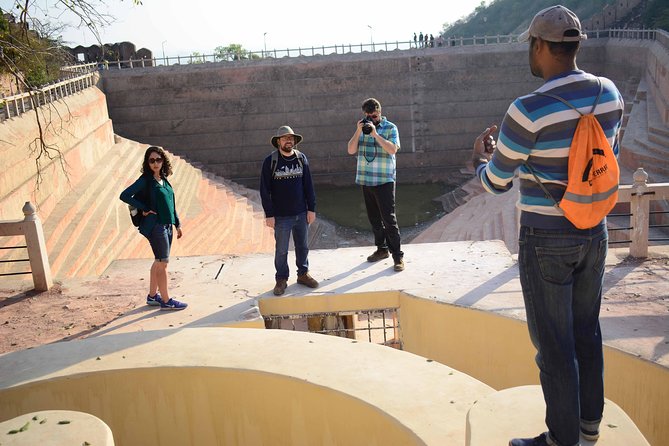
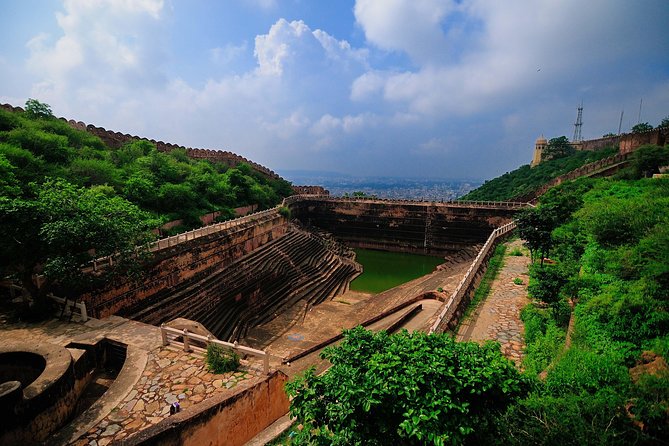
Stepwells are also part of what you’ll encounter. A stepwell is more than a hole in the ground. It is a shaped space where water access and daily life met, and the steps are part of how people could reach water safely and comfortably.
You also look at storage reservoirs, which are crucial in a place where rainfall patterns can be unpredictable. Storage is the difference between having water sometimes versus having water when you need it. Seeing a reservoir type structure while the guide explains its purpose makes the logic click fast.
A practical plus: the tour is described as relaxed, with natural beauty around you while you listen. That matters because if the guide kept it strictly classroom-style, you might lose the thread. Instead, the walking rhythm helps you remember what you saw and why it mattered.
Other Amber Fort and palace visits
- Jaipur: Jaipur & Amber Fort Full or Half-Day Guided Tour★ 4.8 · 210 reviews
- Jaipur Amer Fort, Jal Mahal & Stepwell Private Half-Day Tour★ 5.0 · 204 reviews
- Jaipur Guided City Tour: City Palace, Jantar, Hawa & Jal Mahal★ 5.0 · 186 reviews
- Jaipur Tuk Tuk Sightseeing Tour with Monkey Temple Sunset View★ 5.0 · 108 reviews
- Full-Day Jaipur City Tour with Amber Fort and City Palace★ 5.0 · 99 reviews
Desert water logic: how the stories connect to daily life
Here’s what you should pay attention to as you walk: the guide keeps tying structures back to desert communities. That’s the real value. These buildings were not built in a vacuum, they were solutions for life in a dry climate.
When you understand that water had to be moved, stored, and accessed, the rest of Jaipur’s heritage starts to make more sense. You begin to see why engineering and community planning were such big deals. A stepwell is social infrastructure. An aqueduct is logistics. A reservoir is resilience.
I also like that the tour’s structure is flexible enough to feel like a conversation rather than a rigid script. You’re given facts, anecdotes, and tales, and the walk stays entertaining. That entertainment piece is not fluff. It is what keeps you listening when the topic is technical.
From a camera perspective, water systems are visually rewarding. Channels and aqueduct sections show lines and angles that photograph well. Stepwell areas give you depth and repeating patterns. Reservoir-looking structures can feel dramatic at golden hour, especially when the guide helps you line up the best sightlines.
If you’re the type who usually skips history tours because you fear a dry lecture, this one is designed to feel human. Water is always about people, even centuries later.
Neeraj’s guiding style: why people rate this so highly
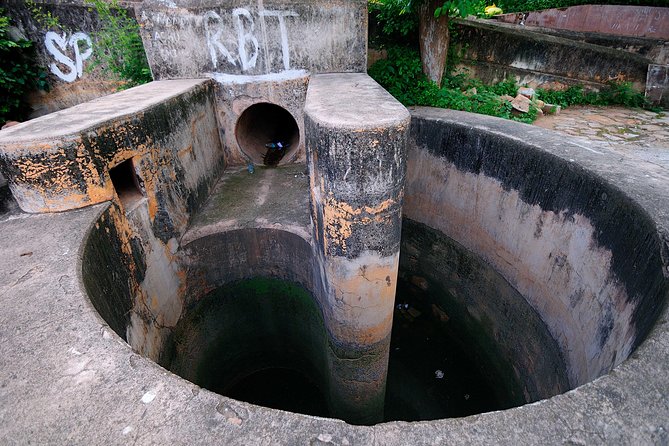
The guide name that shows up in the strongest feedback is Neeraj. The common theme is energy plus clarity. People describe him as enthusiastic and informative, with a passion for the subject that comes through in the way he explains.
That combination matters on a tour like this. Water infrastructure can be confusing if it’s explained only in terms of dates and names. Neeraj’s approach, as reflected in feedback, focuses on purpose, architecture, and how the pieces worked together. In other words, you’re not just looking at old structures. You’re understanding a system.
You’ll also notice that the tour is designed to keep you engaged over the full 2 hours. The storytelling is part of how you stay oriented, especially if you’re not from Rajasthan and don’t already know what you’re looking at.
My practical advice: ask small questions while you’re walking. If the guide mentions a channel or aqueduct detail, ask what problem it solved. If the guide points to stepwell features, ask how people might have used it day to day. You’ll get more out of the experience that way, and you’ll remember it later.
Sunset over Jaipur: camera moment and pacing
This tour has a built-in end scene if you take it in the evening. The experience specifically notes that you can witness a majestic sunset while standing overlooking Jaipur city from the top area. That is the payoff for many people, because it turns heritage into atmosphere.
For photos, plan your timing. Golden hour light can be forgiving, but it also rewards preparation. Bring your camera and get your settings ready before the group settles into the viewing area. If you’re using your phone, clean the lens and tap to focus on the brightest skyline features.
Also, think about what you want to capture. You’ll likely get best results with a wide shot from the fort viewing area, then a few close-ups of water structure details before you reach the final look. The tour’s flow is built to support that rhythm.
If you prefer clear views with less heat, evening is usually the best bet. Still, keep in mind the tour requires good weather. If the day looks sketchy, build a little flexibility into your itinerary.
Price value: what $39.14 gives you
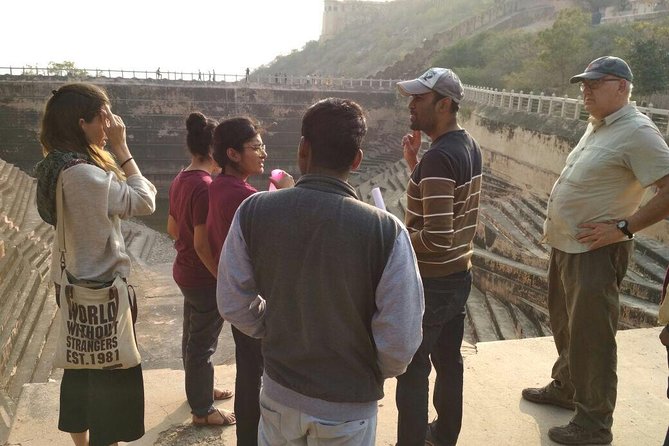
At $39.14 per person, you’re paying for a guided walk with structured storytelling and an included admission ticket. For a 1.5 to 2 hour experience, that price sits in the range you can justify when you factor in the guide time and the fact that the walk is centered on a single meaningful area with multiple water-heritage stops.
What makes the price feel fair is that you are not just touring viewpoints. You’re learning why each water structure existed and how it functioned in a desert region. That’s where the guide earns the fee.
There’s also a nice capacity sweet spot: the group size max is 30 travelers. Smaller groups tend to feel easier to manage, and it makes it more likely you can hear explanations clearly throughout the walk.
Just don’t forget the “not included” basics. Bottled water and food are not part of the ticket, so you may want to buy water separately before you start or carry your own. Budget for that, especially if you’re going at a warmer time of day.
Should you book the Nahargarh Water Walk?
Book it if you want Jaipur that feels lived-in and practical. This is not the typical looking at buildings kind of tour. You get an explanation of how water shaped daily survival, and you walk through that story with guidance from Neeraj.
Skip or reconsider if you hate walking in dry heat, because you will be on your feet and water is not included. Also, if you’re traveling on a tight schedule with no flexibility, remember it requires good weather.
If you want a solid use of a late afternoon or early evening, this is a strong choice because you get both education and the sunset view. And if your goal is photography with meaning, the combination of water structures and fort viewpoints gives you plenty to work with.
FAQ
How long is the Nahargarh Water Walk?
The tour runs about 1 hour 30 minutes to 2 hours.
Where does the tour start and end?
It starts at Nahargarh Fort, Krishna Nagar, Brahampuri, Jaipur, Rajasthan 302001, India, and ends back at the same meeting point.
What is the price per person?
The price is $39.14 per person.
What’s included in the ticket?
The tour includes a tour guide, and admission ticket is included. The tour also uses a mobile ticket.
What is not included?
Bottled water and food are not included.
Does the tour include a sunset view?
Yes. If you take the tour in the evening, you’ll witness sunset views over the top of Jaipur.
What if the weather is poor or I need to cancel?
This experience requires good weather. If it is canceled due to poor weather, you’ll be offered a different date or a full refund. You can cancel for free up to 24 hours in advance for a full refund.
Amber Fort and the Jaipur Palaces




The Pink City, More Reviewed Days


Recently reviewed across Jaipur
- 6-Night Royal Rajasthan: Private Tour from Jaipur, India
★ 5.0 · 10 reviews - Jaipur Nahargarh Sunset and Night Lights Tour
★ 5.0 · 10 reviews - Jaipur Full Day Heritage of Pink City Tour By Tuk Tuk With Chai
★ 5.0 · 10 reviews - Private Jaipur Sightseeing Tour by Tuk-Tuk
★ 5.0 · 10 reviews - Explore Jaipur at Night with Patrika Gate
★ 5.0 · 10 reviews - Jaipur walking tour.
★ 5.0 · 10 reviews
Jaipur Pink City Tours, compared.
 ★ 4.9Private Full Day Sightseeing Tour By Car with GuideFrom $41,839 reviews
 ★ 5.03-Hour Morning Bike Tour of JaipurFrom $321,253 reviews
 ★ 5.03-Days Private Golden Triangle Tour: Delhi, Agra & Jaipur by CarFrom $1271,098 reviews
 ★ 5.03-Day Delhi, Agra and Jaipur Private Tour – India Golden TriangleFrom $110812 reviews
 ★ 5.0Four-Day Private Luxury Golden Triangle Tour to Agra and Jaipur From New DelhiFrom $160807 reviews
 ★ 4.8Private Sightseeing Day Tour with Guide by CarFrom $5773 reviews
 ★ 5.0Jaipur Day Trip from Delhi by Car or Train – All InclusiveFrom $116663 reviews
 ★ 5.0Jaipur City Private Day Tour from Delhi by Car – All InclusiveFrom $10589 reviews
Browse the lists this tour appears in