
REVIEW · INDIA
The Chef @ 11:30 am (4 Main Dishes + 3 Breads)
Spices, bread, and a relaxed home kitchen. I love the hands-on cooking because you are not just watching, you are actually stirring, frying, shaping, and timing like a real cook. I also like how the host teaches the why behind the flavors, then lets you sit down together and eat what you made. One thing to consider: you need to be clear about your dietary restrictions when you book, because the menu is customized but it depends on you telling them up front.
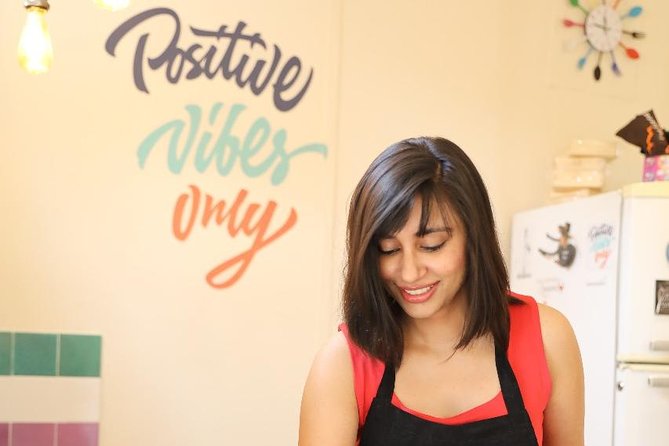
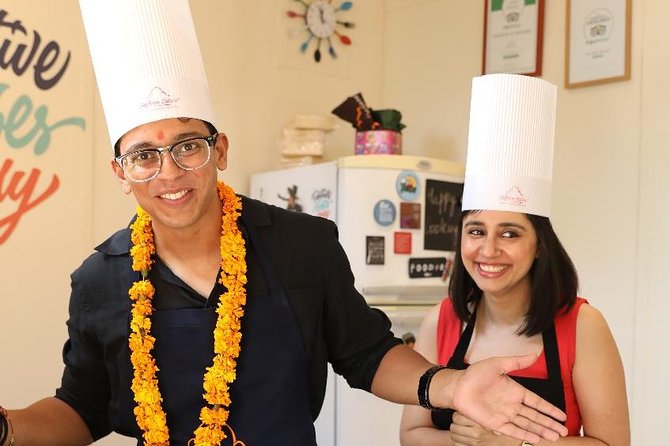
This is based at Saffron Palate in Hauz Khas, right by Chor Minar, in a comfortable, home-kitchen setup people describe as a rooftop oasis and a custom-built room. Small groups (up to 8) help you get real attention, and the mood stays friendly and relaxed rather than stiff or overly formal. In a few sessions, the dog Zoey also gets a cameo, which is sweet if you like dogs and fine if you do not mind a little chaos in the best way.
In This Review
- Key things I’d bet on before you go
- Stop 1 at Saffron Palate: your 11:30 am welcome in Hauz Khas
- How the 3 hours work: cooking, bread practice, and eating what you made
- What you will likely cook (based on what’s taught and served)
- The heart of it: spice technique you can recreate, not just recipes you copy
- Breads and the small tricks that make them work
- Lunch at the end: eating as part of the lesson
- Dietary needs and recipes: how flexible is it really?
- Group size, attention, and why $60 can make sense
- Who should book, and who might skip this
- Should you book the Chef @ 11:30 am class with Saffron Palate?
- FAQ
- What time does the Chef @ 11:30 am class start, and how long is it?
- What do I cook during the class?
- Is vegetarian, vegan, or gluten-free food available?
- Is lunch included in the price?
- Do you provide recipes to take home?
- How many people are in each session?
- Where is the meeting point?
- Can I book a private session?
- What happens if the weather is poor?
Key things I’d bet on before you go
- Small group setup (max 8), so you get hands-on time instead of waiting your turn
- 4 main dishes plus 3 breads, which means you leave with a full repertoire to recreate later
- Spice technique teaching, not just flavor descriptions, so you learn how dishes come together
- Dietary customization (vegetarian, vegan, gluten-free) with recipes provided
- Sit-down lunch at the end, so the learning turns into a meal you actually enjoy in the moment
Shortlisting? Every New Delhi trip below went through the same review.



Stop 1 at Saffron Palate: your 11:30 am welcome in Hauz Khas
Your experience starts at Saffron Palate, on the first floor, near Chor Minar in Block R, Padmini Enclave, Hauz Khas. It is a set meeting point and it returns you there at the end, so you do not spend the evening guessing where to go next.
This part matters more than it sounds. A cooking class lives or dies by the vibe of the kitchen, and this one is described as comfortable and well organized, with participants splitting into smaller teams so more people can work at once. If you arrive a little early, you should be able to get your bearings fast, settle in, and get ready for what is mostly a working session rather than a lecture.
Also, this is a good location if you like being near familiar landmarks. Being close to public transportation is a plus, because you can keep your day simple before or after the class.
How the 3 hours work: cooking, bread practice, and eating what you made
The class runs about 3 hours starting at 11:30 am. Expect a steady flow that moves from prep to cooking to bread-making, then ends with a sit-down meal.
Here is the rhythm you can plan for:
First, you get your ingredient and spice briefing. You learn about spices as building blocks, including the basics that make Indian food taste like Indian food, not like a generic curry. People consistently call out the spice foundation and techniques, which is exactly what you want if your goal is to cook at home later.
Then the kitchen action starts. You will prepare multiple main dishes and also make breads. The pacing is interactive, and in some sessions you may be grouped into teams, which helps if you prefer learning by doing rather than standing back.
Finally, you take a proper break and sit down to eat. A lot of cooking classes rush the last part, but this one is set up so you get a true meal at the end, which makes the time feel like real value. You also get time to talk with the host about spices, cooking methods, and Indian food culture in plain, everyday language.
What you will likely cook (based on what’s taught and served)
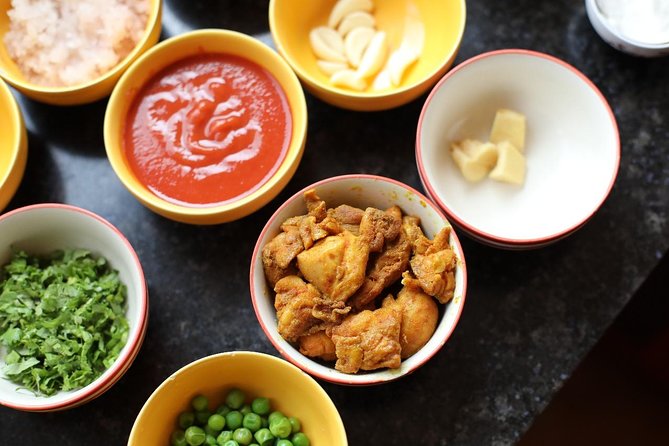
The class highlights classics like butter chicken and biryani rice, plus a variety of naan breads. That is a smart mix for travelers because it covers two big skills:
- building a sauce with depth
- balancing bread technique with timing and heat control
And yes, your menu can be adjusted for dietary needs, so the dishes you end up making may look different than what a previous group made. The goal stays the same: you learn the core methods.
- Old & New Delhi City Tour – Half or Full Day Options Available★ 5.0 · 4,811 reviews
- Taj Mahal Tour from Delhi by Express Train (Viator Award Winner)★ 5.0 · 2,849 reviews
- Same Day Taj Mahal, Fort & Baby Taj Tour from Delhi by Car★ 4.9 · 2,534 reviews
- From Delhi: Taj Mahal and Agra Fort Private Sunrise Tour★ 4.9 · 2,270 reviews
- Sunrise Taj Mahal, Agra Fort & Baby Taj Tour from Delhi by Car★ 5.0 · 2,243 reviews
The heart of it: spice technique you can recreate, not just recipes you copy
What makes this class feel especially useful is that the teaching focuses on the fundamentals. You are not only getting a list of ingredients. You are learning how spices behave and how to use them so your food tastes right, even when you are cooking in your own kitchen later.
From what people describe, Neha is the kind of teacher who explains clearly and stays supportive while you work. Many reviews emphasize warm guidance and hands-on help throughout the session, including small coaching moments when something needs adjusting. That matters because Indian cooking can look simple but it is detail-heavy, especially with spice order, heat levels, and how sauces thicken.
Also, the class provides recipes. That turns the experience from a fun afternoon into a usable reference you can take home, even if you only remember parts while you are busy cooking.
If you have cooked before, you will still appreciate the spice framework. If you are new to Indian food, you will get the kind of starter knowledge that reduces the guesswork.
Breads and the small tricks that make them work
The bread portion is one of the big reasons to book. You are learning bread as a technique, not just as a side dish.
The experience includes 3 types of bread, and the focus is on getting the breads just right. People mention learning tricks for timing and technique, and they sound genuinely excited about how much better their bread improved after the class.
If you are gluten-free, you are not automatically shut out. The menu can be customized for gluten-free, and one review specifically mentions making a gluten-free pancake. That is a practical detail, because it signals the class can adapt to real dietary limits rather than offering a plain “no” or a watered-down option.
Even if you do not make bread perfectly on your first attempt at home, you will leave knowing what to watch for: heat, thickness, and the point where dough or batter is ready to move on.
Lunch at the end: eating as part of the lesson
You will stop cooking and sit down for lunch, with refreshments included. Coffee or tea is also part of the package, plus bottled water and beverages.
This meal is not just a bonus. It is where the class clicks. You taste what you made while the flavors and cooking decisions are still fresh in your mind. That makes it easier to understand what changes you might make next time.
People also highlight the relaxed, conversational end of class, where you can talk with the host and learn more about spices and the cultural side of Indian cooking. That matters for value, because you are leaving with stories and context, not only instructions.
If you have a busy travel day, this is a nice reset. A 3-hour class that ends with a real sit-down meal keeps your energy up, and you avoid the common “cook class, then run for dinner” trap.
Dietary needs and recipes: how flexible is it really?
The experience explicitly says you can customize the menu for vegan, vegetarian, and gluten-free needs. You are also asked to let the team know about dietary constraints at booking time.
That is the right approach. In Indian cooking, small ingredient changes can affect texture and flavor, so it makes sense that you should communicate clearly. If your needs are more than basic preferences, write them down and send them during booking, then double-check the plan when you get confirmation.
One more practical point: recipes are provided. So even if you make a customized version in class, you still have something you can follow later.
Group size, attention, and why $60 can make sense

The price is $60 per person for an experience that runs about 3 hours, includes lunch, beverages, and coffee or tea, and gives you instruction to prepare 4 main dishes and 3 breads with recipes to take home.
If you only compare it to a casual restaurant meal, the value looks lower. But when you compare it to what you are buying, it is more like paying for a guided cooking workshop plus the ingredients and the meal you eat.
Small group size (up to 8) is part of why it feels fair. You are not stuck watching from the sidelines. Multiple reviews mention hands-on time, with some sessions using team-style grouping to keep everyone active.
And the spice-focused teaching is a big differentiator. Many classes show a final result. This one pushes you toward understanding how the flavor comes together. That is what helps you cook the dishes again at home, instead of treating the class food as a one-time event.
Who should book, and who might skip this
This is a great fit if you:
- want a true hands-on cooking experience
- like learning spice technique, not just collecting recipes
- enjoy sitting down at the end to eat with the host
- travel with dietary needs and want customization
It may be less ideal if you:
- prefer purely observational experiences with no kitchen work
- want a quick tasting menu with minimal cooking time
- have very specific restrictions you did not mention at booking (because the class can customize, but it depends on clear instructions)
For families, the tone described in reviews sounds patient and welcoming. One participant noted the host was kind with a one-year-old, which suggests the environment can be accommodating when handled respectfully.
Should you book the Chef @ 11:30 am class with Saffron Palate?
If you want one “learn the real method” experience in New Delhi, I think this is an excellent choice. You get a full menu spread, strong spice instruction, and a sit-down meal that turns the cooking into something you enjoy immediately. The small group size and hands-on style make it feel personal, not like a factory tour.
My advice: book it if you are willing to cook, ask questions, and share your dietary needs clearly at the time of booking. If you do that, you will likely leave with a new confidence in how Indian dishes are built, plus recipes you can actually use when you get home.
FAQ
What time does the Chef @ 11:30 am class start, and how long is it?
It starts at 11:30 am and runs for about 3 hours.
What do I cook during the class?
The class includes cooking 4 main dishes and making 3 types of bread.
Is vegetarian, vegan, or gluten-free food available?
Yes. The menu can be customized for vegetarian, vegan, and gluten-free needs. You should share your dietary requirements at booking.
Is lunch included in the price?
Yes. Lunch (or dinner depending on the time booked) is included, along with beverages and bottled water. Coffee or tea is also included.
Do you provide recipes to take home?
Yes. Recipes are provided.
How many people are in each session?
This activity has a maximum of 8 travelers.
Where is the meeting point?
You meet at Saffron Palate, R 21, First Floor, near Chor Minar, Block R, Padmini Enclave, Hauz Khas, New Delhi, Delhi 110016, India.
Can I book a private session?
Yes. Private sessions can be booked.
What happens if the weather is poor?
The experience requires good weather. If it is canceled due to poor weather, you will be offered a different date or a full refund.
Recently reviewed across New Delhi
- Golden Triangle – Delhi Agra and Jaipur
★ 5.0 · 10 reviews - Taj Mahal & Agra Tour by Indian Bullet Train All Inclusive
★ 4.5 · 10 reviews - Private Tour in Mehrauli Archaeological Park & Qutub Minar
★ 5.0 · 10 reviews - Old & New Delhi Tour
★ 5.0 · 10 reviews - From Delhi : Taj Mahal & Agra Fort Tour by Luxury Express Train
★ 5.0 · 10 reviews - Delhi Shopping Tour: Top Bazaars, Crafts & Souvenir Finds
★ 5.0 · 10 reviews