
REVIEW · INDIA
The Chef @ 5 pm (3 Main Dishes + 2 Breads)
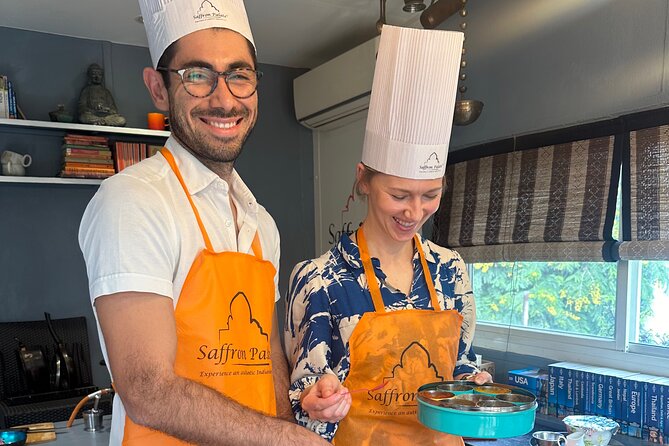
Dinner gets more hands-on at 5 pm. This small-group class at Saffron Palate turns an Indian home kitchen into your classroom, with 3 main dishes and 2 flat breads in about 2.5 hours. You get practical technique, not just watching someone else cook, and the meal you make becomes your dinner.
I especially like the way the setup supports everyone cooking, not hovering. The only real caution is that the exact number of main dishes you cook can shift if the schedule is tight for your group.
I also like that you leave with recipe guidance you can actually use, plus clear spice and step-by-step explanations from the host, often described as welcoming and patient (Neha is the name that comes up again and again). Recipes are provided, so you can recreate the dishes after you’re back in your own kitchen.
In This Review
- Key things to know before you cook
- Chef @ 5 pm at Saffron Palate: what the timing and format really mean
- The menu: 3 main dishes, 2 breads, and the kinds of flavors you’ll learn
- Your hands at the stove: what “hands-on” looks like in real life
- Butter chicken, biryani, and naan: the techniques behind the famous dishes
- Spice knowledge you can use, not spice trivia you forget
- Dietary options and customizing your menu with less stress
- Where you meet, how you get there, and what to plan for
- Price and value: is $55 per person actually fair?
- Common gotchas: how the class can vary and who should book
- Quick practical tips before you go
- Should you book this Chef @ 5 pm class at Saffron Palate?
- FAQ
- What is the duration of the Chef @ 5 pm cooking class?
- How much does the class cost?
- What dishes are included in the class?
- Does the menu support dietary restrictions?
- Are recipes provided?
- How many people are in the group?
- Where do I meet for the class?
- What time does the class start?
- Does the activity end back at the meeting point?
- Is this class dependent on weather?
Key things to know before you cook
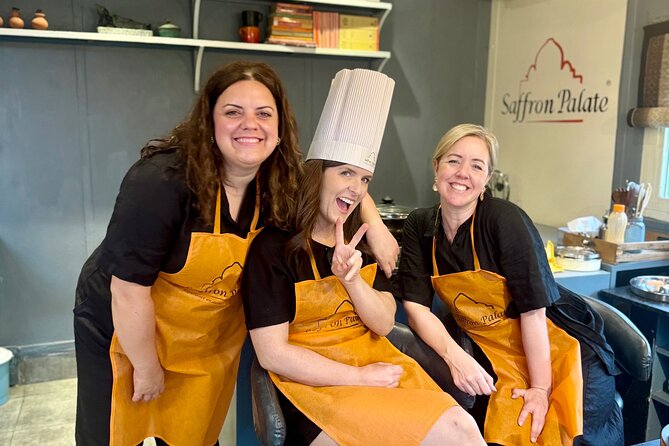
- Hands-on in a home kitchen: everyone participates, not a spectator experience
- 3 mains + 2 breads: the core menu format stays consistent, with possible small timing changes
- Dietary swaps are built in: vegan/vegetarian and gluten-free options are available if you tell them up front
- Recipes provided: you get a guide for what you learned, not just a full stomach
- Small group size: maximum of 8 travelers, so questions are easier to ask
- 5 pm timing: plan on this being part of your evening dinner routine
Shortlisting? Every New Delhi trip below went through the same review.




Chef @ 5 pm at Saffron Palate: what the timing and format really mean
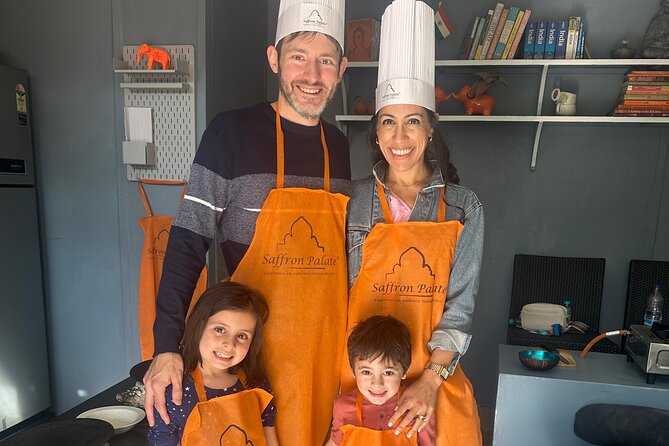
This class starts at 5:00 pm at Saffron Palate, in Hauz Khas, near Chor Minar. The activity lasts about 2 hours 30 minutes, and it ends back at the meeting point, so you do not need to figure out a complicated “after class” plan.
That start time matters. In Delhi, 5 pm sits right between late afternoon and dinner, so you’ll likely feel ready to eat by the time the food lands on the table. It also helps you avoid trying to fit a cooking class into a full sightseeing day.
The group is intentionally small, with a maximum of 8 travelers. In practice, that means more hands time and more chances to ask questions while you’re chopping, sautéing, and cooking.
The experience uses a mobile ticket, and you should receive confirmation at booking. It is also listed as near public transportation, so you can avoid turning your evening into a taxi scavenger hunt.
One more practical note. The class is weather dependent, and there is a minimum traveler requirement. If weather or minimum numbers interfere, the operator offers another date or a full refund, so keep your schedule flexible when you can.
The menu: 3 main dishes, 2 breads, and the kinds of flavors you’ll learn
The core format is clear: 3 main dishes (1 chicken and 2 vegetarian) plus 2 flat breads. The class includes hands-on cooking for all of that, though there can be a variation if the timing is tight for your specific group.
You’ll see classic Indian comfort flavors. The experience description highlights dishes like butter chicken, plus biryani rice, and a range of naan breads. Even if your exact lineup varies slightly, the techniques are the point: sauces, spice layering, cooking times, and bread-making basics.
Here’s what that menu structure teaches you as a home cook:
- One chicken dish shows you how to build a gravy and balance richness with spice
- Two vegetarian mains give you practice with common Indian vegetable techniques and how spices behave without meat
- Two breads teach you that breads are not a single skill. There is dough, rolling or shaping, heat control, and timing
If you care about variety, this is a strong combo. Most classes in the region either over-focus on mains or only do one bread. This one gives you both, which makes it more useful when you cook later.
Also, you get recipes provided. That matters because Indian cooking depends on small choices, not just ingredients. Having a recipe sheet means you can repeat the same approach when you’re shopping and cooking at home.
Your hands at the stove: what “hands-on” looks like in real life
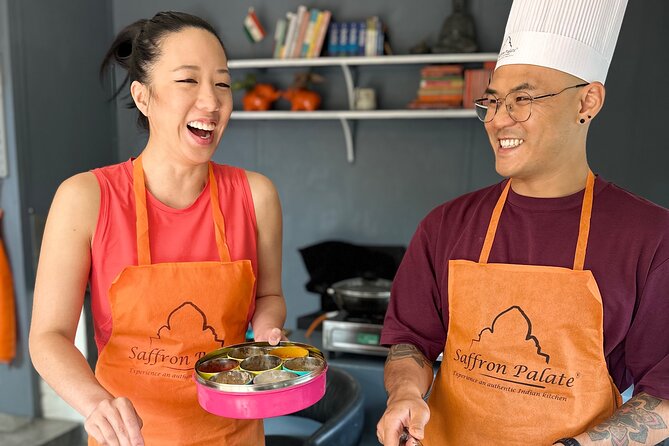
This is not a sit-and-watch class. It is hands-on participation in a home kitchen setting. The host, commonly identified as Neha at Saffron Palate, teaches you through the process so you can actually perform the steps.
From what people say about the teaching style, Neha’s focus is on clarity and comfort in the kitchen. You will likely be doing practical tasks like chopping and sautéing while explanations happen alongside the work, not after it.
A key detail is how the kitchen supports multiple cooks at once. Feedback highlights that the studio setup makes it possible for each person to have working burners and space. That setup reduces the typical problem with cooking classes, where half the group gets stuck waiting their turn.
You’ll also get a sense of how Indian home cooking fits into daily life. The class is described as a window into Indian home and kitchen culture, and that shows up through the pacing and the way ingredients and spices are discussed.
- Old & New Delhi City Tour – Half or Full Day Options Available★ 5.0 · 4,811 reviews
- Taj Mahal Tour from Delhi by Express Train (Viator Award Winner)★ 5.0 · 2,849 reviews
- Same Day Taj Mahal, Fort & Baby Taj Tour from Delhi by Car★ 4.9 · 2,534 reviews
- From Delhi: Taj Mahal and Agra Fort Private Sunrise Tour★ 4.9 · 2,270 reviews
- Sunrise Taj Mahal, Agra Fort & Baby Taj Tour from Delhi by Car★ 5.0 · 2,243 reviews
Butter chicken, biryani, and naan: the techniques behind the famous dishes
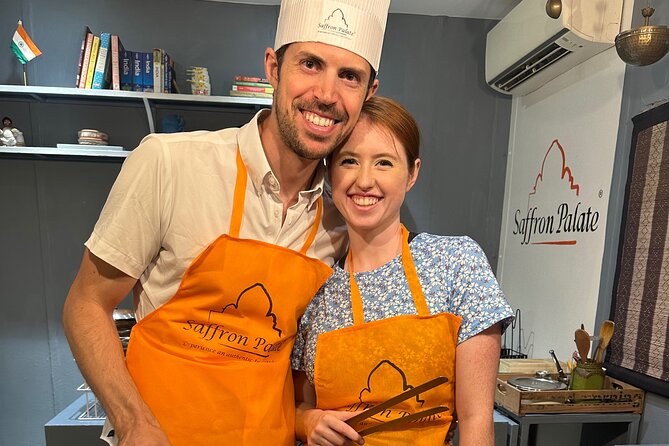
You’re learning techniques tied to well-known dishes, which is exactly what you want if your goal is to cook Indian food again later.
Butter chicken is a great anchor dish because it teaches the gravy logic: spice bloom, building a sauce base, and managing richness without losing flavor. Even if you do not end up making the butter chicken specifically on your run, the method is the transferable skill.
Biryani rice, when included, adds a different kind of technique. Rice dishes in India are often about controlling heat, timing, and layering flavor. If the class includes biryani rice, you’ll likely learn how to handle the rice so it stays fragrant and not mushy.
Naan breads are where many first-time cooks learn humility. Bread making is less about “one ingredient magic” and more about dough consistency, heat, and timing. If you take this class seriously, you will probably walk away with a better sense of what to look for in dough texture and when to adjust during cooking.
The best part is that you do not just taste at the end. You learn what made the final result happen, which is what lets you reproduce it at home.
Spice knowledge you can use, not spice trivia you forget
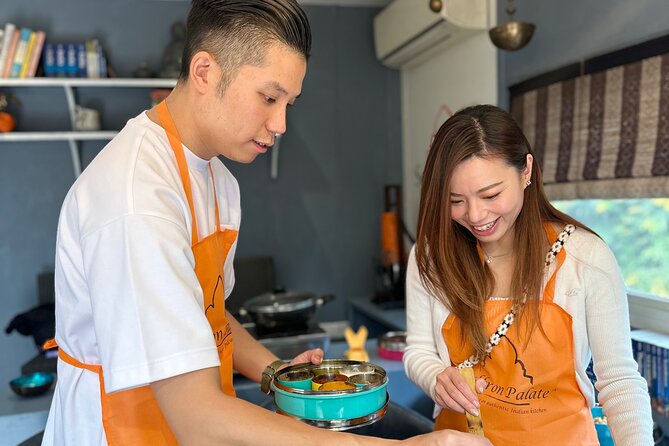
This class is built around spice understanding. The goal is not to memorize a long list of spices and feel productive for ten minutes. It is to help you understand how spices behave during cooking.
You’ll likely hear about how spices change character depending on heat and time, and how to balance flavors so your final dish tastes intentional. That is the difference between simply adding a jar of spice and actually cooking like an Indian home cook.
The teaching approach described around Neha is practical, and people note that the steps feel easy to follow. That matters if you are not confident in a kitchen. A class that explains each stage in plain language saves you from guessing.
And you leave with the recipe sheet. That means your spice learning has a structure you can return to later.
Dietary options and customizing your menu with less stress
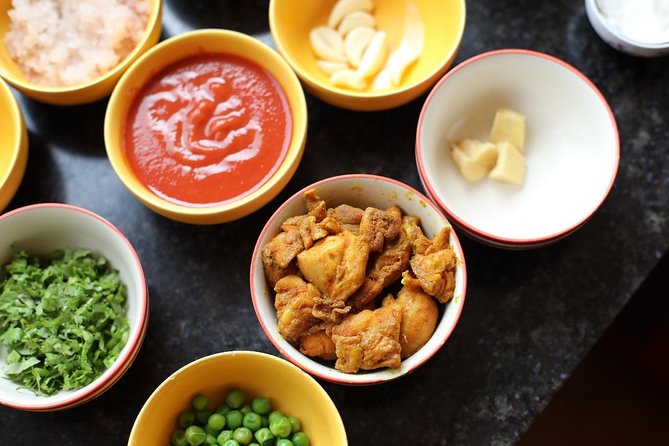
This experience explicitly says the menu can be customized to vegan/vegetarian and gluten-free options. The key is that you need to let them know about preferences and dietary constraints in advance.
If you have a gluten issue, this matters. Bread is a big part of the menu, so you want confirmation of how the gluten-free version will work for you before you arrive. The class is designed to make customization possible, but it only works smoothly if you communicate your needs early.
If you are vegetarian already, you still get the full structure: you still cook mains and breads, just with vegetarian versions. If you are vegan, you likely swap out dairy or animal-based ingredients in the appropriate dishes, depending on what the operator prepares for your session.
The class style is also friendly to dietary flexibility, since it is set up for customizing. You do not have to hope the host can adapt last minute.
Where you meet, how you get there, and what to plan for
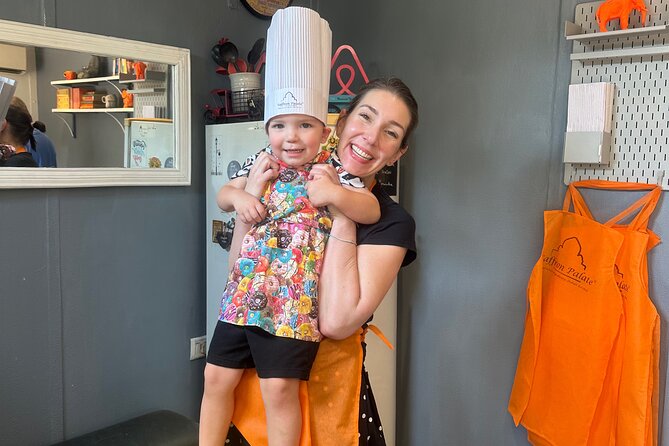
You meet at Saffron Palate, R 21, First Floor, near Chor Minar, Block R, Padmini Enclave, Hauz Khas, Delhi 110016. The class ends back at the meeting point.
Because it is near public transportation, it is usually easier to reach without needing private transport. That is helpful for a 5 pm start, when traffic can get unpredictable.
Plan to eat what you cook. The structure is hands-on learning first, then you sit down for the meal you prepared. This is not a light snack class.
Also, keep your evening flexible. A cooking class can be relaxing, but you still want a buffer after it finishes. You just spent time building flavor, so give yourself time to settle after you eat.
Price and value: is $55 per person actually fair?
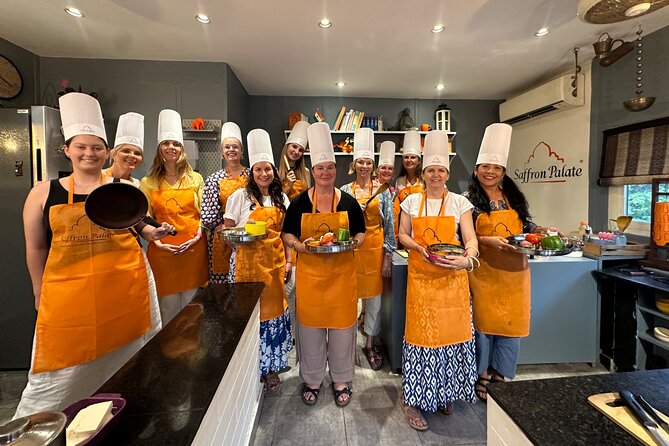
At $55 per person for about 2 hours 30 minutes, this class can be a strong value if you want more than a casual food tasting.
Here is why the price is more reasonable than it looks:
- You cook multiple mains and breads, not just one dish
- You get recipes provided, so the value extends beyond the day you attend
- The group is capped at 8, so you are not stuck in a huge, rushed crowd
- You’re paying for an at-home style teaching setup, including ingredients and instruction
It also appears to be booked in advance fairly often, with an average booking window around 50 days. That’s often a sign of demand. If you want a specific date, you’ll want to book sooner rather than later.
In short, if you love cooking and want technique, this price feels aligned with what you get. If you are only looking to eat an Indian meal, you might find cheaper options. But if you want the how, $55 makes more sense.
Common gotchas: how the class can vary and who should book
One possible drawback is that the exact number of mains you cook can vary in practice. For one specific case, a schedule issue led to cooking 2 main dishes instead of 3. That does not mean every session is like that, but it is a consideration.
So, if you book this expecting all three mains every time, build in a little flexibility. If you can stay for the full duration without early departure pressure, you’ll reduce the chance of missing part of the menu.
This class suits you if:
- You want to learn Indian cooking technique, not just eat
- You like small-group activities where you can ask questions
- You want recipes to recreate dishes after your trip
- You have dietary needs and will communicate them at booking
It may be less ideal if:
- You are very time constrained and might need to leave early
- You prefer restaurant dining over hands-on cooking
- You want zero kitchen participation, because this is built for active involvement
Quick practical tips before you go
- Send dietary preferences at booking. The class offers customization, but you need to plan ahead
- Expect a full cooking session and plan to eat the food you make
- If you are sensitive to spice, tell your host your comfort level when you arrive, so you can adjust while learning
- Bring an open mind about bread and spice work. Those are the skills you will most benefit from
Also, keep weather in mind. The experience requires good weather, so it may be rescheduled if conditions are poor.
Should you book this Chef @ 5 pm class at Saffron Palate?
I’d book it if your travel style includes learning by doing. The combination of 3 mains + 2 breads, plus recipes provided, plus a small group cap makes it feel like more than a one-off meal.
If you are excited by butter chicken, naan, and rice dishes and you want to understand how the flavors are built, this is a very practical way to level up your at-home cooking. Just give the kitchen enough time, and you’ll get the most value out of the experience.
If you want, tell me your dietary needs and what dates you’re considering, and I can help you decide what to prioritize if you want to taste and cook the closest match to your favorites.
FAQ
What is the duration of the Chef @ 5 pm cooking class?
It runs for about 2 hours 30 minutes.
How much does the class cost?
The price is $55.00 per person.
What dishes are included in the class?
The class includes 3 main dishes (1 chicken and 2 vegetarian) and 2 flat breads.
Does the menu support dietary restrictions?
Yes. The menu can be customized to vegan/vegetarian and gluten-free options if you share your needs at booking.
Are recipes provided?
Yes. Recipes are provided.
How many people are in the group?
The experience has a maximum of 8 travelers.
Where do I meet for the class?
You meet at Saffron Palate, R 21, First Floor, near Chor Minar, Block R, Padmini Enclave, Hauz Khas, Delhi 110016, India.
What time does the class start?
It starts at 5:00 pm.
Does the activity end back at the meeting point?
Yes, it ends back at the meeting point.
Is this class dependent on weather?
Yes, it requires good weather. If it is canceled due to poor weather, you will be offered a different date or a full refund.
Recently reviewed across New Delhi
- Golden Triangle – Delhi Agra and Jaipur
★ 5.0 · 10 reviews - Taj Mahal & Agra Tour by Indian Bullet Train All Inclusive
★ 4.5 · 10 reviews - Private Tour in Mehrauli Archaeological Park & Qutub Minar
★ 5.0 · 10 reviews - Old & New Delhi Tour
★ 5.0 · 10 reviews - From Delhi : Taj Mahal & Agra Fort Tour by Luxury Express Train
★ 5.0 · 10 reviews - Delhi Shopping Tour: Top Bazaars, Crafts & Souvenir Finds
★ 5.0 · 10 reviews