
REVIEW · AMRITSAR AND THE GOLDEN TEMPLE
Amritsar: Golden Temple and Jallianwala Bagh Guided Tour
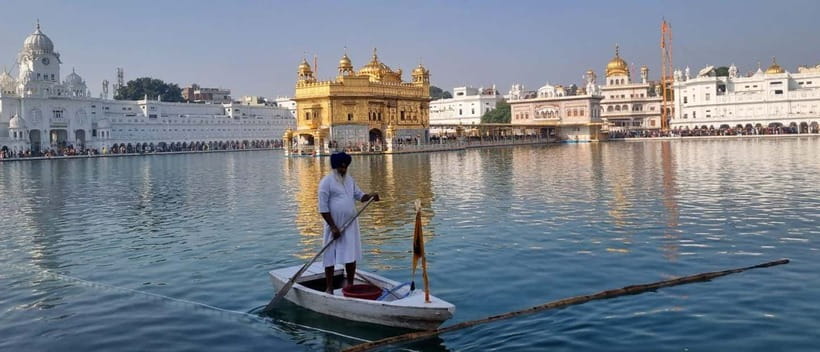
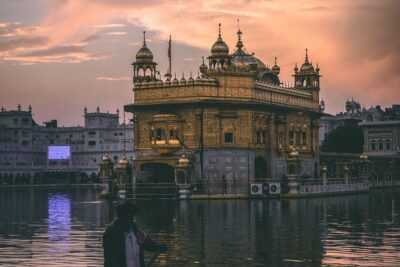
Golden Temple feels like a moving prayer. This guided loop connects the spiritual center of Sikhism, the Golden Temple, with the heavy memory of Jallianwala Bagh, then wraps both in museum stops, Gurudwaras, and a practical look at how the community kitchen keeps the place running.
Two things I really like about this tour are the way it explains faith in plain language (Akal Takht and the ideas behind the architecture), and the backstage access to langar, the community kitchen in action. You get to see the human system behind the symbolism.
One consideration: it can feel like a lot to take in, especially if you want extra quiet time sitting in the temple complex. Also, plan ahead for the temple dress code. Knees and shoulders need to be covered.
In This Review
- Key things that make this tour worth it
- Golden Temple and Jallianwala Bagh in one focused circuit
- Getting ready for Sri Harimandir Sahib, the entry rules that matter
- Akal Takht and Baba Deep Singh Gurudwara, why these stops aren’t random
- Amrit Sarovar, Dukh Banjan Beri, and how rituals get explained
- Sikh Central Museum, Bunga Ramgarhia, and the Reference Library stops
- Langar backstage: seeing the world’s biggest community kitchen run
- Jallianwala Bagh at the white flame statue, with 1919 context
- Price, pacing, and what $18 buys you in Amritsar
- Meet the guides you might get, and what their style signals
- Should you book this Amritsar Golden Temple and Jallianwala Bagh tour?
- FAQ
- What is the price of the Golden Temple and Jallianwala Bagh guided tour?
- Where does the tour start and where does it end?
- What is included in the tour price?
- What is not included?
- Which languages are available with the guide?
- Do I get access behind the scenes at the langar kitchen?
- What places are visited besides the Golden Temple?
- Are there any dress or behavior rules for the Golden Temple complex?
- Is it possible to reserve now and pay later?
- What is the cancellation policy?
Key things that make this tour worth it
- Akal Takht gets explained with context, so you understand why this place matters beyond the photos
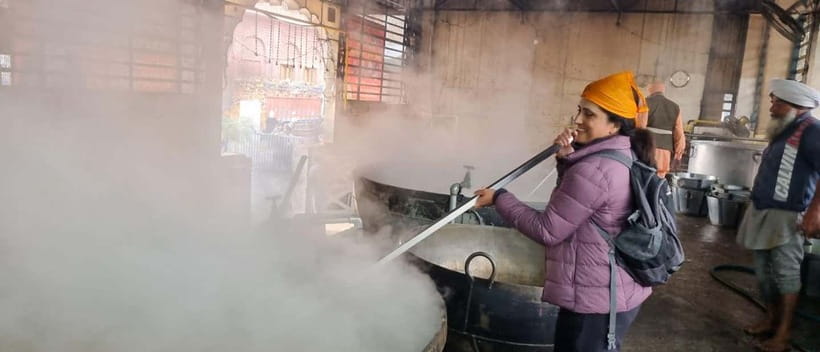
- Backstage langar access shows the real scale of the kitchen and how it works day to day
- Dukh Banjan Beri and Amrit Sarovar are treated as more than tourist stops, with meaning attached
- Sikh museum and reference library stops help you connect people, texts, and traditions
- Jallianwala Bagh with 1919 context helps the memorial land with the right weight
More of Amritsar, gurdwara to border
Golden Temple and Jallianwala Bagh in one focused circuit
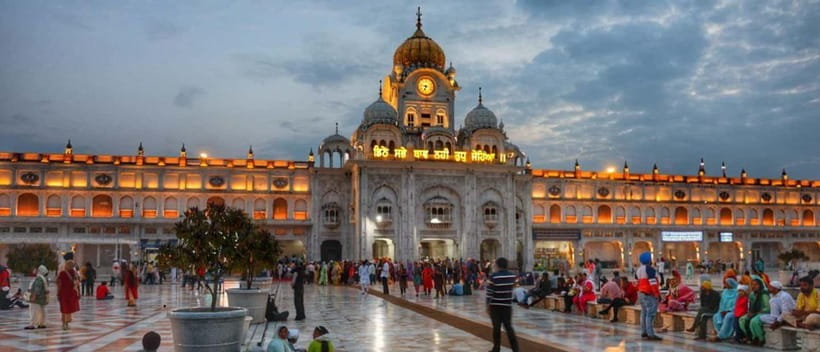
Amritsar can hit you two different ways in the same day, and that is the power of combining these stops. The Golden Temple is built for calm, music, and shared worship. Then you walk into Jallianwala Bagh, where history is not gentle, and silence is part of the experience.
What makes this tour work is the order and pacing of ideas. You start with spirituality and Sikh landmarks, you learn the thinking behind the rituals, and then you carry that understanding into a memorial tied to India’s freedom struggle and the trauma of 1919. It is a real contrast, not just sightseeing.
You also leave with more than memories. If you’re the type who wants to know why a door, a platform, or a pool matters, this tour tends to satisfy that urge.
Getting ready for Sri Harimandir Sahib, the entry rules that matter
Before you even step inside, you need to know the practical rules. For the Golden Temple complex, wear clothes that cover knees and shoulders. That rule is not optional, so I’d plan your outfit around it instead of scrambling at the gate.
You’ll also be asked not to bring tobacco, alcohol, cigarettes, e-cigarettes, and other items considered unethical for the temple environment. It is a straightforward rule, but it can take people by surprise if they are used to casual tourist behavior.
If you want your visit to feel respectful and easy, aim for a calm mindset. This place runs on a rhythm. The tour keeps you moving, but it also encourages you to follow the flow once you’re there.
Akal Takht and Baba Deep Singh Gurudwara, why these stops aren’t random
Inside the Golden Temple area, you’ll be guided through the key landmarks with explanations of Sikhism and the philosophy behind the architecture. The tour specifically includes Akal Takht, which is a major symbol for Sikh faith. The point here is not just where to look, but what to understand when you look.
You also visit Baba Deep Singh Gurudwara. That matters because it connects religious devotion to historical figures and Sikh tradition. Many visitors see buildings. This tour tries to help you see the beliefs carried by those buildings.
What I like about this approach is that it makes the site feel less like a set of pretty locations and more like a living religious center with layers. And because guides can explain in English, Hindi, or Punjabi, you can follow along instead of guessing.
A helpful detail from the guides’ style in this tour is that they answer questions clearly. Some guides, like Hardik and Deepak, are known for making the material simple and in good spirits, which helps when you’re juggling a sacred site plus heavy history in the same trip.
- Amritsar Heritage Walking Tour★ 5.0 · 112 reviews
- Amritsar: Small Group Sightseeing Tour with Wagah Border★ 4.6 · 92 reviews
- Amritsar Wagah Border Flag Ceremony.★ 5.0 · 86 reviews
- Golden Temple Guided Tour (Planet Amritsar Inc.)★ 5.0 · 78 reviews
- Amritsar Tour with A SIKH (Full Day All Inclusive)★ 5.0 · 74 reviews
Amrit Sarovar, Dukh Banjan Beri, and how rituals get explained
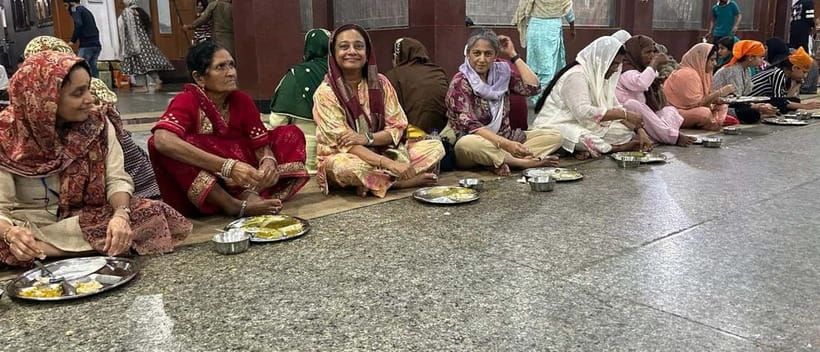
The tour includes stops tied to Amrit Sarovar, the holy pool at the heart of the complex. You’ll hear about the holy dip and what people associate with the act. Even if you don’t participate, you’ll understand why the pool is central to the spiritual atmosphere.
You also visit Dukh Banjan Beri. Again, this is one of those places where photos give you the surface, but a good guide gives you the meaning. The tour includes explanation of the site and the ideas behind it, so you know why pilgrims treat it with care.
Here’s the value for you: Sikh rituals can feel unfamiliar at first, especially if your experience is mostly mainstream religious travel. This kind of guided interpretation turns the visit into understanding rather than just observation.
One more practical tip: you’ll want to stay flexible. Sacred places are active, and the atmosphere involves everyone. The tour focuses on respectful etiquette, so you’re not just moving quickly through rooms, you’re learning how the place breathes.
Sikh Central Museum, Bunga Ramgarhia, and the Reference Library stops
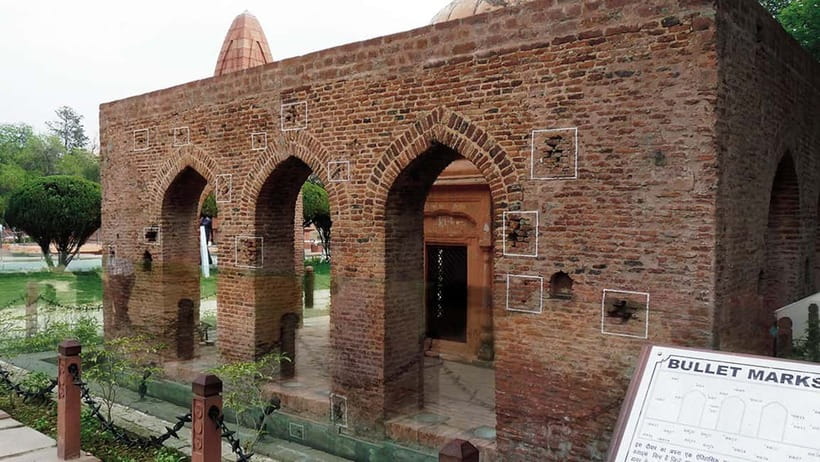
At some point, you’ll switch gears from worship space to learning space. This tour includes visits to the Sikh Central Museum and the Sikh Reference Library, plus a stop connected to Bunga Ramgarhia.
I like museum stops that actually connect to what you just saw. Here, you’re not jumping into random exhibits. The museum helps you connect Sikhism to people, art, and the development of religious life. The reference library stop gives you a sense that this is a tradition with texts, scholarship, and continuity.
From the way the tour has been described, the museum is a standout for people who want a clearer picture of Sikhism after seeing the golden complex in person. Even if you only have a short time, these stops give you a framework you can carry back to street level.
Also, the guide narration tends to connect architecture and religious philosophy with local Amritsar life. That is where Bunga Ramgarhia fits in. You’re seeing how the city’s community life and religious identity interlock.
Langar backstage: seeing the world’s biggest community kitchen run
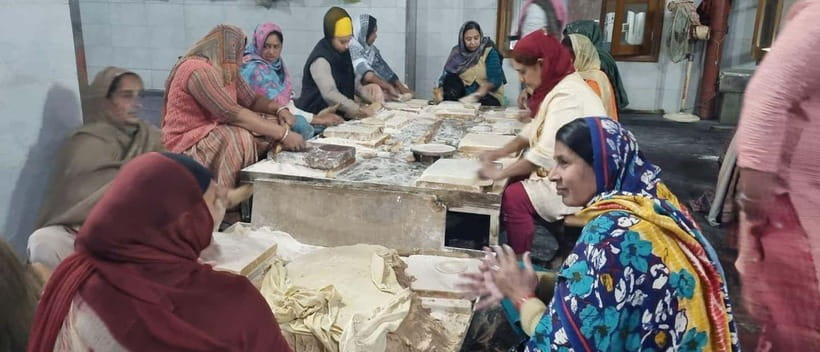
If you care about real-life community, this is the heart of the tour. You visit Langar, described as the world’s largest community kitchen, with daily attendance ranging from about 50,000 to 150,000 people. The tour doesn’t just point at the concept. It includes an exclusive look at the back kitchen and live operations.
That backstage access is a big deal. It helps you understand that langar is not a symbolic gesture. It is a system: people, workflow, serving, kitchens, and coordination, all focused on feeding everyone regardless of background.
Why I think this is genuinely valuable for you: it makes the religious idea of equality visible. At the Golden Temple, the atmosphere can feel abstract and beautiful. In the langar kitchen, that idea becomes practical, measurable, and human.
In the reviews tied to this tour, the langar part comes up again and again, especially the idea of seeing the operation rather than just hearing a story. People also noted that they liked the balance between museum time and this working kitchen stop, because both help you understand Sikh life beyond monuments.
One honest note: there is one trade-off. Some people want more quiet time inside the Golden Temple itself and feel the kitchen segment takes that slot. If temple stillness is your number one goal, you’ll want to manage expectations that langar is a major part of the experience here, not a quick add-on.
Jallianwala Bagh at the white flame statue, with 1919 context
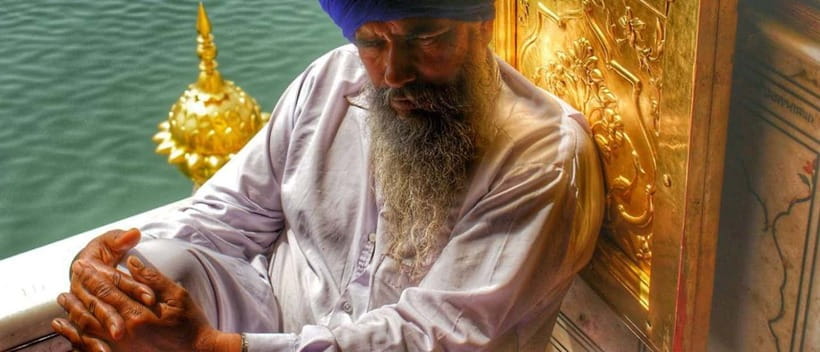
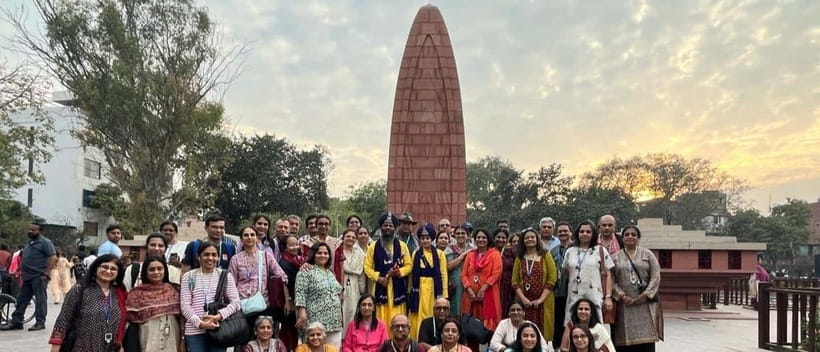
You start near Jallianwala Bagh, outside the entrance gate near the white flame statue, and you end back at the same meeting point. That layout keeps things simple, but it also signals how this tour treats the memorial: it is not just an afterthought.
At Jallianwala Bagh, you’ll visit the memorial garden tied to the tragic 1919 massacre. A key strength of this tour is that the guide gives context, not just dates. You’ll hear a clear explanation of how the Sikh and broader political context fits into the story, including the lead-up to later events and India’s partition in 1947.
This matters because without context, memorials can feel like distant school history. With context, the weight lands where it should.
Also, the memorial tone contrasts with the earlier religious atmosphere. That contrast is part of the learning. You get to experience how sacred space can be peaceful and communal, and how national tragedy can also shape a community’s identity.
Price, pacing, and what $18 buys you in Amritsar
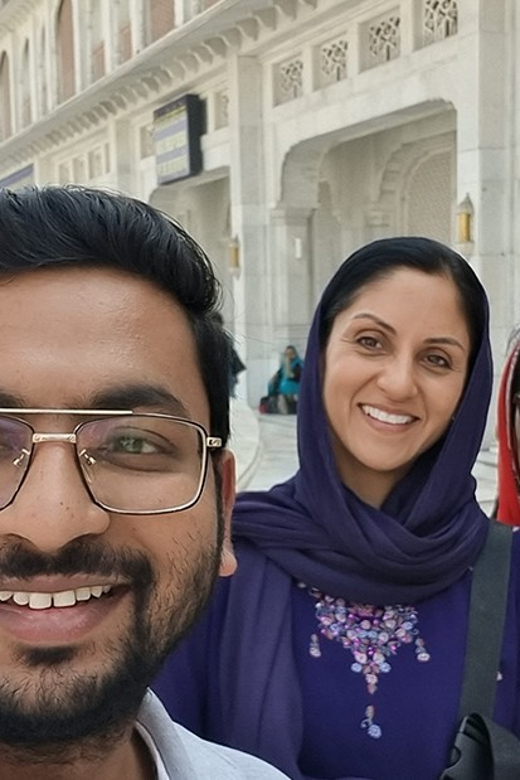
At $18 per person, this tour is priced like a value play, especially given what’s included. You’re getting storytelling by a local guide, in Hindi, English, or Punjabi depending on what you prefer. You’re also getting guided access to major sites across the Golden Temple area, plus museum and reference library stops, and backstage langar operations.
Transportation and food are not included, so you’ll still need to handle getting there and eating on your own. But the core value is in the guidance and the structured flow. In a place like Amritsar, where religious etiquette and history can be easy to misunderstand, the guide cuts through confusion fast.
Pacing is another part of value. This isn’t a sit-all-day tour. It moves through multiple meaningful stops, and that can be perfect if you want one day that feels complete. If you’re the type who likes long unbroken time in one place, you may want to pair this with additional quiet time on your own before or after.
Who this tour suits best:
- First-time visitors who want both Sikh faith and historical context
- People who like guides who explain architecture, ritual meaning, and local life
- Travelers who care about langar as a real community system, not just a cultural note
Who might want to adjust expectations:
- Anyone who wants a slow, purely contemplative Golden Temple visit with minimal other stops
- People who plan a tight schedule and don’t want much walking between sites
Meet the guides you might get, and what their style signals
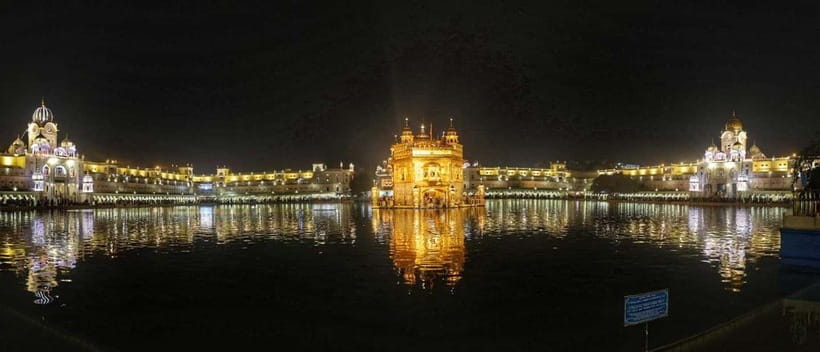
This tour has a strong track record for guides who can connect history, faith, and practical local insight. Names that have come up include Hardik, Prarit Singhania, and Deepak.
Hardik has been praised for being well educated about rites and able to explain the city and country with clarity. Some people even mentioned hiring him again the next day for a heritage tour, which is a good sign that the storytelling is consistent.
Prarit Singhania has been described as balanced in explaining Amritsar’s depth, and Deepak has been noted for excellent English plus a friendly mood while answering questions clearly.
What this means for you: you’re not just paying for a route. You’re paying for interpretation. A strong guide turns a crowded holy complex and a solemn memorial into something you can actually understand, not just photograph.
Should you book this Amritsar Golden Temple and Jallianwala Bagh tour?
My take: if you’re visiting Amritsar and you want one guided experience that connects spirituality, local culture, and historical context, this is an easy yes.
Book it if you want:
- A guided Golden Temple visit that explains the why behind key sites like Akal Takht and Baba Deep Singh Gurudwara
- Meaningful learning stops like the Sikh Central Museum and Sikh Reference Library
- Real-world langar access, including the backstage look at how the kitchen runs
- Jallianwala Bagh explained so the 1919 tragedy feels grounded, not distant
Skip or supplement it if:
- You want extra long quiet time inside the Golden Temple complex and prefer minimal side stops
- You’re only interested in one topic, either pure worship photography or only memorial history
If your goal is to leave Amritsar with understanding, not just images, this tour delivers.
FAQ
What is the price of the Golden Temple and Jallianwala Bagh guided tour?
The price is $18 per person.
Where does the tour start and where does it end?
It starts outside the entrance gate of Jallianwala Bagh near the white flame statue, and it ends back at the same meeting point.
What is included in the tour price?
The tour includes storytelling by a local guide in Hindi, English, and Punjabi (based on your convenience), interesting stories, local life experience, and hidden gems.
What is not included?
Transportation, food, and personal expenses are not included.
Which languages are available with the guide?
You can get the guided storytelling in English, Hindi, or Punjabi.
Do I get access behind the scenes at the langar kitchen?
Yes. The tour includes exclusive access to the backstage of the langar kitchen and a look at live operations.
What places are visited besides the Golden Temple?
The tour includes Jallianwala Bagh, Akal Takht, Baba Deep Singh Gurudwara, the Sikh Central Museum, Bunga Ramgarhia, the Sikh Reference Library, Dukh Banjan Beri, Holy Dip in Amrit Sarovar, and Langar.
Are there any dress or behavior rules for the Golden Temple complex?
Wear clothes covering knees and shoulders. Do not carry tobacco, alcohol, cigarettes, e-cigarettes, or any other unethical stuff.
Is it possible to reserve now and pay later?
Yes, it offers a reserve and pay later option, where you book your spot and pay nothing today.
What is the cancellation policy?
You can cancel up to 24 hours in advance for a full refund.
Amritsar, More Reviewed Visits




Recently reviewed across Amritsar
- Amritsar 1 Day Guided Tour-Golden Temple, Jalliawala Bagh, Wagah
★ 4.5 · 11 reviews - Amritsar Food Crawl
★ 5.0 · 12 reviews - Amritsar Food Tour
★ 5.0 · 12 reviews - Wagah Border Ceremony Half-Day Tour
★ 4.0 · 13 reviews - Guided Heritage Walk of Amritsar
★ 5.0 · 13 reviews - Private Full-Day Amritsar Tour: The Golden Temple & Wagah Border
★ 5.0 · 14 reviews
Amritsar and the Golden Temple, compared.
 ★ 5.0Amritsar City Tour ( Including Wagah Border Ceremony)From $54262 reviews
 ★ 5.0Amritsar Excursion ( Private full day tour)From $60211 reviews
 ★ 5.0Wagha Border Tour (Private tour )From $30147 reviews
 ★ 5.0Real Village Tour AmritsarFrom $18145 reviews
 ★ 5.0Amritsar Heritage Walking TourFrom $16112 reviews
 ★ 4.6Small Group Sightseeing Tour with Wagah BorderFrom $4092 reviews
 ★ 5.0Amritsar Wagah Border Flag Ceremony.From $3686 reviews
 ★ 5.0Golden Temple Guided Tour (Planet Amritsar Inc.)From $1978 reviews
Browse the lists this tour appears in