
REVIEW · AMRITSAR AND THE GOLDEN TEMPLE
Amritsar Heritage Walking Tour
History in Amritsar moves street by street. This 2 hour 45 minute walk weaves together Sikh heritage and the city’s most unforgettable 20th century moments, from the Partition Museum to the Golden Temple area. It is built around storyteller talk, quick stops, and lanes you may never find on your own.
I love how the route strings history to place, starting with Partition and then moving through places tied to Sikh soldiers and Punjab’s rulers. I also like the “real vibe” approach, with time in old lanes around Guru Bazar and a famous old banyan tree stop called Baba Bohar.
One thing to plan for: entry tickets for some major stops are not included, so you should expect to pay extra if you want to go inside every memorial. Also, it is a walking tour through older streets, so comfy shoes matter.
In This Review
- Key things you will enjoy on this Amritsar heritage walk
- Why this Amritsar walk is a strong way to get your bearings
- Partition Museum to Saragarhi Memorial Gurudwara, start with meaning
- Maharaja Ranjit Singh statue, Punjab Empire in one landmark
- Jallianwala Bagh memorial on the day of Baisakhi
- Udasin Akhara and Akharas along Sangal Wala Road
- Guru Bazar lanes, Baba Bohar, and the old city rhythm
- The guide makes or breaks the experience
- Timing, group size, and how the walking feels
- Price and value: why $16.66 can make sense
- Practical tips so you get more from every stop
- Should you book this Amritsar Heritage Walking Tour?
- FAQ
- How long is the Amritsar Heritage Walking Tour?
- What does the $16.66 per person price include?
- Are admission tickets included for the stops?
- Where does the tour start and end?
- How big are the groups?
- Can I cancel for free?
Key things you will enjoy on this Amritsar heritage walk
- World’s first Partition Museum start gives context before you hit the city streets
- Short stops with big stories keeps the pace friendly for a 2 hour 45 minute walk
- Saragarhi Memorial Gurudwara adds a Sikh bravery chapter early on
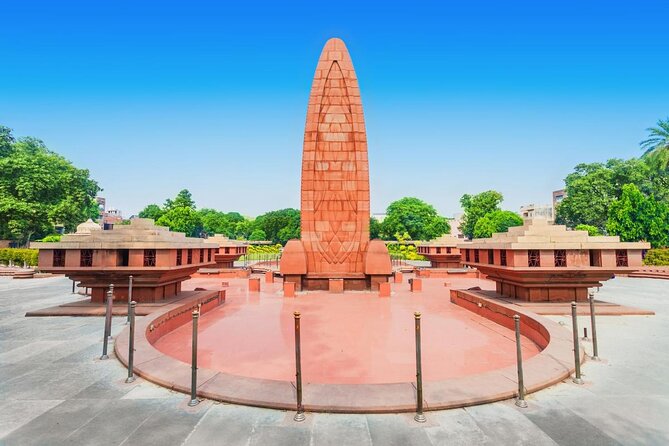
- Jallianwala Bagh memorial time fits the Baisakhi setting and the 1919 tragedy
- Akharas and Udasin Akhara visit shows a less touristy side of Amritsar
- Guru Bazar lanes plus Baba Bohar helps you feel daily market life, not just monuments
More of Amritsar, gurdwara to border
Why this Amritsar walk is a strong way to get your bearings

Amritsar is not a city you “see” from one bus window. It is a city you understand by moving through its neighborhoods, watching how people talk, shop, pray, and remember. This walk is built for that. The overall feel is part story session, part guided wandering, and part practical local orientation.
I like that it does not only focus on the headline sites. You get the Golden Temple area as the finish, but along the way you also hit places that explain why Amritsar feels the way it does today. The guide is there to connect architecture, daily life, and key historic events into one clear storyline.
Because it is a group tour with a maximum of 20 people, it stays social but still organized. That matters if you want questions answered without a chaotic crowd.
Partition Museum to Saragarhi Memorial Gurudwara, start with meaning
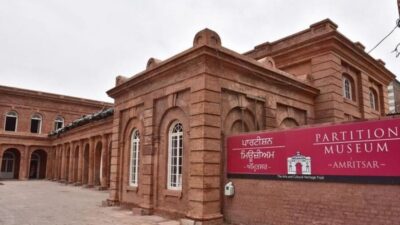
The tour starts at the Partition Museum in the Town Hall building area, on Hall Road near Katra Ahluwalia. This is a smart opening. Before you reach the emotional memorials later, you get the broad context of what happened in 1947, when Partition affected 18 million plus people. Even with a short time slot, you will leave knowing the why behind what you are seeing next.
After that, you head toward the Saragarhi Memorial Gurudwara, honoring the 21 Sikh soldiers who sacrificed their lives while serving in the British Army. This stop gives the tour a second kind of historical lens. Instead of only looking at the city through tragedy and political rupture, you also learn how Sikh military sacrifice is remembered in sacred space.
Practical tip: this early part is where you should pay attention to the names and dates your guide mentions. They are the glue for understanding the rest of the route.
Maharaja Ranjit Singh statue, Punjab Empire in one landmark
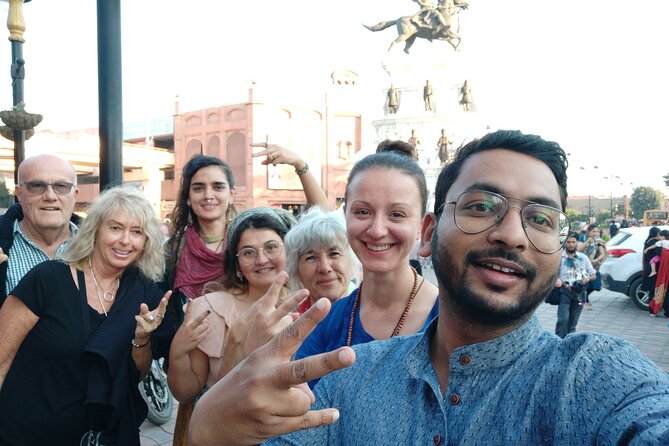
Next comes a quick stop at the Maharaja Ranjit Singh statue. It is brief, about 10 minutes, but the impact is strong because the statue ties you to a wider story: the Punjab Empire and the figure who shaped it.
I like that this is not treated as a random photo op. The guide frames it as a way to read the city’s identity. When you later walk through markets and lanes, you will recognize that Amritsar is not only a religious destination. It is also a place where power, culture, and identity have shifted over time.
This stop is also a nice pacing reset. After the emotional density of Partition, and before the heavier memorial of 1919, you get a more upbeat historical chapter.
- Amritsar Heritage Walking Tour★ 5.0 · 112 reviews
- Amritsar: Small Group Sightseeing Tour with Wagah Border★ 4.6 · 92 reviews
- Amritsar Wagah Border Flag Ceremony.★ 5.0 · 86 reviews
- Golden Temple Guided Tour (Planet Amritsar Inc.)★ 5.0 · 78 reviews
- Amritsar Tour with A SIKH (Full Day All Inclusive)★ 5.0 · 74 reviews
Jallianwala Bagh memorial on the day of Baisakhi
Then you reach Jallianwala Bagh, with around 30 minutes at the memorial. This is the big 13 April 1919 chapter, specifically tied to the festive eve of Baisakhi. That detail is important. It changes how the story lands, because it is not just about violence. It is about fear and disruption during a time people expected to celebrate.
You should know one planning reality upfront: entry tickets for this stop are not included. If you want to spend your time inside the memorial spaces, budget for that cost.
What I appreciate here is that the tour schedules enough time to absorb rather than rushing through. If you are the type of person who likes to ask a lot of questions, this is the place to do it. Your guide can connect the dates, the context, and the way the memorial explains what happened.
Udasin Akhara and Akharas along Sangal Wala Road
A less obvious but fascinating segment comes next: a visit to Udasin Akhara on Sangal Wala Road and time learning about akharas and their significance in Amritsar.
Akharas are not only about religion. They also represent discipline, training, and community life, tied to how Sikh and regional traditions took shape. This is the kind of stop that makes a walking tour feel worth it. You go beyond the famous postcard sites and learn how local spiritual and social systems organize space and practice.
This stop is about 20 minutes and is scheduled as a breather from heavier memorials. You will likely notice the way the guide explains rules of space and the meaning behind structures you would otherwise treat as background.
Guru Bazar lanes, Baba Bohar, and the old city rhythm
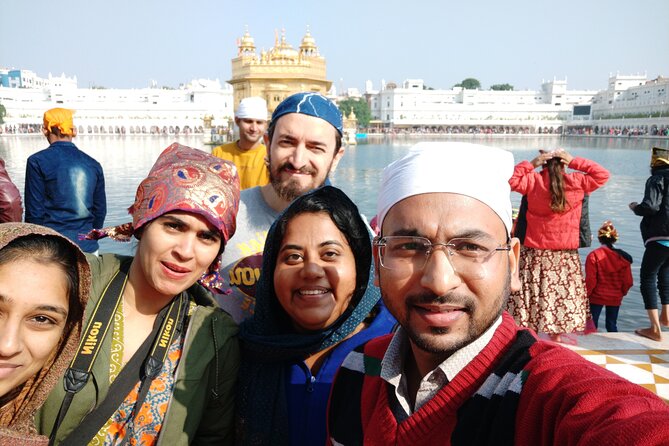
The biggest slice of time in the middle of the walk is spent around Guru Bazar. This is where you feel the old heritage streets of Amritsar and understand local lifestyle through narrow lanes and daily movement.
You get a short path toward Baba Bohar, described as a large old banyan tree in the middle of the city. Even if you have only 10 to 15 minutes there, it helps you “see” how one living landmark anchors an entire neighborhood’s identity.
This section is also where the tour becomes most practical. You will learn how to navigate the old lanes, what to look for, and how to read the rhythm of market life. If you like wandering with a purpose, this is your favorite part.
Also, Guru Bazar is a great place to ask your guide about what to try and what to prioritize later. The tour style includes fun facts about local life, and it often makes the rest of your visit more enjoyable because you know what you are looking at.
The guide makes or breaks the experience
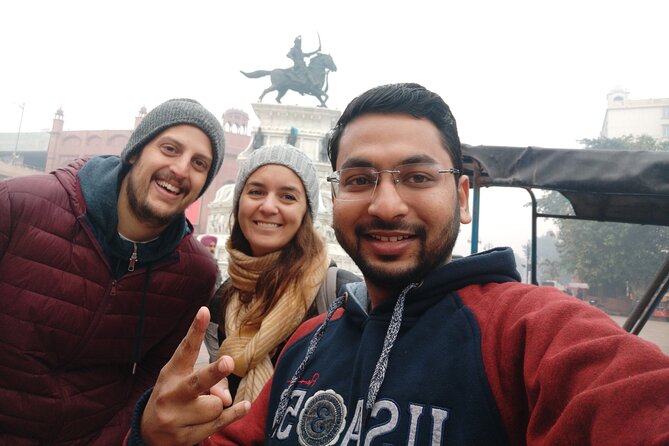
This tour is built on trained storytelling, and the guides are listed as speaking English, Hindi, and Punjabi. That multilingual approach matters in real life. It lets your guide tailor explanations if the group has different language comfort levels.
From the guide names shared in past experiences, you may meet Prerit or Hardik. Both are described as friendly, punctual, and strong at answering extra questions along the way. I also like that the tour is designed so you are not stuck with a one way lecture. It is the kind of walk where conversation can grow organically as you move from stop to stop.
One consideration: because this is a group tour with storytelling, it works best if you are open to a narrative style, not just a strict list of dates. If you prefer very hard factual treatment, ask your guide to focus the story on the documented parts like Partition and Jallianwala Bagh.
Timing, group size, and how the walking feels
The tour runs about 2 hours 45 minutes (approx.). The stop durations are short enough to keep you moving, but not so short that you miss the meaning. It is laid out like a sequence of chapters.
You will be walking through lanes and bylanes, which means your pace will depend on pedestrian traffic and how quickly the group moves together. With a maximum of 20 travelers, it should stay manageable, and guides can usually steer the group well.
If you are traveling solo, this format can feel comfortable because you have a plan and a person watching the route. If you are traveling with friends and want a shared learning moment, it also works because the route keeps everyone on the same track.
Mobile ticket note: you get a mobile ticket, which helps if you want to keep your trip paperwork simple.
Price and value: why $16.66 can make sense
At $16.66 per person, this is priced like a budget friendly way to cover a lot of ground. The biggest value is not only the number of stops, it is the guidance that explains what you are looking at. A walk like this can turn into wasted time if you do it alone, because some of the meaning is tied to local context and memory.
Your money also supports:
- a trained guide who speaks English, Hindi, and Punjabi
- access to hidden lanes and places
- a structured route through major cultural and historic points
One cost note to keep expectations realistic: entry tickets are not included. The Partition Museum and Jallianwala Bagh are the two places called out as ticketed within the route plan. Other stops listed as admission free help keep costs under control.
If you plan to visit those memorial spaces anyway, the tour value becomes even stronger because you are reducing guesswork and saving time.
Practical tips so you get more from every stop
Here are the practical things I would do before you go, based on how the tour is designed.
- Wear comfortable shoes. This is a walking tour through old streets and narrow lanes.
- Bring water, especially if you travel in warmer months. You will be outside for much of the route.
- Keep a small buffer for entry tickets for the Partition Museum and Jallianwala Bagh, since they are not included.
- Use the guide for practical advice, including bargaining tips to save money. The tour explicitly includes guidance on that.
- Ask questions at your “pause points.” The stops are timed, so it helps to ask deeper questions when you are at the landmark itself, not while walking through crowds.
End point matters too. You finish at the Golden Temple area, at Atta Mandi, outside Sri Harmandir Sahib. That is convenient because you can continue at your own pace right after the walk.
Should you book this Amritsar Heritage Walking Tour?
Book it if you want an organized introduction to Amritsar that mixes Sikh heritage, key historic events, and real old city street life. The price is friendly, the group size stays small, and the guide approach is built for questions and conversation.
I would skip or choose carefully if you only want very short, monument style sightseeing with no storytelling. This walk is meant to be narrative. Also, if you strongly dislike walking through crowded lanes, think about comfortable footwear and your own tolerance for street level travel.
If you are arriving in Amritsar and want to get oriented fast, this tour is one of the simplest ways to turn a first day into something meaningful.
FAQ
How long is the Amritsar Heritage Walking Tour?
The tour is approximately 2 hours 45 minutes.
What does the $16.66 per person price include?
The tour includes a trained English Hindi Punjabi storyteller/guide, access to multiple heritage and historic places, fun facts and conversations, and tips for bargaining. Entry tickets are not included.
Are admission tickets included for the stops?
No. Any entry tickets or fees are not included. The tour notes that the Partition Museum and Jallianwala Bagh have admission tickets not included.
Where does the tour start and end?
It starts outside the Partition Museum on Hall Rd, Town Hall, Katra Ahluwalia, Amritsar. It ends outside Sri Harmandir Sahib at Atta Mandi, Katra Ahluwalia, Amritsar Cantt, with the meeting point listed as outside Golden temple.
How big are the groups?
The tour has a maximum of 20 travelers.
Can I cancel for free?
Yes. You can cancel up to 24 hours in advance for a full refund. If you cancel less than 24 hours before the start time, the amount paid is not refunded.
Amritsar, More Reviewed Visits




Recently reviewed across Amritsar
- Amritsar 1 Day Guided Tour-Golden Temple, Jalliawala Bagh, Wagah
★ 4.5 · 11 reviews - Amritsar Food Crawl
★ 5.0 · 12 reviews - Amritsar Food Tour
★ 5.0 · 12 reviews - Wagah Border Ceremony Half-Day Tour
★ 4.0 · 13 reviews - Guided Heritage Walk of Amritsar
★ 5.0 · 13 reviews - Private Full-Day Amritsar Tour: The Golden Temple & Wagah Border
★ 5.0 · 14 reviews
Amritsar and the Golden Temple, compared.
 ★ 5.0Amritsar City Tour ( Including Wagah Border Ceremony)From $54262 reviews
 ★ 5.0Amritsar Excursion ( Private full day tour)From $60211 reviews
 ★ 5.0Wagha Border Tour (Private tour )From $30147 reviews
 ★ 5.0Real Village Tour AmritsarFrom $18145 reviews
 ★ 4.6Small Group Sightseeing Tour with Wagah BorderFrom $4092 reviews
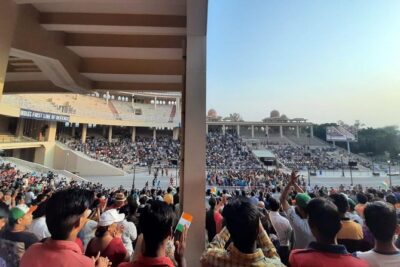 ★ 5.0Amritsar Wagah Border Flag Ceremony.From $3686 reviews
 ★ 5.0Golden Temple Guided Tour (Planet Amritsar Inc.)From $1978 reviews
 ★ 5.0Amritsar Tour with A SIKH (Full Day All Inclusive)From $6174 reviews
Browse the lists this tour appears in