
REVIEW · COOKING CLASSES
Durga Cooking Class
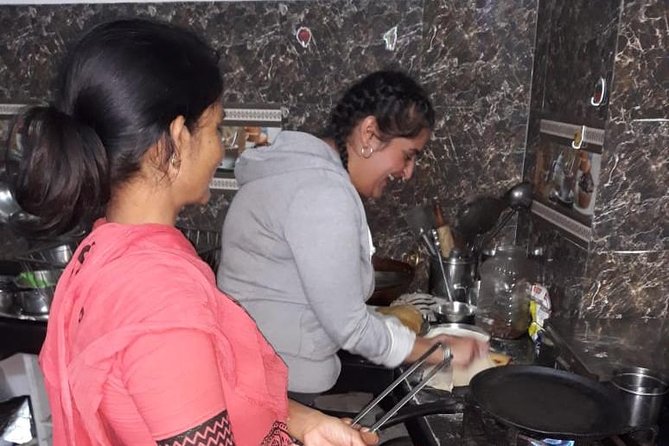
Cooking in a real home beats restaurants. In Durga Cooking Class in Udaipur, you cook Rajasthan-style dishes in Durga’s kitchen, learn the basics behind favorites like dal and chapati, then sit down to eat what you made on the rooftop.
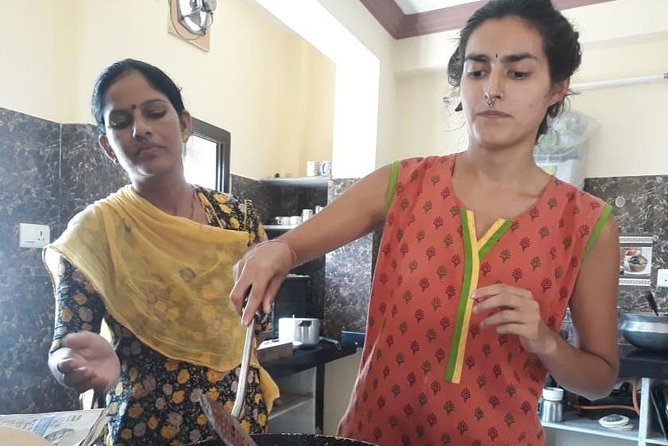
I really like the hands-on format, where you actually prep, cook, and taste your food instead of just watching. I also like that small groups and a home setup mean you get personal attention when something gets tricky, and that utensils and ingredients are all supplied. The main drawback to plan around is that the session can run a bit longer than you expect, and you may spend some time standing while you cook.
In This Review
- Key things to know before you go
- Finding Durga’s Kitchen in Central Udaipur
- Choosing What You’ll Cook, Veg to Non-Veg (and Vegan)
- The Core Skills You’ll Learn: Dal, Chapati, and a Main Dish
- A Typical Flow: From Welcome to Rooftop Dinner
- Rooftop Dining: The Part That Makes It Feel Like a Real Meal
- Small Groups, More Help, and the Family Connection
- Price and Value: Why This Stays Affordable
- What to Do With Your Notes So You Can Cook Again at Home
- Timing Tips for a 3-Hour Class (and What to Wear)
- Who This Class Fits Best
- Should You Book Durga Cooking Class?
Key things to know before you go
- Pick your menu, including vegetarian, non-vegetarian (prices vary), and vegan options
- All ingredients and utensils are provided, so you can show up empty-handed
- You taste what you cook, then dine together after class on the rooftop
- Small group size (max 15) means more hands-on help from Durga
- Recipes are shared afterward, so you can repeat the dishes at home
- You’ll get cultural context, not just a cooking checklist
Shortlisting? Every Udaipur trip below went through the same review.


Finding Durga’s Kitchen in Central Udaipur
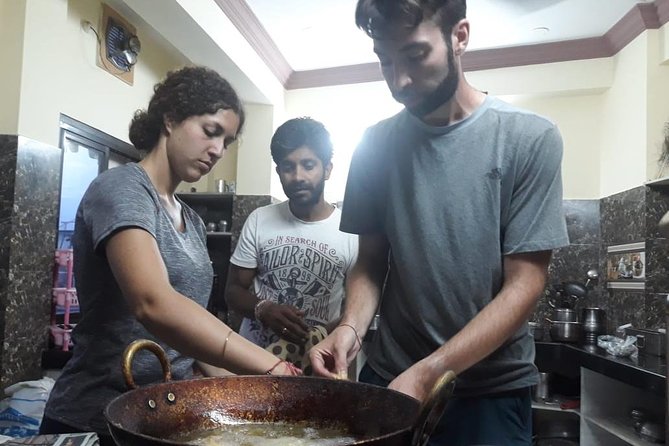
This class starts in the heart of Udaipur, at Black Pepper339, Panduwari, Gadiya Devra Marg, Hotel Gangaur Palace area. The meeting point is easy to reach on foot if you are already exploring nearby, and it is listed as near public transportation. You’ll end back at the same place once the class and meal are done.
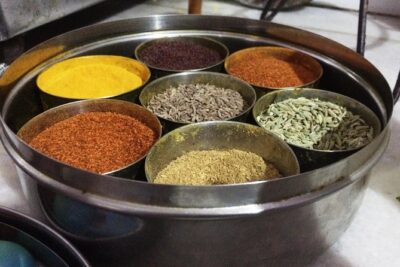
What matters here is the setting. Instead of a studio classroom, you are moving into a home kitchen. That changes the vibe in a good way. You are not only learning recipes, you are learning the flow of how Indian home cooking gets done, from spice handling to timing a bread, curry, and rice so everything is ready together.
You’ll also get a mobile ticket, which is a small thing but helpful. Fewer paper items, less fuss.
Choosing What You’ll Cook, Veg to Non-Veg (and Vegan)
One of the smartest parts of this experience is the menu flexibility. You can choose the dishes you want to learn, or you can let Durga recommend what works best for the group. Options include vegetarian, non-vegetarian (with prices that vary depending on what you pick), and vegan.
In practical terms, this is how you get real value out of a short class. If you care more about breads, you can lean into chapati and other flatbreads. If you want curries, you can steer toward dal, one main curry-style dish, and sides like rice. If you travel with someone who eats differently, you can still build a satisfying meal around your choices.
Also, this class is designed to fit different meal times. It can be adjusted for lunch or dinner, so you are not locked into one strict schedule that clashes with your day.
The Core Skills You’ll Learn: Dal, Chapati, and a Main Dish
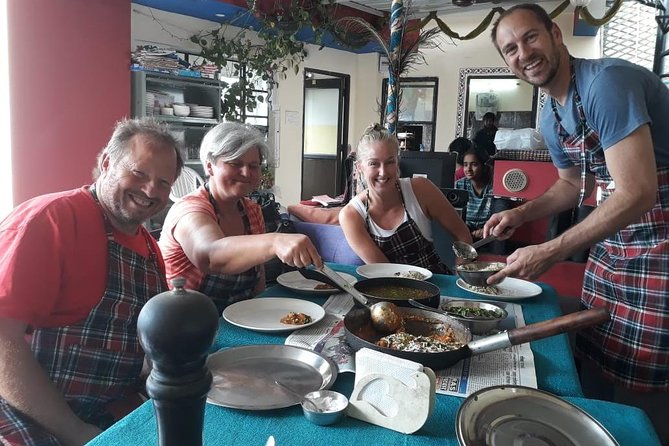
You will learn to cook a mix of savory dishes typical of Rajasthan home meals. The class includes staples like dal (lentils) and chapati (flatbread), plus a main dish. That basic trio is useful, because it gives you a foundation you can reuse.
Dal teaches you more than just cooking lentils. You learn how spices and seasoning are built into the flavor, and why the texture and simmer time matter. Chapati matters because many people can memorize a recipe and still struggle with bread. Here, the approach is hands-on, and the goal is to help you feel confident making it again at home.
Then you add a main dish, which is where you get the most variety. Depending on what you choose, examples from past sessions include things like aloo muttar and other curry-style dishes, plus vegetable options such as bhindi masala. If you select a non-vegetarian option, Durga’s family has taught meat dishes too, so you are not stuck with only one lane.
A small but important bonus: you’re eating what you cook. So you can immediately tell what is working and what needs tweaking. That feedback loop is what makes the skills stick.
- Udaipur: Full Day Private City Tour with Optional Boat Ride★ 4.7 · 130 reviews
- Kumbhalgarh & Ranakpur Day Trip from Udaipur with Guide and Lunch★ 5.0 · 125 reviews
- Udaipur Sightseeing Tour★ 5.0 · 122 reviews
- Udaipur Sightseeing Tour By Car With Guide★ 5.0 · 113 reviews
- Private Udaipur Sightseeing Tour by Tuk-Tuk or Car with Driver★ 5.0 · 112 reviews
A Typical Flow: From Welcome to Rooftop Dinner
This class runs about three hours. In that time, the rhythm matters. You’ll be welcomed into the home and guided through cooking steps while you prepare your meal, and then you sit down to dine on the rooftop.
Expect the class to include cultural context along the way. Durga’s approach includes interesting stories about Indian culture and tradition as you cook. That turns cooking into something you can remember, not just something you time on a burner.
You might also start with small bites before the main cooking phase. Some past participants have described pre-dinner tastes like chai masala and poha, followed by the main course and a sweet treat. Since menus can shift depending on what you choose, think of these as possible extras rather than a guaranteed checklist.
Rooftop Dining: The Part That Makes It Feel Like a Real Meal
After cooking, the payoff is simple: you eat your dishes. This is not a quick taste and run. You and your group sit down together, and the class ends with a meal on the rooftop.
For me, that’s the difference between a cooking demo and a cooking class that changes how you cook later. You get to experience the full meal balance, not just one dish. You also learn how Indian home meals often come together, with breads, lentils or curry, and supporting items that make the plate feel complete.
It also helps you ask questions in the moment. If something tastes too salty, too mild, or needs more spice depth, you’re right there with the instructor to understand why.
Small Groups, More Help, and the Family Connection
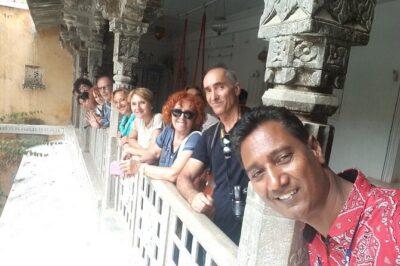
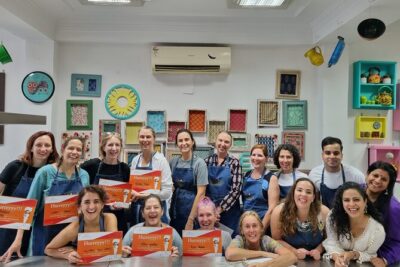
This is a small-group class with a maximum of 15 travelers. That size is big enough to meet other people, but small enough that you are not lost in the background.
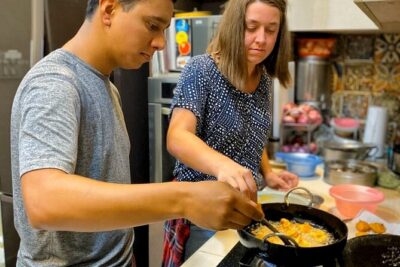
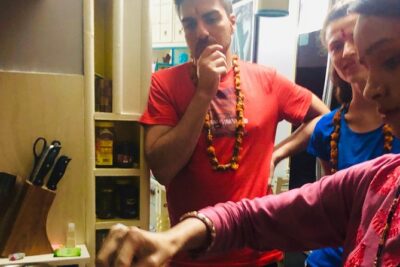
The reviews highlight Durga’s patience and the way she explains. There’s a recurring theme: you chop, grind, flip, and learn by doing, rather than being stuck with a single repetitive task. When you hit a tricky step, you get direction, not silence.
It also helps that Durga’s family is part of the experience. Her husband, Mukesh, is mentioned as teaching a meat dish during some classes. Durga’s daughter, Mitali (also spelled Metali in some notes), often hosts and supports the group. One extra reason you might enjoy meeting her is that she also offers walking tours of Udaipur, which can be a nice way to connect the food you cook with the city you are exploring.
If you are a solo traveler, this matters even more. A home setting with a smaller group can feel welcoming fast, and you are usually not the only person who is a bit nervous about cooking.
Price and Value: Why This Stays Affordable
The class price is listed at $15.64 per person, which is strikingly low for an experience that includes a meal. You are getting more than recipes on paper. You get ingredients, utensils, instruction, time with a home chef, and the chance to eat what you make.
There is one important nuance: non-vegetarian options can have different pricing. That means your final total may depend on what you choose. If you want the best budget match, stick with vegetarian or vegan dishes.
Even with that caveat, the overall value is strong because the class is hands-on and you leave with a better sense of how Indian home dishes are built. Many cooking classes cost more and still feel like you watched someone else cook. Here, the focus is on you doing it.
What to Do With Your Notes So You Can Cook Again at Home
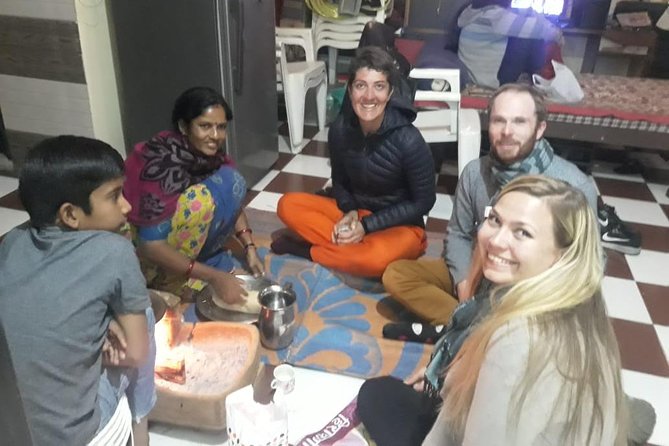
A lot of people love the meal during the class and forget the details afterward. This is your moment to protect what you learn.
Some past participants have said that recipes are sent after the class. That’s excellent, but one practical tip stands out: recipes may not include exact quantities, so write down amounts as you go if you think you’ll need them later. Bring a pen or make notes on your phone during the session.
If you want the skill to carry home, focus on the method more than memorizing every number. Pay attention to texture cues for dal, the firmness of dough for chapati, and how seasoning changes across the cooking steps. Those are the things that make you successful when you cook again with your own kitchen tools.
Timing Tips for a 3-Hour Class (and What to Wear)
Plan around a 3-hour window. That’s long enough to cook multiple items, but short enough that you should schedule it as a dedicated block, not squeezed between trains and last-minute museum stops.
Also plan to be on your feet some. One review notes the session ran longer than expected and involved standing while cooking. You might find you spend time at a counter, near a cooking area, or moving between steps. Comfortable clothes and shoes help.
Try to arrive ready to cook, not already full from a big meal. You’ll get a full dinner at the end, plus possibly small pre-dinner tastes. If you arrive starving, you are more likely to stay energized through the prep and tasting.
Who This Class Fits Best
This class is a great match if you want an Udaipur experience that is practical and not just sightseeing. It works well for:
- Food-first travelers who want skills they can reuse at home
- Couples and small groups who want a shared, interactive activity
- Solo travelers who like a welcoming, family-run setup
- Veg or non-veg eaters, since you can build your own dish list
If you hate hands-on activities or you want a passive experience with minimal participation, you might find this less satisfying. The point here is cooking, chopping, and doing. You’re part of the kitchen rhythm.
Should You Book Durga Cooking Class?
I’d book it if you want real instruction at a price that does not feel like a splurge. The combination of hands-on cooking, a small group, and the chance to eat on the rooftop makes this a complete experience, not just a one-dish lesson. Plus, the menu flexibility lets you tailor the class to your tastes, whether you go vegetarian, non-vegetarian, or vegan.
Choose carefully if you are tightly scheduled, because the class can run longer than expected. Also, if you are budgeting closely, double-check the non-veg option pricing since it can vary.
If you want an Udaipur day that tastes like the place and teaches you something you can repeat, this is a very strong pick.
Recently reviewed across Udaipur
- Private Walking Tour of Udaipur with a Professional Guide
★ 5.0 · 10 reviews - Private Day Tour Of Kumbhalgarh Fort & Wildlife Sanctuary From Udaipur
★ 4.5 · 10 reviews - Equestrian Escape: Horse Safari Adventure
★ 5.0 · 10 reviews - Udaipur Private Half/Full Day Sightseeing Tour by Car+Guide
★ 4.8 · 11 reviews - Full-Day Private Udaipur Three wheeled Tuk Tuk Sightseeing
★ 5.0 · 11 reviews - Highlights of Udaipur : A Private Guided tour
★ 5.0 · 11 reviews
Cooking Classes, compared.
 ★ 5.0Pink City Cooking ClassFrom $27452 reviews
 ★ 5.0Five Course Cooking Class & MealFrom $60250 reviews
 ★ 5.0Veg and Non veg : Private Cooking Class in Delhi home (7 meal)From $47226 reviews
 ★ 5.0Indian Cooking Class in an Authentic Local Home – Learn 6 DishesFrom $50195 reviews
 ★ 5.0Private Guided Cooking Workshop Experience in JodhphurFrom $36158 reviews
 ★ 5.0Jaipur Market Tour & Vegetarian Rajasthani Home Cooking ClassFrom $60113 reviews
 ★ 5.0Cooking Class in Jaipur – Family Experience with Meal & TransportFrom $29101 reviews
 ★ 5.0Interactive Cooking Class with a Local Family in JaipurFrom $2690 reviews
Browse the lists this tour appears in