
REVIEW · COOKING CLASSES
Five Course Cooking Class & Meal
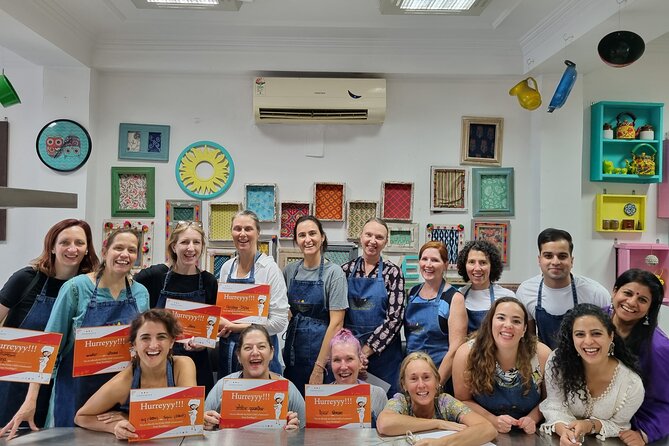
The smell of spices is the real invitation. This hands-on five-course cooking workshop in New Delhi teaches you how Indian cooks build flavor, not just what to cook, and it comes with lunch and drinks. I especially liked the spice-focused teaching (how and when to add them), and I loved that you actively cook every course, then sit down to eat what you made. One thing to consider: the class is geared toward a traditonally spiced style, so if you are very sensitive to chili, tell the team ahead of time.
What makes this class worth your time is the mix of technique and culture. You get instruction that goes beyond ingredients, including traditional kitchen customs and eating customs that help the food make sense. The group stays manageable (up to 20), and the vibe is friendly, with instructors named in guest feedback like Sonal, Anchal, and Alchan.
If you want a quick food taste with no cooking, this may feel a bit too hands-on. But if you want skills you can repeat after your trip, you’ll likely enjoy how practical it is.
In This Review
- Key Highlights You’ll Care About
- Five Courses, Real Skill: What the Class Is Like at Tastesutra
- Getting There: Lajpat Nagar Metro to Tastesutra Studio
- Your Five Courses: Exactly What You’ll Cook and Why It Matters
- Beverage and the Start of the Flavor Story
- Chicken Dish: Learning Depth, Not Just Heat
- Paneer Dish: Cooking Cheese Without Turning It Into Rubber
- Lentils and Seasonal Vegetables: Balanced Meals, Real Rhythm
- Rice and Breads: The Carbs That Make Everything Work
- Dessert: Ending on the Sweet Note
- Lunch With Drinks: Eating the Results Like a Local
- The Spice Lesson You’ll Actually Use at Home
- Names to Remember From Guest Feedback
- How Long, How Big, and Why That’s a Good Fit
- Price and Value: Why $60.82 Can Make Sense in Delhi
- Who Should Book This Cooking Class in New Delhi?
- Should You Book This Cooking Class?
- FAQ
- How long is the cooking class?
- What is included in the price?
- What dishes will we cook?
- Can I request vegetarian or gluten-free options?
- Where do we meet for the class?
- Is this a private group experience?
- What is the cancellation policy?
Key Highlights You’ll Care About
- Cook five courses yourself, then enjoy the meal you made (not just a demo).
- Spice technique matters: learn how combinations and timing change the flavor.
- Location is easy: meet near Lajpat Nagar Metro Station, with public transport options.
- Diet swaps are possible: vegetarian, vegan, and gluten-free options can be arranged at booking.
- Tasty, home-style results: guests call it a food-focused cultural experience, not a tourist show.
Shortlisting? Every New Delhi trip below went through the same review.




Five Courses, Real Skill: What the Class Is Like at Tastesutra
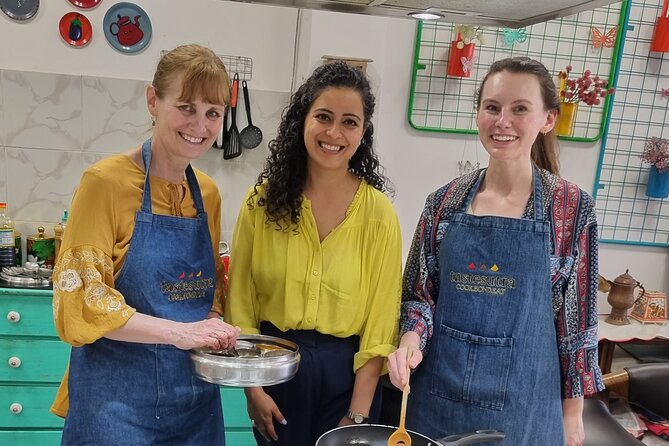
This is a three-hour, step-by-step Indian cooking workshop at Tastesutra Cooking Studio, with lunch and drinks included. The whole point is simple: you learn the process and then do the work. You’ll be in the kitchen for the important parts, chopping, mixing, cooking, tasting, and adjusting while your instructor guides you.
From what I gathered, the best sessions here center on the same idea: Indian flavor is built in layers. That means you learn why a spice blend works in one moment and fails in another. Guests repeatedly praised instruction that is clear and methodical, including tips on when to add spices so they perfume the dish instead of tasting harsh.
A nice added touch is that the class isn’t purely technical. People mention getting background on North Indian cooking habits, table manners, and everyday customs connected to food. That cultural framing helps when you later recreate the dishes, because you understand how they are meant to taste and eat.
And yes, you do get to taste everything at the end. The meal is part of the experience, not an afterthought.
Getting There: Lajpat Nagar Metro to Tastesutra Studio
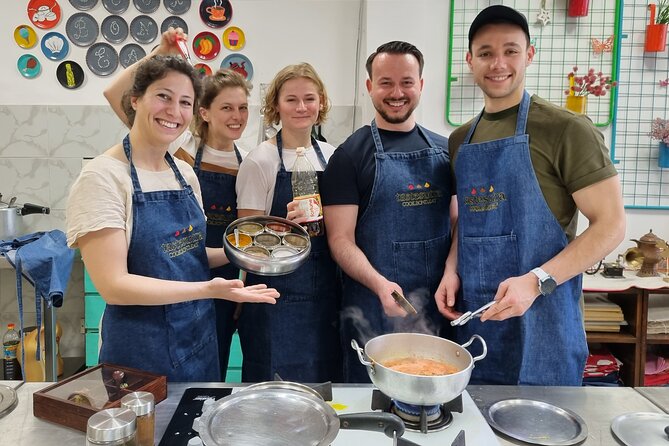
Logistics matter when you only have a day or two in Delhi. This class starts at Tastesutra Cooking Studio, First Floor, A-20, near Lajpat Nagar Metro Station (Block A, Lajpat Nagar II). If you’re staying somewhere else in the city, Metro is usually the fastest and least stressful way to reach the area.
This stop is also designed to be easy for first-time Delhi visitors. You can reach it by public transportation, and the venue is listed as accessible to all kinds of public transportation. Even if you are unfamiliar with Delhi streets, the “near Lajpat Nagar Metro” detail helps you orient quickly.
The experience is a private tour or activity, meaning only your group participates. With a maximum of 20 people, you should still expect hands-on attention rather than being swallowed by a big crowd.
Your Five Courses: Exactly What You’ll Cook and Why It Matters
The menu is built around a full meal, not a few small samples. You’ll make one beverage, a chicken dish, a paneer dish, a lentils dish, a seasonal vegetable dish, plus rice, breads, and dessert.
Here’s how that plays out practically.
- Old & New Delhi City Tour – Half or Full Day Options Available★ 5.0 · 4,811 reviews
- Taj Mahal Tour from Delhi by Express Train (Viator Award Winner)★ 5.0 · 2,849 reviews
- Same Day Taj Mahal, Fort & Baby Taj Tour from Delhi by Car★ 4.9 · 2,534 reviews
- From Delhi: Taj Mahal and Agra Fort Private Sunrise Tour★ 4.9 · 2,270 reviews
- Sunrise Taj Mahal, Agra Fort & Baby Taj Tour from Delhi by Car★ 5.0 · 2,243 reviews
Beverage and the Start of the Flavor Story
You begin with a beverage. In Indian cooking classes, this often acts like a warm-up, getting you comfortable with the spice atmosphere before you start cooking. It is also a chance to ask questions early, because once the cooking begins, you are busy.
Chicken Dish: Learning Depth, Not Just Heat
The chicken course is usually where you learn how spices create depth. Expect guidance on blending and building flavor, especially around timing. Multiple guests highlighted that instructors explain what spices do and when to add them, including how ratios can change the final taste.
If you’ve only had Indian food in restaurants, this chicken dish is a useful reality check. You see how much flavor comes from technique, not secrecy.
Paneer Dish: Cooking Cheese Without Turning It Into Rubber
Paneer is the classic “beginner-friendly but not trivial” ingredient. It teaches you texture and temperature control. Guests talked about step-by-step processes and cooking that makes sense, so you can reproduce it later.
This course is also a good bridge between meat and vegetarian cooking. Even if you choose a vegetarian version, the paneer style can show up as part of the overall menu structure.
Lentils and Seasonal Vegetables: Balanced Meals, Real Rhythm
Your lentils dish and seasonal vegetable course round out the meal so it feels like a proper plate, not just a set of curries. The lentils part is where you learn about simmering, seasoning, and getting the right consistency. The seasonal vegetable teaches you how Indian cooks adapt to what’s available, which is one reason these meals feel different from place to place across India.
I liked this structure because it covers multiple cooking styles in one sitting. You are not stuck doing only one kind of curry all the way through.
Rice and Breads: The Carbs That Make Everything Work
Rice and breads are included, and this is where the class becomes truly “complete.” Guests praised that bread-making instruction can be clear and confidence-building, and that you do the work yourself. Rice and breads are also the part most people usually struggle with when recreating dishes at home, because they are easy to overlook.
Cooking the breads alongside the curries means you learn the rhythm of the meal. You also learn how to build an edible plate, which is what you are really taking home.
Dessert: Ending on the Sweet Note
Dessert closes the loop. It’s also a good moment to ask about flavor balance. Indian sweets often follow simple rules, but those rules can feel mysterious until you see the method.
Lunch With Drinks: Eating the Results Like a Local
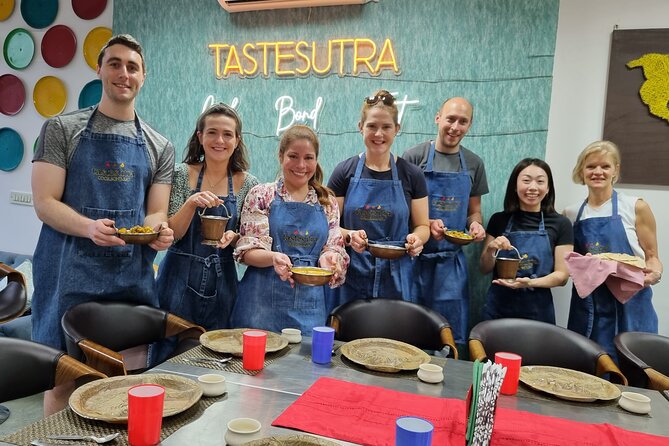
After cooking, you sit down to enjoy what you made. Lunch and beverages are included, and guests commonly describe the end result as a feast. That matters because cooking classes can sometimes end with a small taste. Here, the meal is part of the product.
This is also where the spice education pays off. You can taste how the earlier decisions changed the final dish. If you paid attention during the spice timing lessons, you’ll notice the difference immediately.
Dietary options are available. You can request vegetarian, vegan, or gluten-free options at booking. That is a big deal if you have allergies or you simply don’t eat certain ingredients. The class is designed to accommodate your needs before you arrive, which helps reduce stress mid-class.
One guest specifically mentioned the ability to put less chili in the dishes, which is a sign that instructors can adapt the heat level when they know what you want.
The Spice Lesson You’ll Actually Use at Home
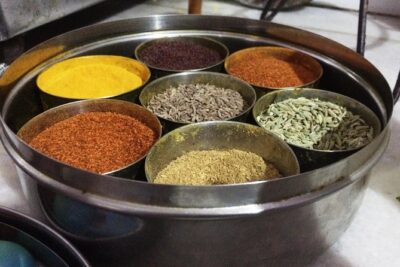
The most praised aspect of this experience is the way spices are taught. People highlight clarity on ingredient knowledge and spice combinations, plus the “when to add spices” guidance. That might sound small, but it changes everything when you cook later.
Here’s why. If you add spices too early or too late, you can get the wrong flavor character. Early, spices may bloom and soften into the sauce. Late, they may taste sharper or more aromatic depending on the dish. Learning that timing makes your cooking more consistent.
Guests also mention that instructors compare traditional made-from-scratch methods versus restaurant shortcuts. Even without getting overly technical, the takeaway is practical: you can make your food taste more like Indian food at home when you focus on method, not shortcuts.
Another helpful detail: several guests mention you get recipes after the class, including an email with recipes. That gives you something to reference later when your spice cupboard starts calling your name.
Names to Remember From Guest Feedback
In reviews, hosts mentioned by name include Sonal, Anchal, and Alchan. While your instructor can vary by date, it’s a useful clue that the teaching team often brings a warm, personal tone, not just a scripted lesson.
How Long, How Big, and Why That’s a Good Fit
The class runs about three hours. That’s a sweet spot. It’s long enough to cover multiple courses and learn the process, but short enough that it doesn’t eat your whole day.
Group size is capped at 20, and it’s private for your group. A smaller group matters because you can get help when you need it, especially during bread-making or when spices start moving fast.
Also, there’s a minimum of two people per booking. So if you are traveling solo, check whether your date has pairing options, or if the operator can combine small groups under the private booking structure.
Price and Value: Why $60.82 Can Make Sense in Delhi
At $60.82 per person, this is not an “instant bargain,” but it also isn’t priced like a luxury event. The value comes from three things you don’t always get together:
- Five courses cooked by you, guided throughout
- Lunch and drinks included
- Recipes sent afterward, so the class lasts beyond the three hours
If you compare it to paying separately for a restaurant meal plus a cooking class elsewhere, the combined meal and drinks help justify the cost. The most important value, though, is skill transfer. When you learn spice timing and recipe structure, you’re buying something you can repeat, not just a one-time experience.
And because it’s near Metro, you avoid the “tax” of expensive rides across town.
Who Should Book This Cooking Class in New Delhi?
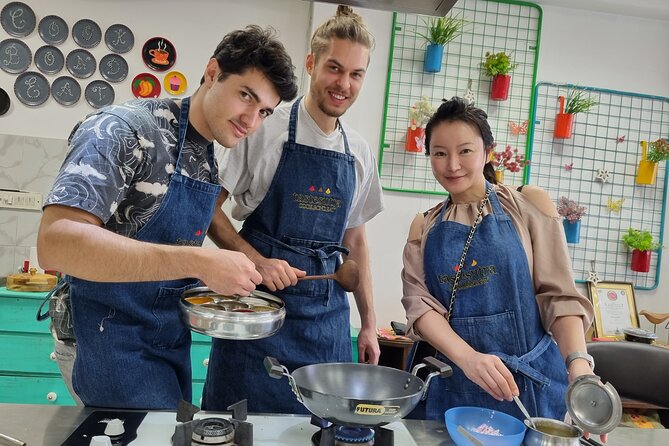
Book this if you are a food-focused traveler who wants a real skill, not a passive tour. It works especially well for:
- Couples and small groups who want a shared activity
- Foodies who care about spices and technique
- Vegetarian or gluten-free diners who want an Indian cooking experience with options arranged at booking
- People short on time who still want something hands-on and memorable
It can also be a strong choice if you have Indian heritage and want the cooking culture explained in a grounded way. But if you hate cooking, or you want only sightseeing, you may feel restless after the first course.
Should You Book This Cooking Class?
Yes, if you want to leave Delhi with actual kitchen confidence. The strongest reasons to book are the hands-on cooking and the spice instruction that explains how flavor is built, plus the fact that the meal is included and you eat what you cook.
If you know you are very heat sensitive, plan ahead when you book and tell the team you want lower chili. And if you’re expecting a pure cultural walking tour, this is not that. It’s a kitchen experience, first and last.
If you want one “learn-and-eat” activity that feels authentic and useful, this is a solid pick.
FAQ
How long is the cooking class?
It runs for about 3 hours.
What is included in the price?
The experience includes beverages and lunch.
What dishes will we cook?
You’ll cook five courses including a chicken dish, a paneer dish, lentils, a seasonal vegetable, plus rice, breads, and dessert. A beverage is included as part of the class.
Can I request vegetarian or gluten-free options?
Yes. Vegetarian, vegan, and gluten-free options are available if you advise the provider at booking.
Where do we meet for the class?
You meet at Tastesutra Cooking Studio, First Floor, A-20, near Lajpat Nagar Metro Station, Block A, Lajpat Nagar II, New Delhi, Delhi 110024, India.
Is this a private group experience?
Yes. It is listed as a private tour or activity, and only your group participates.
What is the cancellation policy?
Free cancellation is available up to 24 hours before the start time for a full refund. If you cancel less than 24 hours before, the amount paid is not refunded.
Recently reviewed across New Delhi
- Golden Triangle – Delhi Agra and Jaipur
★ 5.0 · 10 reviews - Taj Mahal & Agra Tour by Indian Bullet Train All Inclusive
★ 4.5 · 10 reviews - Private Tour in Mehrauli Archaeological Park & Qutub Minar
★ 5.0 · 10 reviews - Old & New Delhi Tour
★ 5.0 · 10 reviews - From Delhi : Taj Mahal & Agra Fort Tour by Luxury Express Train
★ 5.0 · 10 reviews - Delhi Shopping Tour: Top Bazaars, Crafts & Souvenir Finds
★ 5.0 · 10 reviews
Cooking Classes, compared.
 ★ 5.0Pink City Cooking ClassFrom $27452 reviews
 ★ 5.0Veg and Non veg : Private Cooking Class in Delhi home (7 meal)From $47226 reviews
 ★ 5.0Indian Cooking Class in an Authentic Local Home – Learn 6 DishesFrom $50195 reviews
 ★ 5.0Durga Cooking ClassFrom $15159 reviews
 ★ 5.0Private Guided Cooking Workshop Experience in JodhphurFrom $36158 reviews
 ★ 5.0Jaipur Market Tour & Vegetarian Rajasthani Home Cooking ClassFrom $60113 reviews
 ★ 5.0Cooking Class in Jaipur – Family Experience with Meal & TransportFrom $29101 reviews
 ★ 5.0Interactive Cooking Class with a Local Family in JaipurFrom $2690 reviews
Browse the lists this tour appears in