
REVIEW · HIMACHAL HILL STATION TOURS
Explore Dharamshala’s monasteries for Tibetan spirituality
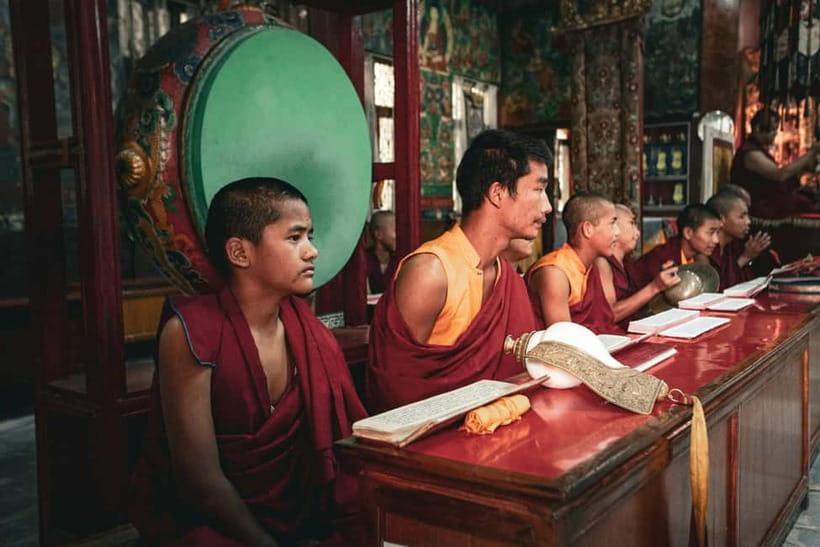
Quiet monasteries, big spiritual meaning in six hours. Namgyal Monastery is the opening stop, and I like that the route keeps its focus on Tibetan Buddhism with other major sites like Nechung and Gyuto. The local English speaking guide also makes the day feel grounded, with clear explanations of culture and what daily monastic life looks like.
One heads-up: this is a packed circuit, so you get thoughtful viewing time, not long, quiet stays in every room.
In This Review
- Key highlights to look for on this Dharamshala monastery circuit
- Dharamshala monasteries, in one efficient 6-hour loop
- Starting at Namgyal Monastery, where the day gets its tone
- Dalai Lama temple and Kalachakra temple, short but meaningful context
- Nechung Monastery and the Nechung Oracle traditions
- Dip Tse Chok Ling Monastery, a quieter pace and meditation feel
- Norbulingka Institute, gardens plus living Tibetan crafts
- Gyuto Monastery, tantric teachings and daily practice rhythm
- Thosamling or Dolmaling Nunnery, finishing with a different viewpoint
- Price and logistics, what $54 actually buys you
- What makes the guide experience work, and how to get more from it
- Walking, timing, and comfort in McLeod Ganj and Dharamshala hills
- Who should book this tour, and who might want a different pace
- Should you book this Dharamshala monasteries tour?
- FAQ
- What is the duration of this monasteries tour in Dharamshala?
- Where do you get picked up from?
- Is there hotel drop off at the end?
- Is the guide English speaking?
- Is this a private group tour?
- Which monasteries and cultural stops are included?
- Is a water bottle included?
- Are meals included in the price?
- Are monument fees included?
- What is the cancellation policy?
Key highlights to look for on this Dharamshala monastery circuit
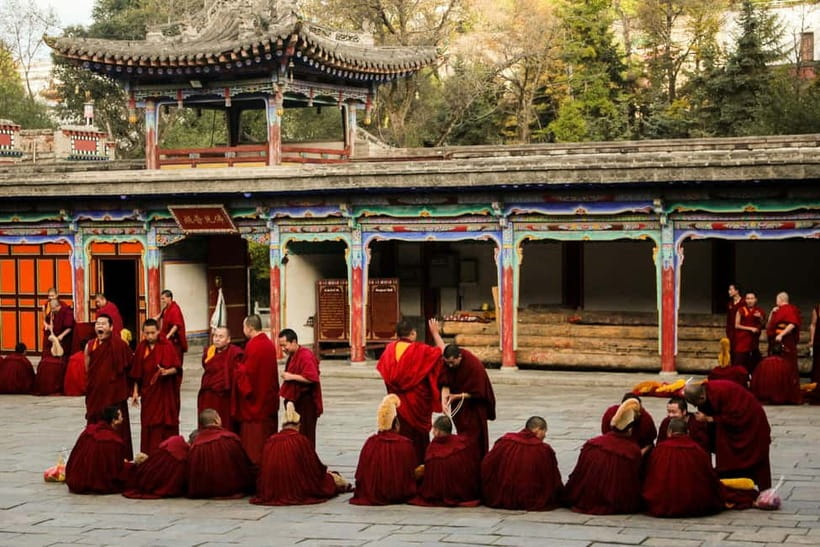
- Namgyal Monastery as the start point, tied to the Dalai Lama’s spiritual seat
- Nechung Monastery and the Nechung Oracle traditions, a big part of Tibetan spiritual history
- A mix of monasteries plus a cultural institute, so the day is not only about temples
- Gyuto Monastery’s tantric teachings, with a strong sense of rhythm in daily practice
- A nunnery ending (Thosamling or Dolmaling), which adds perspective beyond monks
- Private group pacing with a local guide, plus hotel pickup and drop off
Dharamshala monasteries, in one efficient 6-hour loop
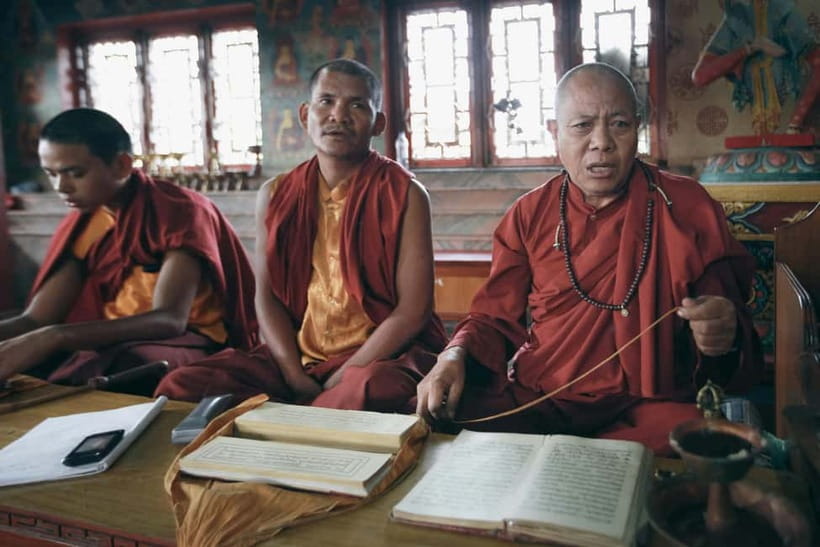
Dharamshala and nearby McLeod Ganj can feel like a spiritual magnet. But if you arrive without a plan, monastery hopping can turn into guesswork, timing chaos, and that classic vacation problem, showing up at the wrong place at the wrong moment. This tour solves that with one clear job: get you to the most prominent Tibetan sites in a tight, guided route, with an English speaking guide to connect the dots.
I like the value here because the schedule is designed for comprehension, not just photos. You are not only walking from one building to another. You are seeing how different institutions fit into Tibetan Buddhism, from major monasteries tied to spiritual leadership to learning-focused places like Norbulingka Institute, and finishing with a nunnery.
The best part is also the trade-off. The day moves. That is great if you want context fast, and it is less great if you want hours of quiet sitting and repeating a single prayer practice. You will still get reverent time in each stop, but you will also keep moving.
Starting at Namgyal Monastery, where the day gets its tone
The tour begins at Namgyal Monastery, described as the personal monastery of the Dalai Lama. Even if you do not know Tibetan Buddhism deeply, this is a strong “set the mood” start. The halls and spaces are built for reflection, and you will feel the intention right away.
What I appreciate is that this first stop gives you a reference point. When your guide explains Tibetan art, and what you are seeing on walls and in the layout, it becomes easier to read the rest of the monasteries. It is not just sightseeing. It is pattern recognition, you see what to look for, then you notice it again at the next site.
Practical consideration: Namgyal is an early stop, so dress for comfort and expect some quiet interior time. Also, if you are sensitive to crowds, mornings tend to be easier than later in the day, so starting here helps.
Dalai Lama temple and Kalachakra temple, short but meaningful context
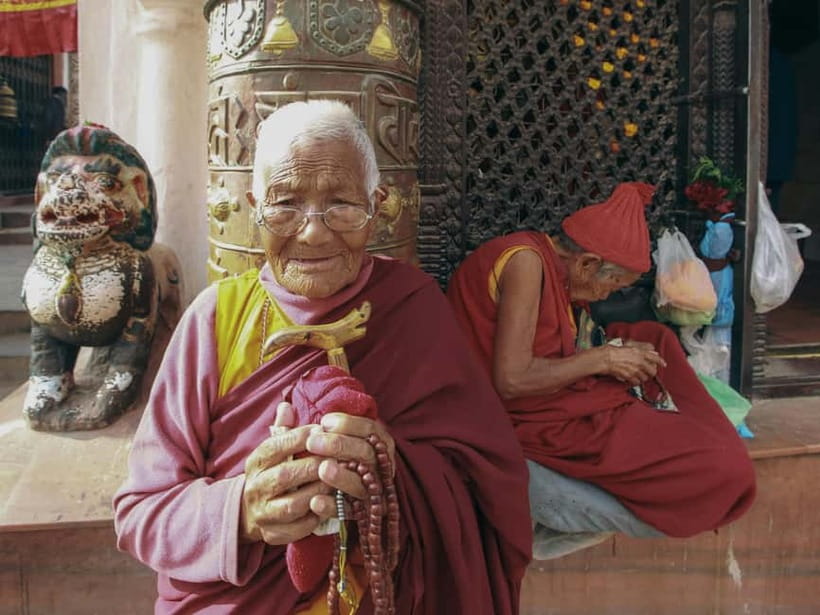
After your initial monastery start, the schedule includes the Dalai Lama temple or the Office of H.H. the Dalai Lama for about an hour. Then there is a quick stop at the Kalachakra temple.
These two are useful because they broaden the day beyond monastery walls. You get a glimpse of how institutional spirituality and public devotional spaces work side by side. Even with limited time, this combo can help you understand what is happening in Dharamshala as a living center, not only as a history lesson.
One practical note: these stops are time-boxed, so bring your questions. This is where an interactive guide style pays off. In past departures, the guide has been Onkar, and he has been praised for patience and for answering questions at a slower, more helpful pace rather than rushing everyone through.
Nechung Monastery and the Nechung Oracle traditions
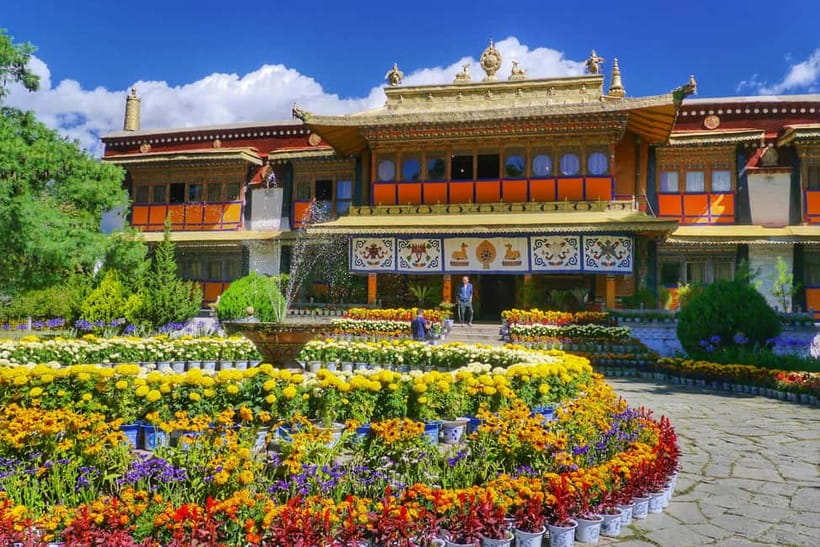
Next up is Nechung Monastery, with guided time that focuses on its ancient Tibetan traditions and the Nechung Oracle.
This is one of the stops where the guide matters a lot. “Oracle” can sound mysterious, but your guide’s job is to place it in the wider spiritual framework, so you do not just hear a dramatic story and move on. Instead, you connect it to how Tibetan religious practice includes both ritual and role, and how spiritual traditions maintain continuity over generations.
If you are the kind of person who likes to understand the “why” behind a custom, you will enjoy this. If you only want architecture and atmosphere, you might feel like you are missing details you expected. Either way, this stop gives the tour a distinct Tibetan signature, because it does not feel like a generic monastery visit.
Dip Tse Chok Ling Monastery, a quieter pace and meditation feel
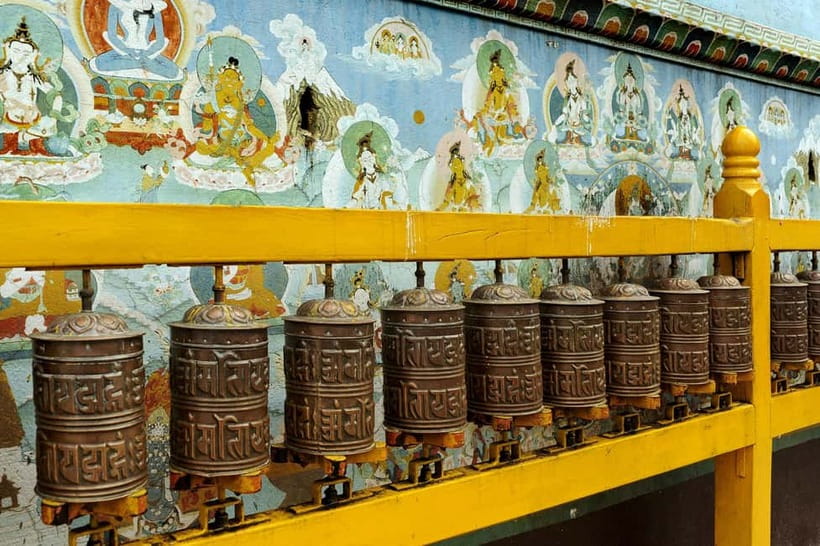
The itinerary plan includes Dip Tse Chok Ling Monastery, described as a serene retreat with nature around it. This stop is your chance to slow down a little, even within the overall 6-hour structure.
The tone here is different from the busier, institution-heavy sites. Instead of only focusing on history and leadership, you are directed toward stillness, meditation ambiance, and the way monasteries can function as places of practice, not just places of display.
Because the tour stays guided, you will likely get a quick orientation to what you are seeing and why the setting matters. I recommend you treat this as a “reset stop.” If you have been taking in a lot of information, this is where you let the place do some of the explaining.
Norbulingka Institute, gardens plus living Tibetan crafts
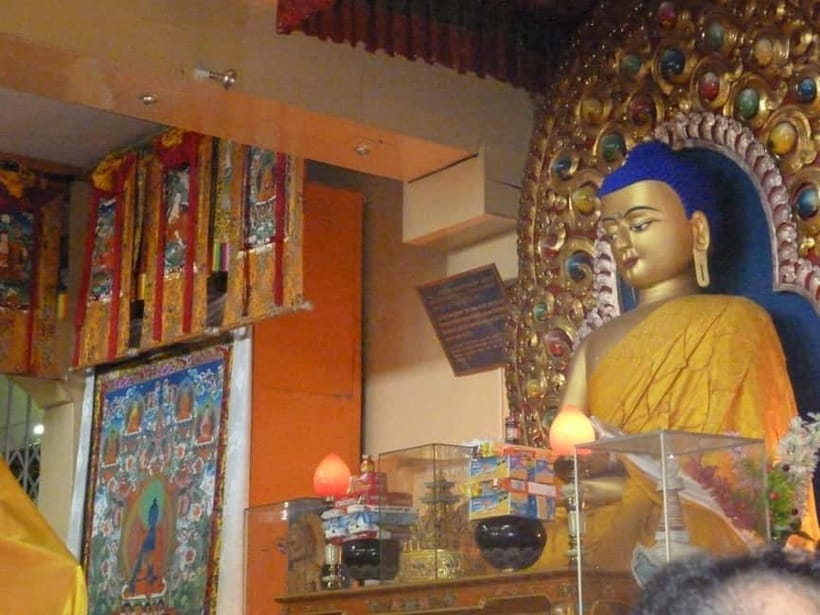
Then the tour shifts from monastery rooms to a cultural space: Norbulingka Institute. You get guided time here, including a chance to wander the gardens and see artisans preserving traditional arts and crafts.
This is where the tour becomes more balanced. Monasteries can be heavy with religious meaning, and that is powerful. But Tibetan culture is also craft, teaching, and ongoing work. Norbulingka gives you that everyday layer, so the day does not end with only spiritual buildings in your head.
If you like hands-on visual learning, keep your eyes open. Crafts and traditional art often carry the same symbols you see in monastery murals and religious objects. A good guide will point out those connections so you remember the details beyond the one photo you took.
Gyuto Monastery, tantric teachings and daily practice rhythm
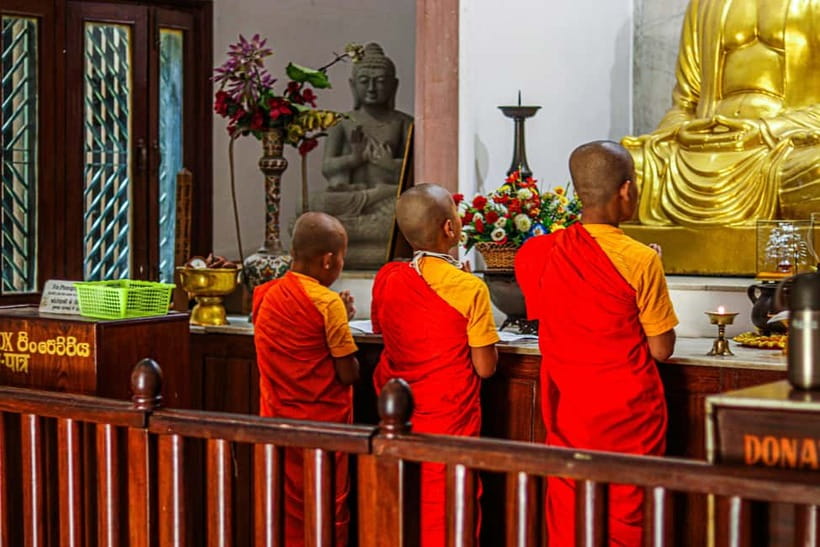
The tour includes Gyuto Monastery for about an hour, described as known for tantric rituals and teachings.
This stop can be intense in a good way, because tantric practice has a clear structure and purpose. You might not see everything you expect from the outside, since monasteries have their own rules about observation. But with a guide translating what you are seeing, the daily rhythm becomes the story. It is not only about chanting. It is about disciplined practice, roles, and how teachings are carried through training.
In past experiences on similar days, the guide style has been praised for making complex topics understandable without making them watered down. That is exactly what you want here. If tantric rituals are new to you, a clear explanation can turn confusion into curiosity instead.
Thosamling or Dolmaling Nunnery, finishing with a different viewpoint
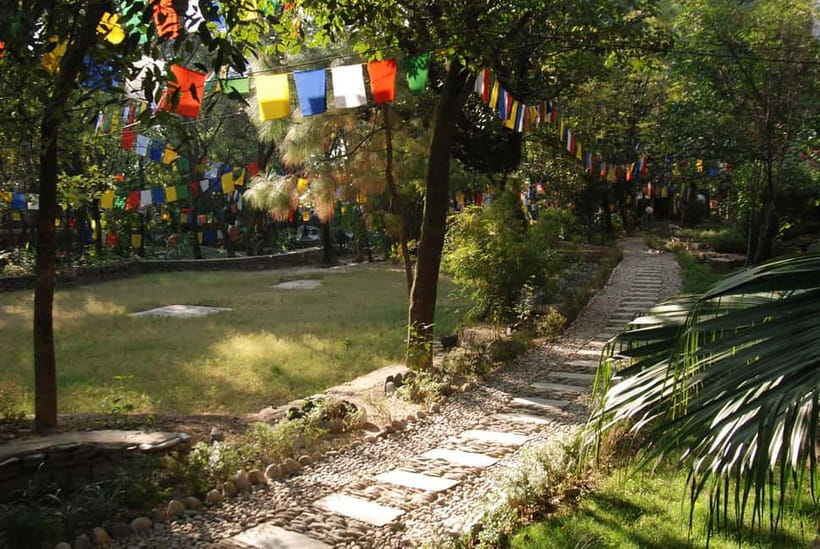
The tour concludes at a Tibetan nunnery, described as Thosamling Nunnery in the overall plan. But the day’s sequence also notes Dolmaling Nunnery as the closing stop, so you may finish at one of these or the exact nunnery may vary by the day’s routing.
Either way, finishing at a nunnery adds real perspective. It is easy for monastery tours to focus only on monks and big institutions. A nunnery stop shows another side of Tibetan religious life, and it often feels calmer because the setting emphasizes contemplation and practice.
The tour includes guided time and a meditation session at the end. If you have enjoyed watching ceremonies earlier, this is where you turn your attention inward for a bit.
Price and logistics, what $54 actually buys you
The listed price is $54 per person for about 6 hours, including hotel pickup and drop off, an English speaking local professional guide, a water bottle, and coverage of prominent monasteries in Dharamshala and McLeod Ganj, plus taxes.
Here is why the math can make sense: without a guide, you would likely spend time figuring out routes, public access, and timing. With a guide, you trade some flexibility for efficiency and interpretation. You are buying a structured itinerary plus someone who can explain what you are looking at as you go.
What is not included matters too. Meals are not included, and monument fees are not included. So budget for a snack or a proper lunch on your own, and keep a little extra cash or payment option ready in case a site requests fees. Also, this tour is private group, so you are usually not sharing with a large crowd, which makes the guide’s pace easier.
Another logistics detail worth knowing: the driver brings you back to your hotel at the end. That is a small thing, but in a place with hills and traffic, it saves you from the “now how do I get back” stress.
What makes the guide experience work, and how to get more from it
The tour is built around a local English speaking guide, and the quality of that guide is the difference between a day that feels like a checklist and a day that feels like you understand the place.
In some past departures, the guide has been Onkar. The feedback pattern is consistent: he gives history and cultural context, he is patient, and he answers questions without acting like your curiosity is a nuisance. If you get a guide with that approach, the monasteries become much easier to read. You start noticing symbols in art and ritual patterns in daily routines, instead of treating each stop as a separate photo op.
A practical tip: come with 2 to 4 questions. For example, you can ask how the different monasteries relate to Tibetan spiritual leadership, or what makes Nechung traditions distinct. Then listen closely during the guided time, because the explanation is the connective tissue for the whole route.
Walking, timing, and comfort in McLeod Ganj and Dharamshala hills
Even though most stops are guided tours, the day still includes sightseeing and walking, about 5.5 hours in the schedule. That is a lot for one day, especially with elevation and stair steps around hill towns.
If you plan to book, think about footwear. Closed-toe shoes with grip are a safe bet, and you will be grateful for comfortable layers because mountain weather shifts quickly. You have a water bottle included, but you should still pace yourself.
Also, because the day is structured, you will not have unlimited wandering time. If you like slow travel, you might want to add a separate half-day later just for one monastery you enjoyed most.
Who should book this tour, and who might want a different pace
This is a great fit for you if:
- you want a focused Dharamshala and McLeod Ganj monasteries tour with clear explanations
- you are new to Tibetan Buddhism and want a guided introduction to major institutions
- you prefer a private group setting and an English speaking guide
- you like efficient days that still feel respectful and thoughtful
You might want something slower if:
- you plan to take notes, journal, or sit for long meditation stretches at each site
- you want lots of free time to wander without guidance
- you are sensitive to a tight schedule and frequent moving between locations
Should you book this Dharamshala monasteries tour?
If your goal is understanding, not just sightseeing, I think this is an easy yes. The route hits major names, including Namgyal Monastery, Nechung Monastery, Norbulingka Institute, Gyuto Monastery, and a nunnery finish. You also get the bonus of cultural context through temple and office stops, plus a guided meditation ending.
The only real reason to skip is if you already know you want long silent time in one place. This tour is designed for a well-explained circuit in one day, not for unhurried retreat. If that matches your travel style, book it, pack comfortable shoes, and use your guide’s explanations like a translation tool for what you see.
FAQ
What is the duration of this monasteries tour in Dharamshala?
The tour duration is 6 hours.
Where do you get picked up from?
Pickup is from your Dharamshala location.
Is there hotel drop off at the end?
Yes, the driver drops you back at your hotel at the end of the tour.
Is the guide English speaking?
Yes, the tour includes a live guide speaking English.
Is this a private group tour?
Yes, it is a private group.
Which monasteries and cultural stops are included?
The tour includes Namgyal Monastery, Nechung Monastery, Dip Tse Chok Ling Monastery, Norbulingka Institute, Gyuto Monastery, and a nunnery stop (Thosamling Nunnery or Dolmaling Nunnery), plus visits that include the Dalai Lama temple or Office and the Kalachakra temple.
Is a water bottle included?
Yes, a water bottle is included.
Are meals included in the price?
No, meals are not included.
Are monument fees included?
No, monument fees are not included.
What is the cancellation policy?
You can cancel up to 24 hours in advance for a full refund.
Himachal Hill Station Tours, compared.
 ★ 5.0Hiking Day Tour to Triund from DharamshalaFrom $3175 reviews
 ★ 5.0Shimla Private Guided Walk Tour exploring the colonial trailsFrom $1666 reviews
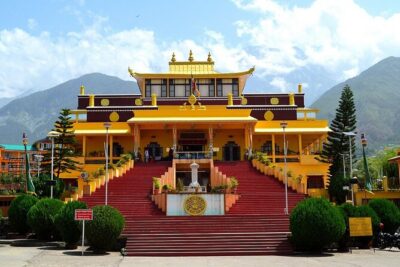 ★ 5.0Private 6 hrs Mcleodganj & Dharamshala City TourFrom $4565 reviews
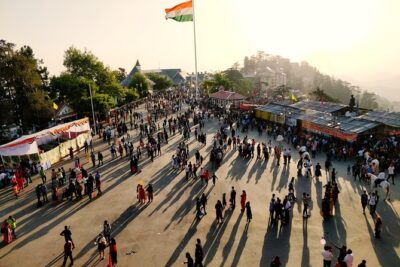 ★ 5.0Shimla Manali PackageFrom $25057 reviews
 ★ 5.0Amritsar Dalhousie Dharamshala 6 Days TourFrom $35855 reviews
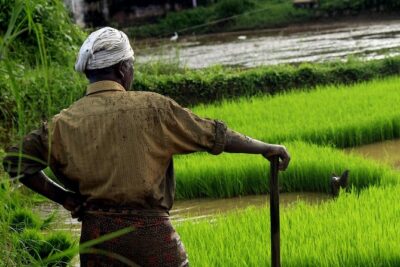 ★ 5.0Unique Shimla and Manali tourFrom $25047 reviews
 ★ 5.0Guided Heritage Walk Tour in ShimlaFrom $3140 reviews
 ★ 5.0Private 7 Days Shimla Manali Hill Stations Tour From ChandigarhFrom $45030 reviews
Browse the lists this tour appears in