
REVIEW · PUNE AND MAHARASHTRA TOURS
Immersive walking tour in Pune for cultural immersion with guide
Pune history makes more sense on foot. This 3-hour walk is a tight way to connect Pune’s Maratha era to places you can actually see, led by Ajit, who brings the stories with real energy. I especially liked how entrance fees and light coffee or tea are handled for you, so you spend less time figuring things out and more time looking closely. One thing to plan for, you do need knees and shoulders covered, and it is still a walking route through active city streets.
I also like that the stops are smartly chosen for first-timers. You start at Shaniwar Wada, move through major Ganpati temples, then end at Laxmi Market for a local shopping break. If your timing lines up with Ganesh festival, the temple route can feel even more electric, without turning into a messy free-for-all.
There is a possible drawback: you are on a schedule. With about 30 to 45 minutes at key sites and a max group size of 15, the experience is best if you’re comfortable with a steady pace and paying attention as you walk.
In This Review
- Key things I’d circle before you book
- Why Pune’s Maratha era works well on a 3-hour walk
- Price and what your $55 actually covers
- Meeting point, pickup, and how the route flows
- Shaniwar Wada: the Peshwas seat of power in 30 minutes
- Dagdusheth Halwai Ganpati Mandir: the 1892 legend you can stand in front of
- Laxmi Market: a real shopping break, not a tourist detour
- Kasba Peth Ganpati: 1630 roots tied to Shivaji Maharaj
- Lal Mahal (Red Palace): the Shivaji and Shaista Khan encounter
- The guide makes it click: Ajit’s pacing and personality
- What to wear, what to bring, and how to stay comfortable
- Who this walking tour is best for
- Should you book this Pune heritage walking tour?
- FAQ
- How long is the Pune walking tour?
- What does the tour cost, and what is included in that price?
- Do I get pickup?
- Is lunch included?
- What should I wear to visit the temples?
- How big is the group?
- What is the cancellation policy?
Key things I’d circle before you book

- Small group size (up to 15), which keeps the guide interaction personal
- Entrance fees included across most stops, so your time stays on the ground
- Ganpati temple highlights tied to major moments in Pune history
- Laxmi Market time for souvenirs, snack breaks, and local shopping energy
- Pickup offered plus a meeting point near public transportation
- Coffee and/or tea included, a nice reset mid-walk
More of Pune and the country around it
Why Pune’s Maratha era works well on a 3-hour walk
Pune can feel like a stack of different worlds. You get busy modern streets right next to historic forts, royal buildings, and temples that locals still treat as part of daily life. This tour helps you connect those layers fast, because each stop links to a specific chapter of the Maratha period.
The best part is the structure. You are not wandering for hours with guesswork. You hit the seat of power first, then you shift to devotion and community spaces, and you finish where people actually shop and trade. That arc helps the city click.
Ajit’s style matters here. From what people describe, he’s friendly and enthusiastic in a way that keeps you moving when you arrive tired, especially if you’re new to India. Even in a short window, you come away with a clearer sense of who held power, what traditions shaped the city, and why certain places are so central to Pune.
Price and what your $55 actually covers
At $55 per person for about 3 hours, this is priced like a guided half-day that tries to remove friction. The tour includes local guide time, all taxes and handling charges, and coffee and/or tea. It also states that entrance fees are included, which is the big money-saver on heritage walks.
Why that matters: temple and palace sites can add up quickly if you’re paying as you go. Here, you don’t have to hunt for ticket counters, calculate what’s included, or figure out what to skip. You can show up, follow the plan, and focus on the stories and details.
Lunch is not included. That’s normal for a shorter walking tour, but you should plan to eat either before the start or after you finish at Laxmi Market. If you tend to get hungry while walking, bring a small snack in your day bag anyway.
Meeting point, pickup, and how the route flows
The tour starts at Shaniwarwada in Kasba Peth, Pune, and ends at Laxmi Market near Laxmi Road in Budhwar Peth. You may have pickup offered, and the meeting area is noted as being near public transportation, which helps if you’re not planning to hire a private car.
The route is designed around proximity, not detours. That means you spend your limited time on stops that are worth the effort, instead of burning minutes on getting across town. With a max of 15 people, it’s also easier for the guide to keep everyone together at each check-in point.
Timing is also part of the value. You get a realistic half-day overview: Shaniwar Wada (about 30 minutes), Dagdusheth Ganpati (about 45 minutes), Laxmi Market (about 45 minutes), Kasba Peth Ganpati (about 20 minutes), and Lal Mahal (about 30 minutes). It is a fast but thoughtful sequence.
One practical note before you go: the tour requires knees and shoulders covered for both men and women. Plan your outfit like you’re visiting temples, because you are.
- Private 2-Day Tour to The Taj Mahal and Agra with Both Side Commercial Flights★ 5.0 · 63 reviews
- Immersive culture tour of Pune by private car with guide and local lunch★ 5.0 · 38 reviews
- Immersive walking tour in Pune for cultural immersion with guide★ 5.0 · 35 reviews
- Sinhagad Fort Trip (Guided Half Day Sightseeing Tour)★ 5.0 · 29 reviews
- Private Tajmahal Day Tour From Mumbai ,Pune ,Chennai with flights★ 5.0 · 23 reviews
Shaniwar Wada: the Peshwas seat of power in 30 minutes
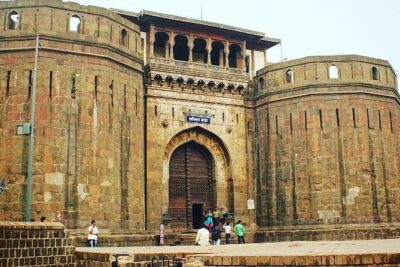
Shaniwar Wada is where the story gets grounded. This is described as the seat of power of the Peshwas, the Prime Ministers of the Maratha Empire, a dominant force in India between the 17th and 19th centuries. When you start here, the rest of the walk feels less random.
What you’ll get from this stop is perspective. Instead of only seeing buildings, you learn how political power worked in the Maratha era and why Pune mattered so much. If you’re a first-time visitor, this is a smart opener because it gives you a framework for everything else you’ll see.
In practical terms, you have around 30 minutes here, so it’s enough time to orient yourself and ask questions, but not long enough to treat it like a museum day. Wear comfortable shoes and keep your phone charged for quick reference photos as you go.
Dagdusheth Halwai Ganpati Mandir: the 1892 legend you can stand in front of
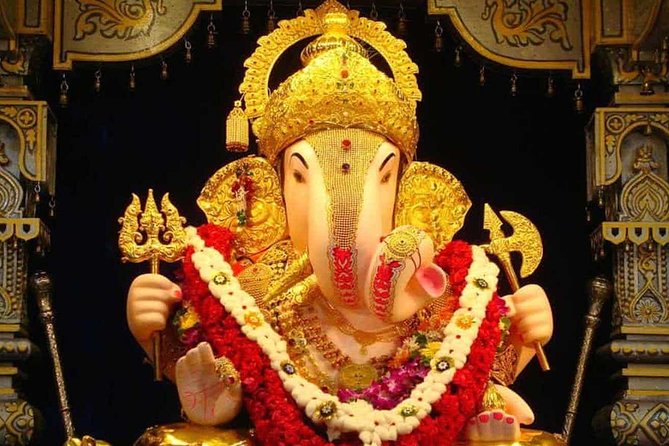
Next comes Shrimant Dagdusheth Halwai Ganpati Mandir, dedicated to Lord Ganesh. This temple is famous in Pune, and the guide connects it to a specific story: Dagdu Sheth, a sweets maker, lost his son to plague and later built this temple in 1892.
That legend matters because it explains why the place feels so alive. It’s not just architecture. It’s memory, grief turned into devotion, and a community ritual that has continued for generations. You’ll get about 45 minutes at this stop, which is helpful because Ganpati temple areas move with people, incense, and energy.
What to watch for: take a slow look at how the space is used. Temples like this are active sites, so you’ll likely see worship practices happening while you’re there. If you want great photos, aim for quiet moments when the flow pauses, and always follow guide instructions and local cues.
Laxmi Market: a real shopping break, not a tourist detour
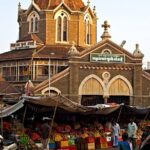
After temples, you shift into the everyday side of Pune at Laxmi Market. This part is about local shopping culture, souvenirs, and that familiar bazaar vibe. The tour gives you about 45 minutes here, which is enough time to browse without feeling like you’re trapped.
The name also connects to meaning. Laxmi Market is named after the Hindu goddess of wealth, and that theme fits well because people come here for everyday purchases as well as special items. I like that this stop does not feel like a forced shopping spree. It’s more like, here is where locals trade and browse, spend a bit of time and pick what fits your trip.
A practical tip: set a rough budget before you start browsing. Market pricing can vary, and with a limited time window, you’ll make better decisions if you’re not thinking on the spot.
Kasba Peth Ganpati: 1630 roots tied to Shivaji Maharaj
Kasba Peth Ganpati Temple is shorter on the clock, about 20 minutes, but it carries a big historical claim. The tour description says the idol of Ganesh was installed by Shivaji Maharaj and his mother Jija bai in 1630, and that the temple is the presiding deity of Pune city.
This is where the walk becomes more than sightseeing. You start to see how royal leadership and public religion intersected. Even in a quick visit, the guide’s explanation helps you understand why locals treat certain temples as civic anchors, not just spiritual stops.
Because the admission here is free, you might be surprised by how much time you’ll want to spend if the place captures your attention. Still, with the schedule, focus on the essentials and soak up the explanation, then move on. It keeps the pacing respectful for everyone in the group.
Lal Mahal (Red Palace): the Shivaji and Shaista Khan encounter
Lal Mahal, also called the Red Palace, was established in 1630 by Shahaji Bhosle, Shivaji Maharaj’s father. It is also tied to an important historical encounter between Shivaji and Shaista Khan. The original building fell into ruin, but the site remains meaningful for how Pune’s story gets told.
This stop adds the political drama piece you don’t get from temple visits. Instead of community devotion, you shift toward court power, conflict, and the chessboard of the Maratha era. You get about 30 minutes here, which is enough to understand the significance and see what survives today.
A good way to approach this: try to hold two timelines in your head. First, think of the Maratha leaders and the power struggle behind the scenes. Then, look at how the site fits into Pune’s modern streets. You’ll start to feel how the city holds history in layers.
The guide makes it click: Ajit’s pacing and personality
A heritage walk lives or dies on the guide, and Ajit is repeatedly described as friendly, enthusiastic, and deeply informed about Pune and India’s history. That tone matters more than you might think.
If you’re arriving and you’re tired, a guide can either slow you down with a long lecture or keep you moving with stories that land in the moment. People also describe him adding little touches that make the tour feel intimate, not like a checklist run.
One bonus you might notice depending on timing: because the route includes Ganesh temple stops, you may get extra festival energy if you’re in town for Ganesh celebrations. In one experience described, the walk connected directly with festival scenes and even included an extra museum related to freedom fighters. That tells me the guide pays attention to what’s happening around you and adjusts to make the day feel complete.
What to wear, what to bring, and how to stay comfortable
This tour has one clear dress rule: knees and shoulders must be covered for both men and women. That’s not just for show, because you are visiting active temples. I’d plan to wear lightweight long pants and a shirt or scarf that covers your shoulders comfortably.
For footwear, wear shoes you can walk in for about three hours. Street surfaces can be uneven, and you’ll want stable footing more than style. Bring a small bottle of water, even though coffee or tea is included. It’s still a walk, and Pune heat can make hydration a bigger deal than you expect.
For photos, keep your expectations realistic. You are in working religious spaces, so some areas may be busy at times. Follow your guide’s cues, be patient, and take pictures when it’s appropriate.
Who this walking tour is best for
This is a great fit if you are:
- A first-time visitor who wants an organized half-day overview
- Interested in Maratha-era history and how it connects to modern Pune
- Happy to mix temples, royal-site context, and a local market in one outing
- Traveling with a small group or as a couple who wants a guide to answer questions
It may be less ideal if you:
- Want a slow, linger-for-hours pace at each site
- Don’t like walking through busy city streets for three hours
- Prefer a lunch-included format with fewer schedule stops
The small group size helps, but it still moves. Think of it as a focused introduction, not a leisurely day trip.
Should you book this Pune heritage walking tour?
If you want a structured, culturally grounded introduction to Pune, I think this tour is a solid choice. The value stands out because it bundles the big admin pieces, entrance fees plus coffee or tea, into one price. You also get a logical route that starts with power, then moves into public devotion, then ends where locals shop.
Book it if you like asking questions, enjoy short time at multiple sites, and can follow the dress rule for temples. Consider skipping or adjusting expectations if you’re hoping for a slow museum-style experience or if you are not comfortable with a steady walking schedule.
If you’re in Pune for only a short window, this is the kind of outing that helps you return to the city after the tour with a clearer map in your head.
FAQ
How long is the Pune walking tour?
The tour lasts about 3 hours.
What does the tour cost, and what is included in that price?
It costs $55. All taxes, fees, and handling charges are included, along with a local guide and coffee and/or tea. Entrance fees are included at the listed sites.
Do I get pickup?
Pickup is offered, and the start point is at Shaniwarwada, Kasba Peth, Pune, with the tour ending at Laxmi Market.
Is lunch included?
No, lunch is not included.
What should I wear to visit the temples?
You must have knees and shoulders covered for both men and women.
How big is the group?
The tour has a maximum of 15 travelers.
What is the cancellation policy?
You can cancel for a full refund if you cancel up to 24 hours in advance of the experience start time.
Pune and Around, More Reviews

Recently reviewed across Pune
- Pune: Sacred Sites Half Day Tour with Snacks (AC Car Tour)
★ 5.0 · 16 reviews - Best of Pune Private City Tour with Lunch and Transport
★ 5.0 · 17 reviews - Pune to Lonavala Monsoon Drive in Private Vehicle
★ 4.5 · 20 reviews - Private Tajmahal Day Tour From Mumbai ,Pune ,Chennai with flights
★ 5.0 · 23 reviews - Sinhagad Fort Trip (Guided Half Day Sightseeing Tour)
★ 5.0 · 29 reviews - Immersive walking tour in Pune for cultural immersion with guide
★ 5.0 · 35 reviews
Pune and Maharashtra Tours, compared.
 ★ 4.5Guided Highlights of Pune Car Tour with a local (4 Hrs Sightseeing in AC Car)From $7888 reviews
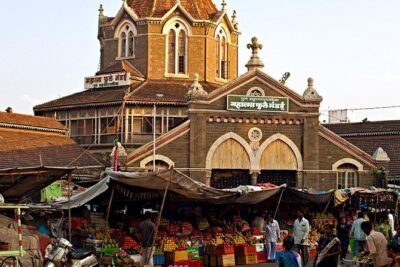 ★ 4.5Pune Walking Tour with a PunekarFrom $5376 reviews
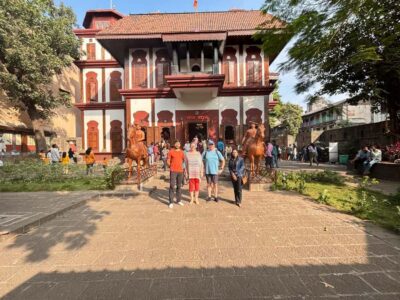 ★ 4.9Pune: Old City & Camp Cultural Walking Tour with Local SnackFrom $1765 reviews
 ★ 5.0Hill-station & Heritage: Lonavala & Karla Caves Tour from MumbaiFrom $7260 reviews
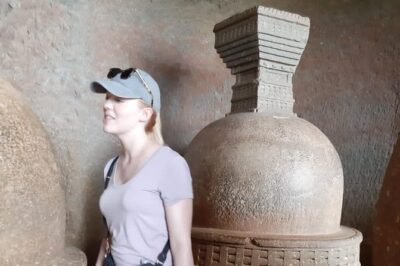 ★ 5.0Lonavala – Hill Station Tour From MumbaiFrom $12959 reviews
 ★ 3.5Skip the Line: Meher Retreat Day Picnic Ticket, Near PuneFrom $5657 reviews
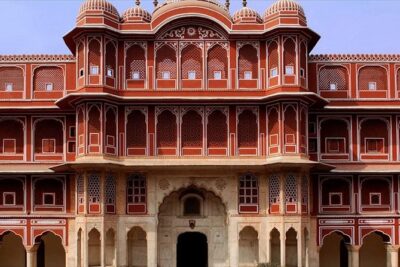 ★ 5.0Immersive culture tour of Pune by private car with guide and local lunchFrom $11738 reviews
 ★ 5.0Sinhagad Fort Trip (Guided Half Day Sightseeing Tour)From $7429 reviews
Browse the lists this tour appears in