
REVIEW · FOOD
Learn 5-6 & Eat 9-10 Veg & Non-Veg Authentic Dish in a Delhi Home
Dinner starts with your own hands. This Delhi home cooking class turns a regular family meal into a hands-on lesson, guided by local chefs in a family home setting, then capped with 10+ dishes to taste.
I really like the way it’s both practical and social, you cook with your hosts, and you also get time for real talk about daily life and Indian food customs. I also love the food volume for the price, you’re learning several dishes and then eating a full spread, including breads and dessert, not just sampling a few bites. One thing to keep in mind: it runs about 7 hours and starts at 3:00 pm from Dwarka, so plan your day around a late-afternoon to evening schedule.
In This Review
- Key highlights worth your attention
- A Delhi home kitchen you can actually learn from
- What you’ll cook and eat, and why the menu makes sense
- The hands-on cooking section: 5-6 dishes you’ll make
- The tasting dinner spread: 9-10 dishes you’ll eat
- Dietary needs: what you can realistically expect
- The 3:00 pm start in Dwarka, and how the timing feels
- Arrival: masala tea, pakora, and chaat to get you in the mood
- Rolling up sleeves: how the cooking lesson is paced
- Typical things you’ll learn while cooking
- The meal: chicken or mutton curry, biryani, naan, and dessert
- A useful way to eat during the lesson
- Conversations beyond the kitchen: food as a map of daily life
- Who this class is best for
- Price and value: what $120 buys you here
- Small practical tips before you go
- Should you book this Delhi home cooking class?
- FAQ
- How long does the cooking class last?
- What time does the experience start, and where do we meet?
- Is this tour private?
- How much does it cost?
- What food and drinks are included?
- Can the menu be customized for dietary preferences?
- Is transportation included?
Key highlights worth your attention
- Learn 5-6 dishes hands-on, not just watch and take notes
- Eat 9-10 veg and non-veg items, including breads and a homemade dessert
- Tea and street snacks first, like pakora and chaat with green sauce
- Guides Malika and Anurag teach at your pace inside a family kitchen
- Menu customization can happen, based on what you share about restrictions
- Hotel transfers are handled, but it is not marketed as a private car for your group
Shortlisting? Every New Delhi trip below went through the same review.




A Delhi home kitchen you can actually learn from
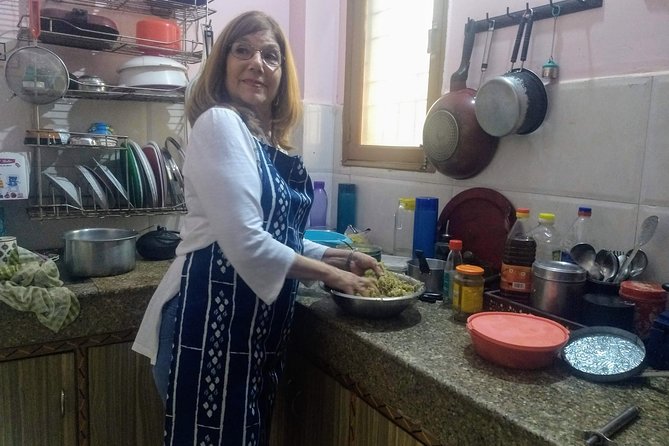
If you’ve ever wished cooking classes came with real confidence, this one is built for that. You’re not stuck behind a counter while someone else does everything. You cook alongside the hosts, then you sit down to the meal you helped make.
The setting matters. This is a private class at a family home in New Delhi, with local chefs. That means you get a kitchen rhythm that feels like an actual dinner prep, not a staged demo.
You also get a warm, personal tone. In the reviews, guests repeatedly mention feeling like part of the family. Malika and Anurag lead the evening, and both actively participate, so you are not just learning from one person in the background.
What you’ll cook and eat, and why the menu makes sense
This experience is designed around two parts: you learn a handful of dishes, then you eat a bigger spread. The idea is simple. If you can make the building blocks, you can recreate the meal later.
The hands-on cooking section: 5-6 dishes you’ll make
Based on what’s described and what’s included, you’ll be cooking typical Indian dishes such as curry, lentils, kebabs, and the sides that make the meal complete. Bread and rice are part of the plan too, so you’re not only dealing with sauces.
Here’s what that means in practice. Indian meals often work like a system:
- A curry gives you the sauce and the spice style.
- Lentils bring texture and comfort, plus a different flavor rhythm than meat.
- Kebabs or tikka-style items add smokiness and protein, usually with a marinade concept.
- Naan and rice do more than fill the plate, they also carry the sauces.
Even if you’re a beginner, cooking this mix is valuable because it covers multiple techniques, not one repeating step.
- Old & New Delhi City Tour – Half or Full Day Options Available★ 5.0 · 4,811 reviews
- Taj Mahal Tour from Delhi by Express Train (Viator Award Winner)★ 5.0 · 2,849 reviews
- Same Day Taj Mahal, Fort & Baby Taj Tour from Delhi by Car★ 4.9 · 2,534 reviews
- From Delhi: Taj Mahal and Agra Fort Private Sunrise Tour★ 4.9 · 2,270 reviews
- Sunrise Taj Mahal, Agra Fort & Baby Taj Tour from Delhi by Car★ 5.0 · 2,243 reviews
The tasting dinner spread: 9-10 dishes you’ll eat
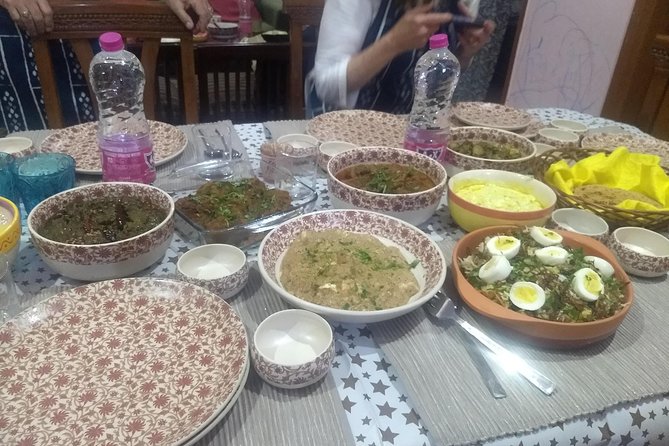
You’re set up for a full dinner, with snacks earlier and a main spread later. The included dinner items list gives you a clear picture of the feast:
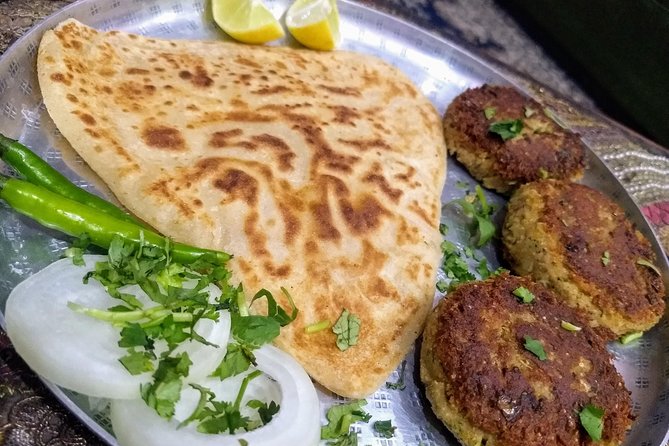
- Masala tea or coffee at the start
- Mix vegetable pakora
- Street snacks like chaat with green sauce
- Dahi Bhalla
- Dinner options that include chicken or mutton curry (any one)
- Tikka or kebab (any one)
- Lentil
- Dry vegetable with cottage cheese
- Mutton or chicken biryani (any one)
- Naan
- Homemade dessert
That’s a lot of variety in one evening. You get tangy, creamy, spiced, and savory components, plus dessert to close it out. It’s also a nice mix of veg and non-veg so you can see how the cuisine shifts while still staying familiar.
Dietary needs: what you can realistically expect
From the reviews, Malika asks ahead about what guests want and any restrictions. One guest described a pescatarian menu customization, with an egg curry highlighted as a standout. So if you have a dietary preference, speak up during booking and message the provider with your needs.
Just a practical note: the menu is listed with specific dishes, and customization is described as possible. I’d still confirm what can be swapped for your exact dietary rules, especially if you avoid certain animal products.
The 3:00 pm start in Dwarka, and how the timing feels
This class starts at 3:00 pm at Nishat Park, Sector 15, Dwarka, Delhi. It ends back at the meeting point. You’re looking at about 7 hours total.
That schedule is actually handy. It gives you time to:
- arrive before the kitchen gets fully busy,
- learn while you still have energy,
- and then enjoy the meal at a comfortable dinner time without rushing.
If you’re doing other Delhi plans that day, put this on a “flex” afternoon. It’s not a quick 2-hour punch, it’s a full food experience.
Arrival: masala tea, pakora, and chaat to get you in the mood
When you arrive, you start with an introductory chat. The hosts serve your drink choice, masala tea or coffee, plus two Indian snacks.
Those snacks are listed as:
- Mix vegetable pakora
- Street snacks like chaat with green sauce
- Dahi Bhalla
Even if you’re not learning the snack recipes step-by-step, this part matters. It gives you the flavor baseline of the evening. Chaat and dahi bhalla also show a common Indian idea: a single plate can bring together crunch, cool yogurt, tang, and spice.
Ask questions while you eat. It’s a good time to learn how the hosts think about balance, not just what goes into the food.
Rolling up sleeves: how the cooking lesson is paced
The class is described as approachable, with guidance meant to help you recreate the dishes at home. You’re not expected to already know Indian cooking.
Two adults from distinct cultures, traditions, and faiths live harmoniously in this family setting, and both hosts participate. That can make the evening feel more like a cultural conversation than a one-way class.
You should expect:
- hands-on cooking steps,
- host explanations as you work,
- and time to learn at your own pace.
In other words, you get the structure of a lesson but with the flexibility of a home dinner. That’s why beginners often do well here.
Typical things you’ll learn while cooking
The exact dish list for the “learn 5-6” part isn’t spelled out item-by-item, but the plan clearly covers core categories:
- curry cooking (spice layering and simmer logic)
- lentils (texture and seasoning)
- kebabs or tikka style items (marinade and cooking method)
- rice and breads (so you can build a proper plate later)
- dessert (so you learn the sweet ending too)
If you want to take something home, focus on the “why” behind each stage. For example, curries often depend on how spices are cooked and when liquids are added. Lentils depend on timing and salt balance. Breads depend on dough feel and heat. Even without exact measurements, you can learn a practical method by watching how they adjust as they go.
The meal: chicken or mutton curry, biryani, naan, and dessert
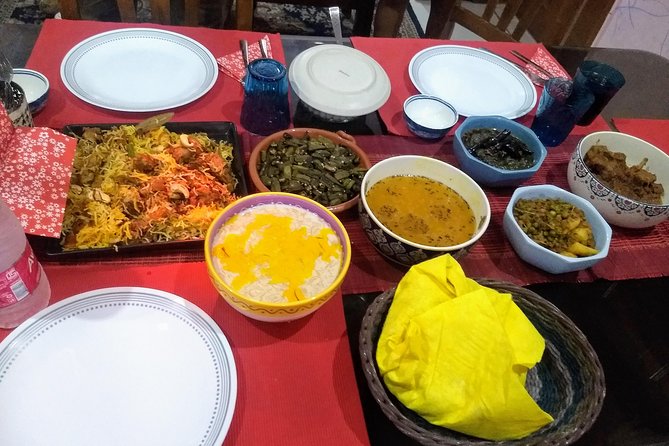
Once cooking is done, you eat the spread together. Dinner includes:
- Chicken or mutton curry (choose one)
- Tikka or kebab (choose one)
- Lentil
- Dry vegetable with cottage cheese
- Chicken or mutton biryani
- Naan
- Homemade dessert
This is where the class pays off. A lot of cooking classes teach recipes. This one teaches how the dishes work together. Biryani plus curry plus bread is a real-life combo. You taste how flavors stack, and you learn what you like on your own plate.
A useful way to eat during the lesson
Take small bites and notice the patterns:
- Curry gives you the sauce identity.
- Biryani gives you the aroma and spice profile plus rice texture.
- Naan is your tool for carrying sauce and cleaning the plate.
- Lentils and the dry veg portion help you see how vegetarian elements fit beside meat dishes.
Then end with dessert. That’s not optional fluff. It trains you on how Indian meals often close, with sweets that balance the day’s spices.
Conversations beyond the kitchen: food as a map of daily life
One of the most memorable parts of a home class is what happens off the stove. Here, you talk about local life and customs, and how food matters across Indian occasions and regions.
That kind of context makes recipes stick in your head. Instead of just remembering ingredients, you start remembering the role of a dish. Why do certain foods appear at celebrations? When do people prefer lentils versus meat? How do household meals reflect geography and tradition?
In the reviews, guests also mention feeling welcomed as family. If you can, lean into that. Ask about what’s cooked on regular weekdays and what changes for big moments.
Who this class is best for
I think this is a strong choice for:
- Food lovers who want to taste a lot, not just one or two dishes
- Beginners who need step-by-step help to feel comfortable cooking later
- People who want a private group experience in a real home kitchen
- Travelers who enjoy cultural chat along with the food
If you’re the type who only wants a fast snack and a casual demo, you might find the full cooking portion and 7-hour length more than you expected. But if you’re serious about learning, this format is a good fit.
Price and value: what $120 buys you here
At $120 per person, you’re paying for more than ingredients. You’re paying for:
- a private class setup,
- the hosts’ time to teach cooking steps,
- multiple snacks plus a full dinner spread,
- and drink service at the start.
The big value is that you’re not leaving hungry or underfed on variety. You learn several dishes and eat close to ten items, including breads and dessert. That’s hard to match with a simple restaurant meal.
Also, the experience notes group discounts, so if you’re traveling with friends, your per-person value can improve.
One more practical value point: you get hassle-free transfers from your New Delhi hotel. That reduces the friction of getting to a residential neighborhood at the right time, and it matters when you’re planning an afternoon to evening schedule.
Small practical tips before you go
- Plan to be hands-on. You will be in a cooking mood for several hours, so wear comfortable clothes you can move in.
- Tell them your dietary needs up front. The reviews show customization can happen, but the best results come when you share restrictions early.
- Come curious, not rushed. The conversation part is part of the experience, and it’s usually when the most useful food context shows up.
Should you book this Delhi home cooking class?
Book it if you want a real home-cooked Indian meal, with the chance to learn multiple dishes and eat a full variety spread, not just watch. The price feels more reasonable when you factor in the snacks, dinner, and guided instruction, and the private family-home setting is the kind of experience you remember.
Skip it if you want a short, low-effort activity or you dislike cooking with your hands. Also, if your schedule is rigid, the 3:00 pm start in Dwarka and the 7-hour length are worth planning around.
FAQ
How long does the cooking class last?
It lasts about 7 hours.
What time does the experience start, and where do we meet?
It starts at 3:00 pm at Nishat Park, Sector 15 Dwarka, Dwarka, Delhi, India.
Is this tour private?
Yes. It is a private tour or activity, and only your group participates.
How much does it cost?
The price is $120.00 per person.
What food and drinks are included?
You get masala tea or coffee at the start, plus Indian snacks such as mix vegetable pakora, chaat with green sauce, and dahi bhalla. Dinner includes items such as chicken or mutton curry (any one), tikka or kebab (any one), lentil, dry vegetable with cottage cheese, biryani (mutton or chicken, any one), naan, and a homemade dessert.
Can the menu be customized for dietary preferences?
The experience is described as allowing discussion of what you want to learn and restrictions, and a review notes the hosts customized the menu for a pescatarian guest.
Is transportation included?
You get hassle-free transfers from your New Delhi hotel. Private transportation is listed as not included.
Recently reviewed across New Delhi
- Golden Triangle – Delhi Agra and Jaipur
★ 5.0 · 10 reviews - Taj Mahal & Agra Tour by Indian Bullet Train All Inclusive
★ 4.5 · 10 reviews - Private Tour in Mehrauli Archaeological Park & Qutub Minar
★ 5.0 · 10 reviews - Old & New Delhi Tour
★ 5.0 · 10 reviews - From Delhi : Taj Mahal & Agra Fort Tour by Luxury Express Train
★ 5.0 · 10 reviews - Delhi Shopping Tour: Top Bazaars, Crafts & Souvenir Finds
★ 5.0 · 10 reviews
Food, compared.
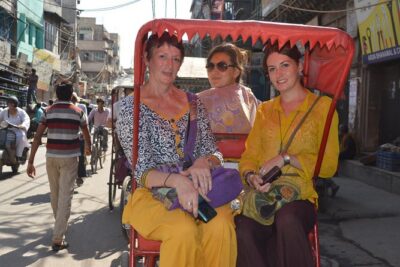 ★ 5.0Old Delhi Food, Heritage&Cultural Walk with Rickshaw ride to Masterji Kee HaveliFrom $52742 reviews
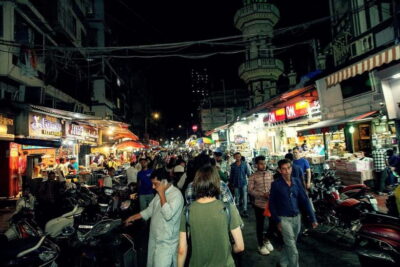 ★ 4.9Street Food and Night Markets TourFrom $13719 reviews
 ★ 5.0Old Delhi Street Food TourFrom $40497 reviews
 ★ 5.0Delhi Food Walk: Rickshaw Ride, Street Eats & Market TourFrom $40401 reviews
 ★ 5.0Old Delhi Street Food Tour – Explore Spices in Chandni ChowkFrom $34334 reviews
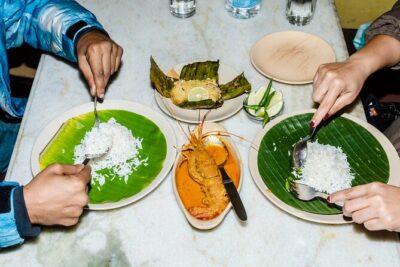 ★ 5.0Bengali Nights Kolkata Food Tour with 13+ TastingsFrom $39325 reviews
 ★ 5.0Old Delhi Food-Spice Market-Temples Tour Soon Featured on NETFLIXFrom $49304 reviews
 ★ 5.0Chandni Chowk Delhi Food Tour with 15+ TastingsFrom $39285 reviews