
REVIEW · INDIA
Marine Trail
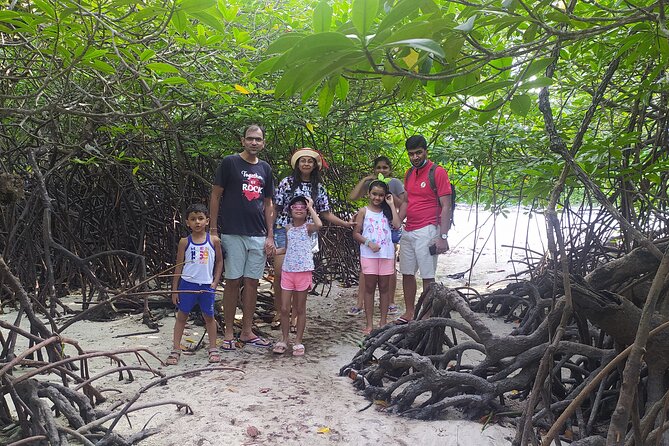
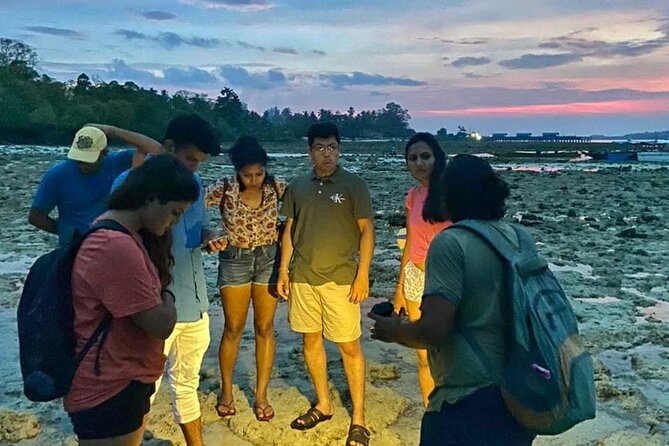
Low tide turns Havelock into a wildlife classroom. The Marine Trail takes you across exposed mangrove, seagrass, and coral reef habitats on foot, so you get nature up close without getting wet up to your shoulders. And when you time it for the full moon or new moon, the trail shifts into a night version with UV torches and biofluorescence.
Two things I really like: the group stays small, capped at 20 people, so the guide can slow down and explain what you are seeing. I also love the focus on the details of this ecosystem, from corals and anemones to pipefish, crabs, shrimps, brittle stars, and more. It is a tour that makes you look harder in the best way.
One possible consideration: this is a walking activity. You are moving through shallow water, and it is not recommended if you have difficulty walking or need very stable footing.
In This Review
- Key moments that make this tour worth it
- Why the Marine Trail on Havelock Island feels different
- How low tide shapes what you actually see
- What you might spot, from crabs to pipefish
- The night version under full moon or new moon
- Meeting point, timing, and what the 2 hours feel like
- Price and value: what $33.55 buys you
- Who should book this Marine Trail, and who should skip it
- Practical tips to make your walk easier
- What the best rating says, and why it matters
- Should you book the Marine Trail?
- FAQ
- How long is the Marine Trail on Havelock Island?
- Where does the Marine Trail start and end?
- What group size should I expect?
- Do I get a ticket for the tour?
- When does the tour work best for the night version?
- Is the activity completely dry?
- What kind of marine life might I see?
- Is this tour suitable if I have trouble walking?
- What happens if the weather is poor?
- Can I cancel for a full refund?
Key moments that make this tour worth it
- Low tide access reveals mangrove, seagrass, and coral reef habitats you would not see otherwise
- Ankle-deep, on-foot exploration keeps it family-friendly and doable for many people
- A guide who points out marine life helps you connect animals to the habitat they live in
- Night trail timing (full moon or new moon) brings out extra nocturnal critters
- UV torches for biofluorescence can make corals and sea anemones glow in neon colors
- Small group size (max 20) means more attention and better spotting chances
Shortlisting? Every Havelock Island trip below went through the same review.


Why the Marine Trail on Havelock Island feels different
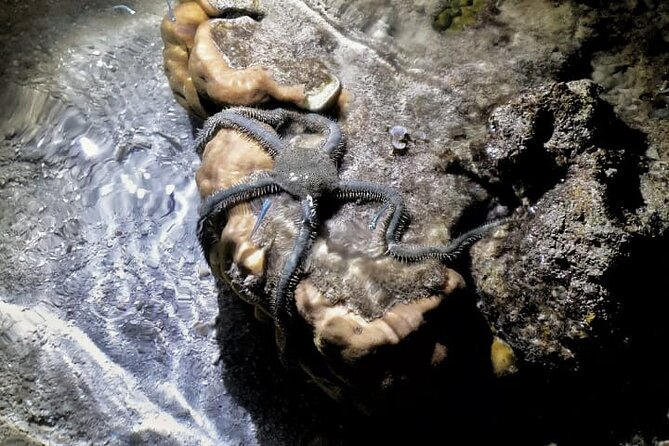
Most Andaman nature tours put you on a boat, or they keep you safely dry while you watch from the shore. This one flips the script. When the tide goes low, whole marine habitats get exposed along the coastline. That is when your “trail” becomes a living classroom, with a naturalist guiding your eyes to the tiny things you would miss at a normal beach walk.
The best part is the pacing. You are not racing between stops. You are standing, kneeling, and peering down as the guide explains how corals fit into tropical seas and how fish, crustaceans, and molluscs use mangroves and nearby waters. If you like learning by looking, this works.
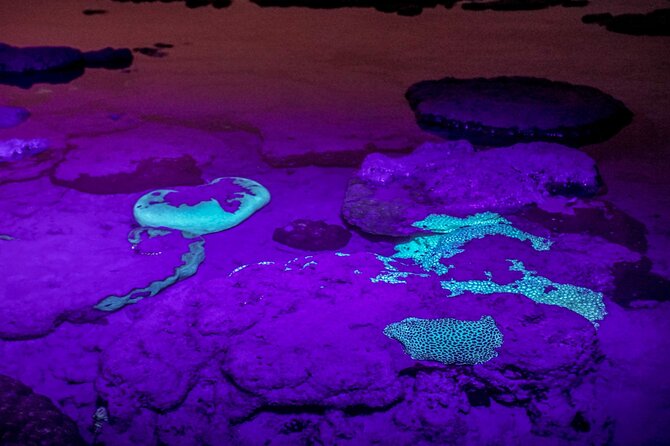
And then there is the night option. If conditions line up with full moon or new moon, the tour turns into something much more atmospheric. You bring the day’s knowledge with you, but the animals you see shift, and UV torches can reveal biofluorescence, where corals and sea anemones glow in neon tones.
How low tide shapes what you actually see
The Marine Trail depends on one big factor: tide. The walk starts when the tide goes low enough to expose mangrove, seagrass, and coral reef habitats. That exposure matters because it changes what is available to you in real time.
Instead of just looking at the shoreline, you can explore the lagoons formed along the beach on foot. This is also why the “trail” is not about distance. It is about access. You are in the zone where marine life is close to the surface and where micro-habitats show up, like small pools and sheltered edges that animals use.
This is also why the activity is described as dry. You will be walking through water that is typically max ankle-deep, not wading through deep surf. For many families, that makes it realistic. For anyone who wants to keep things simple, it is a nice compromise between seeing marine life and keeping the day comfortable.
What you might spot, from crabs to pipefish
The tour is designed around “habitat first” learning. The guide helps you connect animals to the mangroves and coastal waters they rely on. You are not just collecting a list of sea creatures. You are learning where they live and why that matters.
During the day, expect the spotlight to fall on a wide mix of marine life, including:
- sea urchins and sea cucumbers
- various crabs and shrimps
- sea sponges
- corals and brittle stars
- sea anemones
- pipefish, which are a close relative of sea horses
That is a lot for a 2-hour walk, but the key is how it is taught. When you understand that mangroves and coastal shallows act like living infrastructure, everything becomes easier to notice. You start to see patterns, like which areas feel more sheltered and where animals seem to cluster.
Also, I like that the tour is built around surprises. The description explicitly notes that even on repeated days, you can still find something new. That is a good sign for repeat value, and it is a reminder to keep your eyes open rather than trying to force the exact same sightings every time.
The night version under full moon or new moon
If you are planning around moon phases, this is the part to care about. The night trail is only mentioned for full moon or new moon, and it adds a rare, more exotic twist to the walk.
As it gets dark, the guide takes you to the animals that come out in the night. You may see squids, sea slugs, cone snails, mantis shrimps, and decorator crabs. The overall vibe is more strange, more otherworldly, and more focused. Instead of “what is here,” the theme becomes “what wakes up after dark.”
Then comes the special tool: UV torches. Biofluorescence is the headline effect. Corals and sea anemones can glow in neon colors under UV light, making the area look almost lit up like a nightclub light show. It is not just dramatic for photos. It also helps you spot structures that are harder to notice in regular daylight.
One practical note: because it is night, your comfort matters more. You will likely want to wear footwear you trust on shallow, uneven ground.
Meeting point, timing, and what the 2 hours feel like
The Marine Trail starts and ends back at the meeting point at Swaraj Dweep, Andaman and Nicobar Islands 744211. The activity runs for about 2 hours (approx.). In the local operation window, it is offered from 7:00 AM to 7:00 PM, with availability across the listed dates.
Realistically, a 2-hour nature walk goes by fast when you are spotting tiny life forms. Expect it to feel like a guided wander with stop-and-learn moments. You start with instructions, then you move into the exposed habitats created by low tide, and you spend most of your time scanning and listening to the naturalist point out what you are seeing.
Also, because it is tied to tide and moon timing (for the night version), flexibility helps. If you are the type who plans the entire day minute-by-minute, give yourself some breathing room around this activity.
Price and value: what $33.55 buys you
At $33.55 per person, this tour sits in the affordable end for a guided, wildlife-focused experience in the Andamans. But value is not only about the price. It is about what you get for the money.
Here you are paying for:
- a small group (max 20)
- a fully trained guide who walks you through a delicate marine ecosystem
- hands-on observation through exposed habitats at low tide
- a big wow factor when conditions allow the night version and biofluorescence
The tour also has a mobile ticket. That sounds minor, but it makes day-of logistics less stressful. And with an average booking window of about 25 days in advance, people clearly plan this into their trip. That is often a sign it is in demand, and it also suggests you should reserve once you know your dates.
If you want a cost-to-experience match, this is a strong one, especially if you are traveling with children or you want something different from the standard sightseeing loop.
Who should book this Marine Trail, and who should skip it
This is one of the better tours for families who are curious rather than just chasing big-ticket thrills. It is described as suitable for the whole family, and it is designed as an on-foot walk through max ankle-deep water. The animal list is also friendly for kids because you can point to specific creatures as you go.
It is especially good if:
- you like learning from a guide as you walk
- you enjoy wildlife spotting, even when the animals are small
- you want a unique Andaman activity that feels off the main track
- you can handle a bit of walking and balancing on uneven coastal ground
I would skip it if:
- walking is difficult for you
- you cannot comfortably move in shallow water
- you strongly prefer dry ground activities only
And even if you can walk fine, the tour depends on conditions. Good weather is required, and the operator notes that poor weather can change plans.
Practical tips to make your walk easier
The details are simple, but a few smart choices can make a big difference.
First, dress for shoreline walking. You will be in shallow water, and you are scanning the ground. Flat, grippy footwear is your friend. Go for something you can trust, not your most precious pair.
Second, be ready for a “look down” experience. The best spotting comes when you pause. If you are always rushing ahead, you will miss some of the smaller marine life the guide is there to help you find.
Third, if you are aiming for the night version, plan for darkness. You are doing a guided trail at night using UV torches. That means you will want to feel comfortable standing still and watching closely.
Finally, bring patience for sea ecosystems. Mangroves and seagrass areas are delicate. The whole point of the tour is to learn the ecosystem without wrecking it, so follow the guide’s pace and instructions.
What the best rating says, and why it matters
The tour has an overall 4.9 rating from 93 reviews, with 100% recommended. That is not just a number. It lines up with what the experience is built for: guided learning, strong explanations, and wildlife sightings in shallow coastal waters.
In particular, the highlights focus on the guide’s explanations and the feeling that it is not a generic beach walk. It is an event where you understand what you are seeing, and where the guide seems excited to share details.
If you are the type who gets frustrated when tours hand you vague information, this kind of feedback is a good sign. You want the opposite: clear pointing, good timing, and a guide who can help you spot things you would not otherwise notice.
Should you book the Marine Trail?
If you want a unique Andaman experience that is genuinely nature-focused, I think this is a strong yes. It gives you a rare chance to walk through habitats created by low tide and to learn about the animals that live right in that in-between world of mangroves and coastal seas.
Book it if:
- you are traveling with kids who love animals
- you want something off the usual sightseeing route
- you enjoy guided spotting and short, meaningful learning sessions
- you are flexible enough to work around tide and moon timing
Consider skipping or scheduling differently if:
- walking is hard for you
- you cannot handle uneven coastal ground
- you are traveling during a period where weather might be unreliable
One more reason I like it: you are not just there for the wow factor. You leave with a better map in your head, where corals, anemones, and smaller creatures connect to mangroves and seagrass areas. That makes the experience feel useful long after the 2 hours are over.
FAQ
How long is the Marine Trail on Havelock Island?
It lasts about 2 hours (approx.).
Where does the Marine Trail start and end?
The activity starts at Swaraj Dweep, Andaman and Nicobar Islands 744211, and it ends back at the same meeting point.
What group size should I expect?
The tour/activity has a maximum of 20 travelers.
Do I get a ticket for the tour?
Yes, you receive a mobile ticket.
When does the tour work best for the night version?
The night version is available if you visit during full moon or new moon.
Is the activity completely dry?
The tour is described as a dry activity, and you walk in max ankle-deep waters.
What kind of marine life might I see?
The description lists many examples, including sea urchins, sea cucumbers, crabs, shrimps, sea sponges, corals, brittle stars, sea anemones, and pipefish. For the night version, it also mentions squids, sea slugs, cone snails, mantis shrimps, and decorator crabs.
Is this tour suitable if I have trouble walking?
It is not recommended for travelers with difficulty to walk.
What happens if the weather is poor?
This experience requires good weather. If it is canceled due to poor weather, you will be offered a different date or a full refund.
Can I cancel for a full refund?
Free cancellation is available. You can cancel up to 24 hours in advance of the experience for a full refund.
Recently reviewed across Havelock Island
- Kayaking Mangrove Adventure at Havelock
★ 5.0 · 17 reviews - Hinterland Cycling Tour, Havelock
★ 4.5 · 17 reviews - Exploring the Skies with Newtonian Telescope
★ 5.0 · 31 reviews - Marine Trail
★ 5.0 · 93 reviews