
REVIEW · HIKING & TREKKING
Naag Tibba Trek
Two days, one real Himalayan climb. This Naag Tibba trek near Rishikesh uses Pantwari as its start point and keeps you on track with an expert trek leader, so the hike feels more guided than guesswork. You’re there for mountain views, but also for the calm, practical flow of a well-run trek.
What I like most is that you do not have to play gear shop. Meals are provided, and the camping equipment rental covers tents and the technical setup, so you can travel lighter and focus on the trail.
One consideration: the package does not include private transportation, and it also does not cover your stay and meals in Mussoorie during transit. So, budget a little extra beyond the trek price.
In This Review
- Key highlights that matter on this trek
- Naag Tibba Trek, the real value you get
- Pantwari to the base: Day 1’s gentle uphill and evening reset
- Nag Tibba on Day 2: the early summit plan and what you’ll actually do
- Camp life handled for you: tents, gear, and meals that keep the pace honest
- Who runs the show at Yeti Outdoors, and how safety feels on-trail
- Price and what you still need to pay for
- Weather, fitness, and the practical limits of a summit plan
- Should you book this Naag Tibba trek with Yeti Outdoors?
- FAQ
- Where does the Naag Tibba trek start?
- How long is the Naag Tibba trek?
- How much does this Naag Tibba trek cost?
- Is pickup included?
- What is included for meals?
- Are tents and camping gear included?
- Are permits included?
- Is this a private experience?
- When will I receive confirmation after booking?
- Is travel insurance included?
Key highlights that matter on this trek
- A guided summit push with safety built in: An expert trek leader accompanies you throughout, aiming to prevent the usual getting-lost stress.
- Camping gear and tents are included: You bring less, and you spend more time thinking about the view, not the packing.
- Meals cover the time you are camping: Breakfast and dinner are included, plus lunch on both trek days.
- Day 1 is a gradual approach: About a 3-hour walk gets you to the base, then you camp and decompress.
- You start early for Nag Tibba on Day 2: Summit time is planned early, with a return to camp by lunch.
- Pickup is offered, but plan transport costs too: Meeting point is Yeti Outdoors, yet private transportation is not listed as included.
Shortlisting? Every Rishikesh trip below went through the same review.


Naag Tibba Trek, the real value you get
Naag Tibba is a short-ish trek by Himalayan standards, but it does not feel like a rushed “photo walk.” Over two days, you get the feel of a real trek rhythm: walk in, camp, wake up early, summit, then ease back down. That matters because it’s the rhythm that makes the experience, not just the endpoint.
The best value here is how much the operator handles for you. This is not the type of activity where you show up and then hunt for tents, permits, and meal plans. Instead, you’re paying for the whole support system: permits, an expert trek leader, guides and helpers, and the kitchen team. Add in the rental of tents and technical equipment, and it becomes a budget-friendly way to do a Himalayan overnight without buying gear.
The experience is also set up as a private trekking experience, meaning only your group participates. That is a big deal for pacing, comfort, and how quickly you can ask questions on the trail.
Rating wise, it’s very strong, with an average of 4.9 and 100% recommendation across the provided feedback. That lines up with the most repeated themes: safety, organization from pickup to drop off, and food that keeps people happy on hard mornings.
Pantwari to the base: Day 1’s gentle uphill and evening reset
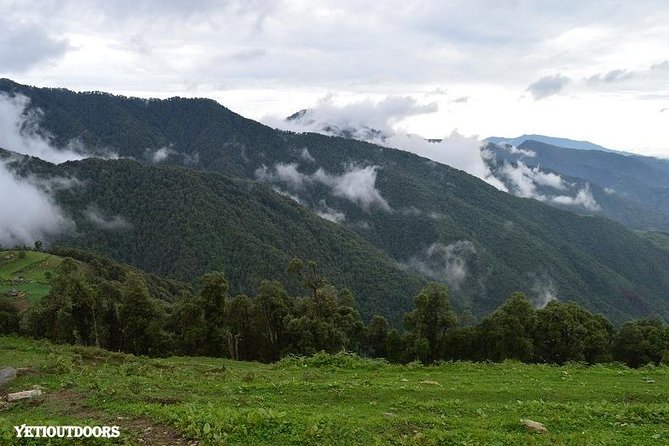
Day 1 starts in the Himalayan village of Pantwari. The trek begins with a gradual walk of around 3 hours to reach the base of Naag Tibba. For many people, that slow ramp is the smartest part of the schedule. It gives your legs time to warm up, lets you settle into breathing and footing, and gives you a chance to take in the forests without feeling like you are sprinting just to reach camp.
Once you reach the base, you camp there. The evening is free, and you get time to explore the forest around the camp area. This is one of those parts that sounds simple, but it tends to be the memory-maker. After a day of walking, “free time” on a trek is not about entertainment. It is about decompressing, noticing sounds, and enjoying the fact that you are not multitasking your way through sightseeing.
Practical angle: since tents and camping equipment are included, you do not spend your first evening wrestling with setups. You can focus on getting comfortable, eating dinner, and resting properly for an early start.
Nag Tibba on Day 2: the early summit plan and what you’ll actually do
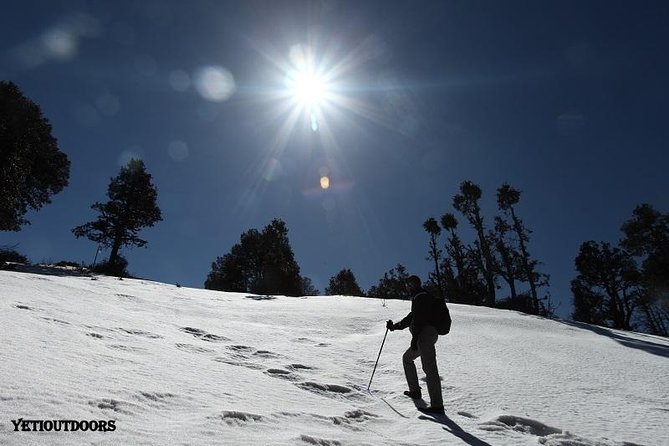
Day 2 starts early, because the whole point is reaching the top of Nag Tibba while conditions are best. You hike up in the morning, then after admiring the summit, you return to the camp by lunch. That schedule is important because it gives structure to your energy. You get the summit moment, then you are not stranded in a long, uncertain downhill stretch past your prime time.
After lunch, you move back toward Pantwari and then begin your journey for Mussoorie. The trip ends back at the meeting point, but the itinerary clearly includes this onward travel segment toward Mussoorie. This is why your budget should not stop at the trek price, because the materials list does not include your stay and food in Mussoorie during transit.
Timing check: the trek includes an item labeled around 6 hours with admission ticket included, which suggests the Day 2 hike itself is the heavier time block. Plan your day around that early start.
- Landour Infinity Walk – A Guided Walking Tour Of Landour★ 5.0 · 80 reviews
- Top Tibba Trek – Mussoorie★ 5.0 · 61 reviews
- Hathipaown Heritage Walk – A guided walk to Mini Everest★ 5.0 · 58 reviews
- Chopta Trek★ 5.0 · 52 reviews
- Benog Tibba Day Hike – Mussoorie★ 5.0 · 38 reviews
Camp life handled for you: tents, gear, and meals that keep the pace honest
If you’ve ever tried to do an overnight trek without proper kit, you already know how quickly comfort becomes a distraction. Here, camping equipment is included, including tents and the rest of the technical and common setup. That means you’re not relying on improvising at the campsite.
Meals are also part of the included package: breakfast and dinner are included, and lunch is provided on both days. For a two-day trek, that coverage is what keeps the whole plan realistic. You can hike without constantly calculating what you can carry, what you can buy, and where you can stop.
One small detail that adds up: in the feedback shared with the operator, people often bring up good food and even chai along the way. That lines up with what you need on a chilly morning trek, even if you are not chasing luxury. Warm drinks and dependable meals help you stay steady when the climb demands it.
The team structure is also worth noting. You get guides, cooks, helpers, and porters or mules. That means the operator is thinking beyond the “guide holding a map.” It is support that keeps the camp running and reduces your load.
Who runs the show at Yeti Outdoors, and how safety feels on-trail
The meeting point is Yeti Outdoors, and the activity ends back at the same meeting point. Opening hours are listed as Monday to Sunday, 8:00 AM to 4:00 PM, which helps if you are timing your pickup or arrival.
The trek leader is described as qualified in basic or advanced mountaineering courses. That matters because Naag Tibba is still a summit hike, and safety is not just about manners. It is about route choices, pacing decisions, and knowing when to slow down or adjust.
In the feedback you provided, certain names come up repeatedly around the trek leadership: Manish is mentioned often as the guide, with assistants like Ashish and Rishabh showing up in some groups. You should not assume every trek uses the same staffing, but if you book with Yeti Outdoors, it’s clear they tend to run with the same core people.
What you should look for on your side is simple: tell your guide your pace and comfort level early. Since this is a private trek for your group, you are less likely to get stuck in a mismatched pace line.
Also, keep in mind that this experience explicitly aims to avoid the hassle of getting lost. That promise is usually delivered by staying together, guided navigation, and route planning.
Price and what you still need to pay for
At $53.93 per person, this is positioned as a value trek, especially because the listed inclusions are substantial for a two-day experience. You get:
- Expert trek leader services
- Permits
- Tents, camping gear, and technical equipment rental
- Meals (breakfast, dinner, and lunch twice)
- Team support including guides, cooks, helpers, and porters or mules
- Lunch included in both main trek days
So where does the cost not cover everything? Two areas:
- Private transportation is not included.
- Your stay and food in Mussoorie and food during transit are not included.
This is the key budgeting truth. Even if the trek price looks low, your total trip cost depends on how you handle Mussoorie. If you are planning to spend more time after the trek, factor in those meals and any lodging costs on your end.
What about insurance? Any kind of insurance is listed as not included. That’s not a dealbreaker, but it is a clear sign to check your own travel insurance coverage before you go.
If you are trying to travel light and avoid buying trekking gear, this package tends to deliver real savings. If you already own everything, you may feel less of the “gear value,” but the meal and permit coverage still helps.
Weather, fitness, and the practical limits of a summit plan
This trek requires good weather. If it is canceled due to poor weather, you are offered a different date or a full refund. That’s exactly what you want to see with a summit plan, since mountains do not care about schedules.
On fitness, the listing says most travelers can participate. That is broad, so use it as a starting point, not a guarantee. Day 2 includes an early summit morning, which naturally demands that you can hike uphill for several hours and handle the mental grind of the climb and early start.
Because camping and food are included, the biggest fitness variable is simply your ability to keep a steady hiking pace. If you can walk uphill comfortably for a morning, you’re likely in the right range.
Should you book this Naag Tibba trek with Yeti Outdoors?
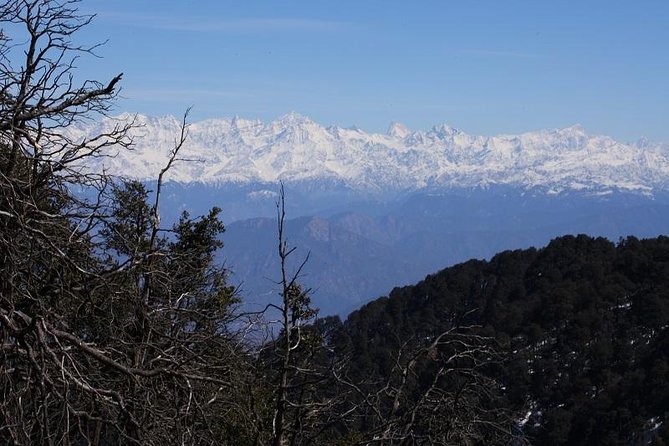
If you want a straightforward overnight trek with gear and meals handled, this is the kind of trip that makes sense. The combination of an expert trek leader, included tents and equipment rental, and structured Day 2 timing adds up to a lower-stress way to reach Naag Tibba.
I would book it if:
- You want a guided experience where route confidence matters
- You prefer not to carry camping gear
- You’re comfortable budgeting separately for Mussoorie meals and any transport needs
I would think twice if:
- You want everything fully locked in for Mussoorie, including lodging and food
- You rely on comprehensive travel insurance to cover trek-related situations and you have not arranged it yourself
If you line up transport plans and you show up ready for an early summit push, Naag Tibba in two days is a solid way to get real mountain trekking without turning your holiday into a logistics project.
FAQ
Where does the Naag Tibba trek start?
The tour starts from Yeti Outdoors.
How long is the Naag Tibba trek?
The duration is listed as 2 days (approx.).
How much does this Naag Tibba trek cost?
The price is $53.93 per person.
Is pickup included?
Pickup is offered, and the meeting point is Yeti Outdoors. Private transportation is listed as not included.
What is included for meals?
Breakfast and dinner are included, and lunch is included for both trek days (2 lunches).
Are tents and camping gear included?
Yes. The use of all camping equipment is included, including tents and technical and common equipment.
Are permits included?
Yes, permits are included.
Is this a private experience?
Yes. It is a private tour/activity, and only your group will participate.
When will I receive confirmation after booking?
You will receive confirmation at the time of booking, unless you book within 12 hours of travel. In that case, confirmation is received as soon as possible, subject to availability.
Is travel insurance included?
No. Any kind of insurance is not included.
Recently reviewed across Rishikesh
- School Boy Walk
★ 5.0 · 10 reviews - Trek’s around Mussoorie
★ 5.0 · 11 reviews - Rishikesh: Ganges River Rafting Adventure
★ 5.0 · 11 reviews - Kunjapuri Temple Sunrise Trek With Professional Guide
★ 5.0 · 13 reviews - Private Guided Trek to Kunjapuri Temple & Waterfall at Sunrise
★ 5.0 · 14 reviews - Rishikesh: Full-Day Sightseeing Tour with Ganga Aarti
★ 4.7 · 15 reviews
Hiking & Trekking, compared.
 ★ 5.0Mountain Hiking in Munnar (half day) By Munnar InfoFrom $15390 reviews
 ★ 5.0Half day trekking (munnar valley Trekking & Tours )From $8310 reviews
 ★ 5.0Nag Tibba 2 Days Trek (Pantwari to Pantwari)From $24274 reviews
 ★ 5.0Full day in hiking in Munnar (By Munnar Info)From $28176 reviews
 ★ 5.0Wild Elephant Anakulam & Waterfalls Tour(munnar valley Trekking)From $7098 reviews
 ★ 5.0Half Day Hiking in Munnar Trekking TourFrom $1589 reviews
 ★ 5.0Singalila Trek from DarjeelingFrom $47679 reviews
 ★ 5.0Hiking Day Tour to Triund from DharamshalaFrom $3175 reviews
Browse the lists this tour appears in