
REVIEW · DARJEELING AND THE EASTERN HIMALAYAS
Singalila Trek from Darjeeling
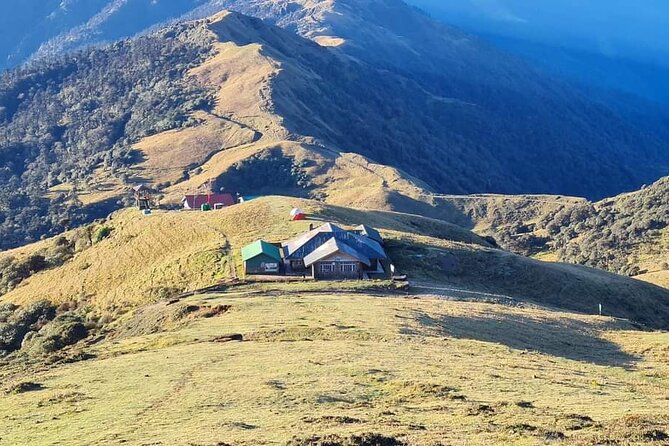
Big Himalaya views start with a ridge walk. The Singalila Ridge trek from Darjeeling is a rare route where the right conditions can line up four of the five highest mountain peaks in your sightline, and you’ll hike across the India Nepal border area in the Singalila region. I also like that it starts in the Sherpa village of Manebhanjang, so the trek feels grounded in local life, not just a checklist of summits.
Second, I love the way this trip handles the practical stuff. You get a down sleeping bag with a freshly laundered fleece inner liner, plus all meals and plenty of tea and coffee, and you sleep in a family-run homestay or guesthouse with a private room. I’m also a fan of the guide setup, including government-registered trained trek guides from the area.
One thing to consider: this is weather-dependent. If clouds roll in, your peak views can turn from jaw-dropping to mildly hazy, and that changes the feel of the hike.
In This Review
- Key things that make this trek special
- The Singalila Ridge view game: Everest, Kanchenjunga, Lhotse, Makalu
- Manebhanjang to Sandakphu: what the 6-day rhythm feels like
- Stop 1: Singalila National Park and the plant-and-wildlife rewards
- Stop 2: Sandakphu for the big-peak payoff (and cold air reality)
- Guides and local support that actually affect your day
- Meals, sleeping setup, and why the private room matters
- Transport, start time, and the “private tour” advantage
- Price and logistics: what $476 buys you, and what you should budget
- Weather and altitude: how to keep the trek enjoyable
- Who should book this trek, and who should think twice
- Should you book the Singalila Trek from Darjeeling?
- FAQ
- What time does the trek start?
- How long is the Singalila trek from Darjeeling?
- What is included in the price?
- What is not included?
- Do I need a porter?
- Is this trek only for my group?
- How fit do I need to be?
- What if the weather is bad or I cancel?
Key things that make this trek special
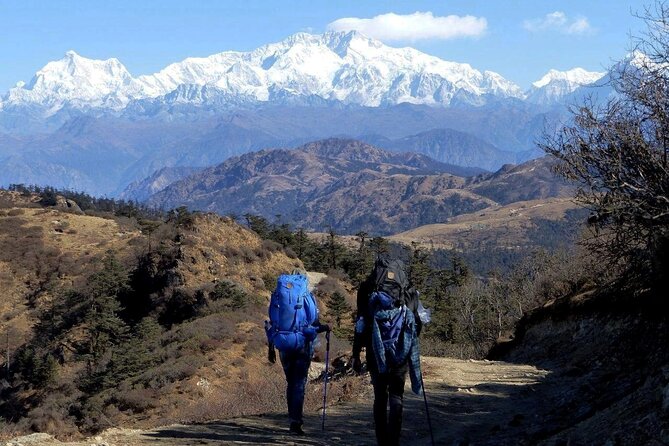
- Four huge peaks in one ridge-view daydream: Everest, Kanchenjunga, Lhotse, and Makalu, when conditions cooperate
- India and Nepal hiking in the same breath: you’ll cross the border while moving through the Singalila area
- Start in Manebhanjang: a Sherpa village with the trek’s character built in from day one
- Flora and fauna focus: rhododendron and orchids, with a chance at seeing a red panda
- Comfort and support included: down sleeping bag, medical kit for altitude concerns, all meals, and private-room lodging
More Darjeeling ridges and rides
The Singalila Ridge view game: Everest, Kanchenjunga, Lhotse, Makalu
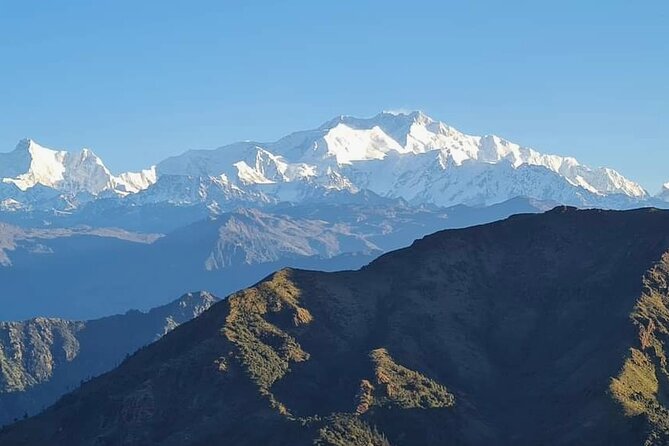
If you care about mountain scenery, this trek is built around a simple idea: get onto the ridge line, then keep walking long enough for the Himalaya to show up in a big way. The route is known for panoramic Eastern Himalaya views, and the highlight is the possibility of seeing four of the world’s highest peaks from the broader Singalila ridge angles.
The mountains named here matter because they are not small, background poster peaks. You’re talking about Mt. Everest, Mt. Kanchenjunga, Mt. Lhotse, and Mt. Makalu. Even if you never get a perfectly framed photo, that combination is what makes this trek feel like a once-per-lifetime corridor instead of a typical walk in the hills.
And the scenery is not only about “big names.” The path also threads through a forested borderland where you can shift your focus from peaks to birds, plants, and villages. That balance is one reason the trek works for families and mixed groups, as long as everyone is comfortable with uphill days and cool nights.
Manebhanjang to Sandakphu: what the 6-day rhythm feels like
This is an about-6-days trek that begins in Manebhanjang, a Sherpa village that sets the tone early. From there, you hike across mountain ridges and through villages, gradually working deeper into the Singalila region and the border landscape.
A key part of the experience is the “weave” between India and Nepal. You’re not just walking near the border on a map. You’ll actually crisscross and spend time in Singalila National Park, which keeps the scenery more natural and less built up than many easier trekking areas.
Then the trek heads toward the big viewpoint area of Sandakphu. Sandakphu is where the trekking payoff is most obvious, because it’s the place most people associate with the wide Himalayan view moment. If you’re hoping for clear-sky mountain lines, you’ll want to treat the days and evenings as a single system: warm layers for movement, real rest for recovery, and patience for weather to play fair.
One more practical note: this is described as a simple trek. That doesn’t mean easy. “Simple” here mainly means straightforward route logic, not technical scrambling. If you have moderate physical fitness, you’ll be in the right neighborhood.
Stop 1: Singalila National Park and the plant-and-wildlife rewards
When a trek includes Singalila National Park, it usually means you can expect more than just hiking views. This is the part of the route that leans into nature, including forests and chances to spot unique plants.
If you like spotting color and texture instead of just peaks, this is the section to pay attention. The route is known for rhododendron and orchids, and the seasons can shift what you notice most. In spring, you might find the trail extra interesting for flowers and birds. In autumn, the mountains tend to grab more attention, when skies cooperate.
Now the wildlife angle: there’s a mention of a possible red panda sighting. You should not plan your day around that, but it’s exactly the kind of wildlife possibility that makes a national-park trek more fun than a checklist hike.
Also, keep your expectations realistic about wildlife. You’ll get the best results by slowing down for the guide, watching quietly, and being comfortable with stops that are not always about your camera. That’s how the park experience becomes personal instead of rushed.
- Tea Pluckers’ Day★ 5.0 · 19 reviews
- 5-Day Private Tour of Gangtok and Darjeeling★ 5.0 · 14 reviews
- The Land Mark Tour (Nautical Day Darjeeling To Mirik crusade)★ 5.0 · 13 reviews
- Trip to Tiger Hill Darjeeling★ 4.5 · 10 reviews
Stop 2: Sandakphu for the big-peak payoff (and cold air reality)
Sandakphu is where this trek earns its reputation. With good visibility, you get those high-altitude panorama moments and a chance to line up peaks that many trekkers only dream about.
But let’s talk reality, because weather drives everything here. The experience notes that it requires good weather, and the guides also adjust for conditions. That means you might spend time hoping for clearer views, then shifting your pace and timing when clouds do something else.
Altitude is another factor, even if the trek is described as simple. The trip includes basic medical support and altitude sickness pills. That’s a strong sign the operator thinks about safety, but it still means you should take it seriously. Drink water, move steadily, and tell your guide early if you feel off.
When views do open, the payoff is not only the photos. It’s the feeling of standing in a cold-air ridge world where the peaks look close enough to measure. Sandakphu is the moment that turns a multi-day walk into a mountain memory.
Guides and local support that actually affect your day
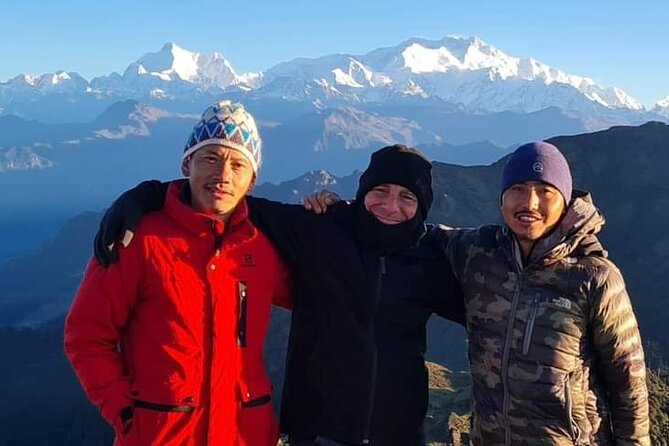
This trekking company pairs the route with professional local guides. The included guides are government-registered and trained trek guides from the area of the trek, with a stated focus on giving back to the community directly.
That matters for two reasons. First, local guides help you read the trail, the weather shifts, and the pace that keeps people feeling good. Second, it helps make the trek feel less like a fly-in product and more like a local operation you’re joining for a few days.
In the experience details and stories shared, you’ll see names like Tenzi, Jigme, and Nhikil connected to the guiding side. You also get a consistent thread of smooth communication from the organizer, Catherine, in how the trek is arranged and adapted.
One recurring theme from the feedback is that guides can adjust to real group needs. That could mean pacing down if someone needs it, or shifting how you experience the trail when weather and energy levels differ. In a trek like this, that flexibility is not a luxury, it’s part of the value.
Meals, sleeping setup, and why the private room matters
Let’s be honest. On a ridge trek, comfort is not about luxury. It’s about recovery. This trip includes a lot that prevents the “roughing it” spiral.
You get a down feather sleeping bag and a freshly laundered fleece inner liner. That’s a big deal in cold mountain nights because it reduces the friction between feeling cold and actually sleeping. Your lodging is also described as the best available family-run homestay or guesthouse with a private room, which can be a quiet blessing when you’re tired.
Food is handled too. All meals are included, including breakfast, lunch, and dinner, and you’ll also get “copious amounts” of tea and coffee. If you’re someone who needs a warm drink to reset, this is the kind of detail that makes a difference on a long day.
There’s no mention of dietary customization in the provided info, so if you have strong dietary requirements, it’s smart to ask ahead. The good news is the meals are included, so you’re not constantly calculating costs mid-trek.
Transport, start time, and the “private tour” advantage
Logistically, this trek is set up to reduce stress. There’s pickup offered, and the trek uses a well maintained company car for transport pre and post trek. The meeting point is near public transportation, with a start time of 8:00 am.
This is also listed as a private tour or activity, meaning only your group participates. That can help with pacing and comfort because you’re not competing with a large mixed crowd for attention at stops.
You also get a mobile ticket and confirmation at booking. None of that is glamorous, but it matters. Less friction on day one means you start the hike focused on the trail, not the schedule.
Price and logistics: what $476 buys you, and what you should budget
At $476 per person for about six days, you’re paying for a package that includes the big operational items: meals, accommodation, guides, key gear, and transport. In plain terms, it’s not just paying for walking. You’re paying for a functioning trek system.
Here’s what’s included that tends to be expensive or annoying to sort out on your own:
- Down sleeping bag plus a clean fleece inner liner
- Basic medical kit with altitude sickness pills
- All meals, plus tea and coffee
- Government-registered trained local guides
- Pre and post trek transport in a company car
- Private-room homestay or guesthouse lodging
What’s not included is also important so you can avoid surprises:
- Alcoholic beverages are not included
- Trek insurance is not included
- Porters cost extra, listed as ₹1400 INR per day during trekking days
If you’re deciding whether to use a porter, be practical. This trek involves ridge walking and daily effort, and you might do fine without one if you pack light. But if you know you carry heavier gear, want a calmer experience, or you’re hiking with someone who needs help, budgeting for a porter can make the whole trip feel easier.
Weather and altitude: how to keep the trek enjoyable
This trek is explicitly described as requiring good weather. That means you should prepare for swings in visibility and temperature, even when forecasts look promising.
Here’s how I’d handle it in real life, using the info you have:
- Pack layers. Cold at altitude is not a one-time problem.
- Use the guides. If they say to slow down, listen.
- Treat altitude symptoms as a stop signal, not something to tough out. The medical kit includes altitude sickness pills, so ask how the guide wants you to use them if needed.
- Plan for a slower, steadier rhythm in the morning and a more relaxed focus later in the day if clouds reduce views.
Clear skies can turn Sandakphu into that big-peak moment people chase. Cloudy days can still be rewarding if you shift your focus to forest, ridges, villages, and wildlife chances. The best trek days are the ones where you adapt without resenting the sky.
Who should book this trek, and who should think twice
This trek fits best if you want a mix of big mountain viewpoints and nature walking, without a technical climbing requirement. It’s also a good choice if you like the idea of a guided experience led by local professionals, with a private-group feel.
It can be especially good for families. The feedback includes a family of five who had an excellent experience, and one of the themes is guides adjusting to physical needs and availability. If your group has mixed fitness levels, that adaptation helps.
Think twice if:
- You only want guaranteed mountain views, regardless of weather, because this route needs good conditions.
- You expect the trip to include trek insurance or alcohol, because those are not included.
- You need a porter to feel comfortable and don’t want to pay the additional porter rate listed.
Finally, consider timing. The guidance from the stories includes that spring can be best for flowers and birds, while autumn can emphasize mountain views. If your priorities are specific, that can shape your travel choice.
Should you book the Singalila Trek from Darjeeling?
Yes, if your goal is a ridge trek with serious Himalayan payoff and you like nature details like rhododendron and orchids, plus the chance of seeing red panda wildlife. This one also feels like good value because it includes the gear basics, most meals, private-room lodging, and a real local guiding team.
I’d book it with a clear mindset: you are coming for mountains, but you’re also coming for the trail. Go in ready for cold, steady hiking, and the possibility that weather will decide how sharp the peak views are.
If you want guaranteed weather-proof views, you should consider a different type of trip. But for anyone who enjoys adapting and trusting good guides, the Singalila Ridge trek is the kind of experience you’ll remember long after the photos fade.
FAQ
What time does the trek start?
The start time is 8:00 am. Pickup is offered, and the meeting point is near public transportation.
How long is the Singalila trek from Darjeeling?
It runs for about 6 days.
What is included in the price?
Included are down feather sleeping bag with a freshly laundered fleece inner liner, a basic medical kit with altitude sickness pills, all meals (breakfast, lunch, dinner) plus tea and coffee, government-registered trained trek guides, and transport in a well maintained company car before and after the trek. Lodging is in a family-run homestay or guesthouse with a private room.
What is not included?
Not included are alcoholic beverages, trek insurance, and porters (porters are charged extra at ₹1400 INR per day during the trekking days if you choose to hire one).
Do I need a porter?
Porters are not included, and if you want one it’s charged extra at ₹1400 INR per day during the trekking days.
Is this trek only for my group?
Yes. It is a private tour/activity, so only your group will participate.
How fit do I need to be?
The trek is listed for travelers with moderate physical fitness.
What if the weather is bad or I cancel?
It requires good weather. If the experience is canceled due to poor weather, you’ll be offered a different date or a full refund. You can cancel for a full refund up to 24 hours in advance of the experience start time.
Darjeeling and the Ridge Beyond
Recently reviewed across Darjeeling
- Trip to Tiger Hill Darjeeling
★ 4.5 · 10 reviews - The Land Mark Tour (Nautical Day Darjeeling To Mirik crusade)
★ 5.0 · 13 reviews - 5-Day Private Tour of Gangtok and Darjeeling
★ 5.0 · 14 reviews - Tea Pluckers’ Day
★ 5.0 · 19 reviews - Private Calcutta Tour With Guide and Authentic Bengali lunch
★ 5.0 · 26 reviews - Day_Trippers (Darjeeling Full Day Tour).
★ 5.0 · 54 reviews
Darjeeling and the Eastern Himalayas, compared.
 ★ 4.54Nights 5Days Sikkim PackageFrom $727114 reviews
 ★ 5.0Darjeeling Tonglu Day TrekFrom $12062 reviews
 ★ 5.0Colonial Heritage Walking Tour in DarjeelingFrom $2755 reviews
 ★ 5.0Day_Trippers (Darjeeling Full Day Tour).From $9654 reviews
 ★ 5.05-Day Private Tour of Gangtok and DarjeelingFrom $1,20614 reviews
 ★ 5.0The Land Mark Tour (Nautical Day Darjeeling To Mirik crusade)From $9713 reviews
 ★ 4.5Trip to Tiger Hill DarjeelingFrom $3310 reviews
Browse the lists this tour appears in