
REVIEW · SHOPPING TOURS
Private Custom Shopping Tour: Delhi’s Bustling Markets
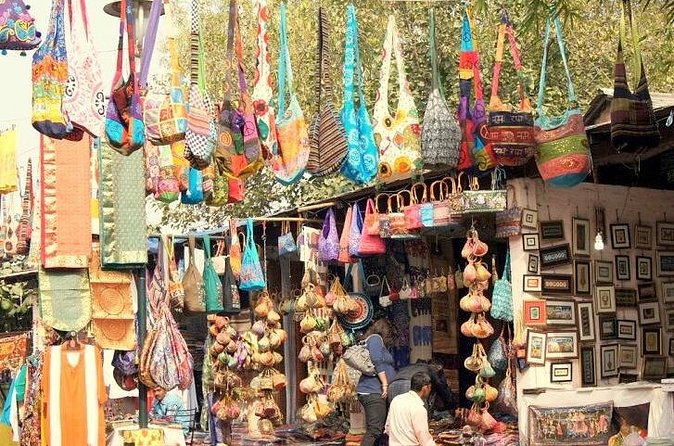
Shopping in Delhi feels like a sport. This private custom shopping tour lets you pick 3 or 4 markets, then shop at your pace with a guide who helps you spot good finds fast. Expect an air-conditioned ride between areas and time to wander like a local, not a checklist.
I especially like the flexible pacing, with time to shop independently at each stop before you regroup with your guide. I also like the easy logistics, hotel pickup and drop-off in Delhi or nearby Gurgaon plus bottled water means you spend the day actually shopping.
One thing to watch: you need to be clear about what you want to buy, and what kind of shopping experience you do not want. One guest mentioned they did not want arranged stops meant for advantage, so go in with firm expectations and ask your guide to work within them.
In This Review
- Key things to know before you go
- How a custom shopping day really works in New Delhi
- Picking your markets: Chandni Chowk, Dilli Haat, Khan Market, and more
- Old Delhi lanes at Chandni Chowk: what you get, and what to watch
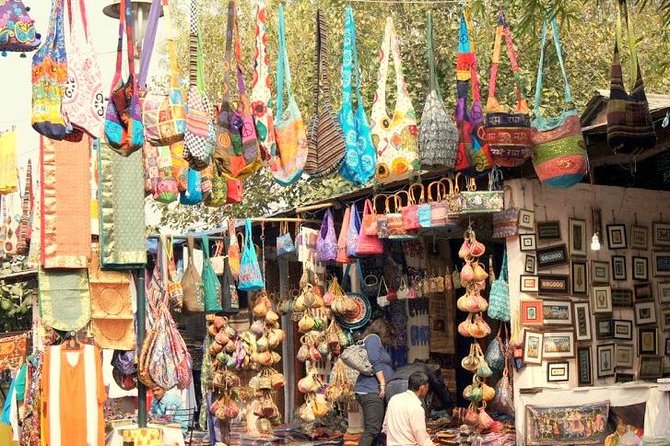
- Dilli Haat for handcrafts and textiles, plus a calmer shopping rhythm
- Khan Market and Hauz Khas Village: boutique shopping with a different tempo
- Sarojini Nagar, Janpath, and Lajpat Nagar for clothing bargains and street energy
- Connaught Place and the mall option when you need a break
- Santushti Shopping Complex and other tucked-away areas
- Guide quality is the real value, especially in dense markets
- Practical tips to get better deals (without getting stressed)
- Food breaks: what you can expect, and what to budget
- Who this tour is best for, and who should reconsider it
- Should you book this private custom shopping tour?
- FAQ
- How long is the Delhi private custom shopping tour?
- How many markets can I choose in my custom route?
- Is hotel pickup and drop-off included?
- How big is the group for a private tour?
- Is there a lot of walking?
- Are meals included?
- Are all markets open on the same days?
- What is the cancellation policy?
Key things to know before you go
- Choose 3 or 4 markets so you can match the day to your shopping style, from Old Delhi lanes to mall breaks.
- Private, up to 6 people, so your guide can adjust the route and time on the fly.
- Pickup in Delhi and select Gurgaon, plus air-conditioned transport, helps you avoid wasting time in traffic.
- Dilli Haat includes admission, handy if you want a crafts-and-textiles focus.
- Moderate walking, so comfortable shoes matter, especially in tight market lanes.
Shortlisting? Every New Delhi trip below went through the same review.


How a custom shopping day really works in New Delhi

This is built for real shopping time, not just photo stops. After pickup in Delhi (or nearby Gurgaon), you ride by air-conditioned vehicle to your selected markets, then spend about 30 minutes at each before rejoining your guide and heading to the next area.
The “custom” part matters because Delhi’s shopping is not one thing. Old Delhi can feel like sensory overload in the best way, while New Delhi gives you bookstores, design shops, and malls when you need a breather. You set the mix by choosing your markets, and the guide adjusts the route order and timing to fit how long you want to look.
Because the tour is private for six or fewer, you get less standing around. I like that your guide can also help you compare quality across stalls and shops, which is hard to do alone when you are juggling price tags, language, and crowds.
And yes, you will walk. Plan on moderate walking, then wear shoes you can move in. The markets are the point, but the comfort is on you.
Picking your markets: Chandni Chowk, Dilli Haat, Khan Market, and more
You can choose three or four markets, and the best choice depends on what you want to bring home. If your goal is maximum variety, pair an Old Delhi-heavy stop with a government-authorized crafts market, then add either a boutique area or a bargain-heavy clothing market.
Here are strong options to consider:
- Chandni Chowk area: classic Old Delhi shopping, often packed with jewelry, electronics, fabrics, and street snacks.
- Dilli Haat: government-managed shopping for handcrafts, textiles, and regional Indian arts and cuisines.
- Khan Market: older, more upscale-feeling lanes with bookstores, boutiques, and restaurants.
- Hauz Khas Village: an arty area with clothing outlets, designer art stores, and a café-and-galleries vibe.
- Sarojini Nagar: clothing bargains and factory-outlet energy, especially lively on weekends.
- Janpath Market: street shopping with lots of cotton clothes and curious items.
- Connaught Place: a large, circular market hub with lots of retail action.
- Lajpat Nagar Central Market: accessories, clothes, footwear, bags, and more.
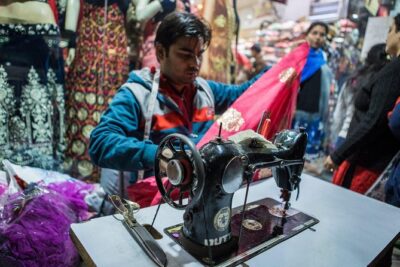
You also have options outside that list in the tour description, like Paharganj for budget clothes, trinkets, and tailors. If you are hoping for street-style tailoring, ask your guide how they can fit it in based on your chosen day.
Tip for choosing: if you want clothes, build your day around Sarojini Nagar and/or Janpath. If you want gifts with a “real crafts” story, prioritize Dilli Haat and add a boutique-style stop like Hauz Khas.
Old Delhi lanes at Chandni Chowk: what you get, and what to watch

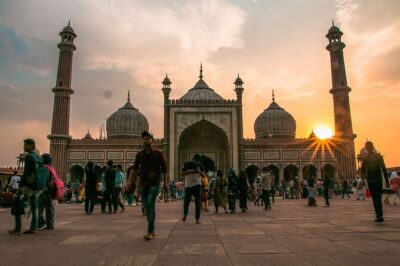
Chandni Chowk is the place you go when you want Delhi to feel like Delhi. You will walk narrow lanes that stay loud and busy, with lots of shops and constant movement. This is where you can find everything from fabrics to electronics, and where you can also spot wholesale-style stalls.
What makes this stop worth it with a guide is not just buying. It is navigation. The lanes can be a maze, and a local guide helps you get oriented quickly, pick the right streets for what you want, and avoid wasting your time backtracking.
A possible drawback is crowd pressure. If you are not comfortable shopping shoulder-to-shoulder, you may feel rushed even with a flexible schedule. The solution is simple: tell your guide you want slower pacing, and set boundaries early so you do not end up in the busiest lanes for too long.
I also recommend using Chandni Chowk for one specific category rather than trying to cover everything. For example, decide you are shopping for jewelry and fabrics only, then let the rest be window shopping. You will enjoy the chaos more when your goals are clear.
- Old & New Delhi City Tour – Half or Full Day Options Available★ 5.0 · 4,811 reviews
- Taj Mahal Tour from Delhi by Express Train (Viator Award Winner)★ 5.0 · 2,849 reviews
- Same Day Taj Mahal, Fort & Baby Taj Tour from Delhi by Car★ 4.9 · 2,534 reviews
- From Delhi: Taj Mahal and Agra Fort Private Sunrise Tour★ 4.9 · 2,270 reviews
- Sunrise Taj Mahal, Agra Fort & Baby Taj Tour from Delhi by Car★ 5.0 · 2,243 reviews
Dilli Haat for handcrafts and textiles, plus a calmer shopping rhythm
Dilli Haat is the best counterbalance to Old Delhi. It is a government-managed market focused on traditional arts, crafts, textiles, and regional items. The vibe is more structured than the lane chaos, which can make it easier to compare quality without constantly feeling “pulled” in different directions.
One practical plus: admission is included, so you do not have to plan around entry fees for this stop. Expect clothing and textiles with a strong crafts identity, plus handmade gifts that feel more intentional than mass-produced souvenirs.
This is also a good market choice if you want to shop while keeping your day from spinning out. Pair Dilli Haat with one Old Delhi stop and one clothing bargain stop. That gives you variety without turning the entire day into a single overload zone.
If you are sensitive to negotiating, Dilli Haat can still involve discussion, but the overall feel is easier for first-time shoppers. Just remember that you should still ask questions and check materials, especially for textiles and handmade items.
Khan Market and Hauz Khas Village: boutique shopping with a different tempo
Not every shopping day has to be chaos. Khan Market offers a more mixed experience, with older shopping spaces plus restaurants and a mix of boutiques and book-focused stores. The area is a good fit if you want “nice shopping” and not only bargain hunting.
Then there is Hauz Khas Village, which feels more like a hangout district than a pure market. You can find clothing outlets and designer art stores, plus cafés and galleries. Some music and performance energy may show up depending on the day, but the main draw is the slower, more design-forward pace.
Why I like these stops for your custom tour: they give your day contrast. After Old Delhi, you can regroup mentally in Khan Market or Hauz Khas and enjoy shopping without feeling like you are constantly dodging foot traffic.
The drawback is that prices may trend higher than the bargain-heavy markets. If you go in expecting Old Delhi-style negotiation for everything, you might feel sticker shock. Instead, treat these areas as places to buy a few standout items, like a book, a higher-quality garment, or a curated gift.
Sarojini Nagar, Janpath, and Lajpat Nagar for clothing bargains and street energy
If your top priority is clothes at better prices, Delhi gives you options. Sarojini Nagar is famous for clothing bargains, from cheap tees to more brand-adjacent stores. It can be especially crowded on weekends, so be ready for a busy, fast-moving environment.
Janpath Market is also strong for street shopping. You will mostly find small kiosks with cotton clothes and curios, and the clothing often comes from export-surplus style stock. That makes it a great place to hunt for lightweight outfits and gifts without paying luxury pricing.
Lajpat Nagar Central Market adds even more variety. It is known for accessories, clothes, footwear, and bags, which makes it a useful stop if you want more than one category.
Two practical tips to get good value:
- Shop for clothes in your priorities order. Choose your top one or two item types first, then fill in extras.
- Set a budget range per item before you start browsing. Bargains can be addictive in markets like these, and a number helps you avoid overspending.
Also watch timing. Sarojini Nagar is closed on Mondays, so if your trip includes Monday, swap it for another market option like Khan Market or a mall stop.
Connaught Place and the mall option when you need a break
Delhi shopping is not only street stalls. Connaught Place is a major market hub, with that large circular layout that makes it easier to get your bearings once you arrive. It is a solid option if you want a central retail stop that feels more navigable.
For air-conditioned relief, consider the mall-style areas. Select Citywalk is one example, part of a broader mall set, with department stores, lifestyle goods, and food options. Malls are open every day, which is helpful if you are traveling when some markets are closed.
This is also where you can reset if the morning got intense. I like using a mall stop as a “breathing checkpoint” so you still get shopping, but you can cool down, eat, and regroup before the final market.
One thing to remember: malls can be less flexible for bargain hunting. If your goal is deals, malls may not deliver the same value as Sarojini Nagar or Janpath. Use them strategically as a comfort stop and a way to buy mainstream brands or home items.
Santushti Shopping Complex and other tucked-away areas
Not every market is meant for maximum crowds. Santushti Shopping Complex is described as a serene, bohemian boutique space set within lush gardens, with terracotta-roofed stores. It is a good choice if you want something slightly more curated and less street-chaos.
Why it works in a custom tour: you can balance your day with one quieter, design-minded stop. That way, you get the thrill of Old Delhi without needing the whole afternoon to be loud.
The trade-off is that this type of shopping tends to cater to specific tastes. If you only want the cheapest prices, you may feel like you are paying for atmosphere. If you want a few gifts that feel personal and not random, it can be worth it.
If you include a stop like Santushti, keep the other markets focused. One or two bargain stops plus one crafts or boutique stop is usually the sweet spot.
Guide quality is the real value, especially in dense markets
The guide is what turns a list of markets into a smart shopping route. In the feedback for this experience, certain names show up with strong praise, including Rajmalani, known as Raj, and Vandy. People highlight that the guide can be fun, informative, and flexible with pacing and route choices.
This is where private shopping tours justify their price. A good guide helps you:
- move efficiently through narrow lanes and crowded areas
- interpret what is worth your money versus what is likely low quality
- find shops that match your style, not just what is easiest for a stop
A quick caution, based on the one critical note: some shops can feel arranged for sales. Your best defense is to be direct. Tell the guide what you want, what you want to avoid, and how long you want at each market before you go.
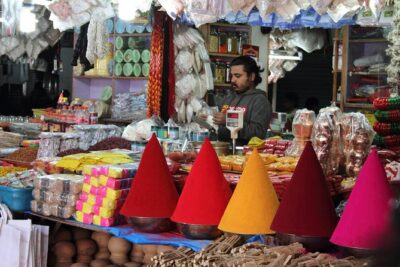
Also, ask for snack suggestions. Many guests mention street food like momos as part of the experience. You might pay for meals on your own, but your guide can point you toward food that fits the market energy.
Practical tips to get better deals (without getting stressed)
Delhi markets reward preparation. I recommend you do three things before your shopping day starts.
First, decide what categories you want. Pick one of these as your anchor:
- clothing (Sarojini Nagar, Janpath, Lajpat Nagar)
- crafts and gifts (Dilli Haat)
- upscale boutiques and books (Khan Market, Hauz Khas)
- mixed browsing and souvenirs (Connaught Place, Janpath, Chandni Chowk)
Second, set your walking comfort. Moderate walking is part of the day, and Old Delhi lanes can be uneven and crowded. Wear comfortable shoes and keep your hands free, so you can handle bags and payments without fuss.
Third, ask questions about quality and materials. A guide can translate and help you check details, but you still need to know what you are buying. Especially for textiles, take a second and look at stitching, fabric feel, and labeling when available.
Finally, use your private time wisely. Each stop is around 30 minutes, so it is easy to get distracted. Your guide can help you stay on track, but you should also keep your own goal in mind. Shopping goes better when you are not wandering aimlessly for an hour.
Food breaks: what you can expect, and what to budget
Food is part of the market atmosphere. The tour description also mentions an opportunity to sample food at the markets, which is great when you want to taste Delhi street life without losing shopping time.
But meals are not automatically included. The tour data says food and drinks are not included unless specified, so you should plan to pay for lunch or snacks yourself.
In past experiences connected to this tour, people have enjoyed meals and street snacks while shopping, with lunch described as happening at a real Indian food spot and paid separately. That fits the overall structure: you get access to food options, but you control the budget.
My advice: decide early if you want a sit-down lunch or quick bites. If you are shopping hard, quick snacks between markets can keep your day moving. If you want a longer break, pick a calmer stop like Dilli Haat or Khan Market before lunch so you are not eating in the most chaotic streets.
Who this tour is best for, and who should reconsider it
This private custom shopping tour is a strong match for you if you want:
- a mix of Old Delhi and New Delhi shopping styles
- a guide to handle navigation and market know-how
- time to shop at your own pace without feeling abandoned
It also makes sense for groups up to six, since everyone shares one guide and vehicle. And because the pacing is flexible, you can slow down for browsing or speed up if you already know what you want.
You might reconsider if you hate crowds or dislike bargaining. Chandni Chowk and Sarojini Nagar can be intense. In that case, choose a tour mix with more structured markets and more mall or boutique time, like Khan Market, Hauz Khas, Connaught Place, or Select Citywalk.
Another “consideration” point: your results depend partly on clear communication. If you have strong preferences about where shopping should happen and what kind of shops you want to avoid, say it at the start. Private can still mean different routes, and your guide needs to know your boundaries.
Should you book this private custom shopping tour?
I think this is a smart booking for first-time Delhi shoppers who want to buy gifts, textiles, and clothes while still keeping the day manageable. The value sits in the combination: private guide, air-conditioned pickup and transport, and enough market variety to cover different shopping moods.
Book it if you want flexibility and you like the idea of choosing 3 or 4 markets based on your exact shopping goals. Also book it if you want the guide to help you move through dense lanes efficiently, especially at places like Chandni Chowk.
Skip or customize heavily if you only want one type of shopping, like purely bargain clothes or purely luxury retail. In that case, a simpler shopping plan might fit better than hopping between very different market styles.
If you do book, send your market choices clearly in advance and tell the guide your shopping rules. That is the best way to turn a good day into a great one.
FAQ
How long is the Delhi private custom shopping tour?
It runs about 4 to 6 hours.
How many markets can I choose in my custom route?
You choose three or four markets of your choice.
Is hotel pickup and drop-off included?
Yes, pickup and drop-off are included from Delhi hotels or private residences. Gurgaon pickup is limited to hotels within 10 km from Delhi airport, and transfers farther away may have a supplement. No transfers are offered from Noida or Ghaziabad.
How big is the group for a private tour?
It is a private tour with a maximum of six people per booking.
Is there a lot of walking?
There is a moderate amount of walking, so comfortable shoes are recommended.
Are meals included?
Food and drinks are not included unless specified. The tour does offer the chance to sample food at the markets.
Are all markets open on the same days?
Most markets are open every day. Sarojini Nagar is closed on Mondays, and some wholesale sub-markets in Chandni Chowk and some shops in Khan Market and Paharganj may be closed on Sundays. The malls listed are open every day.
What is the cancellation policy?
You can cancel for a full refund up to 24 hours before the experience’s start time. If you cancel less than 24 hours before, the amount paid is not refunded.
Recently reviewed across New Delhi
- Golden Triangle – Delhi Agra and Jaipur
★ 5.0 · 10 reviews - Taj Mahal & Agra Tour by Indian Bullet Train All Inclusive
★ 4.5 · 10 reviews - Private Tour in Mehrauli Archaeological Park & Qutub Minar
★ 5.0 · 10 reviews - Old & New Delhi Tour
★ 5.0 · 10 reviews - From Delhi : Taj Mahal & Agra Fort Tour by Luxury Express Train
★ 5.0 · 10 reviews - Delhi Shopping Tour: Top Bazaars, Crafts & Souvenir Finds
★ 5.0 · 10 reviews
Shopping Tours, compared.
 ★ 5.0Delhi Food Walk: Rickshaw Ride, Street Eats & Market TourFrom $40401 reviews
 ★ 5.0Private Heritage Walking Tour in Jaisalmer Fort and Old BazaarFrom $10306 reviews
 ★ 5.0Old Delhi Food-Spice Market-Temples Tour Soon Featured on NETFLIXFrom $49304 reviews
 ★ 5.0Jaipur Bazaar & Food Walking TourFrom $37281 reviews
 ★ 5.0Customized Half Day or Full Day Delhi Shopping Tour with Female ConsultantFrom $56273 reviews
 ★ 5.0Mumbai Street Food and Evening Bazaar TourFrom $27172 reviews
 ★ 5.0Bengaluru Pete City Market Half-Day Walking TourFrom $60163 reviews
 ★ 5.0Private Customized Delhi Shopping Tour with Female ConsultantFrom $80160 reviews
Browse the lists this tour appears in