
REVIEW · RISHIKESH AND HARIDWAR TOURS
Rishikesh: Sattvic Cooking Class : Cook & Dine With Miss Anju
Cooking in a calm homestay feels different. This sattvic and Ayurvedic class with Miss Anju is built around hands-on learning, simple ingredients, and the meaning behind Vaishnavite flavors. You get to cook classic Indian dishes, then sit down for lunch that matches what you made.
I especially like the no-fuss, practical way the class is run. You are not just watching, you are making dishes like dal, sabji, and paratha step by step, and you can take that know-how home. I also really appreciate the focus on health-minded choices, the kitchen rules (no onion, no garlic), and the added spice session that helps you understand what goes into everyday cooking.
One thing to consider is logistics: hotel pickup and drop-off are not included. If you are staying far from Tapovan, you will want to plan your own short hop to Om Homestay, so you arrive on time and not stressed.
In This Review
- Key points that make this cooking class worth your time
- Om Homestay meeting point in Tapovan: plan your arrival
- Sattvic and Ayurvedic cooking with Vaishnavite flavor rules
- The 3-hour flow: from prep to cooking to eating together
- What you can cook: dal, sabji, breads, rice, and dessert
- Special lentils (dal) options
- Special curries (sabji) options
- Indian breads (chapati and paratha) options
- Rice options
- Dessert option
- The spice session: practical health and flavor context
- Lunch that matches what you cooked: calm, communal, and real
- Price and value: $45 for a private, practical meal-mastery session
- Who should book this class (and who might skip it)
- Timing, weather, and what to wear in Rishikesh
- Final advice: should you book Miss Anju’s sattvic cooking class?
- FAQ
- How long is the Rishikesh Sattvic Cooking Class with Miss Anju?
- Where do I meet for the class?
- Is hotel pickup and drop-off included?
- What does the price include?
- Is the class private?
- Can I choose what dishes I cook?
- Are onion and garlic used in the dishes?
- Does the class run in bad weather?
- Do I need any travel documents?
- What is the cancellation window?
Key points that make this cooking class worth your time
- Hands-on cooking, not a demo, so you actually practice techniques for dal, sabji, breads, and rice.
- Sattvic cooking rules (no onion, no garlic), which changes the flavor profile in a useful way for home cooks.
- You choose from a menu, so you can lean toward your favorites like paneer, lentils, paratha, or jeera rice.
- A guided Indian spice session gives you quick, practical health and cooking context for common spices.
- Lunch is included, and the vibe is warm and welcoming, not rushed.
More of Rishikesh and Haridwar
Om Homestay meeting point in Tapovan: plan your arrival

The class starts at Om Homestay in Tapovan, right by Balaknath Mandir Road. This matters because the tour does not include hotel pickup or drop-off. In practice, that means you should treat the meeting time like it’s a real appointment: show up a little early, get settled, and start cooking without waiting on anyone.
Tapovan is set up for visitors, and the listing notes it is near public transportation. Still, Rishikesh can be a traffic-and-motorbike blur, especially during busier hours. If you are coming by taxi, ask the driver to drop you at Om Homestay by name so you avoid wandering with a hotpot of ingredients on your mind.
What to bring is simple. Wear something you can move in. You will likely be in a kitchen space where you do not want to worry about delicate fabrics. If you have food-wear concerns, bring a hair tie. And since the experience operates in all weather, dress for the day, not the forecast you hope for.
Sattvic and Ayurvedic cooking with Vaishnavite flavor rules
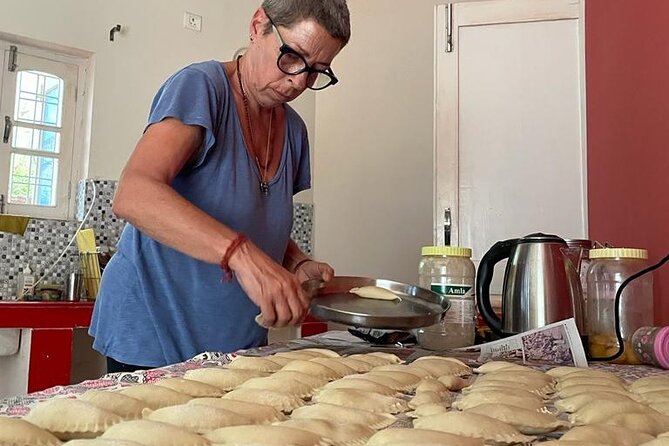
This is not just an Indian cooking class. It’s built around Ayurvedic and sattvic ideas of food, plus roots in Vaishnavite tradition. The key practical takeaway is how that philosophy shows up on your plate.
You’ll cook dishes prepared without onion or garlic. That one rule changes everything: the aroma, the sweetness, the depth, and even how spices carry flavor. If you normally cook with onion and garlic at home, this is a useful reset. You learn how people build body and taste using other tools like lentils, tomatoes (when used), ginger (if your menu includes it), and spice blends.
The class also frames ingredients as having “healing benefits” and as nourishment for body and soul. You do not need to be overly spiritual to appreciate it. I like this approach because it makes cooking feel intentional. You pay attention to why an ingredient is there, not only how it tastes.
The 3-hour flow: from prep to cooking to eating together
The experience runs about 3 hours. Within that window, you can expect a steady rhythm: you arrive, learn what is happening, cook your selected dishes, and then sit down to eat what you made.
A hands-on format means you are working through the kitchen tasks, not just watching. Based on how the class is described, you will get tips and tricks during the cooking. That usually translates to real-world skills, like how to balance spice amounts, when to adjust heat for lentils or curries, and how to handle bread dough without it turning into a sad lump.
One detail I really like is the “participate in everything” feel. The kitchen is not a lecture hall. You are there to do the work, and you can take notes as you go. If you are the type who forgets everything the moment you leave a class, bring a small notebook and jot down what you used and in what order. You will thank yourself later when you try to recreate it.
The class ends back at the meeting point, so you can plan the rest of your day without surprises.
- Landour Infinity Walk – A Guided Walking Tour Of Landour★ 5.0 · 80 reviews
- Top Tibba Trek – Mussoorie★ 5.0 · 61 reviews
- Hathipaown Heritage Walk – A guided walk to Mini Everest★ 5.0 · 58 reviews
- Chopta Trek★ 5.0 · 52 reviews
- Benog Tibba Day Hike – Mussoorie★ 5.0 · 38 reviews
What you can cook: dal, sabji, breads, rice, and dessert
Your menu is not fixed. You can customize by choosing categories, and the class prepares dishes from those choices. The listed options cover the big comfort-food basics, which is great for value because you are not just making one dish you might never repeat.
Special lentils (dal) options
You can choose among:
- Chana Masala
- Yellow Fried Dal
- Chana Dal
- Rajma Dal
Dal is where Indian cooking turns from tasty to master-level, because the texture and seasoning matter. This is also a great place to learn. Once you understand lentils, you can adapt the same approach to other legumes.
Special curries (sabji) options
You can choose among:
- Shahi Paneer
- Paneer Butter Masala
- Mutter Paneer
- Palak Paneer
- Seasonal Vegetable
Paneer curries are creamy and forgiving for many home cooks, especially if you practice spice control. Palak paneer adds a greens component, which helps you learn how vegetables integrate into gravy style dishes, not just side dishes.
Indian breads (chapati and paratha) options
You can choose among:
- Chapati
- Aloo Paratha
- Plain Paratha
Bread is where classes can either disappoint (only someone else cooks) or teach you for real (you handle dough and learn timing). A focused paratha session is a solid skill upgrade because it changes how you think about layering, stuffing, and rolling.
Rice options
You can choose among:
- Jeera Rice
- Basic Rice
Rice is quick, but it is also technical. Jeera rice teaches how to treat tempering and fragrance, so the rice tastes like it has been seasoned from the inside, not just sprinkled at the end.
Dessert option
The menu includes Indian dessert. In the experience I focused on, dessert was part of what was made, and it added a satisfying finish after cooking. If dessert is important to you, you can ask what is planned based on your menu selection.
The spice session: practical health and flavor context
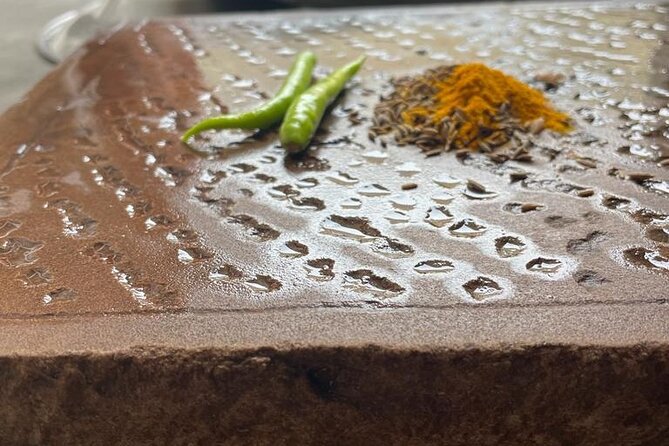
One bonus included in the experience is a guided session on Indian spices. You learn about essential spices used in everyday cooking and their health benefits.
This is the kind of information that can actually help you cook later. If you only learn recipes, you might recreate dishes once. If you learn what spices do, you can tweak dishes when you cannot find a specific ingredient back home.
In a sattvic cooking context, spice becomes even more important. With no onion and no garlic, you need flavor from other angles. That makes the spice session feel less like trivia and more like your toolkit.
Lunch that matches what you cooked: calm, communal, and real
Lunch is included. That means you do not end the class hungry or forced to hunt for a meal right after. You also get to see your dishes in context: how dal, sabji, breads, and rice work together in one spread.
The spirit of the experience is described in a way that feels more grounded than typical “class and go” tourism. There is a sense of cooking, praying, and eating together. Even if you are not looking for a religious component, the pacing matters. It’s not a rushed grab-and-go lunch. You sit down with what you made and appreciate the work behind it.
I also liked the hospitality side. Miss Anju comes across not only as a teacher but also as a homestay owner, which changes the tone. This is the difference between a kitchen that feels like a set and a kitchen that feels like someone’s home.
Price and value: $45 for a private, practical meal-mastery session
At $45 per person, the price lands in the “reasonable if you get hands-on” category. The best value point here is the combination of:
- hands-on cooking (you participate, not just watch)
- multiple dish categories through your menu choices
- lunch included
- a guided spice add-on
Also, the experience is listed as a private tour/activity, meaning your group is the only group taking part. Private access matters because it increases the odds you can ask questions during cooking, not only at the end.
The listing also mentions group discounts. That can be a real perk if you are traveling with friends or family and want a shared activity that feels more personal than a standard group tour.
If you are trying to compare costs, do it like this: you are paying for time with a cook, ingredient guidance, and a full lunch experience built around your choices. That is usually more valuable than paying for a meal alone in a touristy restaurant because you learn how to recreate it.
Who should book this class (and who might skip it)
This class is a strong fit if you want:
- real cooking practice, not a passive tasting
- Indian food learning with an Ayurvedic and sattvic lens
- onion-and-garlic-free cooking ideas you can adapt at home
- a calm, social homestay atmosphere in Rishikesh
It is also a great option if you enjoy learning by doing. The class structure is built for participation, and the best part is that you can take notes while you cook so you remember what to repeat.
You might consider skipping if you need hotel pickup, because the experience does not include it. Also, if you dislike the idea of onion- and garlic-free food, you may feel less excited about the menu even if the spices are delicious.
Timing, weather, and what to wear in Rishikesh
The class runs for about three hours and operates in all weather conditions. That means you should dress for rain and sun possibilities, not just one scenario.
If the day is warm, wear breathable clothes and plan for cooking heat. If the day is cool or rainy, bring a light layer that you can still move in comfortably. Since there is no pickup and you meet at a homestay, you will walk a bit at the start, so shoes that grip help.
Final advice: should you book Miss Anju’s sattvic cooking class?
I think you should book this class if you want a meaningful Rishikesh experience that is not just seeing sights. The no onion, no garlic rule plus the spice session makes it practical. You learn how to build flavor with intention, not by copying a single restaurant recipe.
Book it if you value hands-on time and a warm teacher. Miss Anju’s approach, described as rooted in Vaishnavite tradition and focused on purity and nourishment, comes through in the pace and hospitality. And because lunch is included and you participate in cooking, it feels like you get your money’s worth in both skills and food.
I’d skip it only if you cannot easily reach Om Homestay on your own or if you are strongly against sattvic-style cooking. Otherwise, this is one of the best “learn a real skill” activities in town.
FAQ
How long is the Rishikesh Sattvic Cooking Class with Miss Anju?
The experience lasts about 3 hours (approx.).
Where do I meet for the class?
You meet at Om Homestay in Tapovan, Rishikesh. The end point is back at the meeting point.
Is hotel pickup and drop-off included?
No, hotel pickup and drop-off are not included.
What does the price include?
Lunch is included.
Is the class private?
Yes. This is a private tour/activity, and only your group participates.
Can I choose what dishes I cook?
Yes. You can customize by selecting categories such as lentils (dal), curries (sabji), breads (chapati and paratha), rice, and an Indian dessert option.
Are onion and garlic used in the dishes?
The dishes are prepared without onion or garlic, making them suitable for those following a sattvic diet.
Does the class run in bad weather?
It operates in all weather conditions, so dress appropriately.
Do I need any travel documents?
A current valid passport is required on the day of travel.
What is the cancellation window?
Free cancellation is available. You can cancel up to 24 hours in advance for a full refund.
Rishikesh and Haridwar, More Days




Recently reviewed across Rishikesh
- School Boy Walk
★ 5.0 · 10 reviews - Trek’s around Mussoorie
★ 5.0 · 11 reviews - Rishikesh: Ganges River Rafting Adventure
★ 5.0 · 11 reviews - Kunjapuri Temple Sunrise Trek With Professional Guide
★ 5.0 · 13 reviews - Private Guided Trek to Kunjapuri Temple & Waterfall at Sunrise
★ 5.0 · 14 reviews - Rishikesh: Full-Day Sightseeing Tour with Ganga Aarti
★ 4.7 · 15 reviews
Rishikesh and Haridwar Tours, compared.
 ★ 5.0Private Haridwar and Rishikesh Day Tour from Delhi- All InclusiveFrom $18357 reviews
 ★ 5.0Day Rafting in Rishikesh- 16kmFrom $21328 reviews
 ★ 5.0Half Day Rafting in Rishikesh – 26 Km.From $20300 reviews
 ★ 5.0Day Rafting in Rishikesh – 26kmFrom $26292 reviews
 ★ 4.8Rishikesh and Haridwar Day TripFrom $8772 reviews
 ★ 5.0Private Day Trip to Haridwar and Rishikesh from Delhi by CarFrom $8043 reviews
 ★ 5.0Camping in Rishikesh – 1N 2DFrom $2240 reviews
 ★ 5.0Full-Day Private Tour in Rishikesh & HaridwarFrom $8532 reviews
Browse the lists this tour appears in