
REVIEW · PUNE AND MAHARASHTRA TOURS
Why Pune? : A Heritage Walk through Old Pune
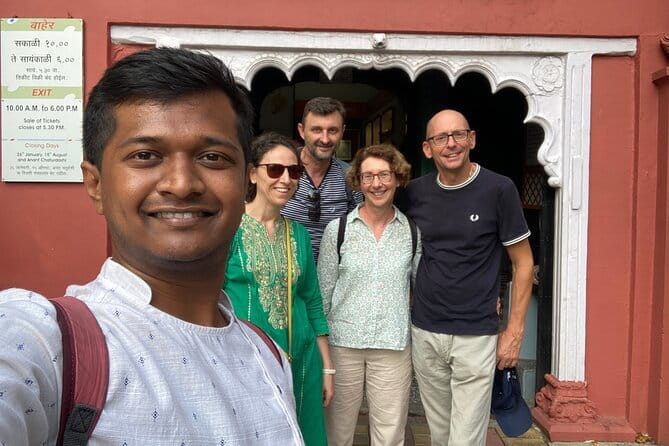
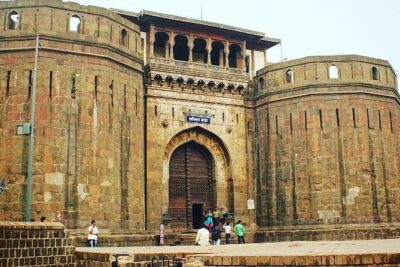
Your first stop is a Peshwa palace wall. This guided walk in Old Pune takes you through Shaniwar Wada and beyond, with 2.2 km of tight, story-packed streets and 9 key landmarks. I love how Dhruv links politics, religion, and social change in short, understandable segments, and I love the practical finish at a real market instead of a dead-end sightseeing loop. One thing to plan for: the Shaniwar Wada entry ticket is not included, so you should budget extra and expect that stop to take time.
The walk is led by Dhruva Kalita, a local guide who has conducted over 300 heritage walks, and he brings a knack for clear, spoken English and easy-to-follow context. I also like that the group stays small, with a maximum of 15 people, which makes it easier to ask questions when a place starts turning into a story. Snacks are included, and you’ll get a couple of chances to taste street-level Pune, not just read facts off a plaque.
It’s a walking route through the dense city center, lasting about 2 hours 30 minutes to 3 hours 20 minutes. Most travelers can participate, but wear comfy shoes, and be ready for a steady pace even when some stops are brief. Since it uses a mobile ticket and starts at Shaniwar Wada, it’s smart to arrive a little early so you are not rushed.
In This Review
- Key things to know before you go
- Pune in 2.2 km: what this heritage walk really covers
- The guide factor: Dhruva Kalita turns corners into context
- Price and value: $16.84 plus one important ticket
- Route flow and timing: how to plan your afternoon
- Stop-by-stop: Shaniwar Wada to the Mandai market finish
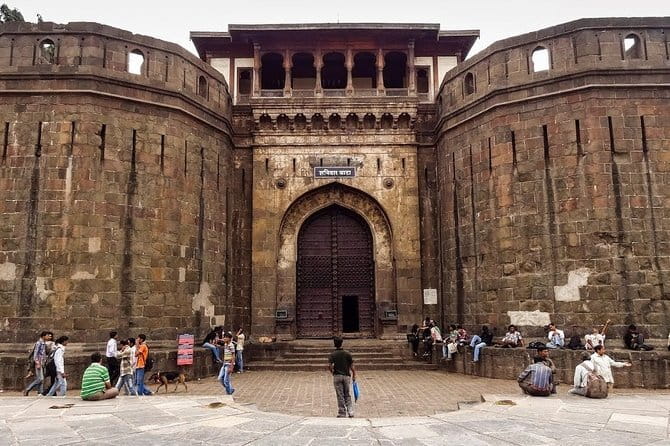
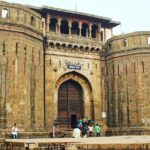
- Stop 1: Shaniwar Wada, the Peshwa starting point (about 1 hour)
- Stop 2: Lal Mahal Chitra, Shivaji Maharaj’s former residence (about 10 minutes)
- Stop 3: Kasba Peth Ganpati Temple, a 400-year-old local anchor (about 15 minutes)
- Stop 4: Nana Wada, statesman politics and the Old City shift (about 10 minutes)
- Stop 5: Shrimant Bhausaheb Rangari Ganpati, revolutionary stories at a well-kept house (about 20 minutes)
- Stop 6: Bhide Wada and Prashant Phule, reform through education and society (about 10 minutes)
- Passing the iconic Ganesh stop and a famous wealthy temple
- Stop 7: Tulshibaug Shri Ram Temple, quaint architecture plus market life (about 20 minutes)
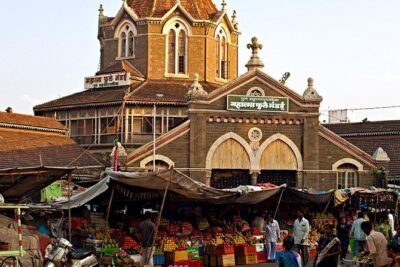
- Stop 8: Mahatma Jyotiba Phule Mandai, a colonial-era vegetable market (about 15 minutes)
- Snacking and market time: why the everyday stops matter
- Who this is best for, and who should think twice
- Practical tips to get the most from the walk
- Should you book this heritage walk through Old Pune?
- FAQ
- How long is the heritage walk?
- How far will I walk?
- Where does the tour start and end?
- Is Shaniwar Wada admission included?
- Are tickets needed for the other stops?
- What’s included in the price?
- Is private transportation included?
- What is the group size limit?
- Do I need a mobile ticket?
- Can I cancel for a full refund?
Key things to know before you go
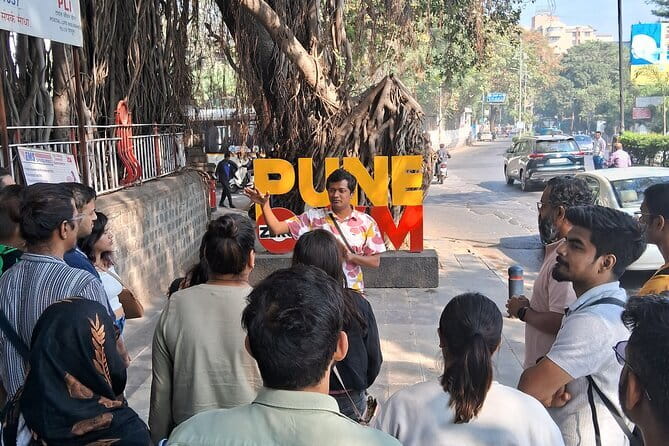
- A compact 2.2 km route with 9 landmarks so you see a lot without long travel between stops
- Dhruva Kalita has 300+ heritage walks and uses clear English to connect the dots
- Shaniwar Wada takes about 1 hour but the admission ticket is extra
- You get the Pune mix: religion, politics, reform, and trade in one continuous walk
- Market finish at Mahatma Jyotiba Phule Mandai where the city’s daily rhythm is the point
- Snacks are included, including local bites during the route
More of Pune and the country around it
Pune in 2.2 km: what this heritage walk really covers
This is not a drive-by tour. You walk about 2.2 km through Old Pune’s center, stopping at 9 key landmarks and a few major sights along the way. The goal is to help you understand how Pune grew from earlier local roots into a major city, and how different eras show up in the same few streets.
What makes the format work is the pacing. Some stops are quick, like 10 or 15 minutes at a temple or a landmark, while one big anchor is Shaniwar Wada, where you spend about an hour. That gives you breathing room to absorb the scale of the site and still finish with the final market stop.
The guide factor: Dhruva Kalita turns corners into context
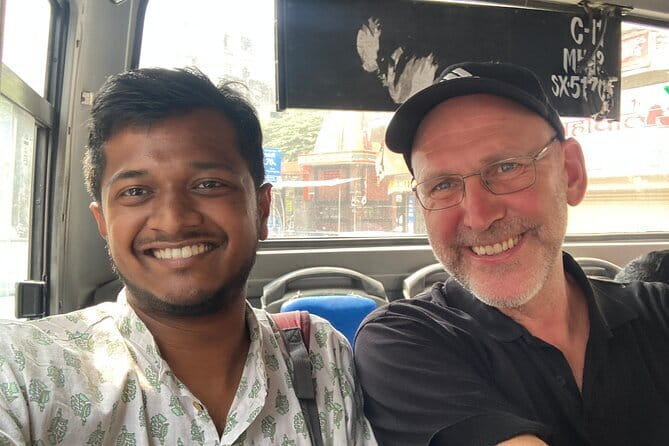
The tour runs on stories, but not vague stories. Dhruva Kalita is the kind of guide who clearly loves the city and explains why things matter. One of the most praised aspects is that Dhruv has the ability to connect history with what you see in front of you, so you do not feel like you are just collecting names.
He has led over 300 heritage walks, and that shows in the flow. You move from palace-era power to Shivaji Maharaj-related connections to neighborhood temples, then into reformers and freedom-movement links, and finally into market life. Even the short stops have a reason, and Dhruv’s style helps you keep track of the timeline.
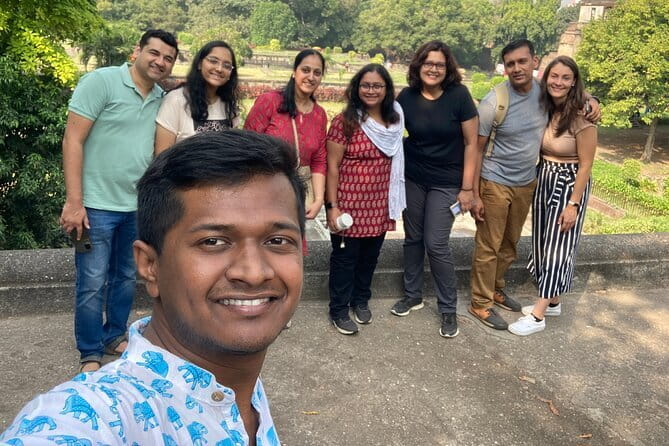
A nice touch: the group stays small (up to 15), so you can ask questions when something sparks your interest. And if you have personal interests, Dhruv can adjust the tour, including offering extra help when you want guidance beyond the route.
Price and value: $16.84 plus one important ticket
At $16.84 per person, this is priced like a budget-friendly walking tour, and honestly, you get a lot for that kind of cost. You get a guided route through multiple landmarks, snacks included, and a structured ending at a major local market.
The trade-off is the Shaniwar Wada admission ticket is not included. Since that stop lasts about 1 hour, it’s the one place where timing and extra cost can matter. If you are trying to keep expenses tight, plan ahead so the Shaniwar Wada visit does not feel like an unexpected add-on.
Everything else on the core list is marked as free admission in the plan you follow during the walk. So in most cases, the paid portion of the tour is really about the guidance and the time, not paying entry fees everywhere.
- Private 2-Day Tour to The Taj Mahal and Agra with Both Side Commercial Flights★ 5.0 · 63 reviews
- Immersive culture tour of Pune by private car with guide and local lunch★ 5.0 · 38 reviews
- Immersive walking tour in Pune for cultural immersion with guide★ 5.0 · 35 reviews
- Sinhagad Fort Trip (Guided Half Day Sightseeing Tour)★ 5.0 · 29 reviews
- Private Tajmahal Day Tour From Mumbai ,Pune ,Chennai with flights★ 5.0 · 23 reviews
Route flow and timing: how to plan your afternoon

The walk runs for about 2 hours 30 minutes to 3 hours 20 minutes, depending on the group and pacing. You cover 2.2 km, but the time feels longer than it looks on a map because several stops are inside or tightly organized around specific points of interest.
You start at Shaniwar Wada, located at 480, Shaniwar Peth, Pune. The end point is Mahatma Jyotiba Phule Mandai around 2 km from the start, near Shanipar Chowk in the market area on Gayakwad Path, Shukrawar Peth.
It’s also designed to be easy to reach. The start is near public transportation, and the ending is a market area that is typically connected to local movement. The tour uses a mobile ticket, so have your phone ready when you meet.
Stop-by-stop: Shaniwar Wada to the Mandai market finish
Below is how the route is paced and what each stop is designed to teach you. Think of it as a guided walk where each location answers a different “why” about Pune.
Stop 1: Shaniwar Wada, the Peshwa starting point (about 1 hour)
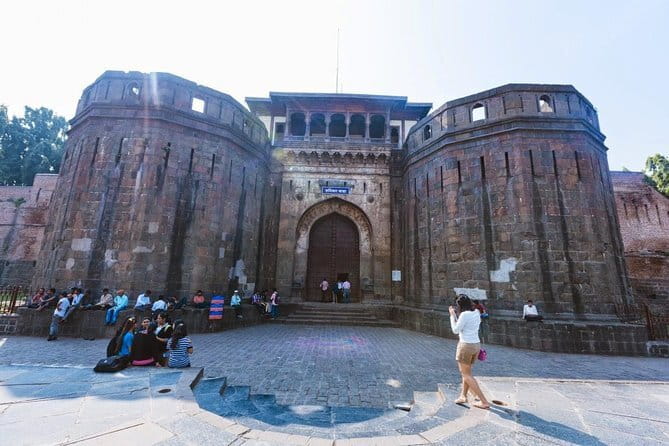
You begin at Shaniwar Wada, once a residence of the Peshwas. The plan here is to set the context for everything that follows. You cover key locations inside the palace area, and you start learning how power and governance show up in the city.
Important practical note: admission tickets for Shaniwar Wada are not included. So come ready for that extra step, and expect this to be the longest stop. If you hate waiting, arriving a little early helps.
Stop 2: Lal Mahal Chitra, Shivaji Maharaj’s former residence (about 10 minutes)
Next comes Lal Mahal Chitra, tied to the former residence of Chhatrapati Shivaji Maharaj. The explanation focuses on Pune’s political landscape and how it connects to an earlier time when this place was more like a village than a metropolis.
The stop is short, but the payoff is learning to see Pune’s present identity as something shaped by earlier shifts in authority and settlement.
Stop 3: Kasba Peth Ganpati Temple, a 400-year-old local anchor (about 15 minutes)
At the Kasba Peth Ganpati Temple, you get a different angle: religious life and local continuity. The temple is described as about 400 years old, which makes it more than a quick photo stop. You’ll feel how older neighborhoods preserve spiritual character even as the city changes around them.
If you like understanding how neighborhoods work socially, this is a good stop because it gives you that everyday anchor.
Stop 4: Nana Wada, statesman politics and the Old City shift (about 10 minutes)
Then you visit Nana Wada, described as the house of a former statesman. Here the focus is on politics and changing demographics in the Old City.
This stop is quick, but it helps you keep the theme going. The walk is always nudging you to connect people, institutions, and the city’s evolving population, not just admire buildings.
Stop 5: Shrimant Bhausaheb Rangari Ganpati, revolutionary stories at a well-kept house (about 20 minutes)
Shrimant Bhausaheb Rangari Ganpati is a longer stop, about 20 minutes, and it is tied to the house of a former revolutionary. The plan highlights a beautifully maintained house and links Pune’s role in India’s freedom movement.
This is one of the most interesting segments if you like seeing how personal lives connect to larger national events. Even if you are not a history deep-dive type, you should find it easier to remember because it is tied to a specific location and a clear theme.
Stop 6: Bhide Wada and Prashant Phule, reform through education and society (about 10 minutes)
At Bhide Wada (भिडेवाडा) you hear about a former reformer connected to the founder Prashant Phule. The explanation centers on political, social, educational, and reformist aspects.
This stop matters because it broadens the walk beyond rulers and battles. It shows how reformers change a city’s future in quieter, longer-lasting ways.
Passing the iconic Ganesh stop and a famous wealthy temple
At one point, you pass through Pune’s most iconic Ganesh and one of India’s richest temples, with attention given to its history and splendour. The itinerary does not list the temple name in the route details you follow, but the focus is on what you see and how the place fits into Pune’s broader story.
If you want a moment for photos, keep your phone ready here, because this is the kind of sight people remember later even if the stop itself is brief.
Stop 7: Tulshibaug Shri Ram Temple, quaint architecture plus market life (about 20 minutes)
Then you reach Tulshibaug Shri Ram Temple. The temple is described as quaint, and the walk includes time while moving through the Tulshibaug market. The idea is to appreciate local architecture and the history of the area through the surroundings you can actually feel.
This is where the tour starts to feel less like a sequence of monuments and more like a living city.
Stop 8: Mahatma Jyotiba Phule Mandai, a colonial-era vegetable market (about 15 minutes)
Finally, you close at Mahatma Jyotiba Phule Mandai, a colonial-era vegetable market. This stop ties the city’s transitions together, from earlier growth to Pune becoming a colonial city and beyond.
You also get the practical magic of finishing where people actually shop. You can keep exploring on your own after the walk, and the market environment helps you absorb the tour’s big message: history is not just in buildings, it’s in daily routines.
Snacking and market time: why the everyday stops matter
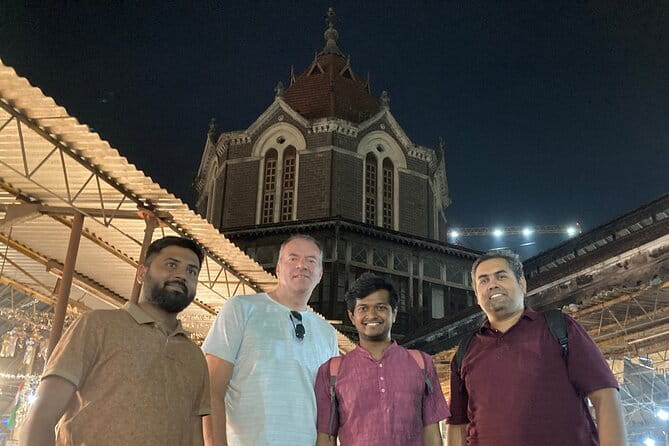
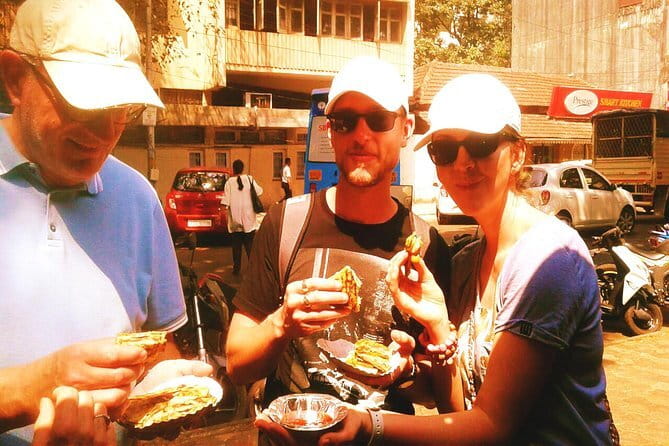
The tour includes snacks, and several parts of the route are built for local flavor. Even when a stop is short, the pacing is set up so you can pause, taste, and connect food and culture to place.
The Tulshibaug market and the Mandai market finish are especially valuable if you want Pune to feel real. Instead of treating Old Pune like a museum district, you get to experience the city’s shopping lanes and the energy of what people do every day.
If you have dietary restrictions, the tour information only says snacks are included, not what they are. So it’s smart to bring a heads-up that you can share with Dhruv before you start, so you are not stuck choosing after you arrive.
Who this is best for, and who should think twice
This walk works well for:
- First-time visitors who want a structured introduction without a long ride schedule
- People who like the mix of religion, politics, and social reform in one route
- Travelers who enjoy small groups and prefer asking questions in real time
It may be less ideal for you if:
- You want only famous monuments with long viewing times. This is a mix of quick stops and one longer palace visit.
- You dislike walking through a dense city center for several hours, even at about 2.2 km total distance.
That said, the tour states most travelers can participate, so the main limiting factor is usually comfort. Bring good shoes and treat it like a city stroll with historical context, not an easy park walk.
Practical tips to get the most from the walk
A few small things make a big difference on this kind of heritage route.
- Wear comfortable walking shoes. The distance is short, but the time includes indoor sections and repeated stop-start movement.
- Plan your budget for Shaniwar Wada tickets since they are not included.
- Keep your phone ready for a mobile ticket, and arrive near the meeting point on time so Dhruv can start cleanly.
- If you like architecture, give yourself permission to look up and around during short stops, not just at eye-level signs. Dhruv’s explanations help, but you will enjoy it more when you also visually track details.
Should you book this heritage walk through Old Pune?
I think you should book if you want a smart, human-paced introduction to Pune that connects major sites to the city’s bigger story. For $16.84 with snacks included, plus a guide with 300+ heritage walks, it’s good value, especially because you finish at Mahatma Jyotiba Phule Mandai, where Pune feels most alive.
Book it with one expectation in mind: you are walking through a tight area and learning quickly. If you are okay with short stops, a clear theme, and a single ticket add-on at Shaniwar Wada, this is an excellent way to understand Pune faster than going site-by-site on your own.
FAQ
How long is the heritage walk?
The tour lasts about 2 hours 30 minutes to 3 hours 20 minutes (approx.).
How far will I walk?
The route covers around 2.2 km through Pune’s dense city center.
Where does the tour start and end?
It starts at Shaniwar Wada, 480 Shaniwar Peth, Pune, and ends at Mahatma Jyotiba Phule Mandai near Shanipar Chowk, Mahatma Phule Market, Gayakwad Path, Mandai, Shukrawar Peth, Pune.
Is Shaniwar Wada admission included?
No. Shaniwar Wada tickets are not included.
Are tickets needed for the other stops?
The listed stops after Shaniwar Wada are marked as free admission in the itinerary details (including Lal Mahal Chitra, Kasba Peth Ganpati Temple, Nana Wada, and others).
What’s included in the price?
Snacks are included.
Is private transportation included?
No. Private transportation is not included.
What is the group size limit?
The maximum group size is 15 travelers.
Do I need a mobile ticket?
Yes. The tour uses a mobile ticket.
Can I cancel for a full refund?
Yes. You can cancel up to 24 hours in advance for a full refund.
Pune and Around, More Reviews

Recently reviewed across Pune
- Pune: Sacred Sites Half Day Tour with Snacks (AC Car Tour)
★ 5.0 · 16 reviews - Best of Pune Private City Tour with Lunch and Transport
★ 5.0 · 17 reviews - Pune to Lonavala Monsoon Drive in Private Vehicle
★ 4.5 · 20 reviews - Private Tajmahal Day Tour From Mumbai ,Pune ,Chennai with flights
★ 5.0 · 23 reviews - Sinhagad Fort Trip (Guided Half Day Sightseeing Tour)
★ 5.0 · 29 reviews - Immersive walking tour in Pune for cultural immersion with guide
★ 5.0 · 35 reviews
Pune and Maharashtra Tours, compared.
 ★ 4.5Guided Highlights of Pune Car Tour with a local (4 Hrs Sightseeing in AC Car)From $7888 reviews
 ★ 4.5Pune Walking Tour with a PunekarFrom $5376 reviews
 ★ 4.9Pune: Old City & Camp Cultural Walking Tour with Local SnackFrom $1765 reviews
 ★ 5.0Hill-station & Heritage: Lonavala & Karla Caves Tour from MumbaiFrom $7260 reviews
 ★ 5.0Lonavala – Hill Station Tour From MumbaiFrom $12959 reviews
 ★ 3.5Skip the Line: Meher Retreat Day Picnic Ticket, Near PuneFrom $5657 reviews
 ★ 5.0Immersive culture tour of Pune by private car with guide and local lunchFrom $11738 reviews
 ★ 5.0Immersive walking tour in Pune for cultural immersion with guideFrom $5535 reviews
Browse the lists this tour appears in