
REVIEW · GOLDEN TRIANGLE TOURS
9 – Days Private Golden Triangle Tour with Khajuraho & Varanasi
India hits you fast. This tour strings together five big moods, from Delhi markets to sunrise on the Ganges.
What I like most is the way it’s run like a true private plan, with an airport meet, a private chauffeur, and English-speaking local guides covering the main cities. You’re not constantly figuring out transport or where to stand.
I also love the mix of standout sights that don’t feel repetitive: Taj Mahal in Agra, the carved temple groups of Khajuraho, and the spiritual intensity of Varanasi, including a Ganges boat ride. One thing to think about is cost add-ons, since monument entrance fees are not included and Taj Mahal can be closed (it’s closed every Friday).
In This Review
- Key highlights you’ll care about
- The big idea: Golden Triangle, plus two serious detours
- Day 1 in Delhi: airport welcome and the rhythm of Old Delhi
- Delhi monuments: Qutub Minar and a Mughal-meets-Market contrast
- Jaipur days: Amer Fort by jeep, then forts, palaces, and observatories
- Agra: Taj Mahal plus Agra Fort, with a battery van speed-up
- Overnight travel and the Orchha stop: how you get to Khajuraho
- Khajuraho Western and Eastern groups: temple sculpture at full volume
- Varanasi and Sarnath: Hindu pilgrimage, Buddhist roots, and the Ganges everywhere
- Sunrise Ganges boat ride and the quieter close
- Price and logistics: what $683 covers, and what you should budget next
- Comfort level: AC trains, private car, and small speed-ups that matter
- Who should book this Golden Triangle plus temples and Ganges plan
- Should you book this tour?
- FAQ
- How many days is the tour?
- Is this a private tour?
- What’s included for airport and local transfers?
- Do I get an English-speaking guide?
- Is pickup included?
- Are entrance fees included for monuments?
- What transportation is included between cities?
- What about local transport during sightseeing?
- Are meals included?
- Is Taj Mahal always visited?
Key highlights you’ll care about
- Private guide and driver across the route keeps the days moving, with less stress than DIY.
- Old Delhi by rickshaw through the Chandni Chowk market area is a great way to get your bearings fast.
- Jeep safari for Amer Fort climb makes Jaipur’s hilltop fort feel like a real mission, not a slow hike.
- Khajuraho’s Western and Eastern temple groups give you two different temple “neighborhoods” in one visit.
- Sarnath plus Varanasi ghats and temples adds both Buddhist and Hindu pilgrimage context in a single stretch.
- One included overnight train breaks up the long legs between cities and saves you a hotel night.
Golden Triangle itineraries, three to eight days
The big idea: Golden Triangle, plus two serious detours
This is not just the classic Delhi, Agra, Jaipur loop. It layers in Khajuraho and Varanasi, so your trip feels like five themed worlds in nine days: Mughal Delhi, royal Jaipur, Mughal Agra, Central Indian temple art, and finally the Ganges pilgrimage circuit.
That pacing matters. If you try to do all of this independently, you usually burn time on train planning, ticket queues, and “Where do we go next?” moments. Here, you’re mostly handed a path, then freed up enough to enjoy it.
The tour also builds in practical “speed-ups” where it counts, like the battery van at Taj Mahal and a rickshaw ride in Old Delhi. Those small choices can save energy for the parts you’ll want to linger over.
Day 1 in Delhi: airport welcome and the rhythm of Old Delhi
Your trip starts the easy way, with a traditional welcome at New Delhi International Airport and a transfer to your hotel by air-conditioned vehicle. Check in, then you’re on your own for free time, which is a smart move after travel.
The next day’s sightseeing focuses hard on Delhi’s mix of eras and energy. You’ll hit Chandni Chowk, one of the oldest, busiest market arteries of Old Delhi. The tour adds a rickshaw ride, which is a fun reality check. You feel how dense the streets are, then you get dropped into the market flow at human speed.
From there, the route connects Old Delhi’s commercial side to the city’s monumental side. You’ll visit Humayun’s Tomb, an early Mughal landmark set in landscaped grounds. It’s a calmer place to reset your eyes before the busier sights later in the day.
You’ll also see the centerpiece civic architecture of New Delhi. The plan includes stops around Rashtrapati Bhavan and India Gate, both well known landmarks that help you understand why Delhi looks the way it does: a planned capital with monumental scale.
Delhi monuments: Qutub Minar and a Mughal-meets-Market contrast
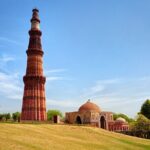
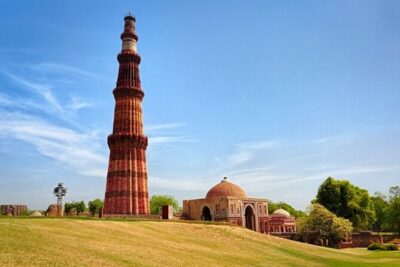
Day 2 continues with Qutub Minar, the famous soaring victory tower (about 73 meters high). It’s one of those structures that doesn’t care whether you’re tired, it just keeps getting taller as you walk closer.
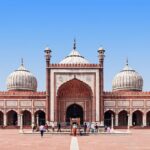
The best part of this Delhi layout is the contrast. You go from the tight maze of Chandni Chowk to broad imperial ruins and formal architecture. It’s the fastest way I know to understand Delhi’s “two cities” feeling, Old Delhi and New Delhi.
Practical note: some monument tickets are listed as not included, and the tour uses a single entrance-fee expectation overall. So plan to budget that extra cost when you arrive, and treat it as normal for major sights in India.
More time on the Varanasi ghats
- Delhi Agra Jaipur & Varanasi Tour – Taj Mahal & Ganga Aarti★ 5.0 · 50 reviews
- 7-Day Golden Triangle & Varanasi Tour from Delhi with Guide★ 5.0 · 38 reviews
- 9 – Days Private Golden Triangle Tour with Khajuraho & Varanasi★ 5.0 · 22 reviews
- 6-Day Private Tour of Delhi, Agra, Jaipur, and Varanasi from Delhi★ 5.0 · 19 reviews
- 8-Day Private Luxury Golden Triangle With Spiritual Varanasi Tour★ 5.0 · 17 reviews
Jaipur days: Amer Fort by jeep, then forts, palaces, and observatories
Jaipur is where the tour turns more “royal postcard,” but in a good way. You drive from Delhi and check into your pre-booked hotel, then you spend the next full day seeing the most important sights without feeling like you’re sprinting.
The highlight here is the jeep safari to climb Amer Fort. Hill forts are never a casual walk, and getting to Amer by jeep changes the vibe. You arrive with energy, then the fort becomes a real exploration rather than a pre-fatigue battle.
Amber Palace gets the royal treatment because it blends Hindu and Muslim architectural styles. That blend is one of the reasons Jaipur feels distinct from Agra and from Delhi.
You also get to stop at Jal Mahal, the Water Palace. Even if you don’t spend long, it’s a useful breather point. The palace sits in the water, so the moment feels different from the forts and courtyards.
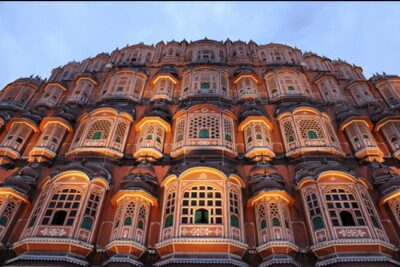
Don’t skip Hawa Mahal, the Palace of Wind. The exterior is the show here, that famous façade designed so breezes can move through the structure.
Then you move into City Palace, a complex with courtyards and museum-like spaces. This is where Jaipur shifts from “look at the architecture” to “understand the royal city.”
Finally, you’ll visit Jantar Mantar, the astronomical instruments built by Sawai Jai Singh II, including the large stone sundial. It’s not just a photo stop. You’ll leave seeing how geometry and observation were built into daily life for rulers and scholars.
Two more visits are included as shopping-related stops in local markets. The tour is explicit about including exclusive shopping tours plus a chance to see craftwork tied to the region’s arts. That’s helpful if you want souvenirs that feel connected to what you’re seeing, not just mass-market repeats.
Agra: Taj Mahal plus Agra Fort, with a battery van speed-up
After Jaipur, you drive to Agra and check into your hotel. The plan includes a later block of sightseeing, with the big two anchors: Taj Mahal and Agra Fort.
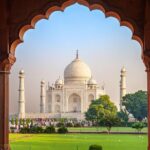
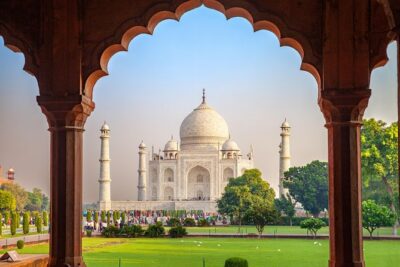
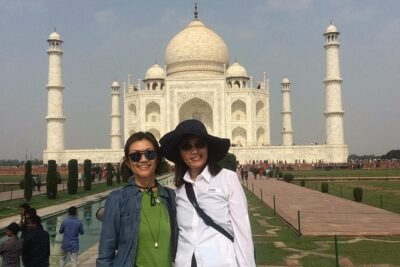
Taj Mahal is listed with an admission note, and the tour includes a battery van ride at Taj Mahal in Agra. That matters because the grounds can be big and walking can add up quickly. It helps you spend your energy on the part you actually came for: the marble beauty and the overall scale.
One thing to plan for in real life: the tour reminds you that Taj Mahal is closed every Friday. If your dates land on a Friday, you’ll need to check how your operator handles the substitution.
Agra Fort is the other must-see. It’s a major Akbar-era complex dominated by the Yamuna side. Agra Fort often feels more “lived in” as a landscape because it’s not just one monument. It’s layers of defensive architecture and power.
The tour also includes a Marble Factory visit in Agra. I treat these visits as a mixed bag on any tour. Still, in this case it can add useful context because Taj Mahal is marble, and understanding how marble work is organized helps you look differently at the details while you’re on site.
Overnight travel and the Orchha stop: how you get to Khajuraho
Day 6 is where the route shows it’s built by people who understand long distances. You travel from Agra toward the station area to board the train to Jhansi, then meet your representative and continue onward to Khajuraho.
There’s an overnight train component, plus AC coach train tickets for the legs listed in the tour. That’s a practical advantage if you want to keep hotel nights lower, but it also means you should be realistic about sleep quality. Trains can be comfortable, yet motion and noise are still motion and noise.
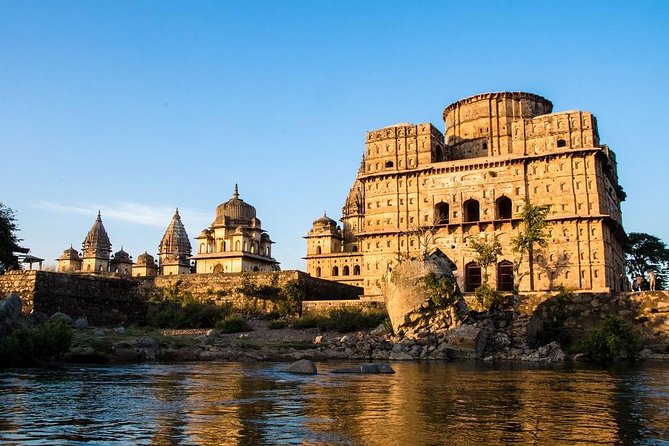
En-route, you’ll stop in Orchha Fort. Orchha is a good “in-between” pause, not a full detour. You get one strong heritage stop without losing the thread of the travel days.
Khajuraho Western and Eastern groups: temple sculpture at full volume
Khajuraho is where your trip shifts from palaces to sacred art. The tour spends a dedicated day sightseeing the temples, broken into two groups.
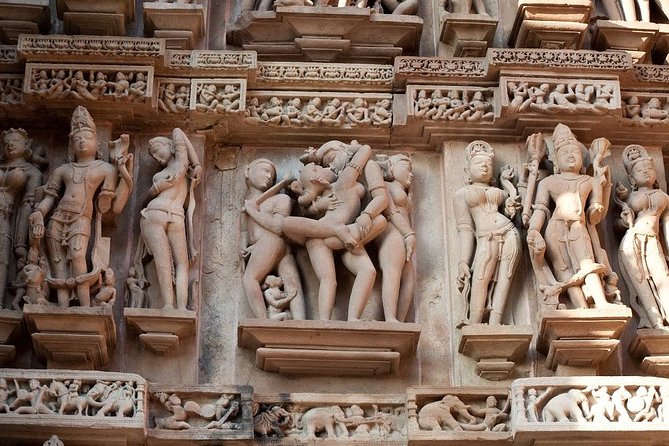
The Western Group of Temples includes 14 temples. It’s a concentrated circuit and makes sense if you want to see the range without spending your whole day hopping around. You’ll visit temples listed like Matangesvara, Chaunsath Yogini, Kandariya Mahadeo, Varaha, and others named in the plan.
The Eastern Group of Temples is another cluster with seven temples, including a mix of Hindu and Jain shrines. That combination is valuable because it reminds you Khajuraho wasn’t one religious bubble. It was a shared sacred landscape over time.
The tour description calls out the famous sculpted erotic temples, and Khajuraho is one of the few places where those carvings are part of the main conversation, not a side curiosity. If that subject makes you uneasy, know this: it’s presented as temple sculpture within a larger artistic program. You’ll still get the bigger picture of craftsmanship and symbolism.
You’ll also get a chance to see local craft through a handmade jewels or stone cutting factory visit in Jaipur earlier in the trip. That kind of craft context can help you appreciate temple carvings later. It’s not required, but it makes the art feel less abstract.
Varanasi and Sarnath: Hindu pilgrimage, Buddhist roots, and the Ganges everywhere
Once you reach Varanasi, the tone changes quickly. You’re met at the Varanasi railway station and transferred to your hotel. Then the plan continues with a strong day of spirituality and history.
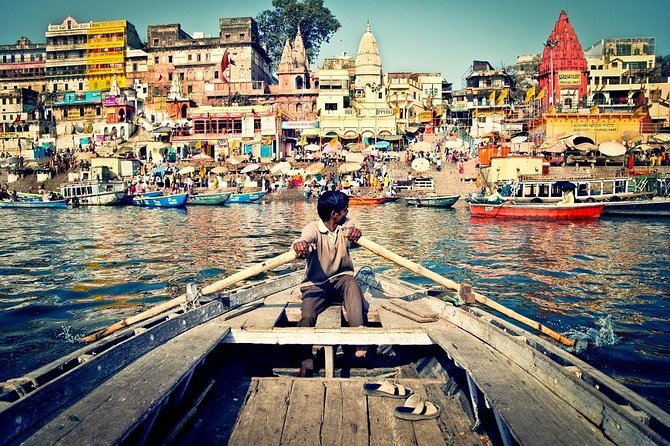
First stop is Sarnath, via an excursion after breakfast. Sarnath is described as one of the holiest places for Buddhists, with a quieter, contemplative feel compared to the city’s busy edges. You’ll see it as a place of Buddhist stupas and historical sites.
Then you move into the Hindu pilgrimage circuit with Kashi Vishwanath Temple, dedicated to Lord Shiva, a major jyotirlinga. This is one of those places where you don’t just view architecture, you experience the meaning through movement and devotion around you.
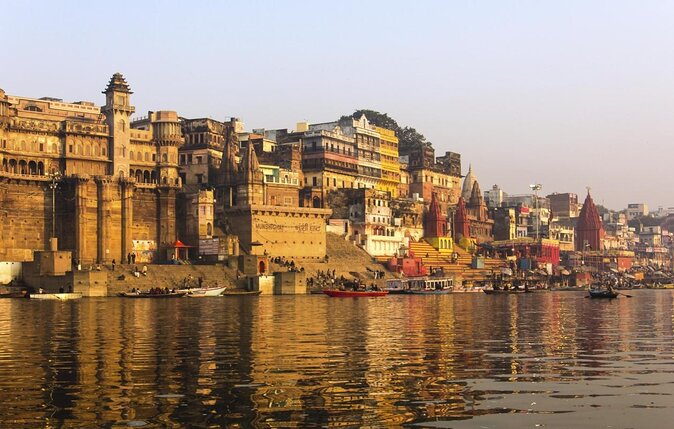
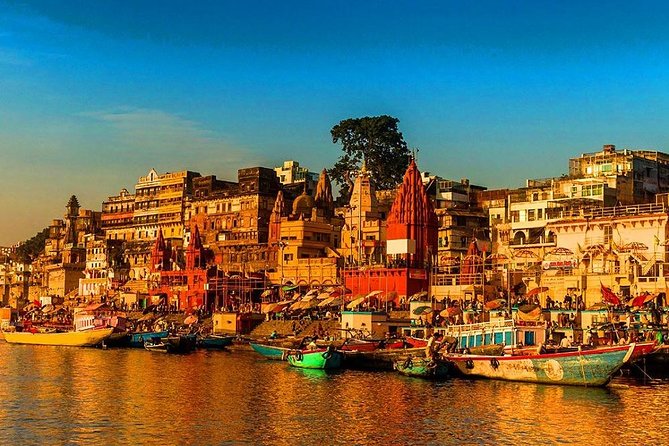
Next, you’ll visit Banaras ghats, the long chain of steps where pilgrims bathe in the Ganges for spiritual purification. A key detail here is that the ghats are not just scenery. They are active spaces, so expect crowds at certain times and a lot of spiritual energy.
The tour adds two more stops that broaden the story: Bharat Mata Temple and Alamgir Mosque. Bharat Mata Mandir is a shrine dedicated to Mother India, described as having a relief map carved in marble with no deity. Alamgir Mosque connects you to Mughal influence, built on land that once had a Shiva temple.
This mix helps prevent Varanasi from becoming a one-note experience. You get a layered city, not just one religion’s viewpoint.
Sunrise Ganges boat ride and the quieter close
Your final morning starts early. The plan includes a boat ride on the River Ganges, timed around sunrise, with the day starting before dawn. The boat ride is listed as about one hour, and the framing is all about seeing the light shift as the sun rises.
The boat part is often the emotional payoff of a Varanasi trip. It’s also a good reality check for how wide the river world is, because the city looks totally different from water level.
The tour description also mentions an evening prayer ceremony on the River Ganges. Even if you’re tired by day’s end, plan to keep that moment in mind when you think about the trip’s overall rhythm.
After the boat ride, you return to the hotel for breakfast. Then you’re transferred to Varanasi airport for your onward flight.
Price and logistics: what $683 covers, and what you should budget next
At $683 per person, this tour is priced like a mid-range private package. What you’re paying for is the private framework: a professional English-speaking guide in Delhi, Jaipur, Agra, Khajuraho, and Varanasi, plus a private chauffeur-driven car throughout.
You’re also getting multiple transport types stitched together: hotel nights, an included overnight train night, and AC train tickets for the key legs. That alone can save money versus booking each segment separately.
Now, the costs that can catch people off guard: monument entrance fees are not included, and the tour lists an expectation of $100 per person for entrance fees to monuments and sightseeing. Camera fees at monuments are also mentioned as extra.
Meals are also a mixed picture. Breakfast is included, but other meals are not listed as included. So think of this as a tour that handles sights and transport, while you handle lunches and dinners.
My practical take: if you would otherwise pay for a private guide, train transfers, and tickets across five major stops, the base price looks fair. If you like eating on your own schedule and don’t mind navigating yourself, you could do it cheaper. But the time saved here is the point.
Comfort level: AC trains, private car, and small speed-ups that matter
Comfort on this tour is mostly managed through transport choices. You get an air-conditioned vehicle in the cities, plus AC coaches for the train legs listed. You also get packaged drinking water during the trip.
The included battery van ride at Taj Mahal is a real comfort upgrade. It reduces fatigue and makes it easier to enjoy the visit instead of spending energy walking from gate to gate.
The one comfort wildcard is the overnight train segment. For many people, the trade-off is worth it because it avoids adding another hotel night. For light sleepers, I’d plan for less-than-perfect sleep quality and pack accordingly.
There are also included local transport elements that change the feel of certain stops: the rickshaw ride in Chandni Chowk and the jeep safari to Amer Fort. Those aren’t comfort in the modern hotel sense, but they do help keep the schedule moving without losing the fun.
Who should book this Golden Triangle plus temples and Ganges plan
This fits best if you want a structured, private way to see major sights across Delhi, Agra, Jaipur, Khajuraho, and Varanasi without doing logistics math every day.
I especially think it suits:
- Couples and small groups who want private transport and guides
- Travelers who like history but also want spiritual experiences, not only monuments
- People who enjoy guided craft and market shopping, since the plan includes factory visits and market time
- Anyone who’s okay with early mornings and a train night
I would reconsider if you hate early starts, dislike overnight train travel, or want every meal included and fully planned from start to finish.
Should you book this tour?
If you want the classic Golden Triangle, plus the two heavyweights that make India feel like India, this is a strong package. The private chauffeur, English-speaking guides, and included transport help you focus on the sights rather than the route.
Before you book, do one quick check: your travel dates. Taj Mahal is closed every Friday, so make sure you’ll be flexible with what replaces it.
If you’re comfortable budgeting for entrance fees (listed expectation of $100 per person) and you’re fine with breakfast included but not every meal, then this tour is likely good value. If you want everything fully included and zero surprises, you’ll need to shop carefully for a different style of package.
FAQ
How many days is the tour?
It runs for about 9 days.
Is this a private tour?
Yes. It is private, meaning only your group participates.
What’s included for airport and local transfers?
A company representative handles transfers and arrivals as per the plan, including welcome at New Delhi airport and later transfers in Varanasi, plus transfer to Varanasi airport at the end.
Do I get an English-speaking guide?
Yes. Professional English-speaking tour guides are included in Delhi, Jaipur, Agra, Khajuraho, and Varanasi.
Is pickup included?
The plan includes pickup at New Delhi International Airport by air-conditioned vehicle.
Are entrance fees included for monuments?
No. Entrance fees are not included, with an expectation listed as $100 per person. Camera fees are also mentioned as extra.
What transportation is included between cities?
The tour includes train tickets for Agra to Jhansi in an air-conditioned coach and Khajuraho to Varanasi in an air-conditioned coach, plus 1 night accommodation in an overnight train.
What about local transport during sightseeing?
You’ll have a private chauffeur-driven car throughout, plus a rickshaw ride in Old Delhi and a jeep safari in Jaipur to climb Amer Fort. At Taj Mahal, there is also a battery van ride.
Are meals included?
Breakfast is included (8 breakfasts). Other meals are not specified as included.
Is Taj Mahal always visited?
Taj Mahal is closed every Friday, as noted in the tour details.
The Ghats at Varanasi, More Reviews


The Golden Triangle, Longer and Shorter


Recently reviewed across New Delhi
- Golden Triangle – Delhi Agra and Jaipur
★ 5.0 · 10 reviews - Taj Mahal & Agra Tour by Indian Bullet Train All Inclusive
★ 4.5 · 10 reviews - Private Tour in Mehrauli Archaeological Park & Qutub Minar
★ 5.0 · 10 reviews - Old & New Delhi Tour
★ 5.0 · 10 reviews - From Delhi : Taj Mahal & Agra Fort Tour by Luxury Express Train
★ 5.0 · 10 reviews - Delhi Shopping Tour: Top Bazaars, Crafts & Souvenir Finds
★ 5.0 · 10 reviews
Golden Triangle Tours, compared.
 ★ 5.03-Days Private Golden Triangle Tour: Delhi, Agra & Jaipur by CarFrom $1271,098 reviews
 ★ 5.03-Day Delhi, Agra and Jaipur Private Tour – India Golden TriangleFrom $110812 reviews
 ★ 5.0Four-Day Private Luxury Golden Triangle Tour to Agra and Jaipur From New DelhiFrom $160807 reviews
 ★ 5.05 Nights 6 Days Private Golden Triangle Tour – Delhi Agra JaipurFrom $240574 reviews
 ★ 5.04 Days Golden Triangle TourFrom $146499 reviews
 ★ 5.0Private Car and Drive for Golden Triangle (4N/5D)From $167451 reviews
 ★ 5.0Private Golden Triangle Tour Delhi Agra Jaipur ( Top Rated )From $148436 reviews
 ★ 5.03-Day Private Luxury Golden Triangle Tour to Agra and Jaipur From New DelhiFrom $164424 reviews
Browse the lists this tour appears in