

REVIEW · AMRITSAR AND THE GOLDEN TEMPLE
Amritsar Food Walk With Hidden Gems
Eat your way through Amritsar’s old lanes. This 2-hour food walk turns the chaotic-looking maze of the old city into an easy, guided route, starting at a big landmark statue and heading into the narrow backstreets where you would never feel confident wandering alone. It is built for a small group, so you get to actually talk with the guide while you walk.
What I like most is the way your evening is handled for you. Snacks and bottled water are included, and the stops are the kind that have served the same foods for over 100 years, so you can focus on tasting instead of hunting down the next place.
One thing to consider: this is an evening walk in older lanes, and the experience requires good weather. Also, it is set up for eating, so come hungry, not just curious.
In This Review
- Key highlights you will care about
- Why this 7:00 pm Amritsar food walk feels easier than going alone
- Meeting at Maharaja Ranjit Singh, then stepping into Katra Ahluwalia
- Hall Bazaar: more than a market stop, it is the local rhythm
- Guru Bazaar and the gold-and-diamond contrast you did not expect
- Snacks, bottled water, and the pace that keeps you actually eating
- The guide makes the difference, especially when streets get tight
- Price and value: what $28 really buys you
- Who should book this Amritsar food walk
- Should you book this 2-hour Amritsar food walk?
- FAQ
- How long is the Amritsar Food Walk With Hidden Gems?
- What time does the tour start?
- Where do I meet for the tour?
- What’s included during the walk?
- How big is the group?
- What is the cancellation and weather policy like?
Key highlights you will care about

- 7:00 pm start keeps you in the right rhythm for an evening in Amritsar’s old markets.
- Katra Ahluwalia maze streets get navigated for you, with a guide leading through tight alleys.
- Hall Bazaar market stop gives you a sense of how the city’s trade areas work, not just food samples.
- Guru Bazaar gold and diamond area adds a different texture to the evening right alongside the food.
- Snacks plus bottled water included means fewer logistics stops and more time eating.
- Tiny feel, small group limits make questions, pacing, and comfort much easier.
Room for one more plate? These walks too

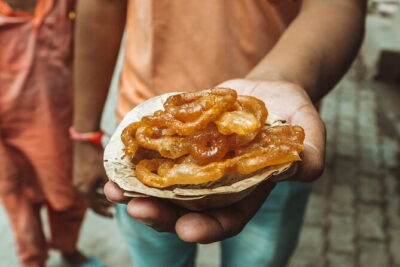
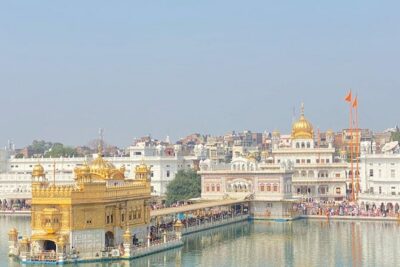
Why this 7:00 pm Amritsar food walk feels easier than going alone
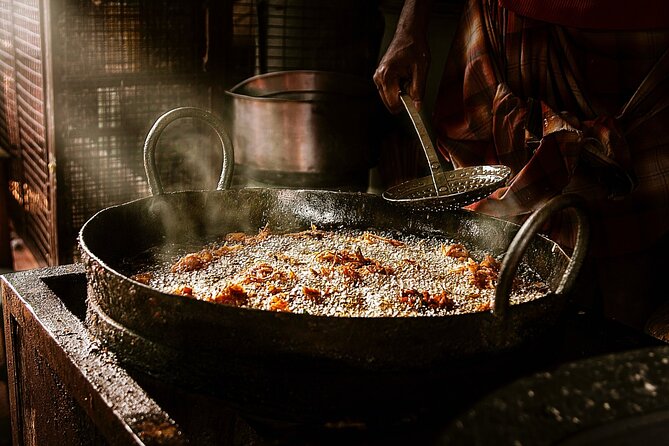
A food walk works best when it solves small problems you do not want to think about. This one starts at 7:00 pm, right when you are likely ready for dinner energy but still have enough time for a focused 2-hour loop. You meet at a clear landmark, then you move on foot through areas that can feel confusing without local help.
The biggest practical win is the route design. You are not just seeing one street with restaurants lined up. You are walking through narrow lanes in the old city, and you do not need to figure out directions, because your guide is leading the way. For me, that is what turns it from food tourism into actual food experience.
I also like that the tour is built around the kind of places that stay known over generations. The tour is designed for you to try small, long-running food spots, including places where the same food has been served for over 100 years. That matters because it shifts the goal from chasing trends to understanding what locals keep returning for.
Lastly, it is small-group by design. The experience lists a small-group limit of eight people and also notes a maximum of 15 travelers. Either way, it is not a big herd, so you get a smoother pace and more time with the guide while you are eating.
Meeting at Maharaja Ranjit Singh, then stepping into Katra Ahluwalia
Your evening starts at the Statue of Maharaja Ranjit Singh, where he is shown sitting on horseback with his sword drawn. It is a useful first anchor: you know exactly where to gather, and it sets a historical frame for the old city areas you will walk into next.
Then you head into Katra Ahluwalia, in the heart of the old city. This is where the “walk through a maze” idea becomes real. Expect narrow alleys and tightly packed lanes, not wide sidewalks. The tour aims to get you to traditional places, including spots that have been part of the area for generations.
Why this stop works: Katra Ahluwalia is not presented as a museum-style view. It is a working neighborhood vibe where the streets matter. A guide helps you move through it without the stress of figuring out where you are, and that is huge when you are trying to enjoy food rather than constantly check your bearings.
A small drawback to keep in mind, especially if you are not a confident walker: this is close-quarter street walking. The route is designed for access, not comfort strolls. If you have mobility limits or you hate tight alleys, this might feel like more effort than you want. But if you can manage short stretches of walking in older lanes, this part is where the “Amritsar feeling” clicks.
Hall Bazaar: more than a market stop, it is the local rhythm
After Katra Ahluwalia, you move to Hall Bazaar, the oldest and biggest market of the city. It dates back to the 1500s, which gives you immediate context for why the market still feels so important. The stop is about 50 minutes, long enough to let the place land, but short enough that you do not lose momentum.
What you are really getting here is not just food. You are getting a sense of how the city’s shopping culture works up close. Hall Bazaar is framed as an adventure of shops and shopkeepers, and that changes how you experience the food later. You start noticing how people move, how they shop, and how the market energy sits next to food life.
Practical angle: if you have ever tried to “order your way” through a market without a plan, you know how easy it is to miss the best options. This stop is handled by your guide. You are not choosing from a chaotic menu while navigating unfamiliar streets. Instead, you are following a route built around places you might not find on your own.
One more thing I appreciate about this structure is timing. You are in the market atmosphere, then you are back to focused eating. It keeps the evening from turning into wandering for the sake of wandering.
More of Amritsar, gurdwara to border
- Amritsar City Tour ( Including Wagah Border Ceremony)★ 5.0 · 262 reviews
- Amritsar Excursion ( Private full day tour)★ 5.0 · 211 reviews
- Wagha Border Tour (Private tour )★ 5.0 · 147 reviews
- Real Village Tour Amritsar★ 5.0 · 145 reviews
- Amritsar Heritage Walking Tour★ 5.0 · 112 reviews
Guru Bazaar and the gold-and-diamond contrast you did not expect
The tour’s final major area is Guru Bazaar, described as North India’s biggest and oldest gold and diamond market. That is a striking shift from the old-city alley maze of Katra Ahluwalia and the general market energy of Hall Bazaar.
Why I think this contrast is valuable: it shows you that Amritsar is not one-note. Your evening is not limited to food-only views. You are pairing what people eat with where people trade, and that gives you a more rounded sense of daily life.
Also, this is exactly the kind of place that can intimidate you if you show up without local guidance. Markets like this can feel very specific and very busy. The guide’s job is to keep the walking route smooth and to connect the surroundings to what you are tasting.
Even if you are not into jewelry or shopping, the viewpoint helps. You get to see how different kinds of commerce sit side by side with the food culture that keeps neighborhoods moving.
And yes, you still come for the food. The tour is organized around small food spots, not just scenery. So the gold-and-diamond setting becomes part of the storytelling, while your stomach stays the main character.
Snacks, bottled water, and the pace that keeps you actually eating
A lot of food tours fail at one simple thing: they make you stop too often. This one reduces friction by including snacks and bottled water. That means you are not spending extra time asking where to buy something mid-walk.
The total time is about 2 hours. That is a sweet spot because it is long enough to feel like you did something meaningful, but short enough that you are not stuck in walking mode for the entire night. You also get clear stop sequencing, with Katra Ahluwalia taking about an hour, Hall Bazaar around 50 minutes, and additional time for the remaining market portion.
From the experience design, the pacing looks intentional. You are walking narrow lanes, then hitting market energy, then finishing in a major trade area. The structure helps you stay engaged instead of feeling like a sequence of random bites.
Come hungry. Several guides on similar formats tend to leave people comfortably full, and this one is designed around “plenty of decent food.” If you are the type who wants to taste without stuffing, you may need to slow your eating rhythm and sip water between tastes. But if you want a full-flavor evening, this setup suits you well.
The guide makes the difference, especially when streets get tight
The tour is sold as a no-language-barrier experience, and that is not just marketing fluff. When you are walking through narrow alleyways, communication matters for two reasons: safety and food choices. Your guide helps you move through the maze and also helps you try food you might not choose on your own.
In past departures, the guide Ram stands out for mixing history and food explanations, and for leading the group down back streets that most visitors would skip. Another name you might hear in this experience is Ravish, noted for strong communication before the tour. That kind of pre-tour clarity matters because it reduces the mental load the moment you arrive.
What should you expect from the guide style? Plan on a mix of practical guidance and contextual storytelling. You are not just tasting things. You are learning what these places represent in the old city, why they exist where they do, and how people think about the food.
If you like food tours where you learn as you eat, this is the right format. If you only want silent chewing and no talking, you might find some explanation intrusive. But for most people, the history thread is exactly what makes the evening feel worth the time.
Price and value: what $28 really buys you
At $28 per person for a 2-hour guided walk with snacks and bottled water, the value is mostly about removing uncertainty. If you tried to recreate this yourself, you would spend time figuring out where to go, which stalls to trust, and how to handle tight navigation in the old city. That time is expensive, even if it does not show up as a line item.
The tour’s value also comes from access to long-running local food spots. The idea is to get you to traditional places with food served for over 100 years in some cases. That is hard to “research your way” to quickly unless you already know what you are looking for.
Small-group size helps too. When you are in a group of just a handful, the guide can keep everyone on track and adapt to what people are willing to try. It is less rigid, more personal.
You also get bottled water, which sounds basic until you are walking in narrow lanes and trying to pace tastings. It is one less purchase decision and one less stop.
Is it a bargain? It is reasonably priced for what you receive, especially because you are not just watching. You are actively eating along the route, with guide-led navigation doing the heavy lifting.
Who should book this Amritsar food walk
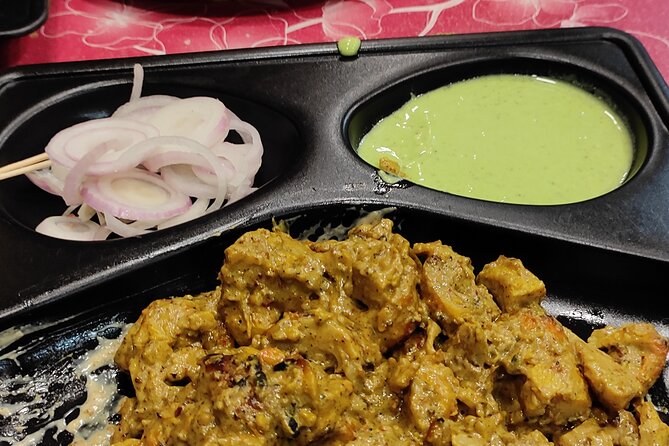
This tour is a good fit if you:
- Want a guided way to experience Amritsar’s old city without constant map-checking.
- Enjoy food that has a long local track record, not only modern menu photos.
- Prefer small groups where you can ask questions while you walk.
- Like cultural context that connects neighborhoods, markets, and what people eat.
It might be less ideal if you:
- Have trouble walking through tight, older lanes.
- Hate weather-dependent plans, since good weather is required.
- Want a very light sampling experience rather than a meal-style outing.
If you are pairing this with other Amritsar sights, this evening slot at 7:00 pm is convenient. It also works well as a standalone activity on a night you want to focus purely on food and local atmosphere.
Should you book this 2-hour Amritsar food walk?
I think you should book it if you want an evening that feels local, not curated at a distance. The combination of guided alley navigation, market-area context, and included snacks and bottled water makes it a low-stress way to taste the old city.
Book it confidently if you like learning while eating, and if you can handle a short walking route in narrow lanes. The high satisfaction rate and strong guide feedback names like Ram and Ravish are a good sign that the format works when the guide is doing the right job.
Skip it if you want a relaxed, do-it-yourself pace, or if weather worries you. Otherwise, this is one of those simple travel wins: you get to eat a lot, learn a little, and waste less time figuring out where to go.
FAQ
How long is the Amritsar Food Walk With Hidden Gems?
The tour runs for about 2 hours.
What time does the tour start?
The start time is 7:00 pm.
Where do I meet for the tour?
You meet at the Statue of Maharaja Ranjit Singh, JVFH+GRF, Town Hall, Katra Ahluwalia, Amritsar, Amritsar Cantt., Punjab 143006, India.
What’s included during the walk?
Snacks and bottled water are included.
How big is the group?
It is a small-group tour with a limit of eight people, and the activity also lists a maximum of 15 travelers.
What is the cancellation and weather policy like?
You can cancel for a full refund up to 24 hours in advance. The experience requires good weather, and if it is canceled due to poor weather, you are offered a different date or a full refund.
Amritsar, More Reviewed Visits




Eating Across Amritsar



Recently reviewed across Amritsar
- Amritsar 1 Day Guided Tour-Golden Temple, Jalliawala Bagh, Wagah
★ 4.5 · 11 reviews - Amritsar Food Crawl
★ 5.0 · 12 reviews - Amritsar Food Tour
★ 5.0 · 12 reviews - Wagah Border Ceremony Half-Day Tour
★ 4.0 · 13 reviews - Guided Heritage Walk of Amritsar
★ 5.0 · 13 reviews - Private Full-Day Amritsar Tour: The Golden Temple & Wagah Border
★ 5.0 · 14 reviews
Amritsar and the Golden Temple, compared.
 ★ 5.0Amritsar City Tour ( Including Wagah Border Ceremony)From $54262 reviews
 ★ 5.0Amritsar Excursion ( Private full day tour)From $60211 reviews
 ★ 5.0Wagha Border Tour (Private tour )From $30147 reviews
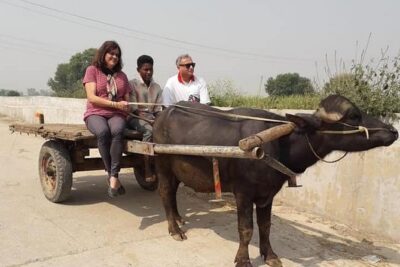 ★ 5.0Real Village Tour AmritsarFrom $18145 reviews
 ★ 5.0Amritsar Heritage Walking TourFrom $16112 reviews
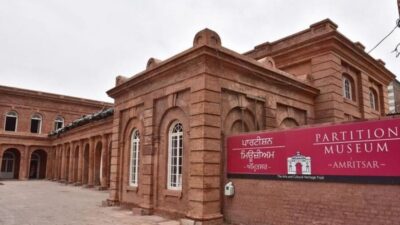 ★ 4.6Small Group Sightseeing Tour with Wagah BorderFrom $4092 reviews
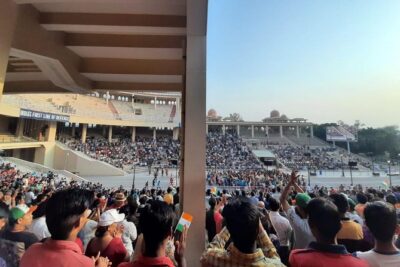 ★ 5.0Amritsar Wagah Border Flag Ceremony.From $3686 reviews
 ★ 5.0Golden Temple Guided Tour (Planet Amritsar Inc.)From $1978 reviews
Browse the lists this tour appears in