
REVIEW · HIKING & TREKKING
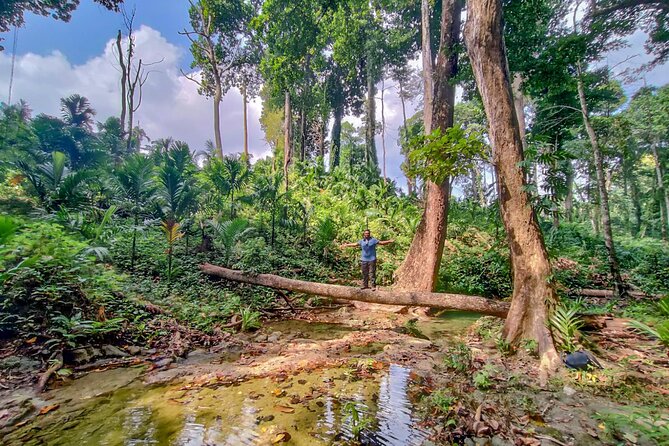
Ancient Lava Stream Trek through dense Tropical forest.
Lava waits in the trees, literally, and this Havelock trek turns that into a walk you can learn from. I love the plant and geology explanations that make the forest feel understandable, and I also like the rope-assisted sections that keep it hands-on instead of just scenic.
You’ll move from coastal forest into an areca nut plantation and then deeper through dense tropical shade to a freshwater stream. One real drawback to consider: the trail can get slippery, and it is not a fit if you have issues with your back, knees, or cardio health.
In This Review
- Key Things to Know Before You Hike the Ancient Lava Stream
- Where This Trek Fits on Havelock Island
- The 1:00 pm Timing and Why It Works
- Coastal Forest to Areca Nut Plantation: A Route With Real Purpose
- Coastal forest: where the island feels close to the sea
- Areca nut plantation: the human side of the forest
- Tropical Dense Forest and the Rope-Assisted Challenge
- Why the ropes and rappelling matter for your enjoyment
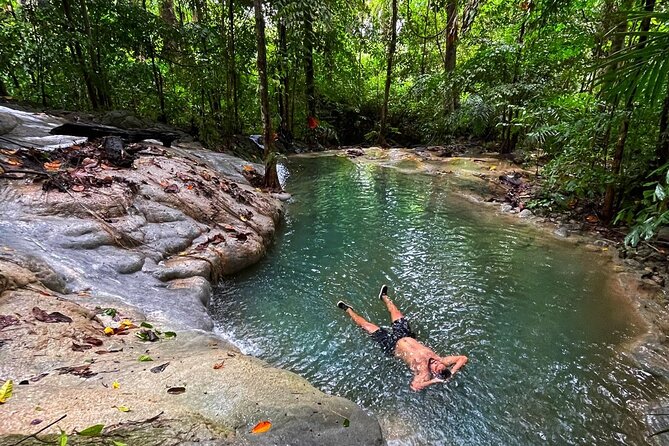
- End at a Freshwater Stream: What Makes the Finish Feel Worth It
- The Lava Stream Concept: How Geology Turns Into Story
- Guide Style and Learning: What You’ll Likely Get From the Group
- Terrain Reality Check: How to Prepare Without Overthinking
- Price and Value: What You’re Paying For
- Logistics That Matter in Real Life
- Who Should Book This Trek (and Who Should Skip It)
- Should You Book the Ancient Lava Stream Trek?
Key Things to Know Before You Hike the Ancient Lava Stream
- Botany and Andaman geology focus: Expect clear explanations tied to what you’re walking through.
- Areca nut plantation stop: You get a peek into beetle nut cultivation and harvesting life.
- Coastal forest to freshwater stream: The route changes character as you go.
- Rope-assisted climbing and rappelling: Some sections are technical and can be slippery.
- Up to 15 people: Small group size keeps the experience more personal.
- Start time is 1:00 pm, about 2.5 hours: Plan your afternoon around it.
Shortlisting? Every Havelock Island trip below went through the same review.

Where This Trek Fits on Havelock Island
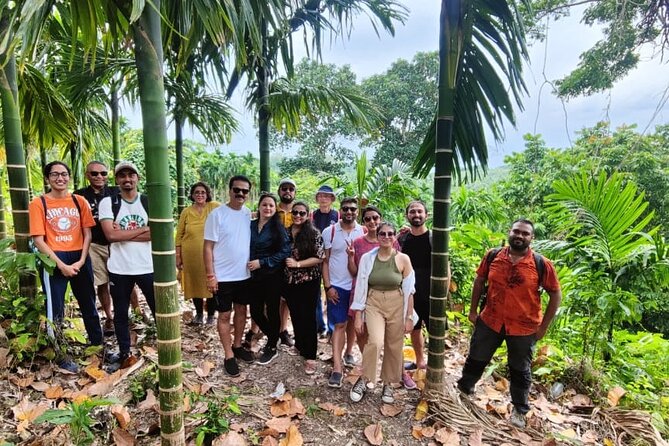
This is a 2 hours 30 minutes trek on Havelock Island, India with a small maximum group size of 15 travelers. The whole thing is built around one idea: you’re not just walking through forest, you’re reading it, including hints of how the islands formed and how wildlife has adapted over time.
The route begins at a spot in Govind Nagar (the meeting point is given as a Google Maps style coordinate string), and it ends back at the same meeting point. That matters because you can treat it like an afternoon activity rather than a half-day expedition that rearranges your whole day.
The 1:00 pm Timing and Why It Works
A 1:00 pm start is great if you want daylight, but you also want your earlier hours on Havelock for beach time, lunch, or scooter browsing. It’s also a smart match for a dense forest trek, because you’re not starting in the dark and you’re not trying to rush through muddy sections at the end of the day.
Also note the “good weather required” reality. If weather turns, you’ll be offered a different date or a full refund. That’s not a minor detail here because the trail includes slippery, rope-assisted parts.
Coastal Forest to Areca Nut Plantation: A Route With Real Purpose
The trek is described as moving through coastal forest, then an Areca Nut (beetle nut) plantation, and onward into tropical dense forest until you reach a freshwater stream. That sequence is more than geography. It gives you three different “windows” into island life.
Coastal forest: where the island feels close to the sea
Coastal forest tends to show you how land and humidity work together. You’ll be moving through dense tropical greenery, and you’ll likely notice how plants and animals behave differently near the coast than deeper inland. This is the start of the “read the forest” theme, since your guide can point out adaptations you’d normally miss.
Areca nut plantation: the human side of the forest
The plantation stop is one of the most practical reasons to book this. You get a peek into the life of people involved in beetle nut plantation and harvesting. That turns the trek into more than biology class. You’re seeing an island livelihood connected to the land you’re walking on.
One of the best parts here is that you’re not just hearing that plantations exist. You’re watching evidence of how farming and the surrounding environment meet. Even without technical agricultural knowledge, it makes the island feel lived in, not staged.
Tropical Dense Forest and the Rope-Assisted Challenge
Once you leave the plantation area, the trek shifts into tropical dense forest. Dense forest on islands can change the whole soundscape, it gets cooler under the canopy, and the ground can be slick. That’s where the trekking gets more active.
This experience includes rope-assisted climbing and rappelling, and the description is clear that parts become slippery. Translation: you’re going to use hands, not just feet. It’s not a casual stroll, even though it’s only a couple of hours.
Why the ropes and rappelling matter for your enjoyment
Some tours hide the hard work behind a vehicle or keep it flat. This one does the opposite. The ropes turn certain trail segments into something you actively navigate, which can make the trek more memorable and more rewarding if you’re comfortable with basic scrambling.
But if you’re carrying even small joint problems, this is the point where you want to be honest with yourself. The tour is specifically noted as not recommended for anyone with physical issues, especially back, knee, or cardio vascular issues, or general weakness.
End at a Freshwater Stream: What Makes the Finish Feel Worth It
The trek ends at a freshwater stream, which is a classic way to give the experience emotional closure. After coastal forest, plantation terrain, and dense canopy walking, the stream gives you a physical reset point.
Freshwater also tends to concentrate different plant and animal activity than the surrounding trail. Even if you’re not a wildlife spotter, you’ll probably find that your senses sharpen here, because the air feels different, and you can see more moisture-driven ground details.
The Lava Stream Concept: How Geology Turns Into Story
The title calls it an Ancient Lava Stream Trek, and the overview adds why that’s not just marketing. You’ll observe evidence of how the islands formed and learn about the history of wildlife on these islands.
That’s the key value for me: the trek connects your feet to the bigger why. You’re not asked to remember a map. You’re guided through a physical landscape that can explain itself through rock, soil, and plant patterns.
Even the review highlight points in this direction. One top review praises the guide for something I think is rare in nature walks: really good explanation on plants and trees and geology of the Andamans. That kind of narrative changes how you experience the same forest. You stop watching just for birds, and you start noticing whole systems.
Guide Style and Learning: What You’ll Likely Get From the Group
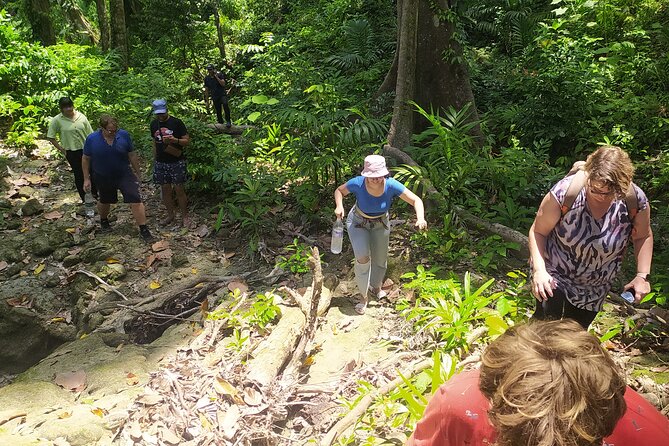
This is operated through the Seashell Habitat Institute Activity Centre, and it’s a small group experience, max 15. That size is important because it gives your guide a chance to explain more without feeling like everyone is slipping away.
The strongest feedback in the review summary lines up with this style: detailed, plant-focused guidance and geology context. If you like learning while you walk, this is a good match. If you only want a quiet nature stroll, the explanations might be either perfect or slightly more talk than you expected.
The good news is that the route itself keeps you moving, so the information comes in chunks while you’re actively looking around.
Terrain Reality Check: How to Prepare Without Overthinking
The trek is described as strenuous, and the rope-assisted parts plus slippery ground are the big clue. The duration is short enough that you can prepare in a practical way without turning it into a long gear checklist.
Here’s what you should plan around based on the provided info:
- Comfortable, grippy footwear is essential because the trail can get slippery.
- Bring a mindset for hands-on movement, since ropes and rappelling are part of the route.
- If you have any back, knee, or cardio vascular concerns, treat the “not recommended” note as a stop sign, not a suggestion.
It’s also a good idea to go into it expecting an active afternoon, not a gentle stroll. When reviews call the hike strenuous, that aligns with the rope and slipperiness details.
Price and Value: What You’re Paying For
The price is listed at $33.56 per person, and it’s described as including all fees and taxes. What’s not included is an air-conditioned vehicle.
So, what are you really buying with the ticket?
- A guided trek through dense tropical forest
- The plantation stop related to areca nut, beetle nut cultivation, and harvesting
- Rope-assisted navigation (climbing and rappelling)
- Structured geology and plant learning
For the value lens, the key isn’t the number alone. It’s that you’re getting a guided experience with technical trail segments and educational context, within a small group cap. If your trip schedule already has time pressure, the short 2.5-hour length is also a value factor. You can fit it in without losing an entire day.
If you’re planning from farther around the island, just remember the lack of an air-conditioned vehicle. You’ll want to cover how you get to and from the meeting point.
Logistics That Matter in Real Life
This tour uses a mobile ticket. That’s convenient, but make sure you have your phone charged and accessible, since the meeting point details are coordinate-based.
Your start is 1:00 pm, and the activity ends back at the meeting point. That return detail helps you plan your next stop without guessing.
Confirmation is received at booking, and there’s a mention of free cancellation. Weather can affect whether the trek happens as planned, and in that case you’ll be offered a different date or a full refund.
Who Should Book This Trek (and Who Should Skip It)
This experience suits you if you:
- Enjoy botany and geology explanations while you walk
- Want to see more than just scenery, including areca nut plantation life
- Are comfortable with a strenuous hike that includes rope-assisted climbing and rappelling
- Prefer a small group setting
You should skip it if you have any physical issues noted in the description, especially back, knee, or cardio vascular problems or general weakness. With slippery trail sections involved, your best travel decision is prevention.
Should You Book the Ancient Lava Stream Trek?
If you want a forest walk that actually teaches you something, and you’re okay with a more active, rope-assisted trek, I’d say this is a strong booking. The highest-rated feedback centers on the guide’s detailed explanations of plants, trees, and Andaman geology, which is exactly what turns a hike into a real experience you take home with you.
But if you’re looking for a gentle, fully accessible stroll, don’t force it. The technical, slippery parts are a deal-breaker for some bodies.
If you’re mentally prepared for ropes, slipperiness, and a short strenuous afternoon, you’ll likely come away thinking it was money well spent.
Recently reviewed across Havelock Island
- Kayaking Mangrove Adventure at Havelock
★ 5.0 · 17 reviews - Hinterland Cycling Tour, Havelock
★ 4.5 · 17 reviews - Exploring the Skies with Newtonian Telescope
★ 5.0 · 31 reviews - Marine Trail
★ 5.0 · 93 reviews
Hiking & Trekking, compared.
 ★ 5.0Mountain Hiking in Munnar (half day) By Munnar InfoFrom $15390 reviews
 ★ 5.0Half day trekking (munnar valley Trekking & Tours )From $8310 reviews
 ★ 5.0Nag Tibba 2 Days Trek (Pantwari to Pantwari)From $24274 reviews
 ★ 5.0Full day in hiking in Munnar (By Munnar Info)From $28176 reviews
 ★ 5.0Wild Elephant Anakulam & Waterfalls Tour(munnar valley Trekking)From $7098 reviews
 ★ 5.0Half Day Hiking in Munnar Trekking TourFrom $1589 reviews
 ★ 5.0Singalila Trek from DarjeelingFrom $47679 reviews
 ★ 5.0Hiking Day Tour to Triund from DharamshalaFrom $3175 reviews
Browse the lists this tour appears in