
REVIEW · COOKING CLASSES
Delhi Kabul Cooking Class
Spice markets meet Afghan home cooking in Delhi. In Malviya Nagar’s Hauz Rani, you’re welcomed into the home kitchen of Faramarz and family to learn how Indian and Afghani flavors mix on the plate. I really like the market-first start, where you shop for ingredients at Malviya Nagar Market before you cook.
I also like that the class is private, so instruction can match your pace and comfort level, and you’ll get the recipes sent after the class. One consideration, the menu can change with seasonal availability, and single-person bookings get the basic menu without dessert.
In This Review
- Key things that make this class work so well
- Spice shopping in Hauz Rani, Malviya Nagar Market
- Entering the Faramarz family kitchen, private and personal
- What you actually learn: Indian and Afghan dishes you can repeat
- The core basic menu (and what it teaches)
- Non-vegetarian option, included where relevant
- Where the flavors come from: market-to-kitchen logic
- Dinner after cooking: the best part is sharing the table
- Dessert detail to keep in mind
- Recipes sent after: your kitchen, tomorrow
- Price and value for a private home-cooking experience
- Timing, meeting point, and how to prepare like a pro
- Who this Delhi Kabul class is best for
- Should you book the Delhi Kabul Cooking Class?
- FAQ
- How long is the Delhi Kabul Cooking Class?
- Where does the class start?
- Is the class a private experience?
- Do you visit a market before cooking?
- What dishes are included in the basic menu?
- Are there lunch and dinner options?
- Are recipes provided after the class?
- Does the menu always stay the same?
- Is dessert included for everyone?
- What is the cancellation policy?
Key things that make this class work so well
- A real neighborhood ingredient hunt at Malviya Nagar Market, evenings only for the market visit
- Private, comfort-level cooking instruction tailored to how you like to learn
- Indian-Afghani crossover dishes like Bangan Curry (Borani Banjan) and dal fry
- A shared family meal where you sit down after cooking, not just snack and leave
- Recipes sent afterward, so you’re not stuck with food memories only
Shortlisting? Every New Delhi trip below went through the same review.



Spice shopping in Hauz Rani, Malviya Nagar Market
If you’ve only seen Delhi from car windows, this starts in a better way. The meeting point is at Malviya Nagar Market, Old Market, Block C, in South Delhi. From there, you go into Hauz Rani, a part of town where Afghan families and Indian neighbors live side by side. It’s the kind of place where food is social, not just fuel.
The first stop is the vegetable market. In this experience it’s described as an evening-only market visit, so plan around timing. You’ll walk with guidance, look at common ingredients used in Indian and Afghan home cooking, and get a sense of how locals put meals together day to day.
What I like about this market start is that it changes your mindset. When you later chop eggplant, measure lentils, or shape roti dough, you’re not guessing. You’re working with ingredients you already saw, asked about, and selected. That makes the cooking class feel practical, not theatrical.
One more useful point, you’re not just touring. You’re preparing ingredients for the meal you’ll cook and eat. That adds motivation and helps the class feel grounded.
Entering the Faramarz family kitchen, private and personal
This is a private class, meaning only your group participates. That matters in Delhi, where a lot of cooking experiences turn into a crowd-management exercise. Here, the focus stays on you and your pace.
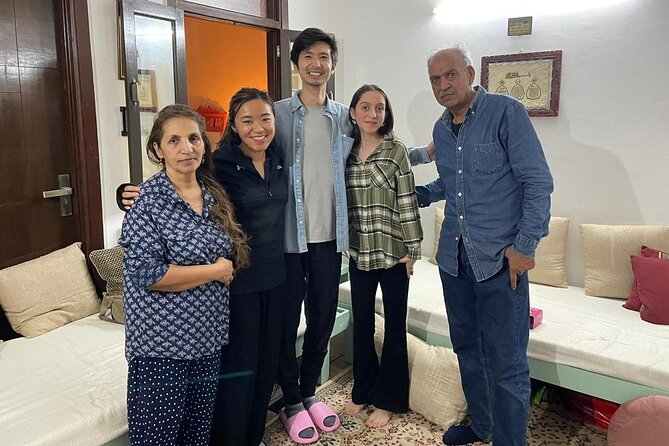
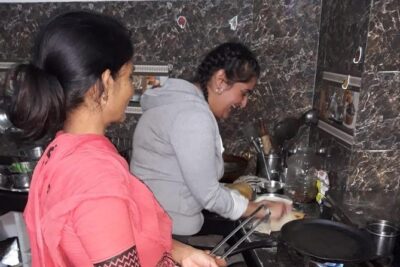
The hosts are part of the family, and the experience is described as being led by Faramarz’s family. You’ll be welcomed into their home setting, and that warmth comes through in the feedback. People highlighted meeting parents and daughters, and also the way the hosts adjusted when someone had a time crunch for a flight. That tells you the family treats the class like a real invitation, not a factory schedule.
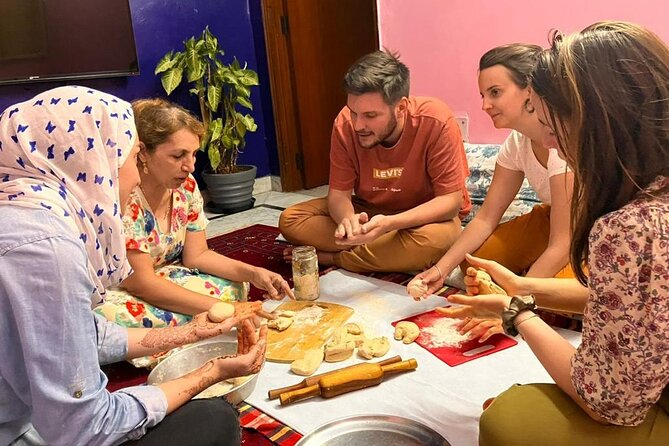
Instruction is hands-on. You’ll cook with guidance through an Indian and Afghani menu, with comfort-level adjustments. The exact order and dishes can vary because the menu can change based on seasonal and market availability, but the core comfort-food lineup stays in view.
Practical reality: a home kitchen has its own rhythm. Expect a lived-in setup rather than a show kitchen. That’s a plus for authenticity. It also means you’ll want to pay attention during the early steps, especially if you’re new to rolling roti or seasoning lentils.
What you actually learn: Indian and Afghan dishes you can repeat
The class is built around a menu that blends Indian and Afghan cooking, so you don’t just learn one style. Even if you’re already comfortable cooking Indian food, you’ll likely notice how the Afghan side feels in the eggplant and spice profile.
- Old & New Delhi City Tour – Half or Full Day Options Available★ 5.0 · 4,811 reviews
- Taj Mahal Tour from Delhi by Express Train (Viator Award Winner)★ 5.0 · 2,849 reviews
- Same Day Taj Mahal, Fort & Baby Taj Tour from Delhi by Car★ 4.9 · 2,534 reviews
- From Delhi: Taj Mahal and Agra Fort Private Sunrise Tour★ 4.9 · 2,270 reviews
- Sunrise Taj Mahal, Agra Fort & Baby Taj Tour from Delhi by Car★ 5.0 · 2,243 reviews
The core basic menu (and what it teaches)
The basic menu includes:
- Tea
- Bangan Curry (Borani Banjan), an eggplant dish with Afghan-Indian flavor overlap
- Daal Fry, a lentil dish
- Chicken Curry for non-vegetarian options
- White Rice
- Roti (chapati)
This set is clever for a few reasons. You learn a vegetarian centerpiece with the eggplant curry, you learn the technique of lentils for daal, and you get the bread component with roti. Then you have a rice base that helps you understand how to balance curry thickness with starch.
Also, tea shows up as part of the rhythm. It’s not a random add-on. It’s there because in many home kitchens, tea is part of the welcome and the reset between steps.
Non-vegetarian option, included where relevant
The plan notes chicken curry for non-vegetarian participants. If you eat meat, you’ll get that cooking step as part of the meal. If you don’t, the experience still gives you the vegetarian dishes in the basic menu.
Because the menu can change with seasonal availability, don’t treat the list as a guarantee of identical dishes every day. But you can confidently expect the class will teach the same comfort-food logic, with some substitutions when ingredients are better at the market.
Where the flavors come from: market-to-kitchen logic
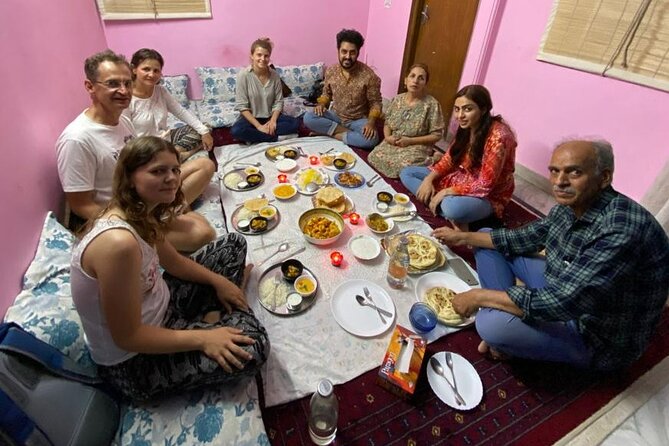
This is one of those classes where the sequence makes a difference. You start at the vegetable market, then head into the kitchen. That turns the ingredients into something more than props.
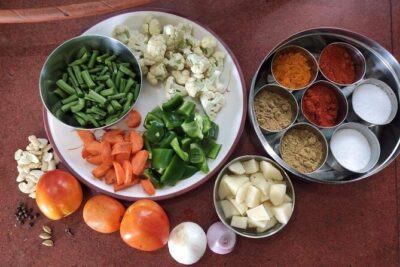
When you shop, you get exposed to the kinds of produce used for curries and sides. Then when you cook, your choices make sense. For example, eggplant is easy to cook badly if you don’t handle it right. Seeing the produce first helps you understand what to look for in texture and size, even if the guidance is simple.
With lentils, the skill is in seasoning and simmer control. Daal fry is a great teaching dish because it’s forgiving enough for beginners but complex enough to reward attention. Rice and roti also matter, because they show you how your sauces should behave in a real meal, not just in the pot.
If you like practical cooking, this structure is satisfying. If you came for a photo-heavy experience, this might feel more about work than performance. But that is exactly why it’s often recommended.
Dinner after cooking: the best part is sharing the table

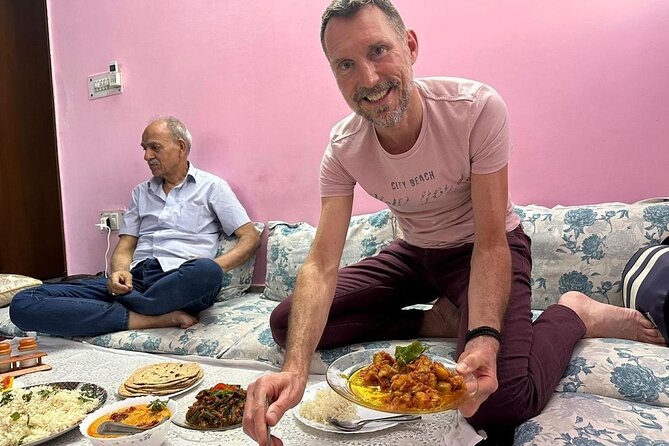
After class, you and your hosts sit down to eat what you cooked. That shared meal is a core part of the experience. You’re not leaving right after plating. You’re tasting your own work in a home setting, and that’s where the lessons “lock in.”
In the feedback, people described the overall experience as heartwarming and belly-filling. They also talked about the family being happy to cook with you and share stories. That part is hard to capture in a listing, but it shows up in how the hosts behave, especially when someone is short on time.
One practical thing to know: there’s a note that menu details can vary with the season. That’s normal for home cooking. It does mean you might not get the exact same dishes someone else had on a different date.
Dessert detail to keep in mind
Single-person bookings are noted as receiving only the basic menu, without dessert. If you’re booking solo and really care about dessert, plan accordingly. If you’re coming with someone, the experience indicates dessert may be part of the plan when you’re not in the single-person category.
Recipes sent after: your kitchen, tomorrow
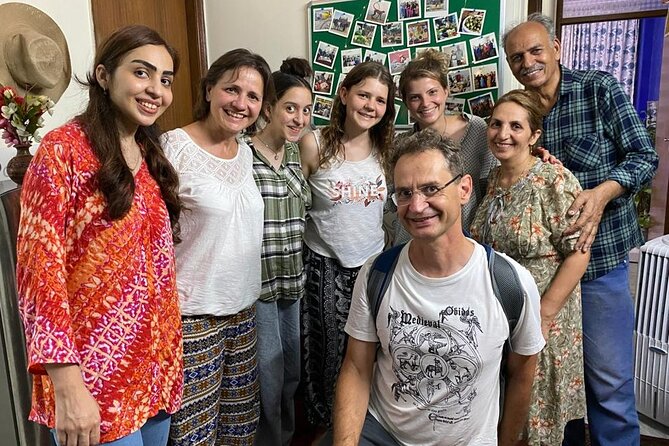
A big reason I’d book this again is the promise that recipes will be sent after the class. That turns a short 3-hour experience into something you can use later.
In real life, cooking lessons fade fast unless you have notes. Written recipes help you reproduce the dish without relying on memory. And since the menu can change seasonally, having your specific recipe set sent afterward is extra helpful.
The recipes also make it easier to cook for friends back home and explain what makes the Indian-Afghani blend interesting. You’re not just serving food, you’re sharing context.
Price and value for a private home-cooking experience
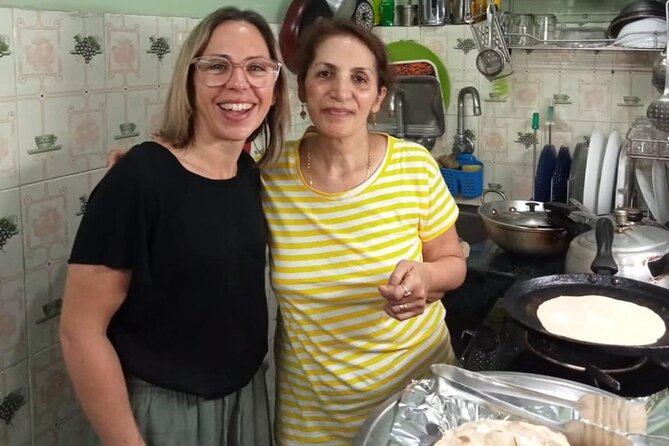
The price is listed at $52.90 per person, with an average booking window of about 79 days. That advance booking detail matters because it suggests this class can fill up or at least gets scheduled thoughtfully.
Is it good value? For me, the value comes from four things you typically pay extra for separately elsewhere:
- A private group format
- A market visit tied directly to what you’ll cook
- A full meal where you cook and eat together
- Follow-up recipes sent afterward
Also, you’re paying for instruction that adjusts to comfort level, not just a one-time demonstration. If you’ve ever taken a cooking class where the food is good but you leave still unsure what you did, this is designed to fix that.
Duration is about 3 hours, which is a good length for people who want something meaningful without giving up an entire day.
Timing, meeting point, and how to prepare like a pro
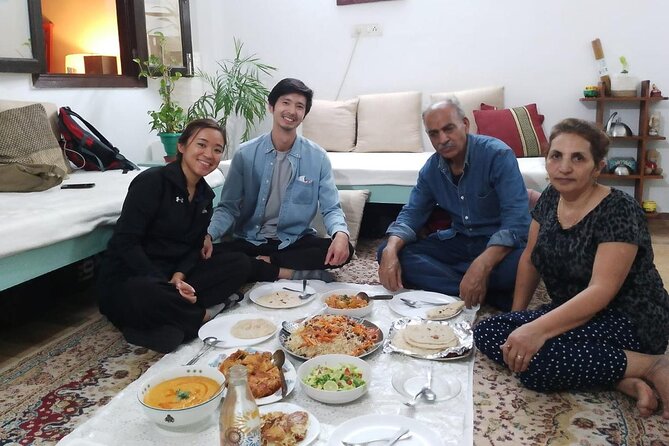
This experience starts and ends at the meeting point, which is Malviya Nagar Market. The market visit is noted as evening-only, and the local hours are listed as Monday through Friday from 12:00 PM to 9:00 PM. Since your class duration is about three hours, you’ll want to arrive with enough time to shop and cook without feeling rushed.
Also, lunch and dinner options are available. That gives you flexibility depending on where you are in your Delhi day.
What should you bring? Nothing fancy. Wear comfortable clothing you can move in, since you’ll be working around a home kitchen setup. If you have dietary questions or allergies, raise them when you book or at the start of the class, especially since the menu can change with seasonal availability.
One more practical note: the experience uses a mobile ticket, and confirmation happens at booking. That’s usually convenient, especially if your plans shift slightly while you’re in town.
Who this Delhi Kabul class is best for
You’ll get the most from this if you like food as a way to understand a place, not just as a break from sightseeing. This is ideal for:
- People who enjoy hands-on cooking and want to learn technique, not only taste
- Anyone curious about the way Afghan flavors and Indian cooking overlap
- Visitors who prefer a home-family setting over a commercial kitchen
- Solo or couples who want a structured experience that still feels personal
If you’re coming with a tight schedule, the family’s accommodating nature is a hopeful sign. One person in feedback mentioned being rushed for time due to a flight, and the hosts adjusted. Still, you should plan for real human pace, not just a rapid checklist.
Should you book the Delhi Kabul Cooking Class?
If you want a cooking class that teaches real dishes, connects you to ingredients first, and ends with an actual family meal, I’d say yes, book it. The combination of a private format, market shopping in Malviya Nagar, and recipes sent afterward is a strong package for the price.
Book it especially if you care about Indian and Afghan crossovers like Borani Banjan and dal fry, and if you like the idea of leaving with both skills and a paper trail for your next home-cooked attempt.
If you’re someone who only wants a strict, fixed menu with no seasonal changes, or if you’re booking solo and dessert matters, you might feel a little limited by the basic-menu note. But even then, you’re still learning a full meal worth of cooking steps.
FAQ
How long is the Delhi Kabul Cooking Class?
It runs for about 3 hours.
Where does the class start?
The meeting point is Malviya Nagar Market, Old Market, Block C, New Delhi.
Is the class a private experience?
Yes. It’s a private tour/activity, and only your group participates.
Do you visit a market before cooking?
Yes. You’ll start with a guided visit to the local vegetable market in Malviya Nagar, and the market visit is described as evenings only.
What dishes are included in the basic menu?
The basic menu includes tea, Bangan Curry (Borani Banjan), dal fry, chicken curry for non-vegetarian options, white rice, and roti.
Are there lunch and dinner options?
Lunch and dinner options are available.
Are recipes provided after the class?
Yes. Recipes will be sent to you after the class.
Does the menu always stay the same?
No. The menu may change based on seasonal and market availability.
Is dessert included for everyone?
For single-person bookings, only the basic menu is provided without dessert.
What is the cancellation policy?
You can cancel for free up to 24 hours in advance of the experience’s start time for a full refund.
Recently reviewed across New Delhi
- Golden Triangle – Delhi Agra and Jaipur
★ 5.0 · 10 reviews - Taj Mahal & Agra Tour by Indian Bullet Train All Inclusive
★ 4.5 · 10 reviews - Private Tour in Mehrauli Archaeological Park & Qutub Minar
★ 5.0 · 10 reviews - Old & New Delhi Tour
★ 5.0 · 10 reviews - From Delhi : Taj Mahal & Agra Fort Tour by Luxury Express Train
★ 5.0 · 10 reviews - Delhi Shopping Tour: Top Bazaars, Crafts & Souvenir Finds
★ 5.0 · 10 reviews
Cooking Classes, compared.
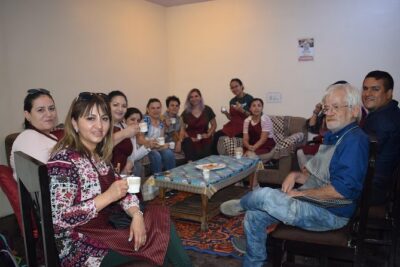 ★ 5.0Pink City Cooking ClassFrom $27452 reviews
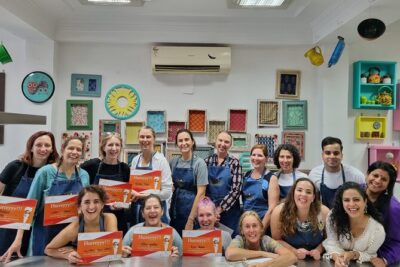 ★ 5.0Five Course Cooking Class & MealFrom $60250 reviews
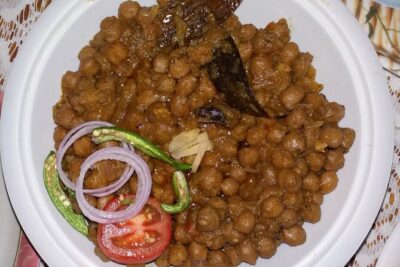 ★ 5.0Veg and Non veg : Private Cooking Class in Delhi home (7 meal)From $47226 reviews
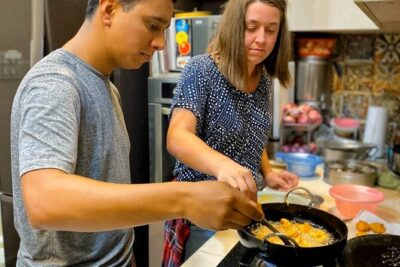 ★ 5.0Indian Cooking Class in an Authentic Local Home – Learn 6 DishesFrom $50195 reviews
 ★ 5.0Durga Cooking ClassFrom $15159 reviews
 ★ 5.0Private Guided Cooking Workshop Experience in JodhphurFrom $36158 reviews
 ★ 5.0Jaipur Market Tour & Vegetarian Rajasthani Home Cooking ClassFrom $60113 reviews
 ★ 5.0Cooking Class in Jaipur – Family Experience with Meal & TransportFrom $29101 reviews
Browse the lists this tour appears in