

REVIEW · HIMACHAL HILL STATION TOURS
Discover the Colonial Trails of Shimla- Guided Walking Tour
Colonial Shimla is best seen on foot. This 2-hour guided walking tour threads together Viceregal Lodge, Gorton Castle, and a hilltop temple finish with a storyteller who keeps things moving. I especially like the chance to start at Rashtrapati Niwas, also called Viceregal Lodge, and see how the British-era power center shaped Shimla’s layout. One consideration: the route ends at Kali Bari Temple on Jakhoo Hill, so be ready for a bit of uphill walking.
The second thing I really like is how the guide balances “what you’re looking at” with human stories, so history never feels like a worksheet. Guides such as Dev, Jagdeep ji, or Sunny Thakur are praised for being attentive and for sharing the right amount of detail in English and Hindi. At $14 per person for a compact tour, it’s a good value if you want a high-impact overview without spending half a day hopping between sites.
In This Review
- Key highlights
- Entering Shimla’s Colonial Trails in 2 Hours
- Rashtrapati Niwas to the Himalayan Bird Park, Starting High
- Himachal State Museum and Vidhan Sabha Chowk, Where Local Art Meets Colonial Footprints
- Gorton Castle’s Neo-Gothic Drama and St. Michael’s Cathedral Views
- The Shimla-Kalka Railway Track, a Real Trace of Craft
- Jakhoo Hill and Kali Bari Temple, Ending With a Spiritual Center
- Value, Who It Suits, and Simple Tips That Make It Better
- Should You Book Colonial Trails of Shimla?
- FAQ
- How long is the Colonial Trails of Shimla guided walking tour?
- Where does the tour start?
- What languages are offered for the live guide?
- What are the main places you visit?
- What is included in the price?
- Is a water bottle included?
- What should I bring and wear?
Key highlights
- Rashtrapati Niwas (Viceregal Lodge) on Observatory Hills, Shimla’s colonial centerpiece
- Gorton Castle and its 19th-century neo-Gothic look, a standout photo stop
- Himalayan Bird Park for quick bird-spotting and easy picture moments
- Himachal State Museum with Pahari-influenced coins, paintings, and handicrafts
- Shimla-Kalka railway track as a tangible British-era craftsmanship reminder
- Kali Bari Temple on Jakhoo Hill, dedicated to Goddess Kali since 1845
Other hill station stays reviewed
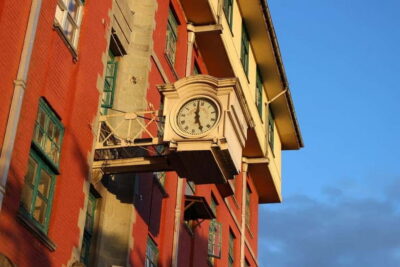
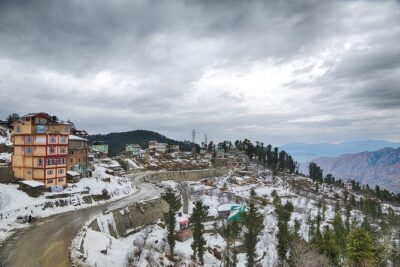

Entering Shimla’s Colonial Trails in 2 Hours
Shimla is spread out and steep, which makes “trying to do everything” on your own a little painful. This tour fixes that by moving through a tight loop that links colonial buildings, heritage lanes, and one spiritual finale. You get a real sense of how Shimla’s British era still shapes where people walk, shop, and gather today.
At about 2 hours, the pace is friendly for first-timers. It’s long enough to see multiple architectural styles, but short enough that you still have energy left for the market streets after. The guide also uses an infotainment style, so you get context without feeling dragged into constant lectures.
The price is also part of the logic. At $14 per person, you’re paying mainly for guided storytelling and access to small lanes and lesser-seen corners, not for a long museum day. If you’re curious about Shimla’s colonial chapter but don’t want to spend hours planning, this format makes sense.
Rashtrapati Niwas to the Himalayan Bird Park, Starting High
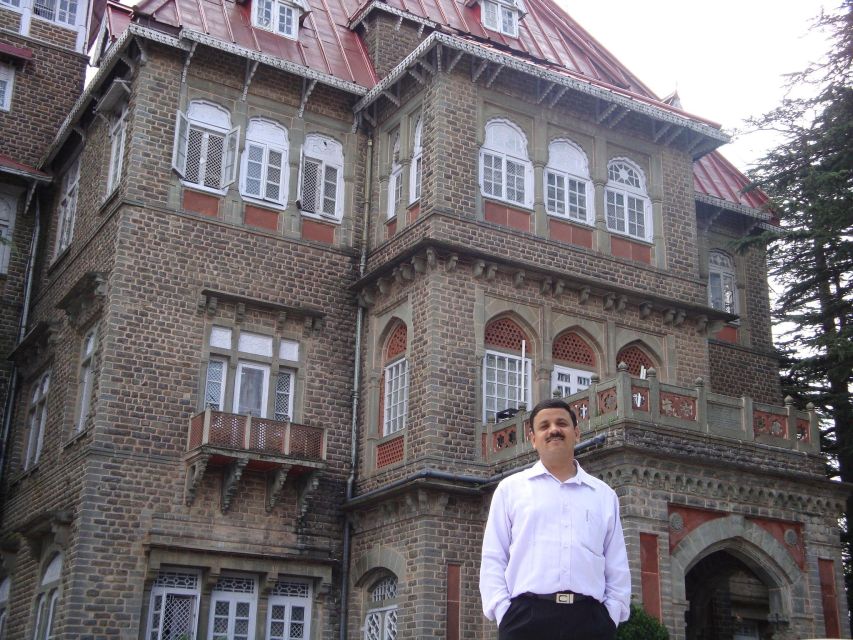
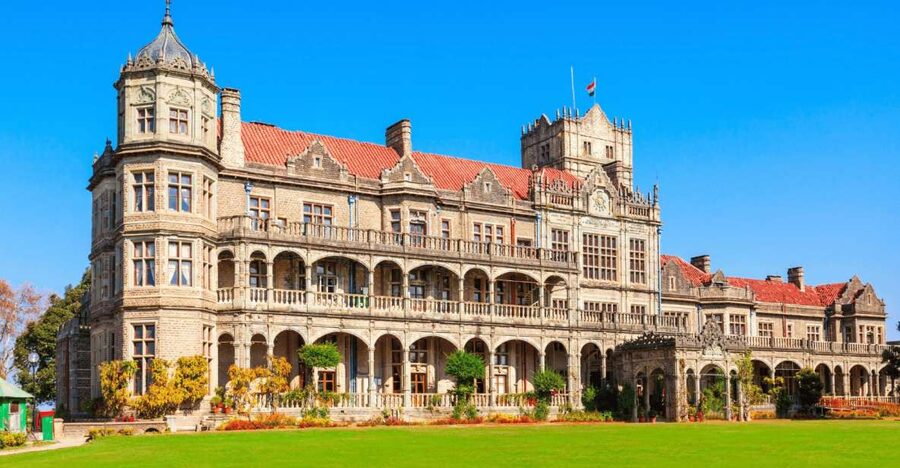
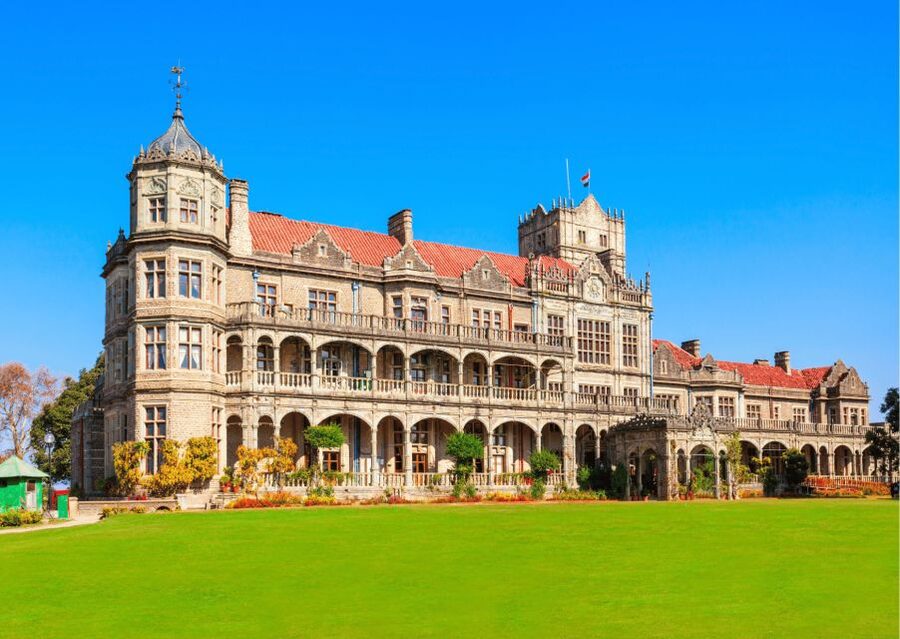
The tour starts at Viceregal Lodge, officially Rashtrapati Niwas, on Observatory Hills. This matters because you’re not just walking around old stone, you’re starting at the place that once hosted the British Viceroy of India. From there, the guide can explain the “why” behind the streets and viewpoints, and you’ll understand how power and scenery were mixed on purpose.
From the lodge, you head toward the Himalayan Bird Park. It’s a quick stop, designed for sightseeing and photos. You’ll see a modest but colorful collection of Himachal state birds, which is a refreshing break from architecture and gives you something different to focus on.
Practical tip: wear comfortable clothes and shoes with decent grip. Shimla’s footpaths can be uneven, and you’ll appreciate footwear that lets you move confidently without rushing.
Himachal State Museum and Vidhan Sabha Chowk, Where Local Art Meets Colonial Footprints
Next comes the Himachal State Museum, where the emphasis is on objects rather than just labels. You can expect collectibles like ancient coins, paintings, and handicraft items, with aesthetics influenced by the Pahari form of art. This is a smart pairing with the colonial buildings because it shows how local identity shaped what people collected, designed, and valued in the broader Shimla story.
You’ll also get quick context for why these items matter. Coins and paintings help you read time periods, while handicrafts connect you to everyday creativity. Even if you’re not a museum person, the guide’s job here is to point out what to look for so you don’t just stand in front of glass cases thinking, I have no idea where to begin.
After the museum, the route passes by Vidhan Sabha Chowk, including Shimla Vidhan Sabha heritage buildings and an older library. This section is more about orientation than a long visit. It helps you understand where civic life and administration sat in the city, and it gives you landmarks you can later spot again while you wander on your own.
Gorton Castle’s Neo-Gothic Drama and St. Michael’s Cathedral Views
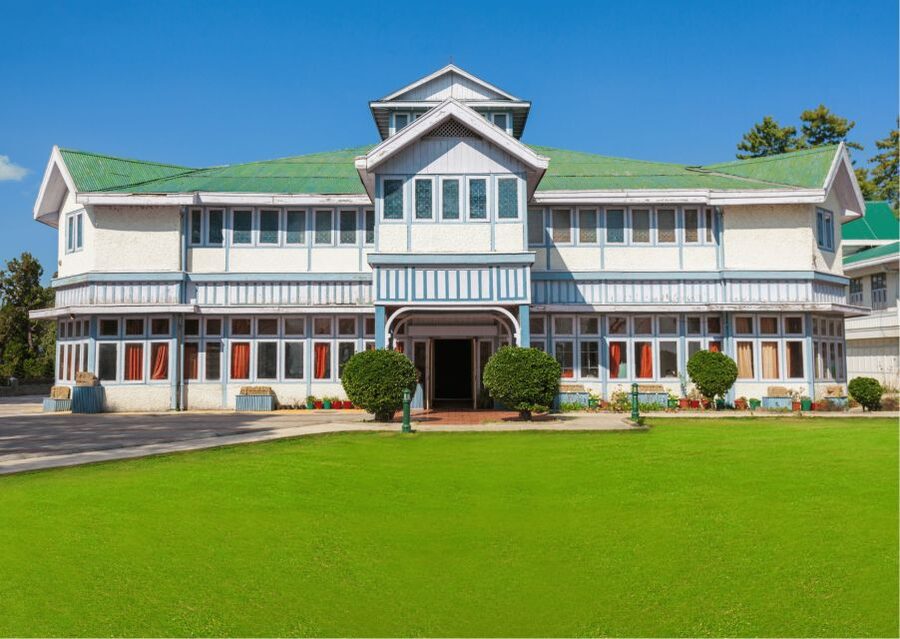
Then the tour leans hard into architecture. You’ll visit Gorton Castle, built in the 19th century and known for its neo-Gothic architecture. Neo-Gothic is all about drama, with pointed shapes and a “storybook” medieval feel. In Shimla’s hill setting, it can look almost staged, which makes it a great stop if you like buildings that you can read visually.
The real value here is interpretation. A good guide explains what the style is trying to communicate, and how colonial planners imported tastes and forms into a place with its own strong local character. That’s the difference between seeing a building and understanding why it looks the way it does.
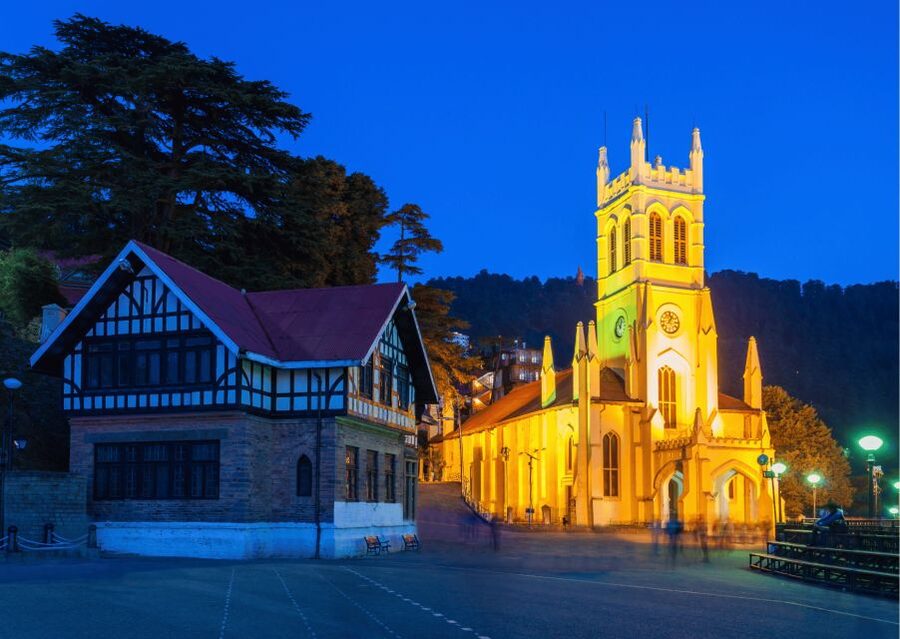
As you continue, you pass the Shimla-Kalka railway track, an important witness of British craftsmanship. You also get mention of St. Michael’s Cathedral, known for French-Gothic style. Even if you only get a pass-by moment, it’s enough to connect architectural dots: the British used different European styles around Shimla, and the city became a living mix of design languages.
Camera note: these are stops where your phone camera will do fine, but you’ll want to keep it ready while you’re walking between points. The angle changes quickly in Shimla, especially on slopes and corners.
The Shimla-Kalka Railway Track, a Real Trace of Craft
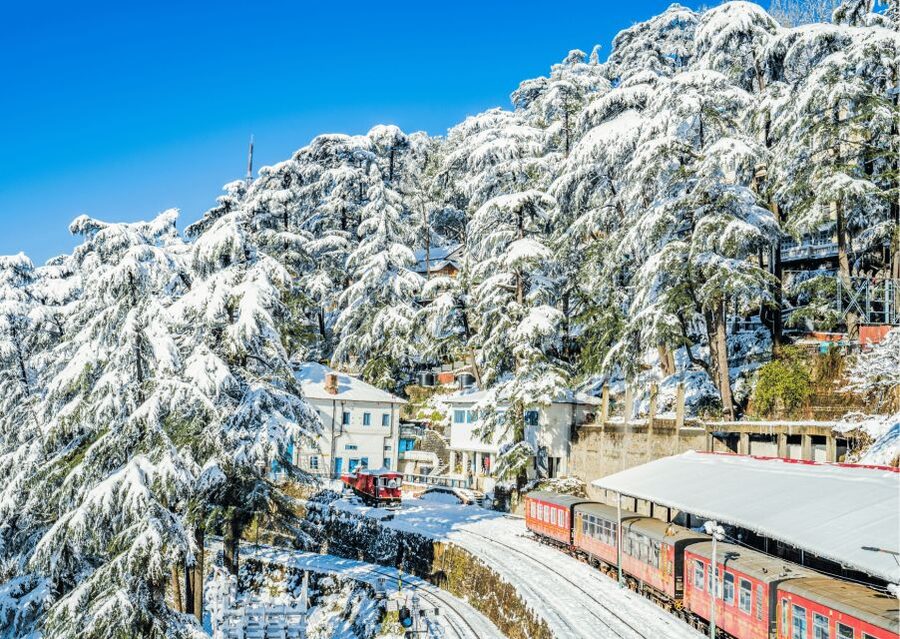
One of the tour’s quieter strengths is treating the Shimla-Kalka Railway track like a story, not just a background element. The description frames it as a key witness of British craftsmanship, which is helpful. You’re not being asked to become an expert on rail history, just to notice that the track represents engineering effort, planning, and long-term impact.
What I think makes this worthwhile for you is how it ties together the whole theme. Colonial power was not only expressed in grand buildings like Viceregal Lodge. It also depended on systems that moved people, goods, and influence through the mountains. Seeing the track along the walk helps you feel that bigger picture without a single textbook page.
If you’re the type who likes “one tangible thing” to anchor your trip memories, the railway track does that job well.
Jakhoo Hill and Kali Bari Temple, Ending With a Spiritual Center
The final stretch is the most atmospheric part of the walk. You end at Kali Bari Temple on Jakhoo Hill, dedicated to Goddess Kali and built in 1845. Even if you’re not deeply religious, this stop offers something different from the colonial stops: a living place of worship that’s been around for a long time.
Because it’s a hilltop temple, it also changes your pace mentally. After walking among administrative buildings, castles, and heritage structures, you reach a space focused on devotion. The tour’s timing keeps it from feeling like an afterthought. It feels like a closing scene.
One practical consideration: you should plan for the hill itself. The tour includes the temple visit within the 2-hour total time, so the route is not designed as a slow hike. Comfortable clothes help, and taking a breath when you need it is completely fine.
Value, Who It Suits, and Simple Tips That Make It Better
Let’s talk value honestly. At $14 per person for a guided 2-hour walk, you’re getting:
- a trained storyteller guide speaking English and Hindi
- access to hidden lanes and places
- practical local tips and recommendations to save money and explore
- conversation and story-driven interpretation
That’s a lot for a short time. The tour feels like a smart “get oriented” experience, especially if you’re visiting Shimla for the first time or you only have a limited window. If you already planned separate time for markets and viewpoints, this walking tour can act as your historical backbone.
Who it suits best:
- first-time Shimla visitors who want architecture and context without a long itinerary
- people who like stories, not just facts
- couples or solo travelers who enjoy small group walking pace
- anyone who wants to mix colonial-era sites with a temple finish
A few simple tips so you enjoy it more:
- bring or plan to buy your own water bottle, since it is not included
- wear comfortable clothes and shoes that handle uneven paths
- keep your camera ready at architectural stops like Gorton Castle and the cathedral pass-by points
- if you like Q and A, this format makes it easy to ask while you’re walking
Should You Book Colonial Trails of Shimla?
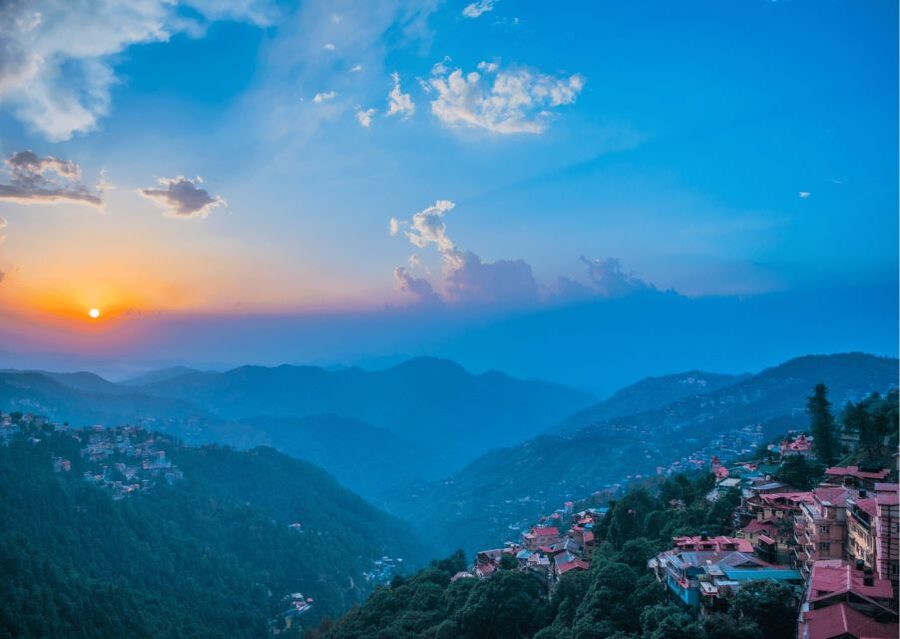
I’d book it if your goal is a compact, story-led overview of Shimla’s colonial and heritage layers. The mix of Rashtrapati Niwas, Gorton Castle, museum objects tied to Pahari art, and a finish at Kali Bari Temple creates a full-circle route that doesn’t feel one-note.
You might skip it if you want a long, slow sightseeing day with lots of time inside buildings. This tour is built for movement and interpretation, and the hilltop ending means you should be comfortable with a bit of walking.
If you’re aiming for value, good guidance, and a walk that actually helps you understand the city you’re seeing, this is a strong choice.
FAQ
How long is the Colonial Trails of Shimla guided walking tour?
The tour lasts about 2 hours.
Where does the tour start?
It starts at Viceregal Lodge (Rashtrapati Niwas) on Observatory Hills of Shimla.
What languages are offered for the live guide?
The guide speaks English and Hindi.
What are the main places you visit?
You visit Rashtrapati Niwas (Viceregal Lodge), Himalayan Bird Park, Himachal State Museum, the Shimla Vidhan Sabha area and an old library (pass by), Gorton Castle, the Shimla-Kalka railway track (pass by), St. Michael’s Cathedral area (pass by), and end at Kali Bari Temple on Jakhoo Hill.
What is included in the price?
Included are a friendly storyteller/guide who can speak English and Hindi, local tips and recommendations, access to hidden lanes and places, and engaging conversations and stories.
Is a water bottle included?
No, a water bottle is not included.
What should I bring and wear?
Wear comfortable clothes. Bringing your camera is also a good idea, since there are photo opportunities throughout the walk.
More Himachal Hill Stations

Recently reviewed across Shimla
- Discover the Colonial Trails of Shimla- Guided Walking Tour
★ 4.9 · 10 reviews - Private tour of Shimla city & Kufri
★ 5.0 · 11 reviews - Shimla: Guided Walk Tour-Heritage, Culture & Colonial Trail
★ 4.7 · 28 reviews - Guided Heritage Walk Tour in Shimla
★ 5.0 · 40 reviews
Himachal Hill Station Tours, compared.
 ★ 5.0Hiking Day Tour to Triund from DharamshalaFrom $3175 reviews
 ★ 5.0Shimla Private Guided Walk Tour exploring the colonial trailsFrom $1666 reviews
 ★ 5.0Private 6 hrs Mcleodganj & Dharamshala City TourFrom $4565 reviews
 ★ 5.0Shimla Manali PackageFrom $25057 reviews
 ★ 5.0Amritsar Dalhousie Dharamshala 6 Days TourFrom $35855 reviews
 ★ 5.0Unique Shimla and Manali tourFrom $25047 reviews
 ★ 5.0Guided Heritage Walk Tour in ShimlaFrom $3140 reviews
 ★ 5.0Private 7 Days Shimla Manali Hill Stations Tour From ChandigarhFrom $45030 reviews
Browse the lists this tour appears in