
REVIEW · INDIA
Farm to Table: With a local farmer family
Cooking starts in the dirt. This farm-to-table experience on the outskirts of Udaipur mixes a short village walk with hands-on food work, then ends with a proper group meal. You also get a feel for local rhythms through mustard fields, chickpea crops, and the smells that come with real farming.
Two things I really like are the farm tour plus temple and devra stops, and the way you get to join the process instead of just watching. You pluck fresh veggies with local farmers, then move into an open-air kitchen to learn how key dishes come together.
One thing to consider is logistics: conveyance is not included, and the activity is rural, so you may want help getting there, especially if you are also hoping to reach nearby village sights.
In This Review
- Key highlights worth your attention
- Farm-to-table near Udaipur: what the 2 hours really feel like
- Getting picked up and finding your hosts on the outskirts
- Farm welcome plus a short walk to temples and devras
- Learning farming hands-on, from mustard fields to chickpea flour
- Spice lesson in the open-air kitchen
- Your Rajasthani meal: Dal Bati, saag, dumplings, and chaas
- Culture extras: artisans, musicians, and possible village sights
- Price and value: why $21 can feel like a bargain
- Who should book this, and who should skip it
- My take: should you book it?
- FAQ
- What is the duration of the farm-to-table experience?
- What is the price per person?
- Is food included?
- Is transportation included in the price?
- Where is the experience located?
- Who will meet me at the start?
- What languages are spoken by the host or greeter?
- What can I expect to eat and drink?
- What are the cancellation and payment options?
Key highlights worth your attention
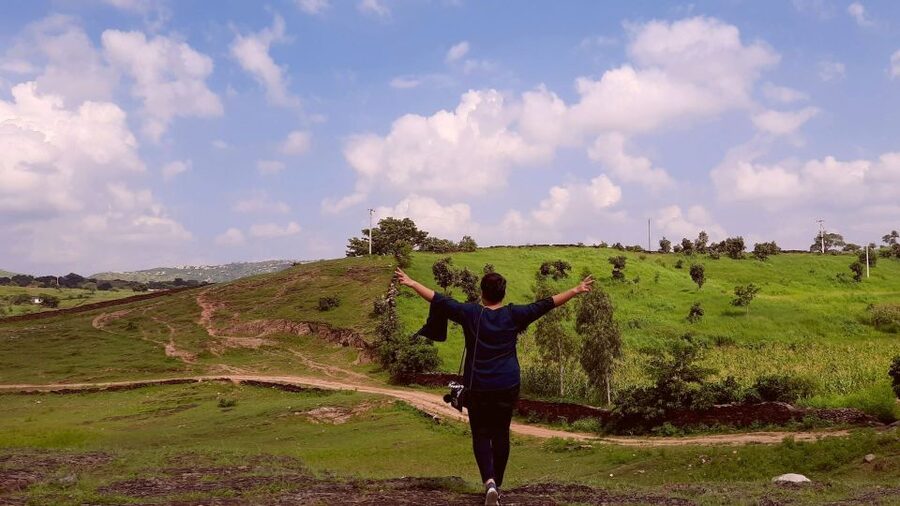
- Farm walk to temples and devras, timed for an easy, short stroll
- Pluck-and-cook farming moments, with local farmers guiding what to pick
- Spice-making lesson, before you touch the dough and the pots
- Open-air cooking with wood-fired clay-oven batis, plus dumplings and saag
- Meal under a neem tree, served with chaas (yogurt buttermilk) and snacks
- Artisans and musicians adding a cultural layer to the day
Shortlisting? Every Udaipur trip below went through the same review.



Farm-to-table near Udaipur: what the 2 hours really feel like
This is a 2-hour experience built for people who want the real connection between fields and the plate, without needing a half-day schedule. You start with a warm village-style welcome, then shift into farmland, then the cooking. The whole arc feels simple, but it is thoughtfully paced so you do not just run from one thing to the next.
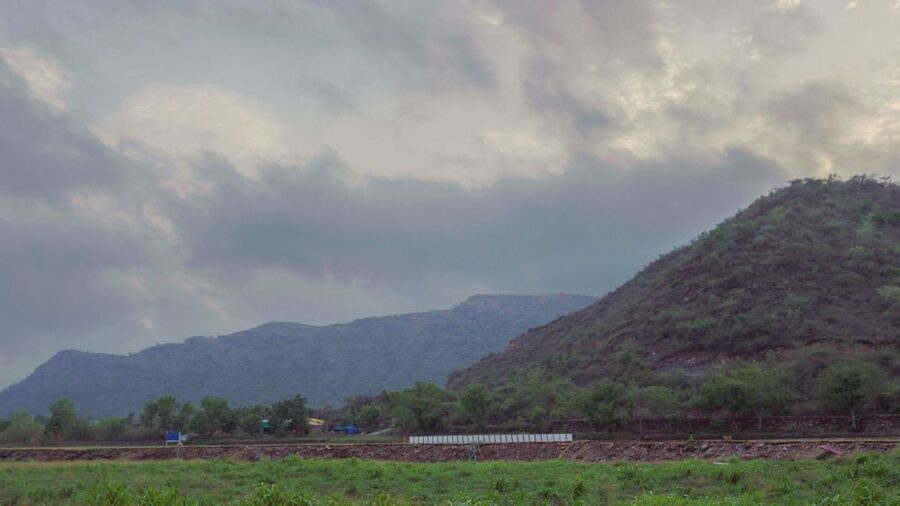
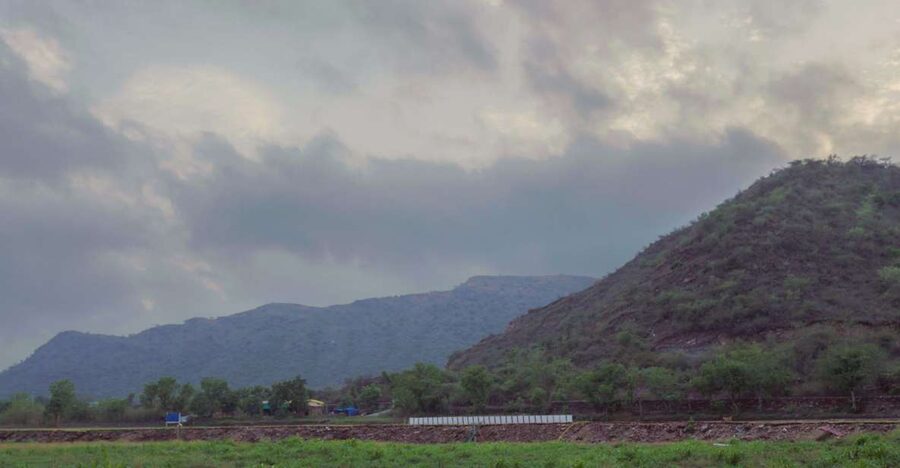
You should expect a mix of outdoor time and food time. The outdoor part includes walking through crops like mustard greens and chickpea-growing areas, plus visits connected to local worship spaces like temples and devras. Then the day moves into a cooking area where you learn spice prep and help make dishes.
The end result matters here. You are not paying for a lecture. You are paying for a group meal that matches the cooking lesson, with dishes like Dal Bati Churma, Sarson Ka Saag, and Gatte Ka Saag, plus the traditional chaas drink.
Getting picked up and finding your hosts on the outskirts
Your host meets you at the designated meeting point, and the experience is on the outskirts of Udaipur. Conveyance is not included, so you will likely need your own arrangement or assistance to reach the venue.
If you are staying in central Udaipur, plan extra time to get out there. Rural travel can be slow, and dirt roads are normal. If you need help, the provider can arrange a vehicle, but charges are handled separately.
This logistics piece is not glamorous, but it affects your day more than you might think. If you arrive late or stressed, you lose the relaxed feel that makes these farm experiences work. If you are careful with timing, the welcome and the first farm smells feel like a real reset.
Farm welcome plus a short walk to temples and devras
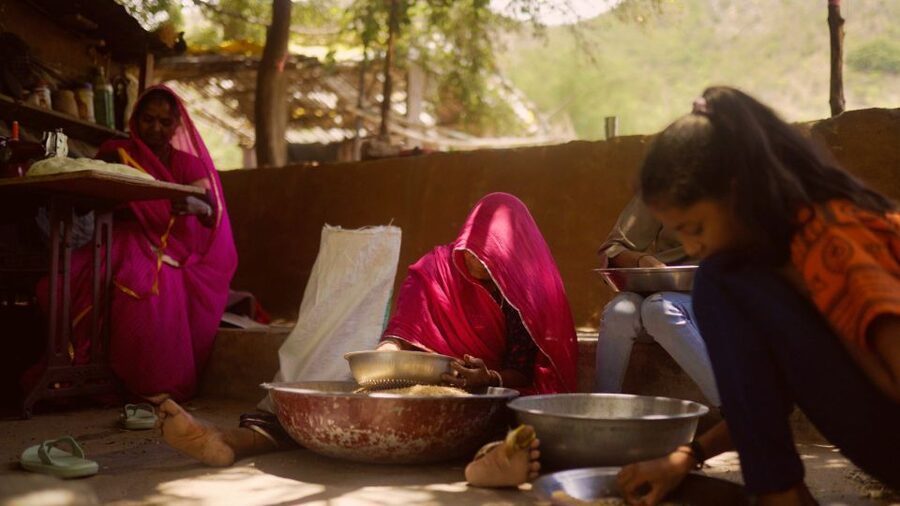
After you arrive, the day usually starts with a friendly greeting from villagers around the countryside. From there, you go on a short walking tour that takes in local temples and devras.
Why this matters: these stops give context to the food. Farming in Rajasthan is not just a job you do and forget. It is tied to daily life, community, and local places people return to. A quick visit helps you understand what you are seeing in the fields, instead of treating it like a photo stop.
The walk also sets expectations for the cooking part. You see how crops are grown and where ingredients come from, then you shift gears into what those ingredients taste like when someone cooks them the local way.
Wear shoes you can walk in. The route is short, but it is still outdoors and on uneven ground.
- Full Day Udaipur Sightseeing Tour with optional Guide★ 5.0 · 143 reviews
- Udaipur: Full Day Private City Tour with Optional Boat Ride★ 4.7 · 130 reviews
- Kumbhalgarh & Ranakpur Day Trip from Udaipur with Guide and Lunch★ 5.0 · 125 reviews
- Udaipur Sightseeing Tour★ 5.0 · 122 reviews
- Udaipur Sightseeing Tour By Car With Guide★ 5.0 · 113 reviews
Learning farming hands-on, from mustard fields to chickpea flour
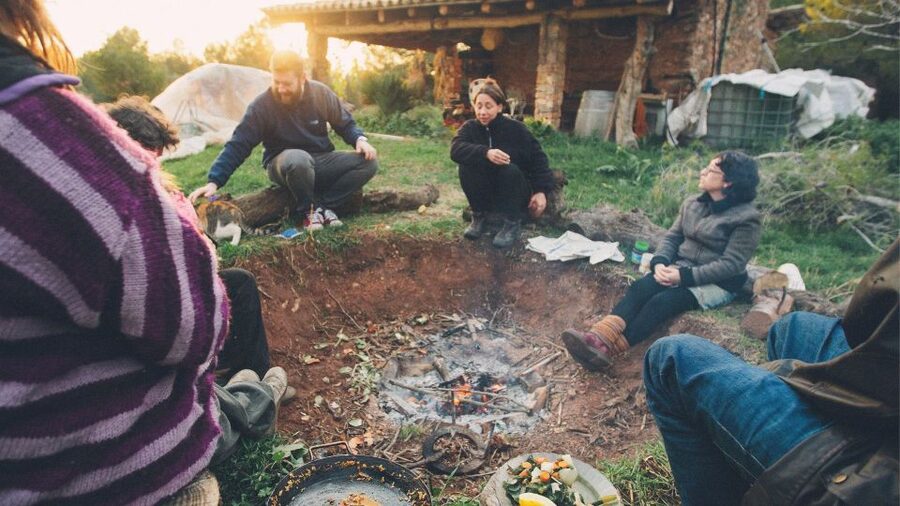
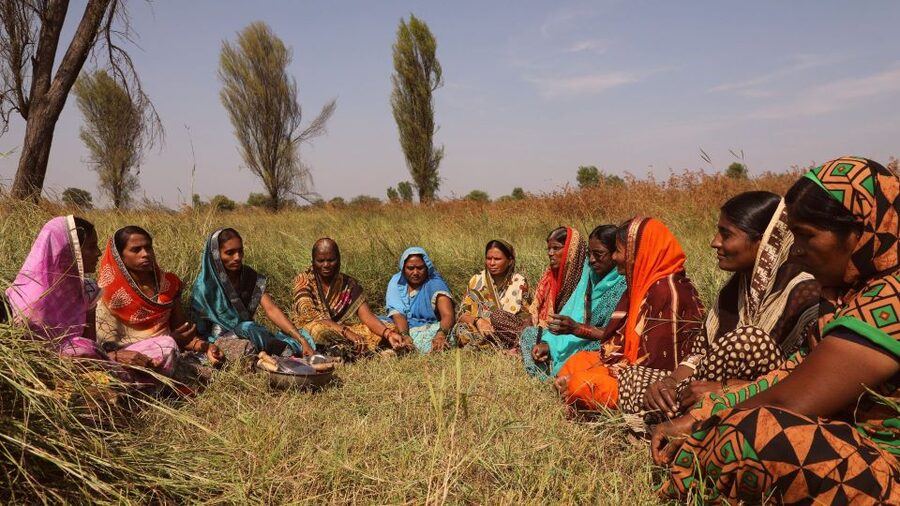
The heart of this experience is the chance to interact with farmers and learn how crops are grown. You will explore fields with crops such as mustard greens and chickpea flour, and you learn about traditional farming methods.
Then you get to do something practical: plucking fresh farm veggies with the farmers. That matters because it makes the kitchen lesson feel like continuity. When you later see the greens become saag, it is not abstract.
You also get a peek at how ingredients fit together in a meal. Chickpea flour, greens, and spices become multiple dishes. Instead of one salad and one main, you get several plates that share ingredient DNA.
One helpful mindset: treat the farming talk as a conversation, not a checklist. Ask what is harvested when, what the families use at home, and why certain foods show up together in a Rajasthani meal.
Spice lesson in the open-air kitchen
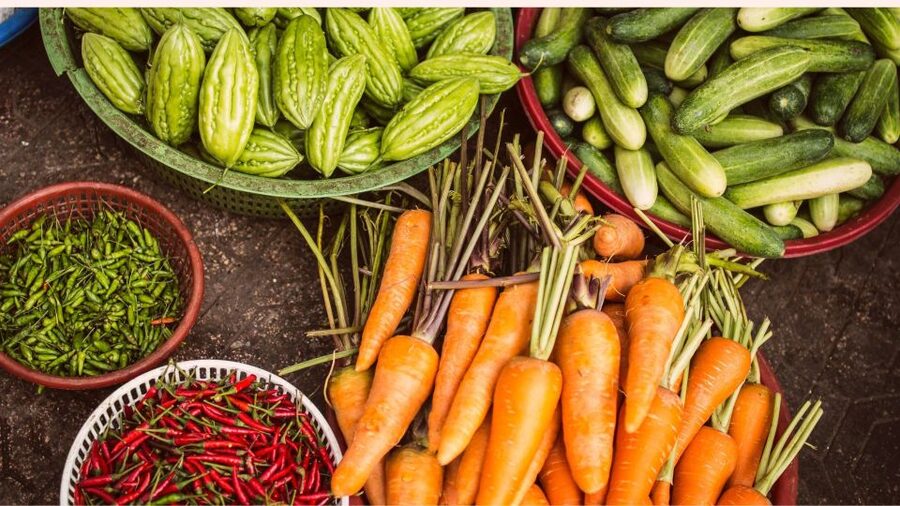
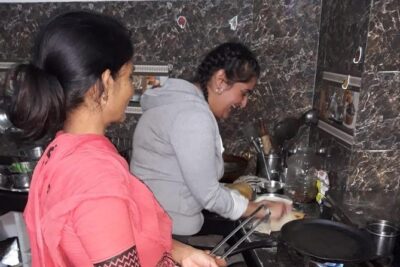
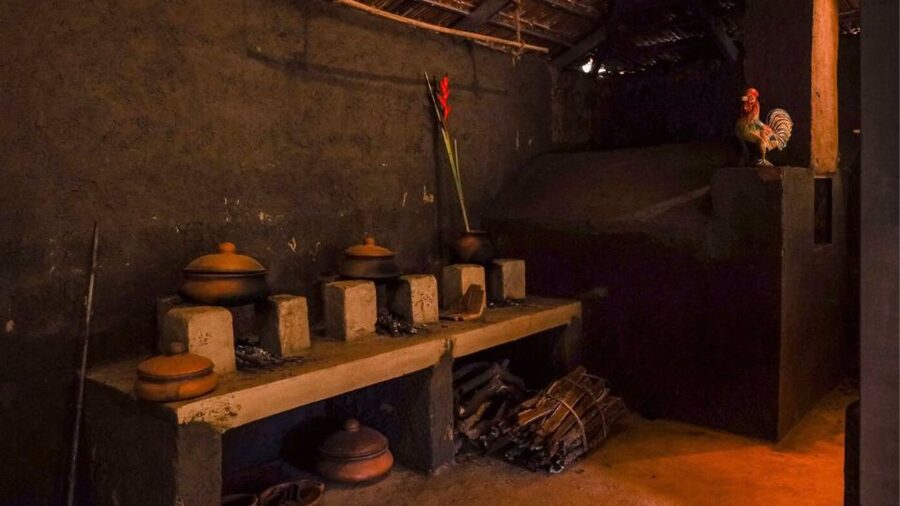
Next comes the kitchen. You move to an open-air cooking setup where you learn to make spice and prepare Rajasthani dishes. This part is active, and it usually includes crafting components by hand.
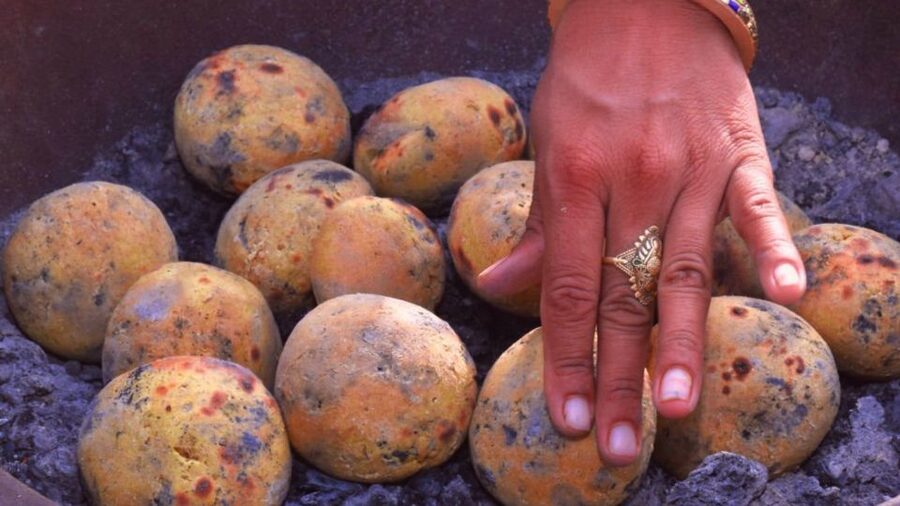
A key detail is the cooking method. For Dal Bati, you craft dough for batis that get baked in a wood-fired clay oven. That is a big deal for flavor and texture. The batis are designed to hold up to dipping in lentil curry, and the oven method helps deliver that classic finish you want for this dish.
For sweetness, you learn about Churma, the mix of crushed batis with ghee and jaggery. This is one of those dishes where technique is everything. Small choices in mixing and sweetness balance can change the end result.
Then there is Gatte Ka Saag, where chickpea flour dumplings cook in a spicy curry. It is hearty, warming, and a good counterpoint to greens on the table.
And yes, you should expect some kitchen smells and spice handling. If you have sensitive skin or allergies, tell your host upfront. The experience includes hands-on cooking and interacting with local ingredients, so you will want to plan for that.
Your Rajasthani meal: Dal Bati, saag, dumplings, and chaas
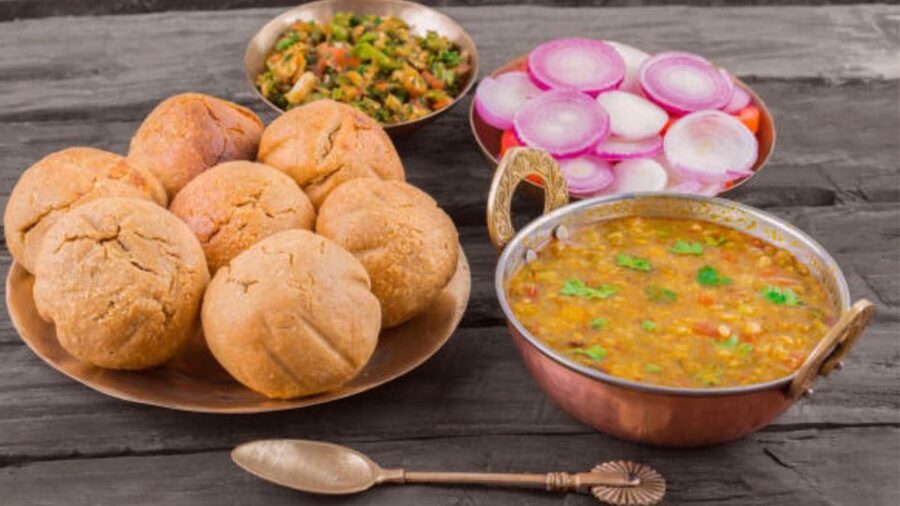
After cooking, you eat the feast together, often served under a neem tree. The meal includes Dal Bati Churma, Sarson Ka Saag, Gatte Ka Saag, and chaas, along with local snacks.
Here is what to pay attention to when you sit down:
- Dal Bati Churma gives you salty, spiced lentils plus the sweet ghee-jaggery side. It is a full flavor arc in one sitting.
- Sarson Ka Saag is the mustard greens highlight, and it ties back directly to what you saw in the fields. This dish can be earthy and warming, and it is a great example of seasonal cooking.
- Gatte Ka Saag adds dumplings in a spicy curry. If you like comfort food, this is likely to win you over.
- Chaas is a yogurt-based buttermilk drink that helps cool you down between bites. It is one of those practical local drinks you will actually want to drink, not just try once.
If you are not a big eater, you might still want to take small portions of everything. The meal is designed as a group platter of connected flavors, not a buffet where you can skip the cultural point.
Also, if you are eating outdoors, hydration matters. Keep water handy, and take your time between dishes.
Culture extras: artisans, musicians, and possible village sights
Beyond farm and cooking, there are cultural touches. The experience can include local artisans and musicians, which adds a lively background to your meal and helps you see the community side of rural Rajasthan.
Some days may also include extra village sightseeing, depending on access. One account notes that with a car or driver, the group could reach sights like a Jain temple, a Haveli being renovated, and a step well. If your plan includes those kinds of stops, coordinate early with your host or the provider, because rural distances can be the deciding factor.
Don’t treat this like a sightseeing tour. Think of it as cultural context. The main draw stays the food you helped make and the people who guide you through the process.
Price and value: why $21 can feel like a bargain
At $21 per person for a 2-hour experience, the value mostly comes from what is included: the food. You are getting more than a meal. You are paying for farm interaction, a spice lesson, and cooking time, then you eat what you cooked.
A lot of tours charge similar prices for a single meal in a restaurant. Here, you get the whole chain, farm to kitchen to table, with a shared group lunch that includes several substantial dishes. For many people, that continuity is what makes it feel worth it.
The other value piece is authenticity. The setup is family and village based, with local farmers involved in the ingredient story. That direct human connection is hard to replicate in a standard city tour.
The only way this stops feeling like value is if you cannot get to the meeting point without spending extra. Since conveyance is not included, transport costs can change the math. If you are already in the Udaipur area with an easy ride, the price works out well. If you need a long, complicated commute, budget that in.
Who should book this, and who should skip it
This works best if you want:
- hands-on cooking learning, not just watching
- real ingredient connection, like mustard greens and chickpea flour
- a group meal that feels like part of village life
- a short day that still includes farm time
It may be less ideal if:
- you hate outdoor walking or uneven ground
- you are very time sensitive and cannot arrange transport to the outskirts
- you want a strict, scheduled itinerary with lots of museum-style stops
If you are traveling with kids, it can be a fun, sensory experience, but keep in mind the outdoor pacing and spice handling in the kitchen. For older travelers, the short walk is usually manageable, but check with the host about comfort with rural paths.
My take: should you book it?
Book this if you like food experiences that come with context. The standout is the pairing of farm work with the cooking lesson, then a meal that matches the work you did. The chaas and the full plate of Rajasthani classics help it feel satisfying, not snack-sized.
I would not book it last-minute without thinking about transport. Since conveyance is not included and the experience runs on the outskirts of Udaipur, make sure you have a simple way to get there on time.
If those logistics are solved, this is the kind of tour that leaves you talking about taste and technique, not just taking photos of fields.
FAQ
What is the duration of the farm-to-table experience?
The experience lasts 2 hours.
What is the price per person?
The price is $21 per person.
Is food included?
Yes. Food is included in the experience.
Is transportation included in the price?
No. Conveyance is not included.
Where is the experience located?
It is located on the outskirts of Udaipur, in a village setting.
Who will meet me at the start?
Your host will be waiting for you at the meeting point.
What languages are spoken by the host or greeter?
The host or greeter speaks English and Hindi.
What can I expect to eat and drink?
You can expect a group meal featuring Dal Bati Churma, Sarson Ka Saag, Gatte Ka Saag, and chaas (buttermilk made of yogurt), plus local snacks.
What are the cancellation and payment options?
You can cancel up to 24 hours in advance for a full refund. You can also reserve now and pay later, meaning you can book your spot and pay nothing today.
Recently reviewed across Udaipur
- Private Walking Tour of Udaipur with a Professional Guide
★ 5.0 · 10 reviews - Private Day Tour Of Kumbhalgarh Fort & Wildlife Sanctuary From Udaipur
★ 4.5 · 10 reviews - Equestrian Escape: Horse Safari Adventure
★ 5.0 · 10 reviews - Udaipur Private Half/Full Day Sightseeing Tour by Car+Guide
★ 4.8 · 11 reviews - Full-Day Private Udaipur Three wheeled Tuk Tuk Sightseeing
★ 5.0 · 11 reviews - Highlights of Udaipur : A Private Guided tour
★ 5.0 · 11 reviews