
REVIEW · GOA BEACHES AND HERITAGE
Old Goa: Saga Of Saints, Spices & Sovereigns | Heritage Walk
Old Goa tells its story with every stone. I love how local storytellers connect saints, traders, and Portuguese rule inside working churches, and I love the Indo-Portuguese sacred art you learn to read on the spot. The one watch-out is practical: the walk is mostly outdoors, and the dress code means no shorts or sleeveless shirts.
You start at the entrance and parking area in front of Santa Monica Convent in Old Goa, and in about two hours you cover a lot without getting the tourist shuffle. I also like the small comfort choices, like the guide picking shaded pauses to catch your breath and let the story land.
The pace is steady and focused, with an English live guide who can handle questions on religion, politics, and architecture. If you go with a history-brain, you will probably love it, and if you have mobility limits or heart issues, you should take the activity’s safety notes seriously.
In This Review
- Key reasons this heritage walk is worth your time
- Old Goa, a different kind of vacation stop
- Starting at Santa Monica Convent, then walking into the past
- Churches and convents that feel like time travel
- The Augustinian ruins, where the stones still carry a message
- Rosary Church and other monastic corners you may skip
- Indo-Portuguese sacred art: what to look for
- Saints, ships, and trade routes, not just dates on a wall
- The real value of live storytelling in English
- End with a local drink, not a rushed exit
- Price and what you truly get for $9
- What to bring, and how the dress code affects your day
- Who should book, and who should skip it
- Should you book Old Goa: Saints, Spices & Sovereigns?
- FAQ
- How long is the Old Goa heritage walk?
- How much does the tour cost?
- Where do I meet the guide?
- Is the tour offered in English?
- What is included in the price?
- What is not included?
- What should I bring?
- What clothing is not allowed?
- Is there free cancellation or a reserve now pay later option?
- Is it wheelchair accessible, and is it suitable for everyone?
Key reasons this heritage walk is worth your time
- Saints, spices, and Portuguese power explained as one connected story, not separate trivia
- Church and convent stops including Augustinian ruins and other monastic sites
- Rosary Church moments that show you what many first-time visitors miss
- Indo-Portuguese craftsmanship decoded through sacred art and architectural details
- Local historian-style storytelling from guides such as Amreen, Gaurish, and Amreet, in clear English
- A refreshing local drink to close, so you finish feeling human, not overheated
Old Goa, a different kind of vacation stop
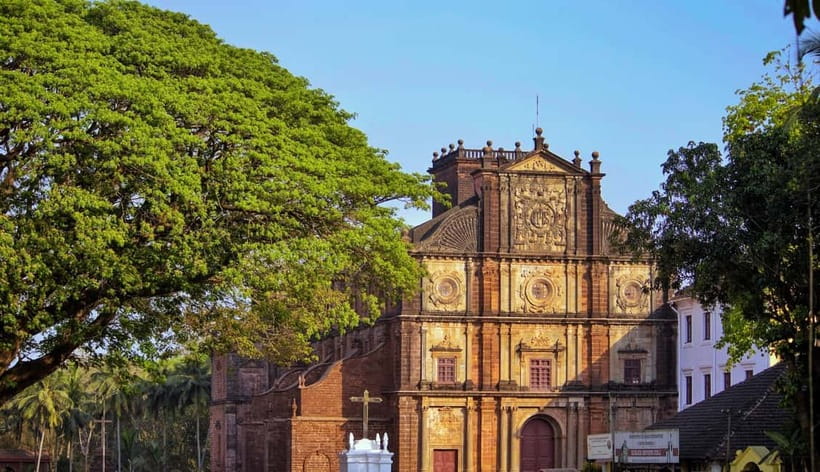
Old Goa is one of those places where the buildings do the talking. The churches, convents, and crumbling monastery remains feel like pages from a book that got left in the sun for a few centuries.
This walk keeps that page-turning momentum by tying everything together. Saints lead into the missionaries, which connect to trade, which links back to political control. It is not just a church checklist.
Starting at Santa Monica Convent, then walking into the past
Your meeting point is the entrance and parking area in front of Santa Monica Convent at Old Goa. That is helpful, because you are not trying to hunt down a random street corner while traffic and heat are doing their thing.
From there, the guide leads you through the religious and colonial layers of the city. You will move at a comfortable walking pace for a two-hour outing, with stops that let you see the architecture up close before you move on.
One thing I appreciate here is how the tour design supports listening. Several guides, including Amreen, have a reputation for choosing shaded spots where you can sit and take in the story. That matters in Goa, because the sun is not shy.
Churches and convents that feel like time travel
Old Goa’s famous religious sites can look similar at first glance, especially if you are new to Portuguese-era architecture. The walk helps you notice the differences instead of just taking photos and moving on.
You can expect stops at iconic churches and convents, with time spent on sacred art and the architectural styles behind it. The guide also explains what you are looking at, so the statues, carvings, and layout start to make sense.
You will also see crumbling convent areas and the quieter edges of monastic life. Those are the places where the story slows down and you start to understand how communities shaped daily life, not only beliefs.
The Augustinian ruins, where the stones still carry a message
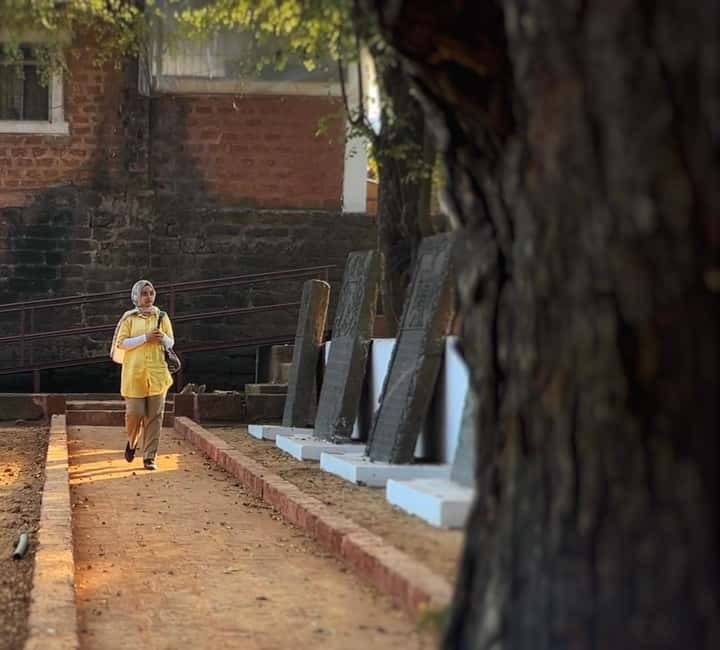
A big anchor stop here is the Augustinian ruins and the ruins of an Augustinian monastery. Even if you have never studied Portuguese Goa, these remains make the scale feel real.
It is also a useful teaching moment. The guide uses the visible remains to talk about how religious orders functioned, how structures were built for worship and work, and how later change left parts of the complex behind.
If you love history that feels grounded in physical evidence, these ruins are a strong reason to do the walk. They turn abstract empire stories into something you can point at and say, yes, that is where it happened.
Rosary Church and other monastic corners you may skip
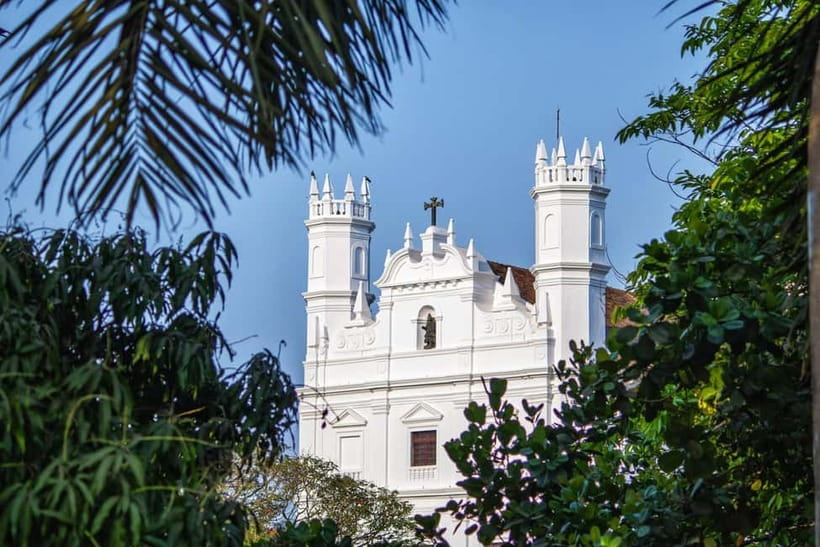
The route includes time at the Rosary Church, which helps break up the bigger, more obvious landmarks. Smaller religious stops are often where you hear the most human details, because the architecture forces you to look more carefully.
This tour also highlights lesser-known monastic sites and forgotten monastic areas with stories beyond the touristy lens. That is the value of a guide who knows the local heritage story, because you get context you would not easily find on a signboard.
You will likely appreciate the way medieval maps and comparisons are used during the walk. Even without seeing the original documents, the guide’s reference points can help you place Old Goa as a once-cosmopolitan city rather than a set of isolated ruins.
Indo-Portuguese sacred art: what to look for
One of the most useful parts of this experience is the way it helps you decode sacred art and architectural styles. Sacred art is not only about decoration. It is a visual language, and the tour gives you the key to reading at least some of it.
As you move through churches and convent spaces, you will get explanations tied to what the builders were doing and why. That includes the blend of Portuguese influence with local craftsmanship, often described as Indo-Portuguese style in Goa.
If you have ever felt museums were hard because you do not know what you are seeing, this is similar but more forgiving. You are in the original spaces, and the guide can point out patterns in front of you, so the learning feels immediate.
Saints, ships, and trade routes, not just dates on a wall
The tour’s theme, saints, spices, and sovereigns, is not a marketing slogan. It is the spine of the storytelling.
You will hear how Goa’s Portuguese chapter linked Christianity with wider maritime trade. The city was part of the global network, and missionary expeditions were tied to those networks as much as to spiritual goals.
Then the spice angle helps you understand why ships and money mattered. Spices were not just something people wanted, they were something people organized empires to control. When you see how trade and religious ambition traveled together, the colonial history clicks into place.
The real value of live storytelling in English
This is a live guided walk in English, and that is a big part of the payoff. When the guide’s English is clear, you can follow the logic of the story, not just the facts.
Some guides on this route, including Amreen, Gaurish, and Amreet, are described as historian types who can move across religion, architecture, and culture without losing the group. That matters because you want continuity. If each stop were explained like separate school worksheets, the magic would fade.
You also get strong question time energy. Guides are praised for answering questions with clarity, which means you can steer the conversation toward what interests you most, whether that is Portuguese colonization, saints and beliefs, or the meaning behind specific art elements.
End with a local drink, not a rushed exit
A small but smart detail: the tour concludes with a refreshing local drink. That is not just a treat, it is a pacing tool.
After two hours of stone, shade breaks, and story stacking, you finish on a human note. You also get the chance to ask any last questions while people are still in listening mode.
Price and what you truly get for $9
At $9 per person for a two-hour walk, this is one of those prices that forces you to look past the ticket number. Here, most of the value comes from what is included.
Your ticket includes entry to churches that are part of the walk, and it includes the expert local storytelling plus guidance for sacred art and architectural decoding. You also get a local drink at the end.
What is not included is equally important. You are responsible for getting to the meeting point, and meals or snacks are not part of the deal unless your itinerary says otherwise. So plan on water, and consider a snack stop before or after if you need one.
For me, the value signal is simple: you are paying for context and guided access, not just walking between photo spots.
What to bring, and how the dress code affects your day
This is a religious heritage route, so it has a practical dress code. Do not show up in shorts, short skirts, sleeveless shirts, ripped clothing, or see-through outfits. That is not about being fussy, it is about respect and site rules.
Bring comfortable shoes first. Old Goa surfaces can be uneven, and you will want stable footing for the walking time. Then bring sunscreen, a hat, and water, because you will spend time outside.
Also, think about the day you pick. If you hate sun, plan a time when the light is less harsh. The guide may choose shaded spots, but you still need your own essentials.
Who should book, and who should skip it
This walk is a good match if you want Old Goa as more than a quick sightseeing loop. If you like Portuguese-era churches, sacred art, and the way trade and religion shaped politics, you will probably enjoy this approach.
It also fits well if you want a tight format. Two hours is long enough to feel like you learned something real, but short enough to combine with other Old Goa stops later in the day.
If you have mobility impairments or heart problems, this is marked as not suitable. Even though the activity notes wheelchair accessibility, the safety note is clear enough that you should think carefully and check directly with the operator before booking.
Should you book Old Goa: Saints, Spices & Sovereigns?
I recommend booking this heritage walk if you want a guided story that connects churches, convent ruins, and colonial trade history into one clear picture. The price is low enough that it does not feel risky, and the included church entry plus sacred art explanations make it more than a casual stroll.
You should consider skipping if you are not comfortable with a mostly outdoor walk, or if the dress code restrictions are a deal breaker for you. And if you have any health or mobility concerns, treat the not suitable note as the deciding factor.
If you go in with curiosity, you will leave with a better sense of how Old Goa worked, spiritually and politically, long before it became a quiet heritage zone.
FAQ
How long is the Old Goa heritage walk?
The experience lasts 2 hours.
How much does the tour cost?
The price is $9 per person.
Where do I meet the guide?
You meet at the entrance or parking area in front of the main entrance to Santa Monica Convent at Old Goa.
Is the tour offered in English?
Yes, the live tour guide speaks English.
What is included in the price?
It includes entry to churches that are part of the curated walk, immersive storytelling by an expert local, lesser-known historical facts, local lores and beliefs, decoding of sacred art and architectural styles, and a refreshment drink to conclude the walk.
What is not included?
Private or public transport to or from the meeting point is not included. Food, snacks, and beverage are not included unless specified in the itinerary.
What should I bring?
Bring comfortable shoes, a hat, sunscreen, and water.
What clothing is not allowed?
Shorts, short skirts, sleeveless shirts, ripped clothing, and see-through clothing are not allowed.
Is there free cancellation or a reserve now pay later option?
Yes. There is free cancellation up to 24 hours in advance for a full refund, and reserve now & pay later is available.
Is it wheelchair accessible, and is it suitable for everyone?
The activity notes wheelchair accessibility, but it also states it is not suitable for people with mobility impairments and people with heart problems. If either applies to you, it is smart to check with the operator before booking.
Goa Beaches and Heritage, compared.
 ★ 4.8Panaji: Heritage Walk through Goa’s Latin QuarterFrom $12291 reviews
 ★ 4.9Old Goa: Walking Tour of Heritage ChurchesFrom $1281 reviews
 ★ 4.5Private Beach Photoshoot in North Goa by Professional PhotographerFrom $8078 reviews
 ★ 4.7Private Full-Day Sightseeing Highlights TourFrom $7152 reviews
 ★ 3.4Dudhsagar Waterfall, Jeep Safari and Spice PlantationFrom $3243 reviews
 ★ 4.3Spice Plantation Tour and Traditional Local LunchFrom $6032 reviews
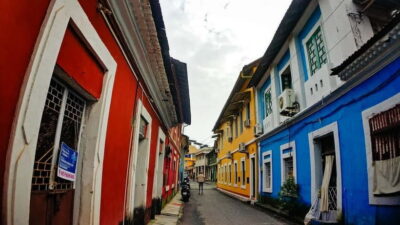 ★ 4.9Panaji: Heritage Walking Tour in Fontainhas Latin QuarterFrom $1031 reviews
 ★ 4.9Goa Shore Excursions: Highlights of GoaFrom $6029 reviews
Browse the lists this tour appears in