
REVIEW · GOA BEACHES AND HERITAGE
Panaji: Heritage Walk through Goa’s Latin Quarter
Fontainhas feels like old Goa, still lived in. This heritage walk through Panaji’s Latin Quarter is a fun way to connect the dots between Portuguese influence and everyday life, from street names to music and food. You also get art-gallery time and a real live performance, not just photos.
I love two things most. First, the guide makes architecture and culture feel personal, pointing out details you’d miss wandering solo. Second, the tour threads in small breaks that match the theme, like popping by Confeitaria 31 de Janeiro for a quick bite and ending with a Goan musician and live tunes.
One catch: it is a group walking tour through older lanes, so the pace is casual but still requires steady steps. It is also not suitable for people with mobility impairments, and you should expect some company since the group can reach 20 people.
In This Review
- Key things you will notice on this Panaji heritage walk
- Why Fontainhas is the heart of Panaji’s Latin Quarter
- Starting at Panjim Head Post Office, then tracing Portuguese arrival
- The winding lanes and heritage homes that make Portuguese style make sense
- Confeitaria 31 de Janeiro and how food becomes history you can taste
- Galerie Gitanjali area, art galleries, and what you should actually look for
- Meeting a Goan musician and hearing Portuguese influence in live sound
- Photo stops to San Sebastian Chapel, plus a ceramics studio for souvenirs
- Price and logistics for a $12, 2.5-hour Portuguese-heritage walk
- Who this Panaji Latin Quarter walk is best for
- Should you book the Panaji Heritage Walk through Fontainhas?
- FAQ
- How long is the Panaji heritage walk?
- Where do I meet the guide?
- Is the tour guided, and what language is used?
- What is included in the price?
- What is not included?
- Is this tour suitable for people with mobility impairments?
Key things you will notice on this Panaji heritage walk
- Fontainhas is named for a little fountain, tied to springs at the base of the Altinho hills
- Portuguese fingerprints show up everywhere, in building styles and even road names
- Heritage homes are part of the experience, not just viewing from the street
- Art stops are woven into the story, including time at Galerie Gitanjali and nearby cultural spots
- Live music happens in the middle of the walk’s arc, anchored by a well-renowned local musician
- The route is compact, but you still want comfortable shoes for winding lanes
More of Goa, sand and stone
Why Fontainhas is the heart of Panaji’s Latin Quarter
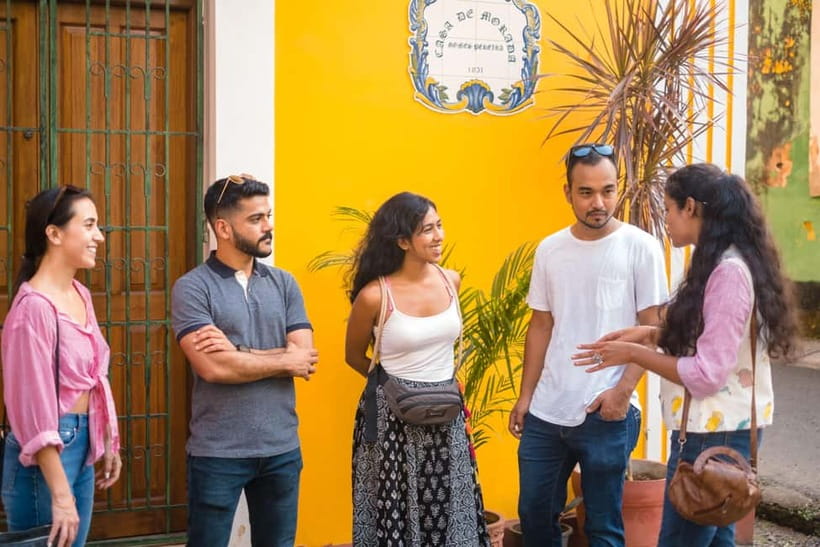
If Panaji feels like a modern city on the surface, Fontainhas is where you see the older layers. Fontainhas is Goa’s oldest and largest Latin quarter in Asia, and the area traces back to development in the late eighteenth century. Even the name comes from Portuguese roots, meaning little fountain, linked to springs at the base of the Altinho hills.
What makes this walk work is that it is not just about monuments. You are meant to notice textures: the Portuguese style that shows up in building forms, the way streets connect, and the clues hidden in place names. It is cultural history you can read with your eyes as you move.
And because the walk stays inside this neighborhood, you get a strong sense of place. Fontainhas is the kind of area where one corner feels like it leads into another chapter, instead of turning into a shopping strip.
Starting at Panjim Head Post Office, then tracing Portuguese arrival
You begin at the India Post Panjim Head Post Office near the Mala district of Panjim. If you are trying to orient fast, the Sao Tome Chapel is a useful nearby landmark, and it helps if you show up a few minutes early.
From the start, the story sets the tone: you start at Tobacco Square and trace the arrival of the Portuguese in Goa. Your guide uses that opening as a timeline marker, then builds out why Portuguese influence stayed long after the arrival. It is an easy way to understand the rest of the walk without feeling like you’re trapped in facts.
Along the way, you pass the small Church of San Thome. It is not a huge stop, but it matters because religious spaces were part of Portuguese urban life, and they shaped how neighborhoods formed. Think of this as a gentle introduction before you step into the densest part of Fontainhas.
The winding lanes and heritage homes that make Portuguese style make sense
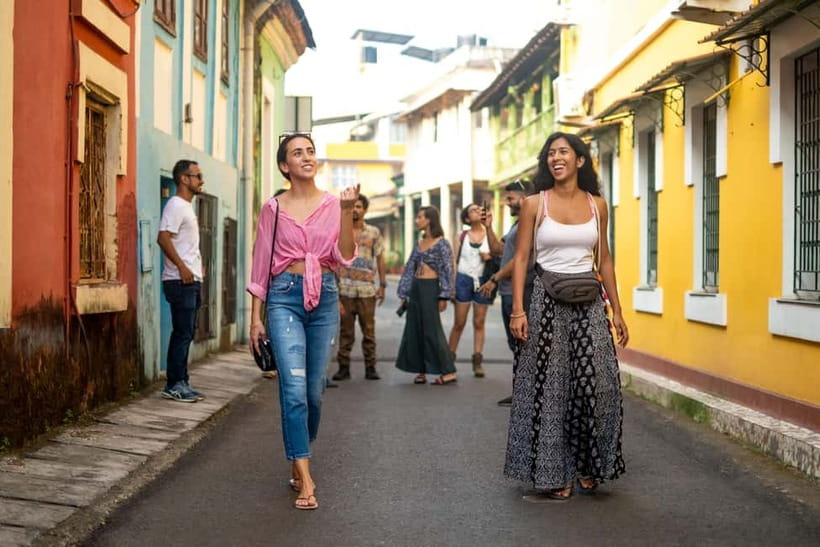
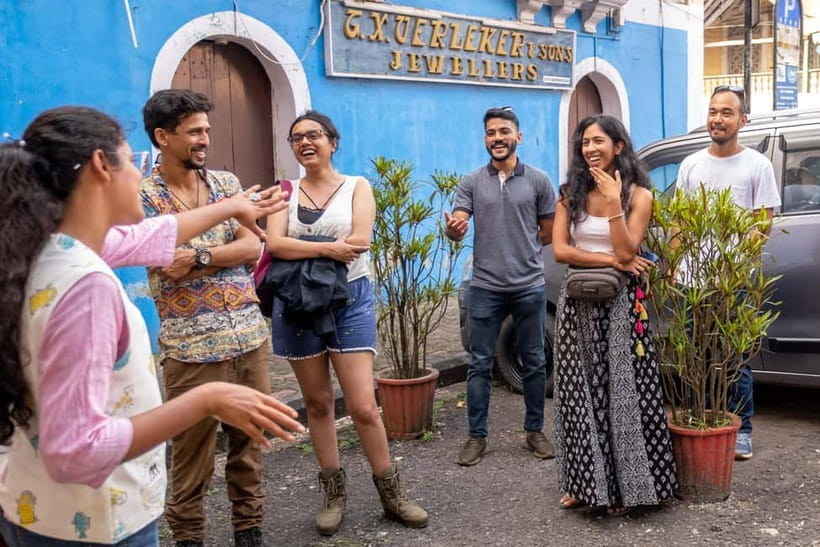
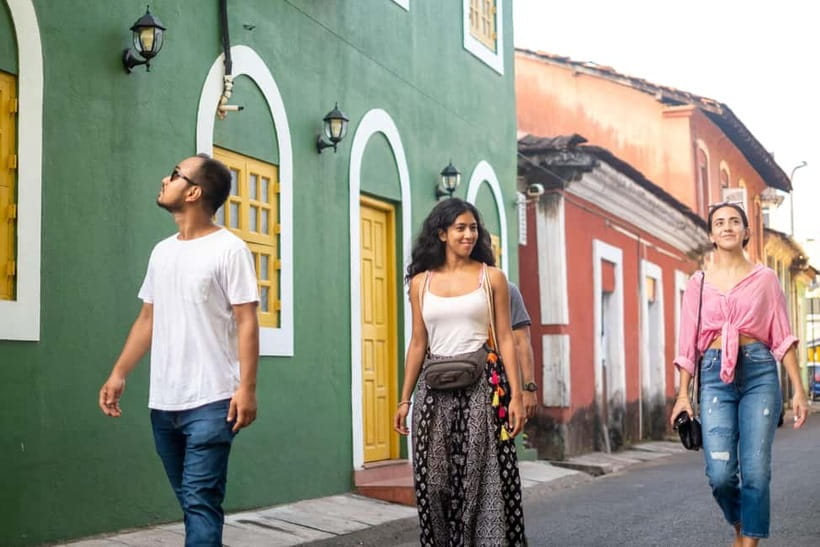
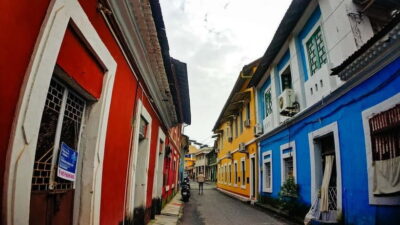
Once you are inside Fontainhas, the walking becomes the main event. Expect winding lanes, colorful home fronts, and the kind of older residential streets that feel slower than the rest of Panaji.
The tour includes entry into heritage homes, which is a big deal for value. Looking at architecture from outside is nice, but once you step inside, you start seeing how people actually lived with those Portuguese-inspired design choices. Your guide keeps the emphasis on what you see, so you know what to look for and why it matters.
As you move through the neighborhood, you also pass by cultural and artistic landmarks around Panjim Inn, Fundação Orient, and Galerie Gitanjali. This gives you a balanced route. The walk is not only about old stone and heritage facades, it also points toward how art and creativity continue the Portuguese-Goan blend.
If you like taking photos, you will get plenty of chances. The route includes a stop area where you can photograph the colorful backdrop as you make your way toward the Chapel of San Sebastian. Try to slow down there, because that is usually when the neighborhood really clicks into a single picture.
- Goa: Dudhsagar Waterfall, Jeep Safari and Spice Plantation★ 3.4 · 43 reviews
- Goa: Spice Plantation Tour and Traditional Local Lunch★ 4.3 · 32 reviews
- Panjim: Guided Walk Tour of Portuguese-Influenced Goa★ 4.6 · 26 reviews
- Goa: Old Goa and Divar Island E-Bike Tour with Snacks★ 4.7 · 25 reviews
- Panaji: Fontainhas Neighborhood Cultural Guided Walking Tour★ 4.7 · 20 reviews
Confeitaria 31 de Janeiro and how food becomes history you can taste
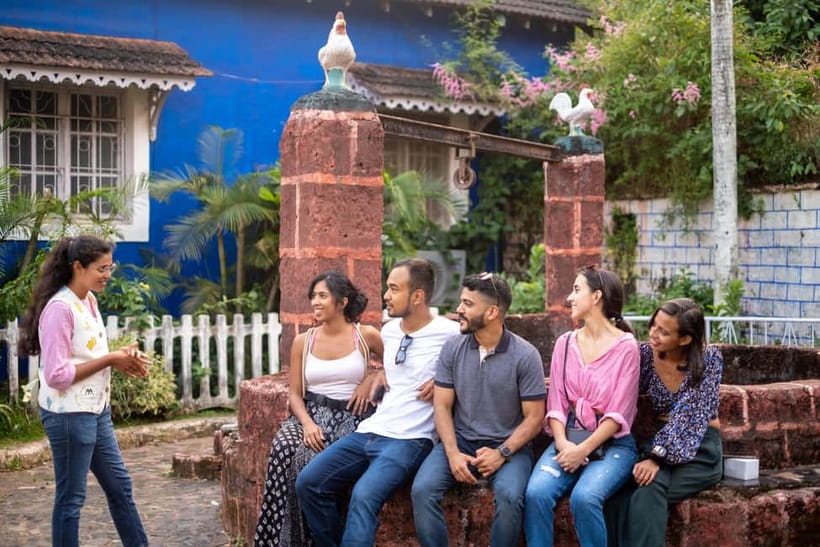
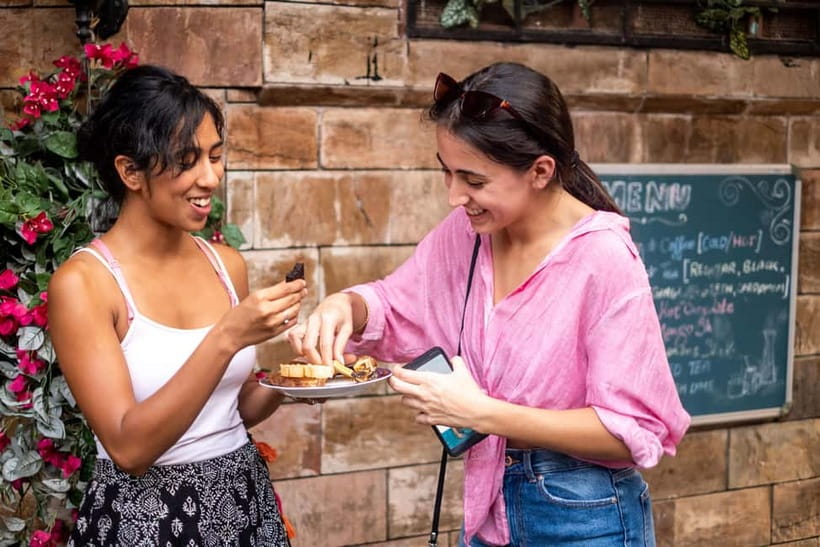
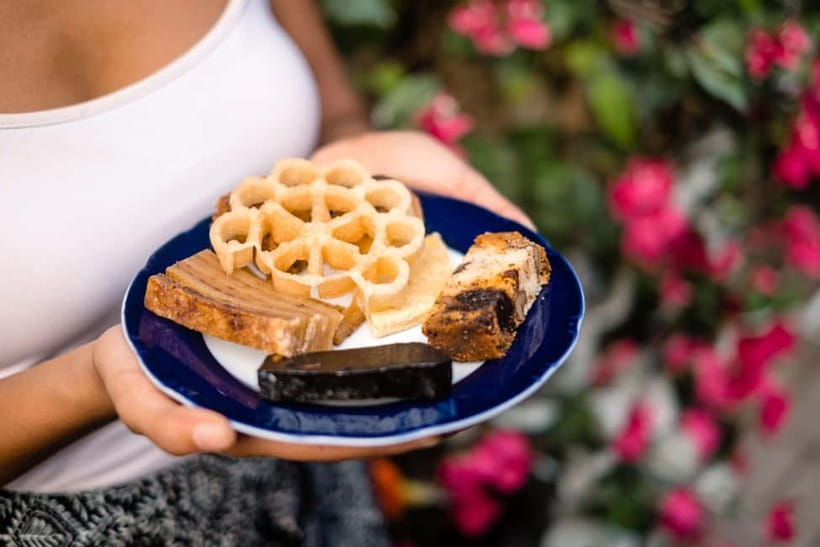
The walk includes a stop at the 31st January Bakery, Confeitaria 31 de Janeiro, for a quick bite. You are not signing up for a full meal, and additional food and drinks are not part of the standard inclusions, but the stop itself is part of what makes the tour feel grounded.
Food matters here because Portuguese influence in Goa is not only in churches and buildings. It also shows up in sweet baking traditions and everyday snacks. In past tours, people have mentioned treats like pastel de nata while stopping at this bakery, which is exactly the kind of detail that makes history feel real instead of theoretical.
I like this kind of tasting stop because it breaks up walking. It also gives you something tangible to connect to later, like, now you see the Portuguese influence, and now you taste one small result of it.
Practical tip: bring some cash for snacks if you want to do more than a quick taste. Comfortable shoes help too, because the best bakery break still depends on getting to the next lane.
Galerie Gitanjali area, art galleries, and what you should actually look for
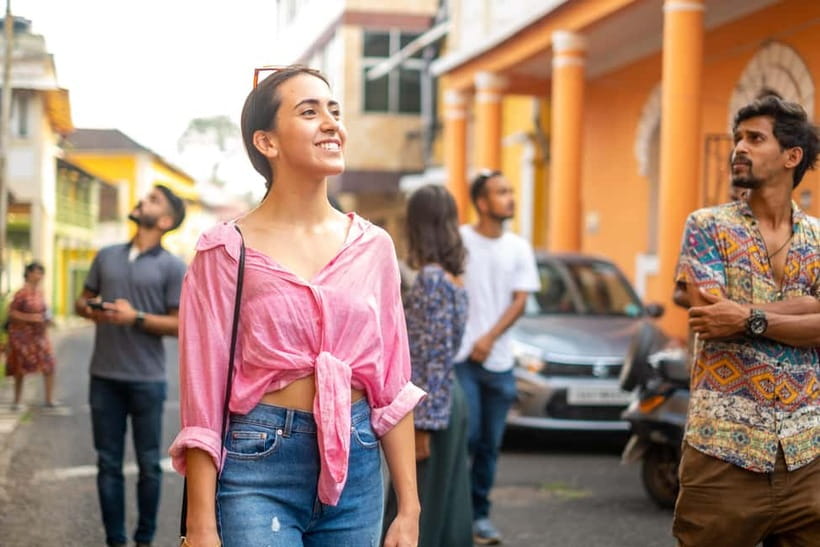
Art stops are built into the route, including time around Galerie Gitanjali. The idea is to show how local and international artists fit into the same cultural atmosphere that shaped Fontainhas.
When you visit an art gallery during a walking tour, you get a different kind of context. You are not only standing in front of art with a label. You are already in the neighborhood story, so the Portuguese-Goan influence feels like it has a continued life in creative work.
Here is what you should focus on: look for how themes, styles, or choices relate to place. Even without special art background, you can still notice if the work feels connected to Goa’s coastal identity, religious heritage, or colonial history.
Also, take advantage of your guide’s ability to connect the dots. Many guides in this area are strong at telling stories, and those stories are useful when you want to understand what you’re looking at without turning it into homework.
Meeting a Goan musician and hearing Portuguese influence in live sound
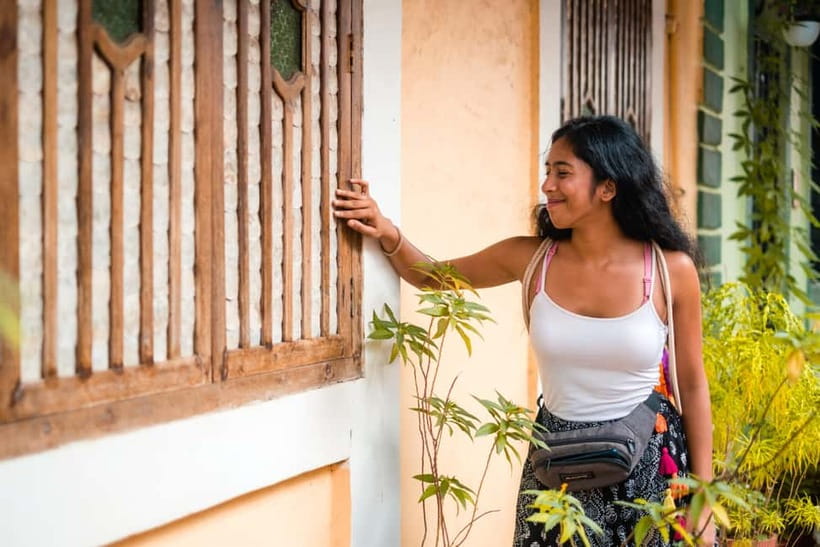
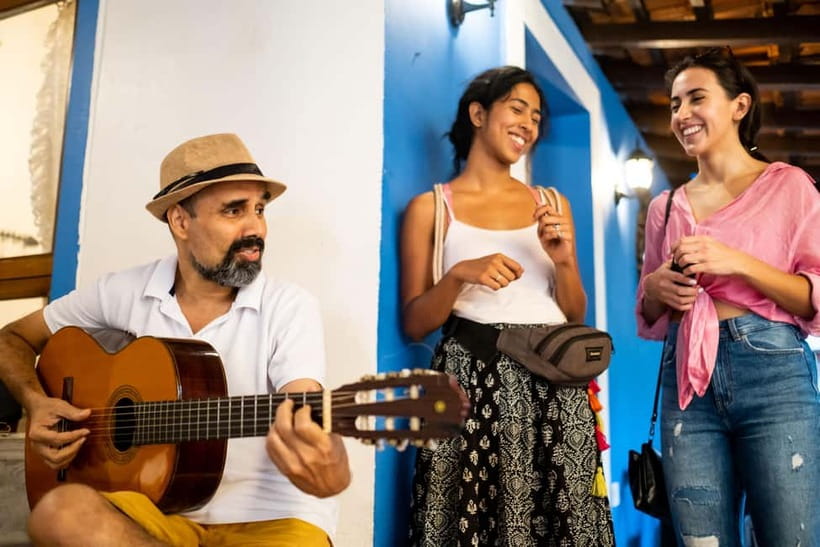
The highlight that people often remember is the live music moment. The tour includes a meeting with a well-renowned Goan musician and a live performance. This is where Portuguese influence stops being a visual theme and becomes an audio experience.
Music is one of those cultural threads that travels through time. The Portuguese shaped many parts of Goa’s public and religious life, and that influence shows up in how music developed and how it is performed. With a musician on hand, you are hearing the living version, not a museum transcript.
Some past tour moments have featured musicians with recognizable names like Glossy and Francis, depending on the day and who is available. The key is that you are meeting a Goan musician tied to this local tradition, and the performance is part of the walk rather than a separate show.
If you like small, personal performances, this is a strong choice. You are not rushing through a stage show. You are getting music in the neighborhood context, while the guide ties it back to the Portuguese thread that runs through architecture and daily life.
Photo stops to San Sebastian Chapel, plus a ceramics studio for souvenirs
The walk includes photo-friendly stops as you move toward the Chapel of San Sebastian. This is the kind of stop where you can frame colorful facades against the lane lines. Go slow, try different angles, and don’t be surprised if you spot little details like door colors, window shapes, and small heritage touches that you missed earlier.
Near the end, you can also stop at a studio that makes handcrafted ceramic souvenirs. Souvenirs are not included, but this is a nice last-minute option if you want something created by local hands rather than a mass-market trinket.
If you plan to buy, do it with a simple rule: only purchase what you genuinely like. Ceramic work varies a lot in design, and it is better to walk away than to buy just because the studio is there.
The tour ends back at the India Post Panjim Head Post Office meeting point, which is convenient if you want to carry on with dinner plans afterward.
Price and logistics for a $12, 2.5-hour Portuguese-heritage walk
At about $12 per person for a 2.5-hour experience, the value is mostly in what is included. You get an English-speaking local guide, entry into heritage homes, and a meeting with a Goan musician. That combination is hard to replicate cheaply if you try to cobble it together on your own.
You are also paying for time. Fontainhas is compact, but it is easy to walk in circles if you do not know where the key cultural stops are. A guided route saves you from guessing and gives you a story-driven path instead of a random loop through lanes.
A few logistics points matter for comfort:
- It is a group tour, up to 20 people, so bring patience and expect some passing conversations.
- Hotel pickup and drop-off are not included, so you need to get to the Panjim Head Post Office area on your own.
- The tour is not suitable for mobility impairments, because it is a walking route through older streets.
- It includes guided components and walks that total about 2.5 hours, so you should plan for a moderate walking day.
What to bring is simple: comfortable shoes, comfortable clothes, cash, and a reusable water bottle. If you are traveling during hotter parts of the year, you’ll also appreciate any option that starts in the cooler parts of the day. People have recommended a morning slot around 10:30 to avoid the worst heat, and a later afternoon slot around 4:30 to finish before dinner.
Who this Panaji Latin Quarter walk is best for
This is a great fit if you want Goa beyond the beach brochure. You will love it if you enjoy architecture details, Portuguese-leaning cultural history, and hearing how local life connects to older influences. Art lovers also get something from the gallery stops.
It is also a smart choice if you are in Panaji for a short time. A 2.5-hour walk is long enough to feel like you did something meaningful, but not so long that it eats your whole day.
English speakers will feel comfortable since the guide is local and English-speaking. If you like meeting locals in a non-touristy way, the musician segment is the reason to choose this over a plain self-guided stroll.
The main reason not to book is physical. If walking is difficult for you, this route is not designed for mobility impairments. Also, if you want totally private, quiet sightseeing, the group format might feel less appealing.
Should you book the Panaji Heritage Walk through Fontainhas?
Yes, you should book this if you want an authentic Latin Quarter experience with a clear theme. For $12, you get heritage home entry, guided explanation that helps you see more than you’d notice on your own, plus live Goan music.
I would not book it only if you hate walking, need a fully accessible route, or you’re not interested in Portuguese influence in Goa. If your goal is purely beach time or nightlife, this will not replace that. But if your goal is understanding Panaji’s soul, Fontainhas does that fast, one colored lane at a time.
FAQ
How long is the Panaji heritage walk?
The tour lasts about 2.5 hours.
Where do I meet the guide?
Meet at the entrance of the Panjim Head Post Office. The Sao Tome Chapel is a closer landmark.
Is the tour guided, and what language is used?
Yes. You get a local English-speaking guide.
What is included in the price?
The included items are the local English-speaking guide, entry into heritage homes, and a meeting with a well-renowned Goan musician.
What is not included?
Hotel pickup and drop-off are not included, and additional food and drinks are not included either. Souvenirs are not included.
Is this tour suitable for people with mobility impairments?
No. The tour is not suitable for people with mobility impairments.
More of Goa, Beach and Basilica



Recently reviewed across Goa
- Panaji: Fontainhas Neighborhood Cultural Guided Walking Tour
★ 4.7 · 20 reviews - Goa: Old Goa and Divar Island E-Bike Tour with Snacks
★ 4.7 · 25 reviews - Panjim: Guided Walk Tour of Portuguese-Influenced Goa
★ 4.6 · 26 reviews - Goa: Spice Plantation Tour and Traditional Local Lunch
★ 4.3 · 32 reviews - Goa: Dudhsagar Waterfall, Jeep Safari and Spice Plantation
★ 3.4 · 43 reviews - Goa: Private Full-Day Sightseeing Highlights Tour
★ 4.7 · 52 reviews
Goa Beaches and Heritage, compared.
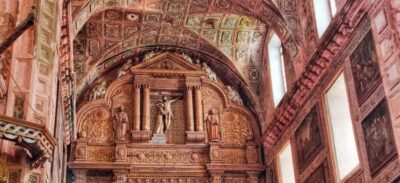 ★ 4.9Old Goa: Walking Tour of Heritage ChurchesFrom $1281 reviews
 ★ 4.5Private Beach Photoshoot in North Goa by Professional PhotographerFrom $8078 reviews
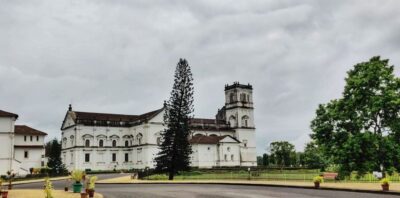 ★ 4.7Private Full-Day Sightseeing Highlights TourFrom $7152 reviews
 ★ 3.4Dudhsagar Waterfall, Jeep Safari and Spice PlantationFrom $3243 reviews
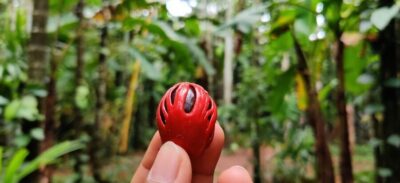 ★ 4.3Spice Plantation Tour and Traditional Local LunchFrom $6032 reviews
 ★ 4.9Panaji: Heritage Walking Tour in Fontainhas Latin QuarterFrom $1031 reviews
 ★ 4.9Goa Shore Excursions: Highlights of GoaFrom $6029 reviews
 ★ 3.7Goa Street Food Crawl: Authentic Food Tasting ExperienceFrom $2829 reviews
Browse the lists this tour appears in