
REVIEW · BANGALORE AND MYSORE TOURS
Tipu Palace + Koté Vishnu + Fort + KR Market + Jain Temple = Bengaluru Pété Walk
Old Bengaluru has a way of pulling you in. This pété walk strings together Tipu’s teak palace, temples, a surviving fort fragment, and KR Market street life into one tight loop.
I especially like how the tour blends big themes, faith, power, and daily commerce, without turning it into a textbook. Another standout is the guide-led pacing, so you get context at each stop while still having time to look around and soak up the smells and sounds.
One thing to plan for: it is mostly walking on streets, and you will need to dress respectfully for temples, including covering shoulders and legs (bring a scarf if you need one).
In This Review
- Key highlights at a glance
- Bengaluru pété walk: what this 2.5 to 3 hour loop really delivers
- Tipu Sultan’s Summer Palace: teak wood, power, and details you can spot
- Kote Venkataramana Temple: next door, but a different mood
- Bangalore Fort remnants: a founder’s mud fort and a later rebuild
- KR Market: where Bengaluru smells, moves, and trades
- Sri Adinath Jain Shwetamber Mandir: respect, cover-up, and calm symbolism
- Price and value: what $33.55 buys you in real terms
- Timing, crowds, and why the tour can feel different at different hours
- How to prepare: dress code, shoes, and small comfort wins
- What makes the guides part of the experience
- Should you book the Bengaluru pété walk?
- FAQ
- How long is the Bengaluru pété walk?
- What is included in the ticket price?
- Do I need to pay extra for temples?
- Is there a dress code?
- Where does the tour start and end?
- Can the tour help with transportation from my hotel?
Key highlights at a glance
- Tipu Sultan’s Summer Palace in teak and Islamic-influenced design
- Kote Venkataramana Temple with carved stone myth figures
- A small surviving slice of Bangalore Fort, tied to Kempegowda and Hyder Ali
- KR Market as an all-senses market experience, including busy flower activity
- Shri Adinath Jain Shwetamber Mandir for a calmer, rules-based stop
- Small group size (up to 10) that makes questions easy to ask
Bangalore and Mysore, more picks
Bengaluru pété walk: what this 2.5 to 3 hour loop really delivers
This walk is built for people who want the real rhythm of central Bengaluru, not just postcard landmarks. You move from palace walls to temple carvings, from a fort remnant to working markets, and then into a Jain temple where the mood shifts from street noise to quiet observance.
The pace is friendly enough if you have moderate stamina. Expect roughly 2 hours 30 minutes to 3 hours, with short blocks at each stop. It is also a small group, up to 10 people, so your guide can steer you through the crowd without losing the thread of the story.
What makes it work well is balance. You get religion and history, but you also get everyday life in KR Market. It is a compact way to understand why Bengaluru feels like it has layers, old power and newer street energy living side by side.
Tipu Sultan’s Summer Palace: teak wood, power, and details you can spot
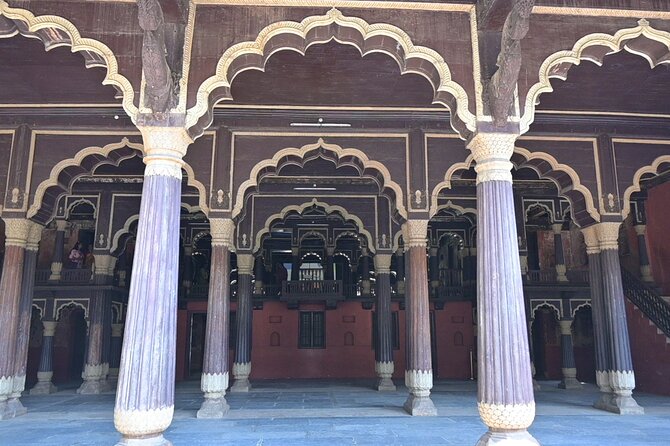
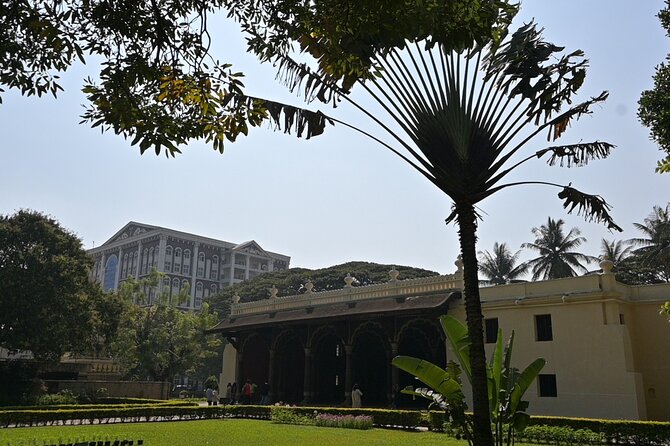
The first big moment is Tipu Sultan’s Summer Palace area, where you’ll see the kind of architecture that signals status even before you start hearing the story. The palace is about 230 years old, with a look shaped by Islamic architecture traditions and built in teak wood.
Here is why this stop matters, even if you only spend about half an hour. Teak is not just a material trivia point. Wood changes the feel of a space. It tends to warm up the light and makes the building feel tactile, almost hand-crafted, rather than cold stone.
Also, the guide experience is part of the value. With a licensed, India-approved guide, you are not just looking at walls. You learn what to notice, like design cues and what the palace represents in Tipu Sultan’s era. If you are into architectural “reading,” you’ll have a good time.
Practical note: this start point is at Tipu Sultan’s Summer Palace area (Kamalanagar, Chamrajpet). If you prefer public transit, it is convenient to reach.
Kote Venkataramana Temple: next door, but a different mood
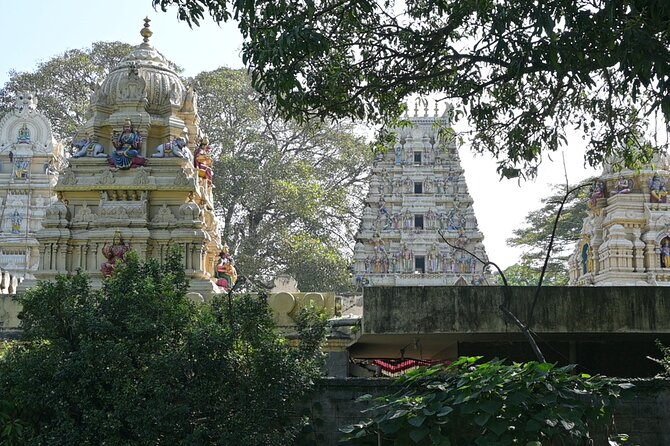
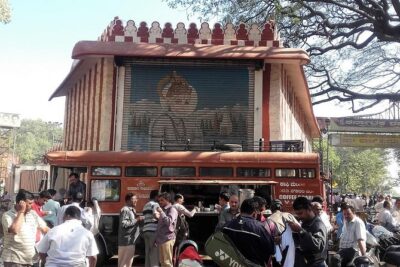
Right beside the palace area is the Kote Venkataramana Temple, built in 1690 AD by Chikkadevaraja Wodeyar. Even with limited time, the design is the point. The temple is known for stone sculptures carved into its walls, including mythological figures from Indian religious stories.
This stop is often where you start to slow down, because carvings reward close looking. You do not need to be an expert on the myths to enjoy the workmanship. The guide helps you connect what you are seeing to what it meant when the carvings were new.
Expect your time here to be about 30 minutes, and the temple entry is part of the tour stops without an extra ticket cost listed for this specific stop. Since temple hours can shift, try not to arrive in a rush state. If you hit it at the wrong time, you might lose access to some areas depending on working hours.
- Mysore tour from Bangalore by tourism ministry approved company★ 5.0 · 226 reviews
- Bengaluru Pete City Market Half-Day Walking Tour★ 5.0 · 163 reviews
- Experience Bangalore – City Tour, Authentic Food & market (Food/Culture/History)★ 5.0 · 156 reviews
- Tipu Palace + Koté Vishnu + Fort + KR Market + Jain Temple = Bengaluru Pété Walk★ 5.0 · 150 reviews
- Same Day Taj Mahal/Agra Tour From Bangalore with Return Flight★ 5.0 · 144 reviews
Bangalore Fort remnants: a founder’s mud fort and a later rebuild
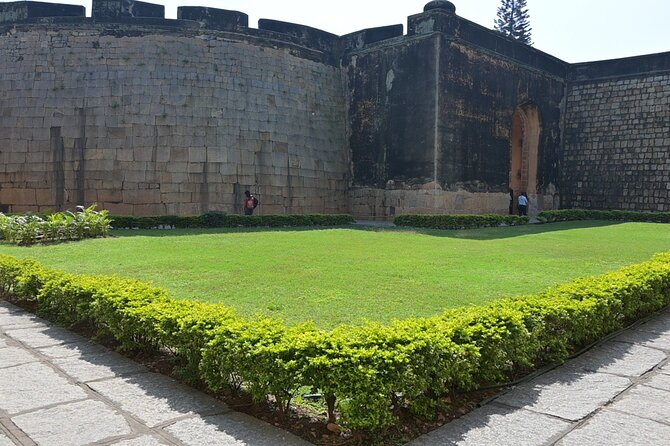
Next up is Bangalore Fort, a site that feels like a lesson in how cities change. The fort began with Kempegowda, credited as the founder of Bengaluru, who built an early mud fort in the 16th century. Later, Hyder Ali rebuilt it in stone in the 1760s.
Here’s the reality check: only about 5% of the fort remains and that is what is open to visitors. That could sound like a drawback until you view it the right way. A small remnant can still be a powerful marker of where power stood, where walls shaped streets, and how later rulers updated what they inherited.
If you like seeing the “before and after” of a place, this stop is satisfying. The guide’s job is to help you imagine the missing majority of the fort, so it does not feel like you are looking at leftovers.
KR Market: where Bengaluru smells, moves, and trades
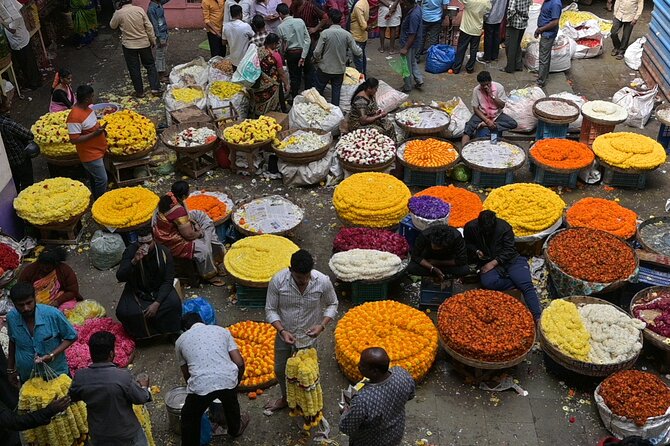
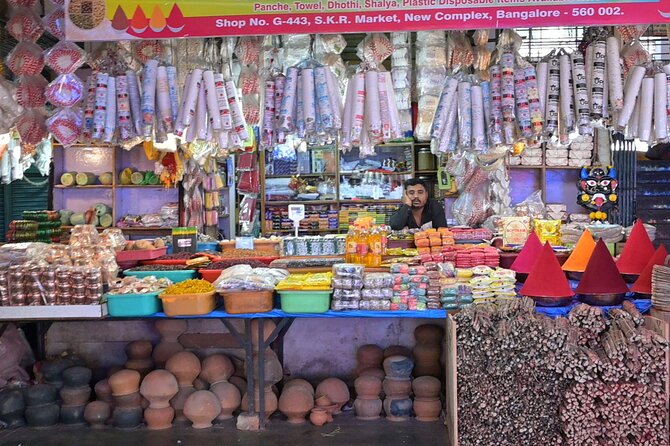
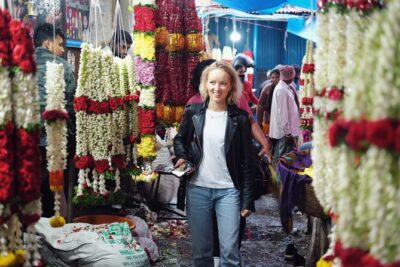
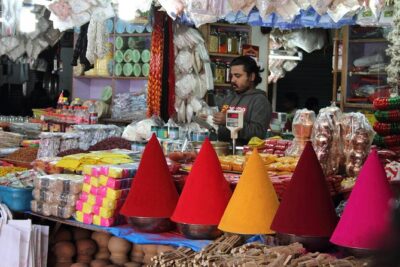
Then you step into KR Market, and the tour fully switches gears. KR Market is not quiet sightseeing. It is a working market with vendors, workers, hawkers, and buyers, plus plenty of motion around you. This is the part that makes the walk feel like Bengaluru is alive.
You will likely experience a range of senses here, including the famous flower market activity that people highlight for color and fragrance. If you are sensitive to strong smells or dust, bring a mask. One practical tip that keeps showing up is using a mask when you head into flower-heavy sections or busier lanes.
Why I think KR Market is such a good mid-tour stop: it helps you reset your brain. After palace and temple architecture, your senses get their own story. You can watch how people navigate stalls and narrow spaces. You can hear real bargaining rhythms. You can also spot how the market supports local daily life, not just tourism.
Your guide can also help you avoid common tourist mistakes here, like walking too slowly in areas where people need to pass or getting turned around. With the group size kept small, you move as a unit without forming a giant clog.
Sri Adinath Jain Shwetamber Mandir: respect, cover-up, and calm symbolism
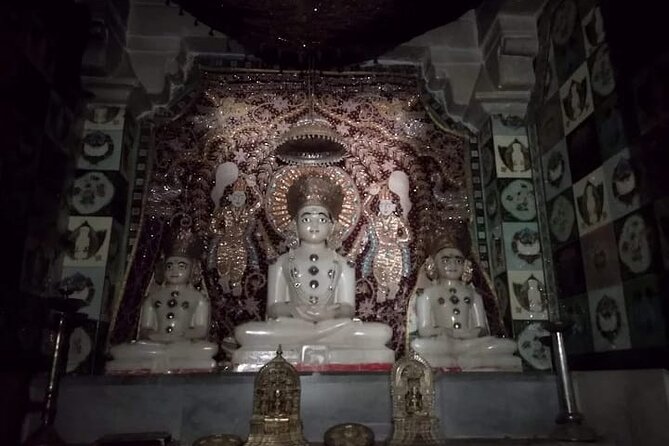
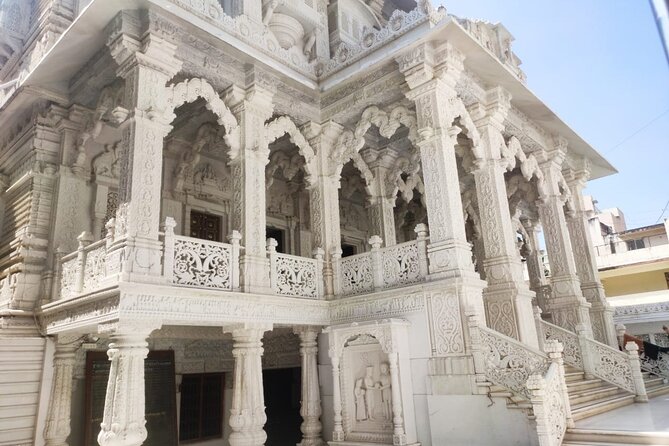
The final temple stop is the Shri Adinath Jain Shwetamber Mandir. Jainism is a very old Indian religion, with roots going back at least 2500 years. The tour frames it through Jain principles such as non-violence, plus key ideas that many visitors find surprisingly close to Buddhist-era ethics and values.
From a visitor standpoint, what matters most here is how you behave and what you wear. The tour is clear about it: cover your legs and shoulders for temples. For ladies, a scarf may be required. If you sweat easily, consider an extra pair of socks. You’ll be in and out of a few spaces, and comfort keeps the focus on the experience, not foot fatigue.
This temple stop also changes the pace. KR Market is louder and more chaotic. A Jain temple has its own etiquette and atmosphere. You will probably notice fewer distractions and more rules-based quiet. That contrast is why this stop sticks with people who like variety.
One more timing note: temple access depends on working hours and seasonal variations. So even if everything looks open from outside, inside access can be limited. Your guide will guide you based on what is available that day.
Price and value: what $33.55 buys you in real terms
The price is listed at $33.55 per person, and it is typically a half-day style experience. For many city walks, the real question is not the sticker price, it is what is included.
Here, entry fees are included at the monument stops. That matters because Tipu Sultan’s palace area and temple sites are not free on their own. You also get a licensed, government-approved guide, and the group size is limited to 10 people, which makes the guidance feel less generic.
What is not included is also clear: lunch and transport. Tips or gratuities to the guide are not included either. If you want to avoid logistics headaches, plan to either eat near the market afterward or budget for a meal on your own time. The tour also notes that you can ask the guide for recommendations after the walk, including where to shop for silk and souvenirs.
Is it a “deal”? If you value context and you want multiple stops in one go, yes. If you prefer long stays at a single site with no street travel, you might find a shorter itinerary better. For most first-time Bengaluru visitors, the value comes from stacking the main Central Bengaluru experiences into about three hours.
Timing, crowds, and why the tour can feel different at different hours
This walk is short, so timing matters. Temple hours can vary, and seasonal changes can affect what is open. In particular, if you choose an afternoon slot, you might find that a Hindu temple stop has limited access depending on the schedule on that day.
The good news is that a decent guide plans around it. The program includes guidance and flexibility, but you should still expect that one stop might be restricted at some times. Think of the walk as a curated route through the city’s layers, not a promise of every door being open no matter what.
Crowds also vary. KR Market gets lively, and flower sections can be intense. If you are going in warmer parts of the day, plan to move with purpose, take the shade when you can, and drink water before you feel thirsty.
How to prepare: dress code, shoes, and small comfort wins
The tour has a straightforward dress expectation for temple respect: cover legs and shoulders. Ladies may need a scarf, so it is smart to carry one, even if you think you will look fine without it.
For shoes, go with something you can stand and walk in comfortably. You are moving between different streets and likely some uneven patches near market lanes. If you are prone to blisters, pack some blister patches. If you know you sweat, consider lighter clothing under your covered layers.
One more practical tip: the tour is set up for people with moderate physical fitness. That means you do not need to be a marathon runner, but you should be ready for continuous walking for most of the route.
If you want extra help, the program also offers an optional transport service from your hotel and back for a small additional fee, if you share your accommodation details in advance.
What makes the guides part of the experience
The guides are a big reason this tour scores so high. You’ll meet a licensed guide to lead you between stops, and multiple guide names come up in past groups, including Vijay, Vijay Kumar, Raghu, Phaneesh, Varun, Vanaja, Vasuki, Ramesh, and Govinda.
What people seem to like across these guides is the mix of storytelling and practical help. For example, several groups note that guides handle questions well, help with navigation through busy streets, and add small comfort touches like a pause for tea or coffee. Even when the route is fixed, the human element makes it feel smoother.
If you are the type who asks questions, you will likely enjoy this format. You get a chance to connect the architecture to the city’s identity, then tie it back to how markets and communities operate today.
Should you book the Bengaluru pété walk?
Book it if you want a fast, guided, multi-layer introduction to Bengaluru’s central neighborhoods. It is ideal for you if you like variety, because you get power-era architecture, temple carvings, a fort remnant tied to Bengaluru’s founding story, and KR Market street life all in one half-day block.
Consider skipping or adjusting your expectations if you prefer quiet museum pacing or you are not comfortable with temple dress rules. Also, if you are very sensitive to strong smells, take precautions for the market areas, especially where flowers are active.
My call: if your goal is to get your bearings fast and understand why Bengaluru feels the way it does, this walk is a strong choice. The included entry fees plus a small-group guide make it a practical way to spend a few hours without wasting time guessing your route through central streets.
FAQ
How long is the Bengaluru pété walk?
It runs about 2 hours 30 minutes to 3 hours.
What is included in the ticket price?
Entry fees at all monuments are included. A mobile ticket is used. Lunch and transport are not included.
Do I need to pay extra for temples?
Temple entries are handled as part of the tour stops, and entry fees at monuments are listed as included. Some specific stops are also described as having free admission.
Is there a dress code?
Yes. You should cover your legs and shoulders for the temples. Ladies may need to carry a scarf.
Where does the tour start and end?
It starts at Tipu Sultan’s Summer Palace area in Chamrajpet and ends at Shri Adinath Jain Shwetamber Mandir near Chickpet metro station.
Can the tour help with transportation from my hotel?
If you tell the provider which hotel you are staying at, they may offer transport to and from the walk venue for a small additional fee.
Bangalore and Mysore, More Picks


Recently reviewed across Bangalore
- Private same day Taj Mahal tour from Banglore
★ 5.0 · 10 reviews - Pete City Walk
★ 5.0 · 10 reviews - Explore Bangalore’s Wild Side – An Exclusive Bannerghatta Safari!
★ 5.0 · 10 reviews - Bangalore The original Pub crawl Tour
★ 5.0 · 10 reviews - The story of Tipu Sultan, an immersive walking tour in Bangalore
★ 5.0 · 11 reviews - Private South Indian Cooking Class in Bangalore with a Local
★ 5.0 · 11 reviews
Bangalore and Mysore Tours, compared.
 ★ 5.0Discover Bangalore Through the Ages — Guided Tour with LunchFrom $115417 reviews
 ★ 5.0Best of Mysore, UNESCO Somnathpur Temple & Srirangapatna Day TourFrom $139384 reviews
 ★ 5.0(Mysuru) Mysore Day Out – A Royal Experience Private Tour from BangaloreFrom $125302 reviews
 ★ 5.0Bangalore city tour with English guide & multi language supportFrom $115268 reviews
 ★ 5.0Mysore tour from Bangalore by tourism ministry approved companyFrom $130226 reviews
 ★ 5.0Bengaluru Pete City Market Half-Day Walking TourFrom $60163 reviews
 ★ 5.0Experience Bangalore – City Tour, Authentic Food & market (Food/Culture/History)From $65156 reviews
 ★ 5.0Same Day Taj Mahal/Agra Tour From Bangalore with Return FlightFrom $653144 reviews
Browse the lists this tour appears in