
REVIEW · BANGALORE AND MYSORE TOURS
Walk of Divinity Bangalore (2 hours guided walking tour)
Bangalore’s temples are not a quick stop. This 2-hour guided walk connects Ramakrishna Math, Dodda Ganapathi Temple, and Big Bull Temple in one sensible loop, with a story-focused guide who speaks English and Hindi. I especially like the way the guide turns each site into something you can understand fast, including what you are looking at and why it matters, but there is one real catch: on crowded festival days, timing and transit choices can get messy.
If you want a walk that gives you context instead of just directions, this works. You also get helpful local tips and recommendations meant to save you time and money once you’re out exploring on your own. Just go in with clear expectations about pacing, because a couple of reviews flagged rushed moments and surprise costs when extra transport came up.
In This Review
- Key highlights you’ll feel right away
- Walking the Sacred Circuit in Central Bangalore
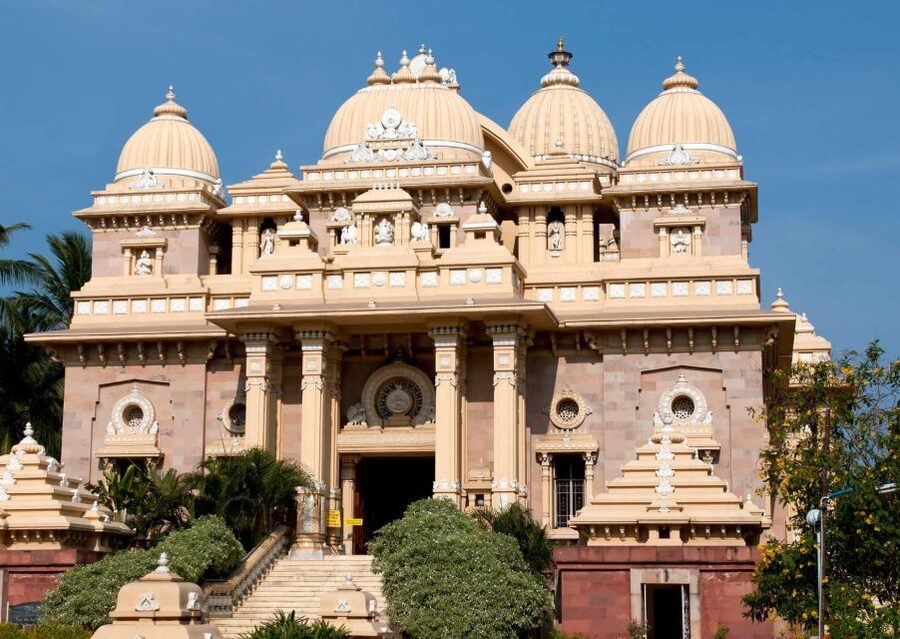
- Ramakrishna Math: Peace, Procedure, and Respect on Arrival
- Gavi Gangadhareshwara Temple: Learning to Read Stone and Ritual
- Ramanjaneya Gudda Temple: A Hill-Side Break in the Route
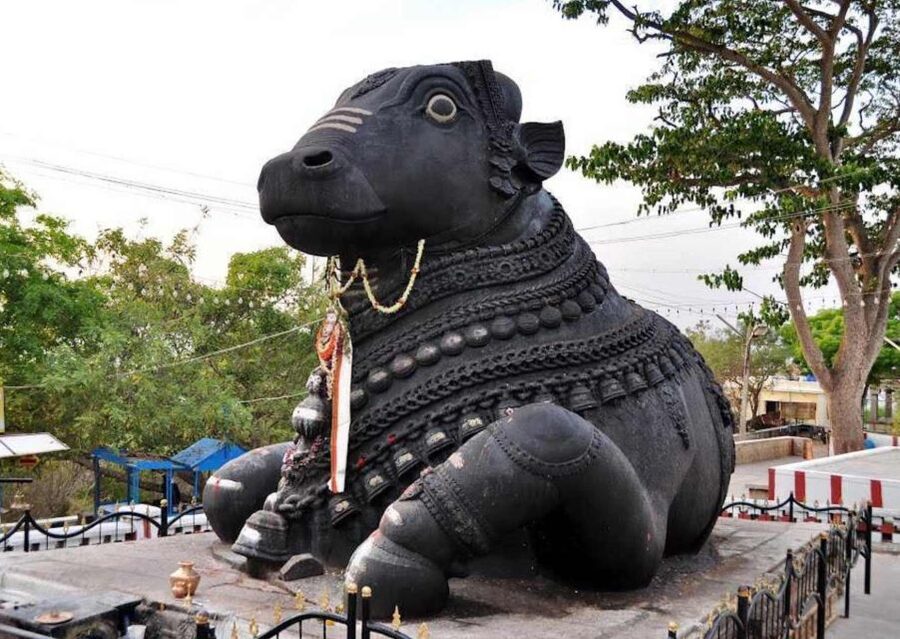
- Dodda Ganapathi Temple: Crowds, Timing, and Divine Energy
- Big Bull Temple: The Final Stop, and Why Pacing Matters
- Guide Style, Stories, and English and Hindi Support
- Price and Logistics: Is $18 Good Value for Two Hours?
- How to Prepare: Shoes, Dress, and Crowd-Day Mindset
- When the Tour Adds a Tuk-tuk: Watch for Surprise Costs
- Should You Book the Walk of Divinity Bangalore?
- FAQ
- How long is the Walk of Divinity Bangalore tour?
- What temples are included in the tour?
- What is the price per person?
- What languages is the guide available in?
- Is hotel pickup or drop included?
- Are water bottles and snacks included?
- What should I bring?
- What is the cancellation policy?
- Can I reserve now and pay later?
- If the guide suggests a tuk-tuk, is it included?
Key highlights you’ll feel right away
- Storytelling that explains what you’re seeing, not just where to stand
- English and Hindi guide support, handy if you’re not fluent locally
- A compact 2-hour circuit across five named temple stops
- Local recommendations to spend smarter while you keep exploring Bangalore
- Crowds can change the schedule, especially during major temple days
- Ask before you agree to any extra transport, since costs are not part of the stated inclusions
Bangalore and Mysore, more picks
Walking the Sacred Circuit in Central Bangalore
This is a short walking tour, which is exactly why I like it. Two hours forces the route to be focused, so you spend more time watching real worship and less time shuffling around to reach the next place.
You’ll visit five specific stops: Ramakrishna Math, Gavi Gangadhareshwara Temple, Ramanjaneya Gudda Temple, Dodda Ganapathi Temple, and Big Bull Temple. The order matters because crowds tend to build around the bigger, more famous sites, and the tour timing needs to match that reality.
It’s also a practical choice if you are short on time. For $18, you’re paying for guidance, storytelling, and on-the-spot orientation. That’s the part that tends to be expensive when you try to DIY. Without a guide, temples can feel like a photo assignment. With one, you start picking up the meaning behind what you see, plus you leave with local tips that can steer your next meals, neighborhoods, and sights.
Ramakrishna Math: Peace, Procedure, and Respect on Arrival
Ramakrishna Math is the kind of start that sets your whole tone for the walk. Even if you are not religious, you can usually feel the difference when you step into a place with steady routines and a calmer atmosphere.
In a tour like this, the value of the first stop is simple: it gives you context. Your guide can explain what to look for, how people typically conduct themselves, and what parts of the compound matter most. You also get a chance to learn the rhythm of temple spaces before the bigger crowd energy starts later.
This is also where you should pay attention to your own behavior. Temples are active places. I treat them like you would treat a church or monastery back home: quiet voice, slow steps, and no rushing for photos. If you have the wrong expectations, the calm can feel slow. If you come ready to slow down a notch, the atmosphere becomes the point.
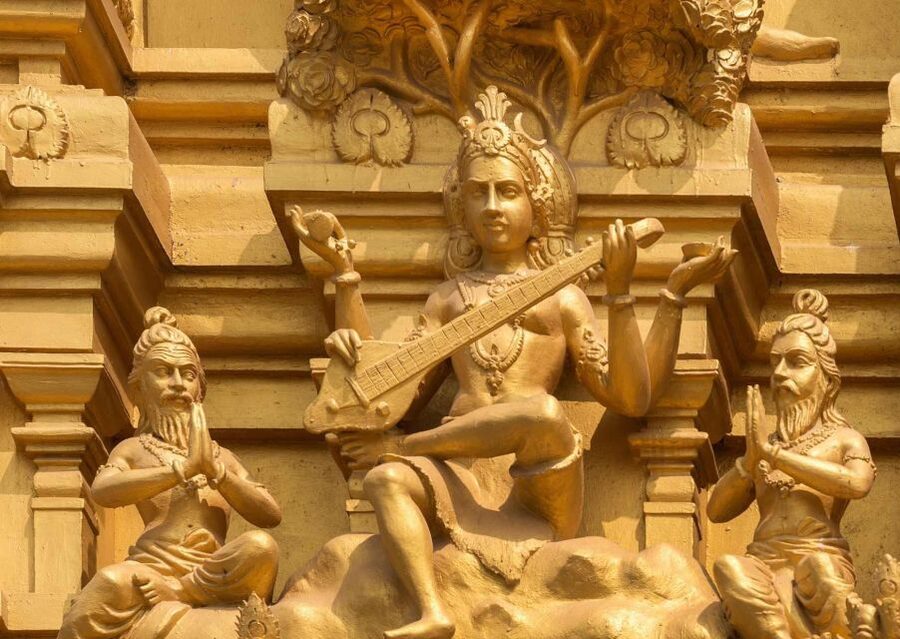
Gavi Gangadhareshwara Temple: Learning to Read Stone and Ritual
Next up is Gavi Gangadhareshwara Temple. With this kind of stop, the guide’s job is to help you notice details your eyes might otherwise skip.
You should expect explanations tied to the temple’s significance and the rituals you’ll see happening in and around the complex. That is the theme of this tour: each location is a small lesson. If you like understanding symbols, or you want to feel less like you are just passing through, you’ll get more out of this stop than you would on a quick photo trip.
Practical note: temple areas often have uneven surfaces, steps, and busy paths. Keep your shoes comfortable and your pace steady. One review even pointed out watching your footing and steps, which is good advice anywhere you’re walking in old temple corridors.
- Mysore tour from Bangalore by tourism ministry approved company★ 5.0 · 226 reviews
- Bengaluru Pete City Market Half-Day Walking Tour★ 5.0 · 163 reviews
- Experience Bangalore – City Tour, Authentic Food & market (Food/Culture/History)★ 5.0 · 156 reviews
- Tipu Palace + Koté Vishnu + Fort + KR Market + Jain Temple = Bengaluru Pété Walk★ 5.0 · 150 reviews
- Same Day Taj Mahal/Agra Tour From Bangalore with Return Flight★ 5.0 · 144 reviews
Ramanjaneya Gudda Temple: A Hill-Side Break in the Route
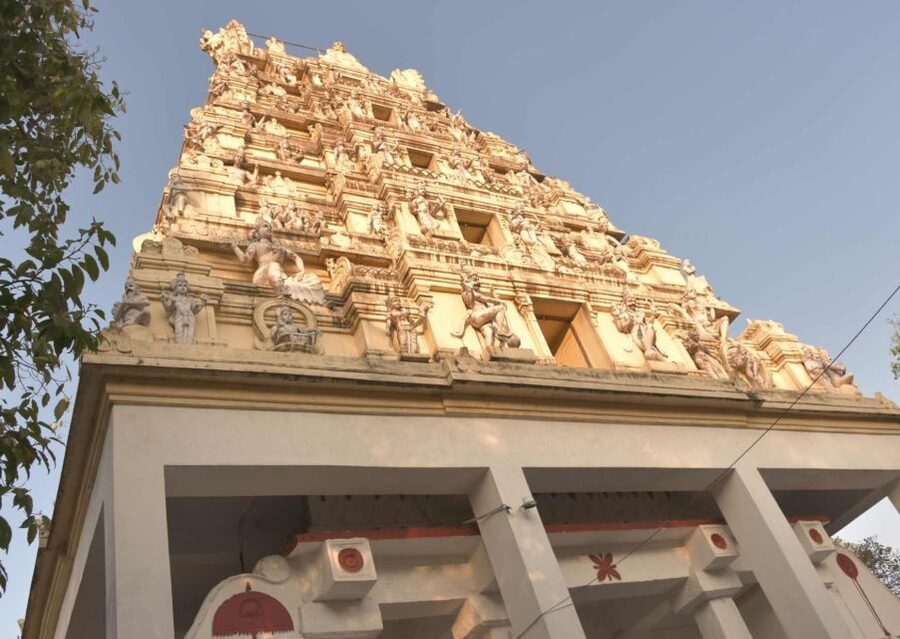
Then you’ll reach Ramanjaneya Gudda Temple. The name signals a hill-side setting, and even without inventing details, I think you should plan for a slightly different feel here compared with the flatter areas.
This stop is where a walking tour earns its name. You’re not only seeing sacred sites, you’re also seeing how worship fits into Bangalore’s real geography. A good guide will help you interpret the setting, explain who the site is associated with, and connect it to the next temple so the circuit feels like one story.
If you are the type who likes structure, this stop usually helps. You get a clear break, a new environment, and another set of explanations, all while still staying within the tour’s two-hour window. That time limit matters, because it keeps the pace moving without turning the experience into a long endurance event.
Dodda Ganapathi Temple: Crowds, Timing, and Divine Energy
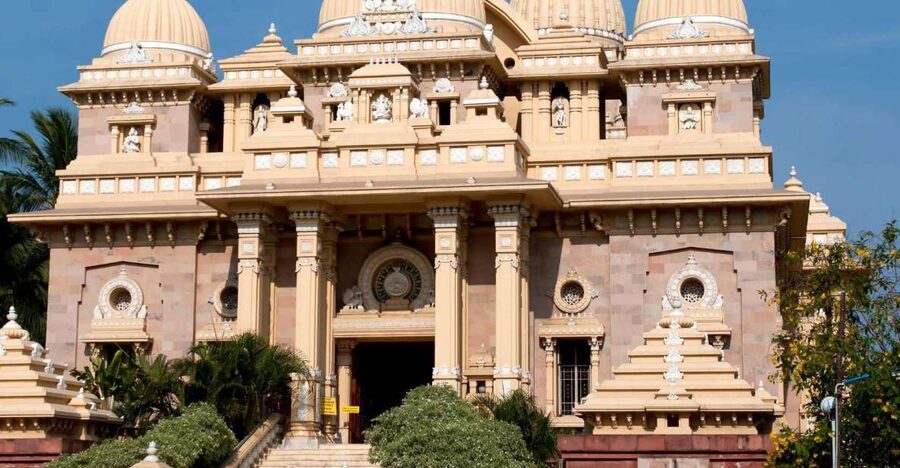
Dodda Ganapathi Temple is one of the big draws, and that comes with a real logistical reality. A major Shiva festival can create long queues, and in at least one case the queue time ended up being far longer than expected. The guide may offer options to keep the tour moving, including skipping a portion to avoid waiting hours.
Here’s the takeaway for you: check your mindset for the day you book. If you’re traveling during a temple festival period, assume crowds and delays are possible. It’s not a reason to panic, it’s just a reason to manage expectations.
This stop is also where you’ll likely appreciate the guide’s explanations the most. You’re there for the scale and the presence, but the real payoff comes when someone points out what you are seeing and why people treat the place with such attention.
If you hate uncertainty, plan to ask questions upfront during the tour intro. Simple questions help, like how long queue waits typically are on normal days, and what your alternatives are if the line is longer than you want.
Big Bull Temple: The Final Stop, and Why Pacing Matters
The Big Bull Temple is the last stop in the named circuit, and that’s a tricky position. Final stops can either feel like a satisfying finish, or they can feel rushed if the schedule gets squeezed by earlier crowds.
In the tour data you provided, one review described only about ten minutes at this stop and said there wasn’t much explanation. That matters, because if your goal is learning and context, you want time for at least the basics: what to notice, which parts matter, and how to interpret what you’re seeing before the tour ends.
The good news is that other experiences in the same tour series described plenty of explanation tied to rituals at each temple. So the experience can go either way depending on timing and guide approach that day.
For you, the smart move is simple: once you reach Big Bull Temple, don’t let it become a sprint. Ask one or two questions right then. If you feel the guide is moving too fast, you can request a moment for clearer explanations. You are paying for understanding, not just arrival photos.
Guide Style, Stories, and English and Hindi Support
The biggest strength of this tour is the guide. The inclusions list a highly trained, friendly Storyteller/Guide, and the reviews back that up with consistent praise for explanation and conversation.
Two guide names came up in the reviews: Maesh and Raghu. One review called out Maesh for having lots of explanations and making the visit enjoyable. Another highlighted Raghu’s English as one of the better options in Bangalore outside hotel settings, and also praised his ability to provide basic history and temple understanding for people who don’t speak the local language.
That’s the real value for many visitors. You are not just watching ceremonies. You’re learning the background story enough to connect the dots. If you want a smoother experience and fewer misunderstandings, language support matters. English and Hindi both being available is a practical advantage, especially if you can’t rely on your own local language skills.
One more plus: the guide is included in the experience as a conversation partner. That means you can ask practical questions. People also seem to appreciate the structure, described as flexible enough but still organized.
Price and Logistics: Is $18 Good Value for Two Hours?
Let’s talk value. At $18 per person for a 2-hour guided walking tour, you are paying for four things: a guide, storytelling, local tips/recommendations, and the time saved from figuring out a sensible temple route on your own.
You are not paying for hotel pickup and drop, and you should not expect water bottles or snacks. So budget for your own hydration and any small food needs before or after the tour. If you’re doing Bangalore in heat, this is not a detail you can ignore.
What you get instead is the guide-led interpretation of five named temples. For many cities, that combination is worth it because temples are easier to misunderstand than museums. A guide helps you avoid the common mistake of walking through sacred spaces like they are just scenery.
Is there risk? Yes, and it’s mostly tied to time and crowd variability. One review flagged that the tour ended in about 50 minutes instead of the full duration, and another said it was only 90 minutes because the guide came late. That’s not common in every experience, but it’s a real consideration for value.
If you need a tightly scheduled day, you might plan a buffer hour around this tour. That way, even if the day runs long due to queues, your overall itinerary stays intact.
How to Prepare: Shoes, Dress, and Crowd-Day Mindset
Bring comfortable shoes. That is not decorative advice. Walking tours in temple areas can mean small steps, uneven stones, and fast-moving paths where you do not want sore feet.
Dress matters too. One review advised being decently dressed, suggesting no shorts or sleeveless tops, and using a shawl if you’re wearing something sleeveless. Even if rules feel informal, it’s respectful and it usually helps you feel more comfortable once you’re inside worship areas.
For the crowd-day reality, I recommend you keep your expectations flexible, especially around big-name temples and festival periods. If lines are long, you may be offered options to skip sections or change the pacing. That’s normal for tours that have a strict time window.
Lastly, keep one practical mindset: the tour is short. Don’t try to pack another complicated plan immediately afterward. Give yourself time to cool down, grab water, and process what you learned.
When the Tour Adds a Tuk-tuk: Watch for Surprise Costs
Here’s one piece of real-world advice that stands out. One reviewer described being asked if they wanted a tuk-tuk after a long walk segment, and said it was not clearly communicated that they would need to pay for it. They also felt the tour became rushed at the end.
This doesn’t mean the tour always uses tuk-tuks. It does mean you should treat any offer of extra transport as a potential cost unless it is clearly included and explained.
My recommendation is boring but effective. If your guide suggests a tuk-tuk to shorten the route, ask: Is it optional and how much will it cost. Then decide. You’ll avoid awkward surprises, and you’ll feel in control of your day.
Also, if the tour seems to be cutting explanations short, speak up gently. A good guide will adjust, because the whole point is learning, not just checking boxes.
Should You Book the Walk of Divinity Bangalore?
Book it if you want a structured 2-hour temple circuit with English and Hindi guidance, and you value explanations of rituals and what you’re seeing. This is especially good for first-timers to Bangalore temple life who want to understand the setting quickly instead of guessing.
Skip or think twice if you are traveling during a major festival period and you cannot handle queue lines or timing shifts. Also consider skipping if you need perfectly predictable duration, because a few experiences described shorter-than-expected tour time or a guide arriving late.
My bottom line: this tour is good value when you go in with a respectful, flexible mindset. You’ll likely come away with better context for the temples and a handful of practical local tips to use the rest of your day.
FAQ
How long is the Walk of Divinity Bangalore tour?
It lasts 2 hours.
What temples are included in the tour?
The stops are Ramakrishna Math, Gavi Gangadhareshwara Temple, Ramanjaneya Gudda Temple, Dodda Ganapathi Temple, and Big Bull Temple.
What is the price per person?
The price is $18 per person.
What languages is the guide available in?
The live tour guide speaks English and Hindi.
Is hotel pickup or drop included?
No, hotel pickup and drop are not included.
Are water bottles and snacks included?
No, water bottles and snacks are not included.
What should I bring?
Wear comfortable shoes.
What is the cancellation policy?
You can cancel up to 24 hours in advance for a full refund.
Can I reserve now and pay later?
Yes, reserve now and pay later is available.
If the guide suggests a tuk-tuk, is it included?
It is not listed as included, and there have been cases where a tuk-tuk option was offered without clear mention of extra payment. Ask about any cost before agreeing.
Bangalore and Mysore, More Picks


Recently reviewed across Bangalore
- Private same day Taj Mahal tour from Banglore
★ 5.0 · 10 reviews - Pete City Walk
★ 5.0 · 10 reviews - Explore Bangalore’s Wild Side – An Exclusive Bannerghatta Safari!
★ 5.0 · 10 reviews - Bangalore The original Pub crawl Tour
★ 5.0 · 10 reviews - The story of Tipu Sultan, an immersive walking tour in Bangalore
★ 5.0 · 11 reviews - Private South Indian Cooking Class in Bangalore with a Local
★ 5.0 · 11 reviews
Bangalore and Mysore Tours, compared.
 ★ 5.0Discover Bangalore Through the Ages — Guided Tour with LunchFrom $115417 reviews
 ★ 5.0Best of Mysore, UNESCO Somnathpur Temple & Srirangapatna Day TourFrom $139384 reviews
 ★ 5.0(Mysuru) Mysore Day Out – A Royal Experience Private Tour from BangaloreFrom $125302 reviews
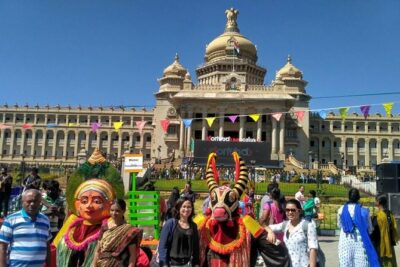 ★ 5.0Bangalore city tour with English guide & multi language supportFrom $115268 reviews
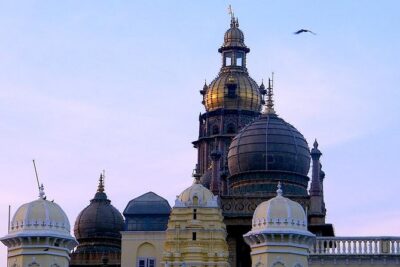 ★ 5.0Mysore tour from Bangalore by tourism ministry approved companyFrom $130226 reviews
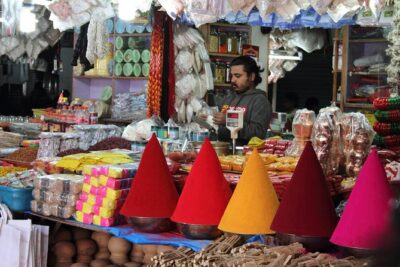 ★ 5.0Bengaluru Pete City Market Half-Day Walking TourFrom $60163 reviews
 ★ 5.0Experience Bangalore – City Tour, Authentic Food & market (Food/Culture/History)From $65156 reviews
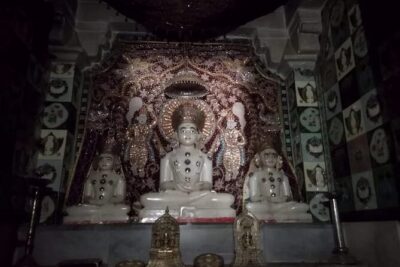 ★ 5.0Tipu Palace + Koté Vishnu + Fort + KR Market + Jain Temple = Bengaluru Pété WalkFrom $33150 reviews
Browse the lists this tour appears in