
REVIEW · CITY TOURS
Agra City Cultural Walk
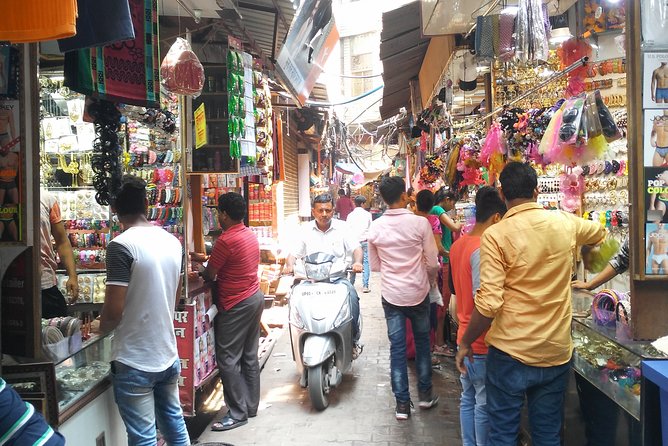
Agra wakes up fast, and this walk shows you how. You start early from your hotel and roll into the old city area in a battery-powered eco rickshaw, then step off to explore the by-lanes on foot as the place begins its day. Along the route, your guide connects everyday life with the city’s big historical layers, including Mughal-era power and later British influence, so you see more than just monuments.
I especially love the small, human pace of a walking format, because you notice details you’d miss from a car. I also like the hands-on guidance from Arif, with clear English and a sense of humor that keeps the facts easy to hold onto.
The main consideration is that the temple and mosque stops are short, so if you want long, slow time inside religious spaces, you may feel a bit rushed.
In This Review
- Key things I’d bet on before you go
- Early-Morning Agra, when streets are getting ready
- Battery rickshaw pickup that keeps things practical
- Stop at Agra Fort Railway Station: stories where travel meets power
- Shri Mankameshwar Mandir: a brief temple visit with local context
- Jama Masjid: a short stop that still teaches you how to look
- What Arif’s guidance adds (and why it matters)
- Price and value: $100 per person for a focused, guided morning
- The pace, walking realities, and who this suits best
- Dress code and comfort tips that make the visit smoother
- Street food expectations, and how to handle them
- Should you book this Agra city cultural walk?
- FAQ
- What is the duration of the Agra City Cultural Walk?
- Where does the tour take place?
- Does the tour include hotel pickup and drop-off?
- Is this tour private or shared with strangers?
- What stops are included in the tour?
- Are admission tickets included for the stops?
- What should I wear for the mosque and temple visits?
- Is bottled water provided?
- What happens if weather is bad?
- Can I cancel for a full refund?
Key things I’d bet on before you go
- Early-morning timing so you catch old Agra when daily routine is just starting.
- Battery-powered eco rickshaw pickup that gets you into the old city without the usual hassle.
- Guided stories tied to real streets instead of a checklist of sights.
- Three focused stops: Agra Fort Railway Station, Shri Mankameshwar Mandir, and Jama Masjid.
- Respectful visiting rules with a dress code that keeps the experience comfortable and appropriate.
- Good value for time with a 2.5 to 3 hour private format and hotel pickup and drop-off.
Shortlisting? Every Agra trip below went through the same review.



Early-Morning Agra, when streets are getting ready
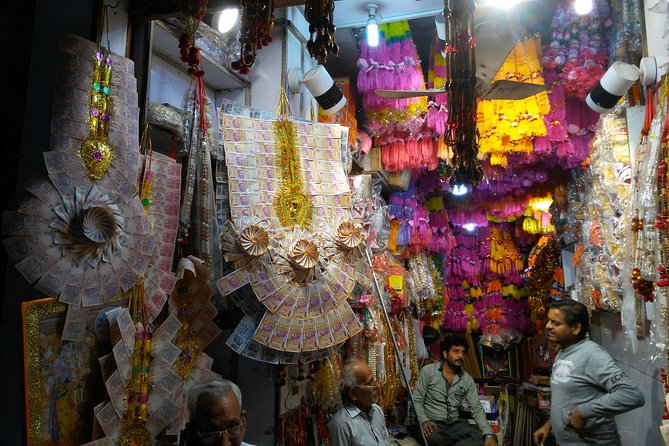
I like experiences that help you see a city before it fully becomes a performance. This walk is designed for that moment, early in the morning, when old Agra feels lived-in rather than staged. You’re picked up and taken toward the old city area, and then you leave the rickshaw to walk the tighter lanes where the rhythm is immediate.
That timing matters because architecture, religion, and commerce all show up differently at different hours. Morning gives you calmer foot traffic, more attention from shopkeepers and residents, and a better feel for daily life. It also makes photos easier, since the light is often kinder and the street energy is still settling.
Battery rickshaw pickup that keeps things practical
Your tour begins at your hotel with pickup, and the ride into the old city is in a battery-powered eco-friendly rickshaw. It’s not just a cute detail. It’s a practical way to get closer to where you’ll actually walk, without forcing you to fight traffic or navigate crowded drop-off points.
Once you reach the old city area, you get off and transition into walking through lanes. That change from vehicle to foot is where the tour becomes more personal. On foot, your guide can point out building styles, street-level activity, and small cues about how neighborhoods function. You also get a chance to pause briefly when it makes sense, instead of being rushed between gates.
Stop at Agra Fort Railway Station: stories where travel meets power
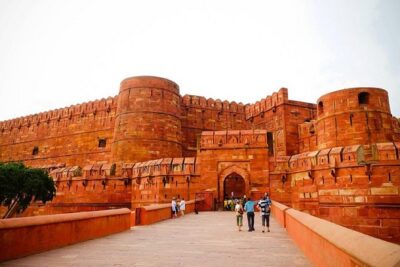
One of the first scheduled moments is Agra Fort Railway Station. You’ll spend about 10 minutes there, and the admission ticket is included. For a stop that might sound like a transportation waypoint, it actually works well in a cultural walk because it connects how people move with how cities grew.
A guide can turn a station area into a story about development over time, and that’s where the value shows. You’re not just looking at one building. You’re learning how the city’s importance and infrastructure shifted, and how everyday travel routes can sit close to larger historical narratives.
A short heads-up: stations can be busy even in the morning, and your guide will likely keep things moving. If you need extra time for photos, ask early so you don’t lose the flow.
- Agra: Taj Mahal & Mausoleum Skip-the-Line Tour with Options★ 4.9 · 456 reviews
- Private Guided Tour of Agra★ 5.0 · 420 reviews
- Taj Mahal, Agra Fort, Baby Taj & Mehtab Bagh Private City Tour★ 5.0 · 391 reviews
- Taj Mahal Skip-the-Line Guided Tour with Optional Add-ons★ 5.0 · 385 reviews
- Agra : Private Sunrise Taj Mahal & Agra City Tour★ 5.0 · 367 reviews
Shri Mankameshwar Mandir: a brief temple visit with local context
Next up is Shri Mankameshwar Mandir, also around 10 minutes, with the admission ticket listed as free. Temple stops like this are most meaningful when your guide helps you read what’s happening, not just where you’re standing.
In a walking format, this kind of stop is great for understanding religion as daily life. It’s not a distant museum setting. It’s something people return to, maintain, and weave into routines. Even with limited time, a good guide can explain symbols, the setting, and why the space matters to locals.
Practical note: you’ll be visiting places of worship, so plan to keep your behavior respectful and your pace calm. You’ll also want to follow the dress code, which brings me to an important part of your trip.
Jama Masjid: a short stop that still teaches you how to look
The tour includes a quick visit to Jama Masjid for about 5 minutes, with the admission ticket also free. Five minutes sounds short until you realize the goal here is not a long worship visit, it’s a guided orientation. Your guide can point out architectural details and explain how such a major mosque fits into the city’s layout and spiritual life.
Because the stop is brief, I recommend using it as a “zoom lens.” Look for shape, symmetry, and how the mosque interacts with the lane system around it. If you’re the type who likes to ask questions, this is a good moment to do it, because the guide can focus your attention fast.
If you’re hoping for long indoor time, adjust expectations. This tour is designed more as a city-walk story than a deep architectural tour.
What Arif’s guidance adds (and why it matters)
Arif is repeatedly praised for explaining things in clear English and keeping the tone friendly. That matters on a cultural walk, because the value isn’t only the sights, it’s the way the guide connects them. In places like old Agra, where you’re surrounded by layered architecture and active streets, a guide helps you make sense of what you’re seeing.
I especially like that the guide approach seems to combine big-picture timelines with street-level observation. One of the strengths mentioned is the way buildings and city areas changed over time. When you connect that to what’s happening right now on the street, the history becomes practical, not abstract.
Also, small interactions can add to the experience. One reviewer talked about picking up small perfume for a couple, which signals a guide who notices what visitors might enjoy beyond photos. That’s optional and personal, but it’s the kind of touch that makes a walk feel human rather than mechanical.
Price and value: $100 per person for a focused, guided morning
$100 per person for a 2.5 to 3 hour private walking experience in Agra is not the cheapest option. But it can feel fair when you add up what’s included and what you avoid.
You get hotel pickup and drop-off, a professional guide, bottled water, and admission coverage for at least one of the stops. You also get a private format, meaning you’re not trapped in a large group schedule. And since the tour is early, it helps you use a limited day effectively, especially if you’re combining Agra sights across multiple mornings.
If you’re traveling with just one or two people, private tours usually cost more. If you can share the experience with companions, the listed group discounts may help, depending on how your booking is set up.
My practical take: this is good value if you want context and you enjoy walking. If you only want photo opportunities and minimal talking, you might feel the price is higher than you need.
The pace, walking realities, and who this suits best
The tour asks for moderate physical fitness. That’s a polite way of saying you should be comfortable walking through uneven pavement and moving between short stops. In old city lanes, surfaces and crowds can vary, so bring a steady pace and expect a bit of stopping and starting.
This tour is best for:
- People who like guided explanations while they walk
- Travelers who want daily life in old Agra, not only postcard sites
- Couples and small groups who value a private, early start
- Anyone who prefers cultural context over long museum-style time
It may be less ideal if you hate early mornings or if you need lots of restroom breaks and long indoor time, since the structure is short stops and walking.
Dress code and comfort tips that make the visit smoother
You’ll visit a mosque and a temple, so the dress code matters: clothes that cover your knees and shoulders. I’m glad this is clearly stated because it avoids awkward last-minute decisions.
For comfort, plan for:
- Light layers for morning walking
- Shoes you can trust on sidewalks and lane surfaces
- A scarf or shawl if you’re wearing something that might need an extra cover
Also, bring water energy with you. Bottled water is included, but it’s still hot in many seasons, and you’ll be moving.
Street food expectations, and how to handle them
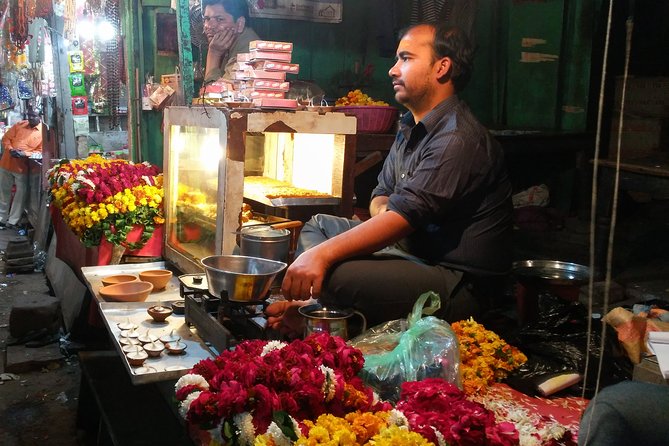
One thing that comes up in real experiences with this guide style is a street food moment. A reviewer mentioned an original Indian breakfast on the street during the tour. That suggests your guide may include a brief food stop or recommendation, but it is not listed as a guaranteed inclusion.
If breakfast is important to you, ask your guide early what they recommend and whether you’ll have time for a quick bite. That keeps it from turning into an unexpected detour.
Should you book this Agra city cultural walk?
Book it if you want an early-morning look at old Agra through a guide who can explain what you see, not just point at it. The private format, hotel pickup and drop-off, and the focus on daily life plus faith-related stops make it a smart way to spend a morning, especially if you want context around how the city developed.
Skip it or consider another option if you want longer time at each site, deep museum-style details, or a slower pace. This walk is built for movement and orientation, not for extended stays inside buildings.
My rule of thumb: if walking in the morning sounds like fun and you like stories tied to real streets, this is a strong choice.
FAQ
What is the duration of the Agra City Cultural Walk?
It runs about 2 hours 30 minutes to 3 hours.
Where does the tour take place?
The tour is in Agra, India.
Does the tour include hotel pickup and drop-off?
Yes. Hotel pickup and drop-off are included.
Is this tour private or shared with strangers?
It’s a private tour or activity. Only your group participates.
What stops are included in the tour?
The scheduled stops are Agra Fort Railway Station, Shri Mankameshwar Mandir, and Jama Masjid.
Are admission tickets included for the stops?
Admission ticket for Agra Fort Railway Station is included. Admission for Shri Mankameshwar Mandir and Jama Masjid is listed as free.
What should I wear for the mosque and temple visits?
You should wear clothes that cover your knees and shoulders.
Is bottled water provided?
Yes, bottled water is included.
What happens if weather is bad?
This experience requires good weather. If it’s canceled due to poor weather, you’ll be offered a different date or a full refund.
Can I cancel for a full refund?
Yes. You can cancel up to 24 hours in advance of the experience for a full refund.
Recently reviewed across Agra
- Agra : Best Evening Street Food & Local Bazar Tour in Agra.
★ 4.5 · 10 reviews - Agra City Cultural Walk
★ 5.0 · 10 reviews - Agra: Taj Mahal and Mausoleum Tour with Skip-the-Line Entry
★ 5.0 · 10 reviews - Skip-the-Line Taj Mahal VIP Entrance Tour
★ 5.0 · 11 reviews - Same Day Agra Tour By Gatimaan Express Train from delhi
★ 5.0 · 11 reviews - Taj Mahal visits with Licensed Guide with Entry Assistance
★ 5.0 · 11 reviews
City Tours, compared.
 ★ 5.0Old & New Delhi City Tour – Half or Full Day Options AvailableFrom $384,811 reviews
 ★ 5.0Old & New Delhi City Tour – Choose Half or Full Day ExperienceFrom $384,513 reviews
 ★ 5.0Spiritual City Walking Tour-THE Pushkar RouteFrom $6907 reviews
 ★ 5.0Old & New Delhi Private City Tour – Traveler’s Choice (Top Rated)From $13746 reviews
 ★ 5.0Jaipur City Private Day Tour from Delhi by Car – All InclusiveFrom $10589 reviews
 ★ 4.8Full Day City Highlights Day Tour & Ganges CruiseFrom $61520 reviews
 ★ 4.8Full-Day City Tour with Car, Guide & Skip-the-LineFrom $9512 reviews
 ★ 5.0Private Old and New Delhi City Full Day or Half Day TourFrom $21469 reviews
Browse the lists this tour appears in