
REVIEW · COOKING CLASSES
Agra: Indian Food Private Cooking Class
Cooking in an Agra home kitchen beats restaurants. This private Indian food class is interesting because you cook and learn from a real family setup, not a scripted studio. I love the chance to do hands-on cooking with simple, repeatable techniques, and I also like that you get private transport in a tuk-tuk to make the experience feel local. One possible drawback to consider is that English comfort can vary by session, so if language matters to you, you’ll want to plan ahead.
You’re in and out in about 2 to 2.5 hours, which makes it a smart add-on to a sightseeing day. Expect all the basics covered: cooking equipment, bottled water, and a host or greeter who communicates in English and Hindi. The class is designed around a few basic dishes plus some that feel a bit more advanced, so you’ll likely leave with more than just one recipe.
This is a home experience, so it comes with small household rules. Smoking indoors is not allowed, and the activity isn’t suitable for people over 95 years. If you prefer very controlled, chair-and-fork dining, you might find the home setting different from what you’re used to.
In This Review
- Key things to know before you book
- A private tuk-tuk trip to an Agra home kitchen
- What you cook in 2 to 2.5 hours
- Meet the mom-host and your translator setup
- The meal at home: how the session typically feels
- Price and value: why $27 is more than it sounds
- Comfort and safety checks before you go
- Practical packing list and tips for success
- Should you book Indian Food in Agra? My decision guide
- FAQ
- How long is the Agra Indian food private cooking class?
- Is this experience private or shared?
- What languages are used during the class?
- What’s included in the price?
- What is not included?
- Is there free cancellation?
- Do I have to pay immediately to reserve?
- Is smoking allowed indoors?
- Is the class suitable for elderly travelers?
- Is the meeting area easy to reach?
Key things to know before you book
- Private group format: you won’t share the class with strangers, which makes it easier to ask questions.
- Tuk-tuk included: you get private transportation by tuk-tuk, adding to the Agra street-life feeling.
- Cook more than watch: the activity focuses on teaching you dishes, not only talking about them.
- English or Hindi support: your host or greeter can help, but your experience may depend on who is instructing.
- Designed for short attention windows: the session runs about 2 to 2.5 hours, so it fits into a packed itinerary.
Shortlisting? Every Agra trip below went through the same review.




A private tuk-tuk trip to an Agra home kitchen
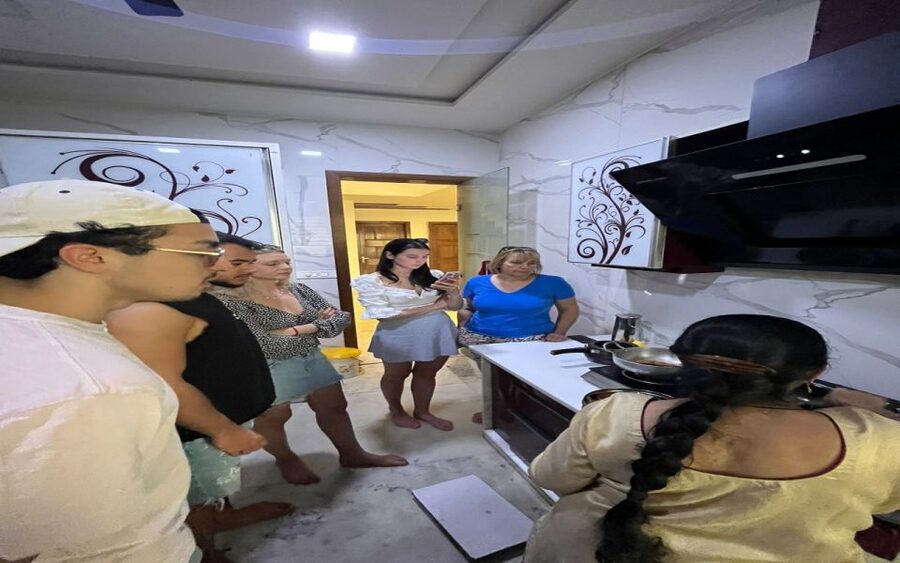
Agra is famous for monuments, but this experience brings you into daily life. The big practical win is the private group setup, meaning you get your own space and time to cook and ask questions. That matters in India, where the pace can be fast and a family kitchen can feel busy, even when everyone is kind.
You also get private tuk-tuk transportation, which simplifies one of the annoying parts of cooking classes in busy cities. Instead of figuring out rides and timing on your own, the activity includes transport as part of the plan. And since it’s described as near public transportation, you’re not completely stuck if you need to reposition quickly.
What I’d watch for: a private home experience can mean less predictability than a hotel workshop. Your kitchen setup, seating, and how the meal part works can vary by family. If you like structure, bring patience. If you like authenticity, you’re in the right place.
What you cook in 2 to 2.5 hours
This class is built around learning “few basic and some not so basic” Indian dishes, which is a nice balance for real-world cooking at home. The pacing is tight, so you won’t get a giant course-by-course education. Instead, you learn techniques you can repeat, then apply them to the dishes you make.
From the experience style and what people commonly do during these sessions, you should expect staples like breads and everyday curries to show up. Many participants specifically mention making roti and producing multiple dishes in the session. That’s useful, because bread teaches you hands-on dough feel and cooking temperature, while the curry component teaches spice layering.
Equipment is provided, so you don’t need to show up with tools or ingredients. Bottled water is included too, which helps with comfort during a slightly active, warm-kitchen experience. If you have dietary restrictions, the most practical move is to ask before booking what your options will be. The basic format is cooking teaching plus tasting what you prepare, so your needs should be discussed early.
A small timing reality: because the class is only 2 to 2.5 hours, you may not get perfect, slow mastery of every step. Think of it as a strong start. You’ll leave with a recipe and a method, then you can practice later.
Meet the mom-host and your translator setup
The heart of this activity is the home host, described as an Indian mom who loves cooking and hosting guests from around the world. That family-forward angle is what turns a spice lesson into something you can actually use. You’re not just following steps, you’re learning how someone cooks day to day.
Your host or greeter supports communication in English and Hindi. In practice, that usually means you can understand what’s happening, what spices do, and how the host wants you to handle ingredients. One key detail from past experiences is that English may sometimes come through a guide or translator, depending on who is actively teaching in the kitchen.
So here’s the smart strategy: if you care about exact measurements, ask early how “traditional” the cooking will be. Some home cooks teach by feel and taste, which is great, but it can be harder if you need standardized amounts. If you’re comfortable adjusting, you’ll likely enjoy how flexible the cooking feels.
Also, a lot of the warmth comes from the hosting style. People often talk about feeling welcomed quickly once they step into the home, which reduces the awkwardness that can happen when you’re a visitor in someone’s space. Just remember, it’s their house first, cooking class second.
- Agra: Taj Mahal & Mausoleum Skip-the-Line Tour with Options★ 4.9 · 456 reviews
- Private Guided Tour of Agra★ 5.0 · 420 reviews
- Taj Mahal, Agra Fort, Baby Taj & Mehtab Bagh Private City Tour★ 5.0 · 391 reviews
- Taj Mahal Skip-the-Line Guided Tour with Optional Add-ons★ 5.0 · 385 reviews
- Agra : Private Sunrise Taj Mahal & Agra City Tour★ 5.0 · 367 reviews
The meal at home: how the session typically feels
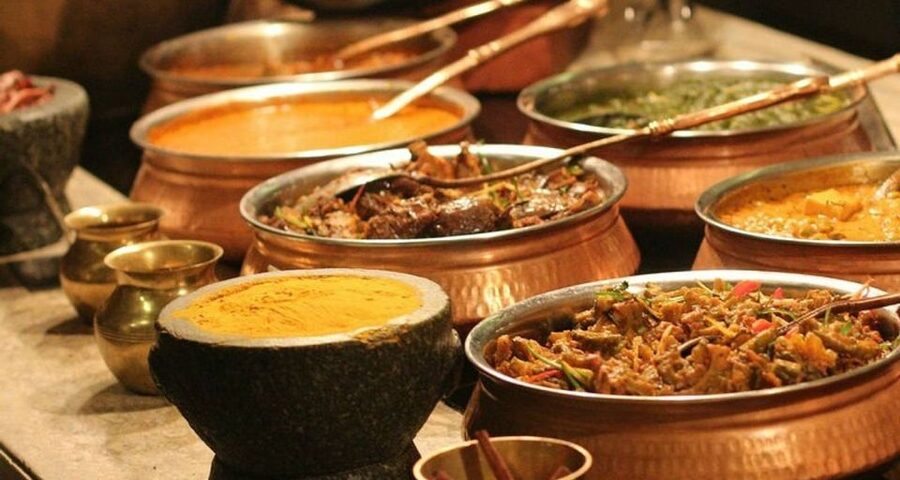
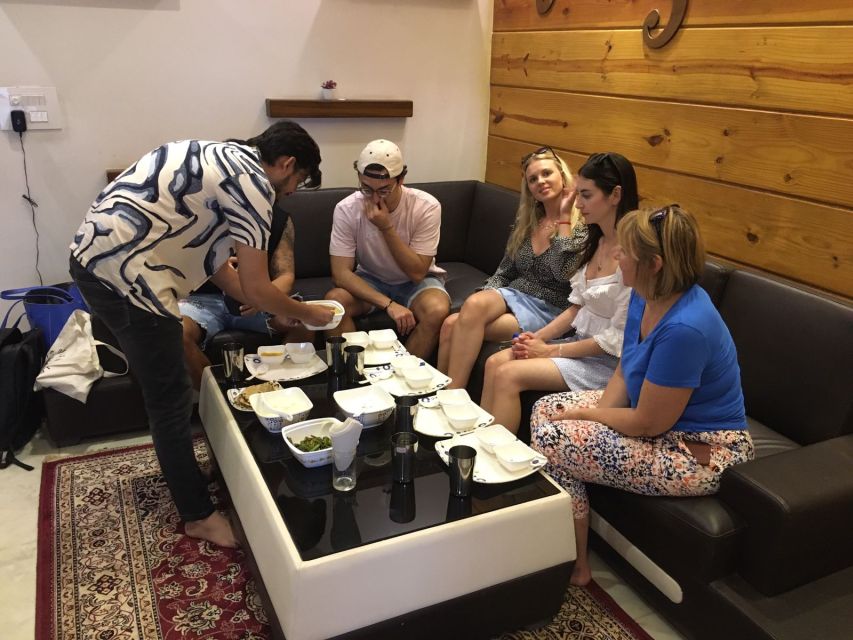
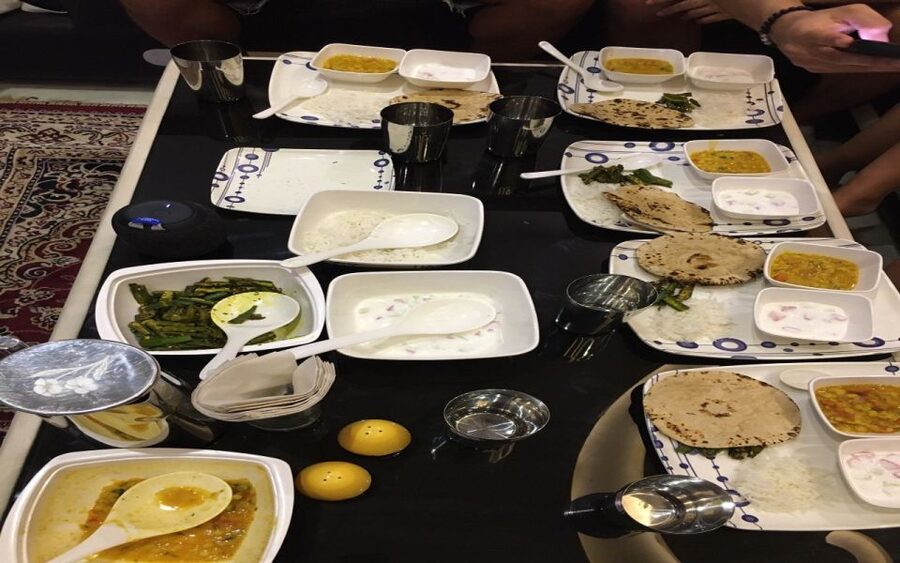
You’re not just cooking and leaving. The experience includes tasting the dishes you prepare, and it’s set up as a family meal moment. That’s one of the best parts of these home classes because you get to judge the results right away, and you can ask why something tastes the way it does.
The home dining format can feel informal compared with a restaurant. You might eat in a shared living space or a common area, and you might notice family members around, depending on the household flow. For many people, that’s charming and reassuring because it feels normal and lived-in.
Still, balance matters. Any home environment can have its own communication style, comfort boundaries, and atmosphere. One booking raised serious concerns about personal safety and privacy during questioning. I can’t verify details beyond what was shared, but it’s a clear reminder to you: if you have concerns about how you’ll be treated, ask direct questions before you go and consider choosing an option with clearer comfort guarantees.
If your goal is cultural connection through food, this is a strong match. If your goal is strict professionalism and distance, a home setting might feel too personal.
Price and value: why $27 is more than it sounds
At $27 per person for about 2 to 2.5 hours, the headline cost looks affordable. The better question is what you’re actually getting, and here the value adds up.
You get:
- Cooking equipment
- Bottled water
- Private tuk-tuk transportation
- A private group format
That combination usually costs more than the base class in most cities, especially once transport and a dedicated guide are included. And because it’s private, you’re less likely to lose time waiting for a crowd or missing instructions.
What’s not included is personal spending. That’s normal for this kind of experience, but it means you should budget only what you’d buy separately, like any extra snacks or drinks beyond the bottled water provided.
One more value angle: you’re learning a method you can reproduce at home. If the class helps you understand spice behavior and basic technique, the real “return on investment” happens months later when you’re cooking for friends and dialing in the flavors. That kind of payoff is hard to quantify, but it’s the main reason these home cooking classes earn strong ratings.
Comfort and safety checks before you go
This is where I encourage you to be practical. A home cooking class can be warm, but you’re stepping into a private space, so your comfort matters.
First, language. Even with English and Hindi listed for the host or greeter, communication can still depend on who is instructing at the moment. If you’re worried about not understanding key steps, message ahead and ask how the teaching will be handled in English.
Second, comfort and respectful boundaries. Since one booking described feeling unsafe and uncomfortable, don’t ignore that signal. If you have specific needs around privacy, orientation, or how personal questions should be handled, bring it up before booking. You can also choose to have a guide set the tone clearly at the start, if that option exists.
Third, mobility and age. The activity isn’t suitable for people over 95 years. If you’re near that range or have mobility limits, check that the home setup will work for you. Home cooking often means standing, kneading, and moving around a kitchen.
Finally, household rules. Smoking indoors is not allowed, which is good for comfort and health. If you are sensitive to smoke or you travel with asthma, that rule is a plus.
Practical packing list and tips for success
You don’t need to bring cooking equipment, but you can help your experience run smoothly with a few basics.
Bring:
- Comfortable clothes you can move in
- Closed-toe shoes you won’t mind getting a little spice on
- A small bag for water and essentials
- If you wear perfumes or strong scents, keep it light, since kitchens can get smell-sensitive
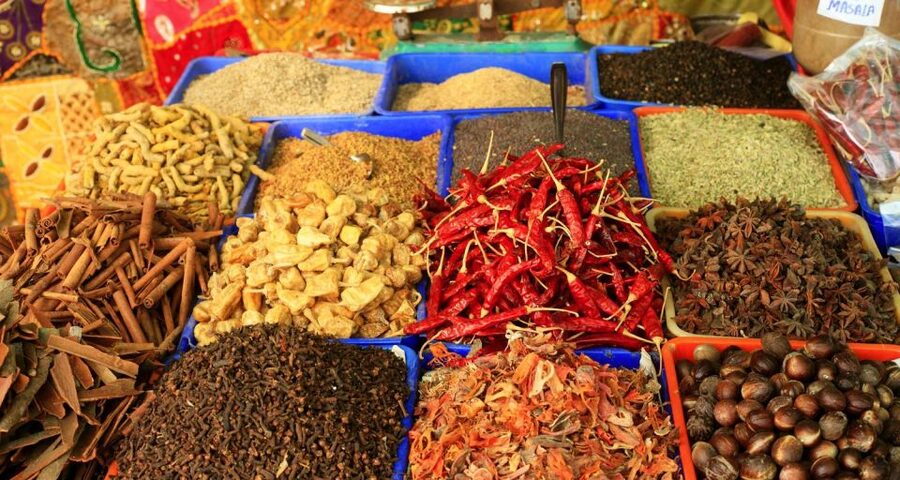
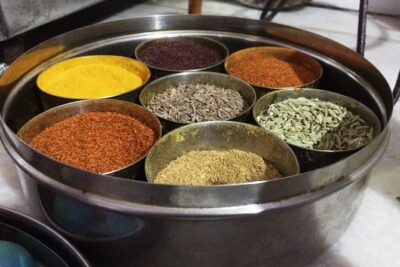
During the class, focus on process. Ask how the spice blend is built, not just which spices are used. In Indian cooking, technique and timing often matter as much as ingredients, and understanding that makes your home attempts more consistent.
Also, don’t underestimate the value of questions. The moment you taste a dish, ask what to adjust if it tastes too salty, too hot, or too flat. That kind of troubleshooting is what turns a nice afternoon into something that sticks.
If you’re traveling on a tight schedule in Agra, remember the class is 2 to 2.5 hours. Plan your pickup or travel time so you’re not rushing immediately before or after.
Should you book Indian Food in Agra? My decision guide
Book this class if you want a private, home-style cooking experience with tuk-tuk transport included, and if you like the idea of learning practical dishes and spice techniques you can repeat later. The format is short, friendly, and designed for getting real instruction, not just watching.
Skip it, or at least ask hard questions, if you need very predictable communication, strict separation from personal topics, or a highly structured “restaurant-like” class environment. Because it’s a family home, the tone can vary from one session to the next.
If you want, tell me your priorities, like vegetarian-only, spice sensitivity, English comfort, and your travel date, and I’ll help you decide what to confirm before you book.
FAQ
How long is the Agra Indian food private cooking class?
The duration is listed as 2 to 2.5 hours. You can check availability for starting times before you reserve.
Is this experience private or shared?
It’s a private tour or activity. Only your group will participate.
What languages are used during the class?
The host or greeter provides English and Hindi.
What’s included in the price?
All cooking equipment is provided, bottled water is included, and you get private tuk-tuk transportation.
What is not included?
Any personal expenses are not included.
Is there free cancellation?
Yes. You can cancel up to 24 hours in advance for a full refund.
Do I have to pay immediately to reserve?
No. The option is Reserve now and pay later, so you can book without paying today.
Is smoking allowed indoors?
No, smoking indoors is not allowed.
Is the class suitable for elderly travelers?
It is not suitable for people over 95 years.
Is the meeting area easy to reach?
The experience is listed as near public transportation, which should make getting there simpler.
Recently reviewed across Agra
- Agra : Best Evening Street Food & Local Bazar Tour in Agra.
★ 4.5 · 10 reviews - Agra City Cultural Walk
★ 5.0 · 10 reviews - Agra: Taj Mahal and Mausoleum Tour with Skip-the-Line Entry
★ 5.0 · 10 reviews - Skip-the-Line Taj Mahal VIP Entrance Tour
★ 5.0 · 11 reviews - Same Day Agra Tour By Gatimaan Express Train from delhi
★ 5.0 · 11 reviews - Taj Mahal visits with Licensed Guide with Entry Assistance
★ 5.0 · 11 reviews
Cooking Classes, compared.
 ★ 5.0Pink City Cooking ClassFrom $27452 reviews
 ★ 5.0Five Course Cooking Class & MealFrom $60250 reviews
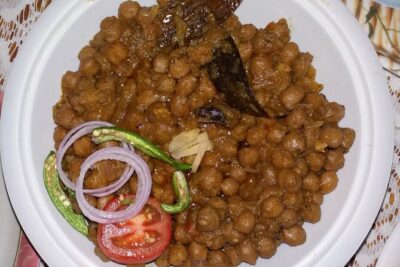 ★ 5.0Veg and Non veg : Private Cooking Class in Delhi home (7 meal)From $47226 reviews
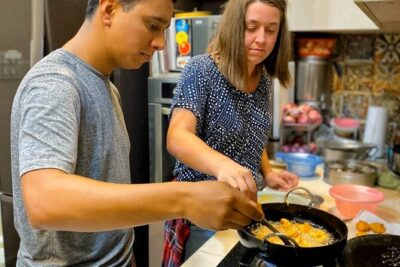 ★ 5.0Indian Cooking Class in an Authentic Local Home – Learn 6 DishesFrom $50195 reviews
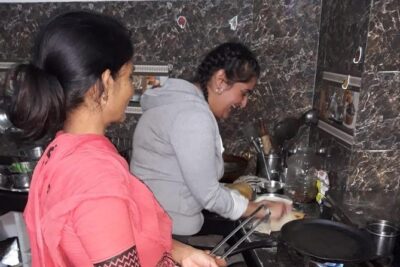 ★ 5.0Durga Cooking ClassFrom $15159 reviews
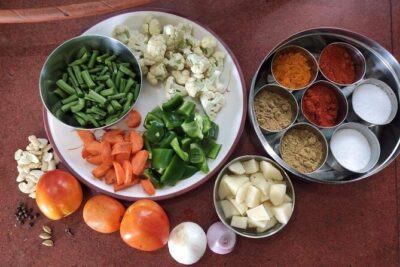 ★ 5.0Private Guided Cooking Workshop Experience in JodhphurFrom $36158 reviews
 ★ 5.0Jaipur Market Tour & Vegetarian Rajasthani Home Cooking ClassFrom $60113 reviews
 ★ 5.0Cooking Class in Jaipur – Family Experience with Meal & TransportFrom $29101 reviews
Browse the lists this tour appears in