
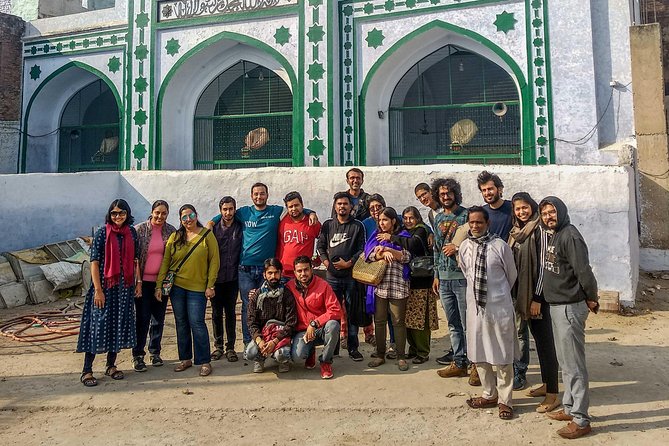
REVIEW · CITY TOURS
Agra, The City through Poetry
Poetry makes Agra feel different fast. This private walk moves you beyond the big monuments and into the city’s literary roots, with stops tied to Nazir Akbarabadi, Mir Taqi Mir, Ghalib, and other voices. I especially like that it’s built for conversation, not just sightseeing, and that you get practical help for photos and pacing at street level.
Two things I really like: the way the guide connects Urdu poetry and Mughal-era culture to what you see on the ground, and the handout you take home with poetry verses and photographs. One thing to plan for is that this is a walking experience through Agra’s older streets, so you’ll want a moderate fitness level and a weather window, since good conditions matter.
In This Review
- Key Points Before You Go
- Why Agra, The City through Poetry Feels More Personal Than a Monument Tour
- Starting at Jama Masjid: The Walk’s First Cultural Anchor
- Mirza Ghalib’s Birthplace and the Late Mughal Shift Toward Urdu
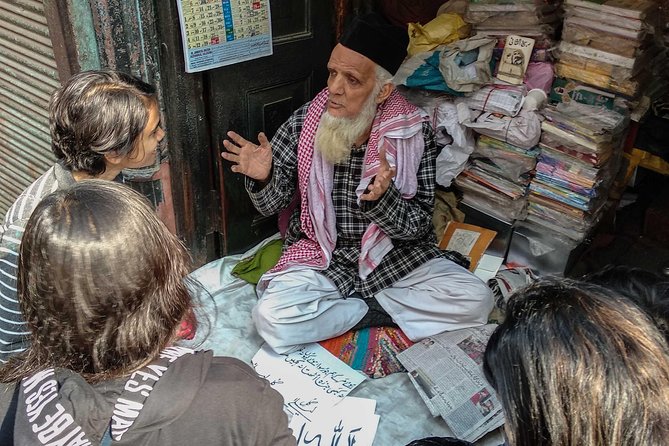
- A Calligraphy Workshop for Urdu, Script, and Language
- Nazir Akbarabadi on a 16th-Century Shopping Street
- Khankhana Katra and Abdur Rahim Khankhana’s Poetic Voice
- How the Guide Keeps the Walk Moving, Not Just Talking
- The Take-Home Handout With Verses and Photos
- Price, Value, and When to Book
- Who This Tour Is For
- Should You Book Agra, The City through Poetry?
- FAQ
- Where does the tour start?
- What time does the tour begin?
- How long is the poetry walk?
- Is this a private tour?
- What ticket or format do I receive?
- Is there anything included besides the walking?
- Will the guide help with photos?
- Is the tour physically demanding?
- Is it near public transportation?
- What if the weather is bad?
- Do I get free cancellation?
Key Points Before You Go
- Private, group-only walk gives you real time to ask questions and steer the pace
- Jama Masjid start sets a cultural and architectural tone before you reach poet-related sites
- Urdu calligraphy workshop explains how script and language shaped Mughal-era literature
- 16th-century silk-route shopping street turns history into something you can actually picture
- Take-home handout includes selected poetry verses and photographs for later reading
Shortlisting? Every Agra trip below went through the same review.

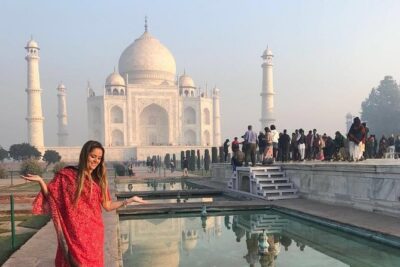
Why Agra, The City through Poetry Feels More Personal Than a Monument Tour
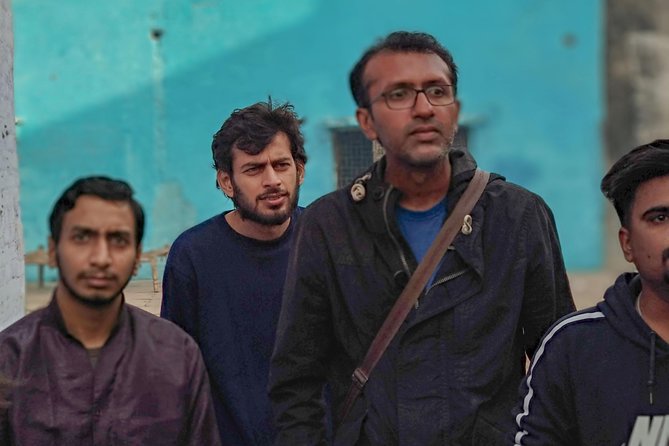
Agra can be overwhelming if you only chase the headline sights. This walk gives you a quieter kind of context, the one you feel when you’re moving through real neighborhoods and hearing why people wrote what they wrote.
You’ll spend about 2 to 3 hours on foot, starting at 5:00 pm, and you’ll move at your preferred pace. That matters here because poetry is slow by nature. Your guide can pause when you want, help with photos when you ask, and keep the story grounded in what you see.
This is also good value for readers who want depth without turning it into a long day. At $44.28 per person, you’re paying for a focused, local guide, plus a take-home handout. If you’re the type who reads the world through stories, this tour will feel like the city finally makes sense.
Starting at Jama Masjid: The Walk’s First Cultural Anchor
You begin at Jama Masjid Agra, in the Subash Bazar and Kinari Bazar area, with the walk ending back at the same meeting point. It’s a smart starting choice because Jama Masjid is not just a landmark, it’s a reference point for how people gather, pray, and live around major institutions.
From the start, your guide frames the walk around poets and language, not just stone and streets. That approach helps you stop treating every site as a separate stop and start seeing how the city’s culture overlaps.
Practical tip: arrive a few minutes early so you’re not rushing at street level. When the walk starts on time, the guide can keep a calm rhythm through the older lanes.
Mirza Ghalib’s Birthplace and the Late Mughal Shift Toward Urdu
One of the most meaningful parts of the route is the stop at Mirza Ghalib’s birthplace. Here, the focus is on his writing genre and on how Urdu poetry gained ground in the late Mughal period.
Why this is valuable is simple: it gives you a lens. Instead of memorizing names, you understand how Urdu literature evolved in a specific time and place, and why that shift matters when you look at Agra’s cultural layers.
If you like poetry with historical context, this is the moment where the tour pays off. You’ll likely find yourself listening differently to the verses because you can place them in a broader story of language, society, and courtly life.
- Agra: Taj Mahal & Mausoleum Skip-the-Line Tour with Options★ 4.9 · 456 reviews
- Private Guided Tour of Agra★ 5.0 · 420 reviews
- Taj Mahal, Agra Fort, Baby Taj & Mehtab Bagh Private City Tour★ 5.0 · 391 reviews
- Taj Mahal Skip-the-Line Guided Tour with Optional Add-ons★ 5.0 · 385 reviews
- Agra : Private Sunrise Taj Mahal & Agra City Tour★ 5.0 · 367 reviews
A Calligraphy Workshop for Urdu, Script, and Language
After Ghalib, the walk includes a calligraphy workshop tied to Urdu’s script. The discussion connects the visual side of writing to the bigger theme of how language and literature developed during Mughal rule.
This part is often what makes a poetry walk feel real, because calligraphy is hands-on storytelling. You see that Urdu isn’t just something people recited, it was also something people shaped on paper, and that shape carried meaning.
If you’re interested in languages, writing systems, or just the beauty of lettering, you’ll probably enjoy this segment a lot. It’s also a good reset after walking, letting you slow down and concentrate.
Nazir Akbarabadi on a 16th-Century Shopping Street
Next comes a walk down a 16th-century shopping street, remembered as an important part of the silk route. This is one of those details that can sound academic until you’re actually walking there.
Along the way, you’ll read a couple of verses from Nazir Akbarabadi. The goal is to show how he documented the city’s socio-economic details, meaning his poetry wasn’t floating in the abstract. It reflected what people were buying, trading, and experiencing in everyday life.
This is a great stop if you like the intersection of commerce and culture. You start noticing how markets and mobility shape the kind of poetry a city produces.
Practical tip for photos: bring your phone camera settings in mind. Street scenes can be bright or shaded depending on the lane, so quick adjustments help.
Khankhana Katra and Abdur Rahim Khankhana’s Poetic Voice
The walk continues to Khankhana Katra, where you connect the area to Abdur Rahim Khankhana. The tour includes reading related verse here, tying the location to the poet’s presence in the city’s literary world.
One benefit of placing this stop after the silk-route street is contrast. You go from trade and daily life to a different flavor of cultural memory, where poetry and place stay linked through names and local sites.
This stop also fits the tour’s broader tone: it moves across multiple cultural threads without forcing them into one narrative. If you have questions about how poets lived, how language traveled, or why Agra mattered beyond the monuments, you can ask your guide here and keep the ideas flowing.
How the Guide Keeps the Walk Moving, Not Just Talking
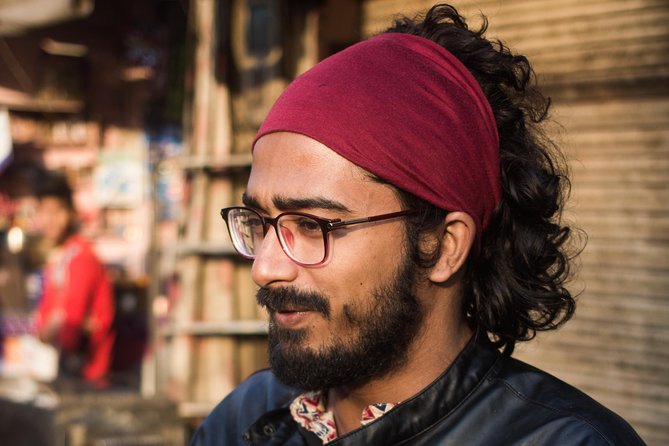
A private tour helps in a way you can feel right away. Only your group participates, so you’re not squeezed into someone else’s timeline, and your guide can adapt the flow to your interests.
The best guides on this kind of route do one key thing: they tie each site back to the poetry theme. That means when you walk past a location, you’re not just hearing what it is, you’re hearing why a poet’s work would connect to it.
If your guide offers photo help, take it. Even simple guidance like where to stand or how to frame a lane can make a huge difference in older city areas where the angles are tight.
The Take-Home Handout With Verses and Photos
At the end, you take home a handout with selected poetry verses and photographs. This is more than a souvenir, it’s a way to extend the tour after you leave Agra.
Here’s how you can use it: read the verses once right away so the locations still feel fresh. Then, later in your trip, revisit a verse and link it to the place in your mind. It helps you remember the city through its words, not only through its buildings.
I also like that the handout mixes text and images. Even if poetry isn’t your usual thing, the photos let you anchor the language to visuals.
Price, Value, and When to Book
The price is $44.28 per person for a 2 to 3 hour private walk, with a mobile ticket. That’s a pretty good rate when you compare it to paying for transportation plus a generic guide. Here you’re paying for a themed guide who can explain connections between poets, language, and specific city sites.
You’ll also want to book ahead. This kind of walk is typically reserved around 86 days in advance on average, which suggests it fills up for people who plan their Agra day carefully. If you’re traveling during peak season or have a tight schedule, I’d lock it in early.
Who This Tour Is For
This walk fits you best if you:
- Want something different from the usual Taj Mahal checklist
- Like Urdu poetry, Mughal-era context, or cultural storytelling
- Prefer walking with time to ask questions and stop for photos
It might not be your ideal choice if you want a high-volume hit list of monuments or if you’re only interested in large-ticket photography spots. This experience is about reading the city through poets, and the pace reflects that.
If you do monuments too, pair this with another visit earlier in the day. Then you can see Agra in two ways: the iconic faces and the literary voice.
Should You Book Agra, The City through Poetry?
Yes, if you want Agra to feel like more than a photo backdrop. The private format, the poet-linked stops, and the Urdu calligraphy segment make it a focused cultural experience. The take-home handout with verses and photos is also a practical bonus, since it helps you remember the tour when the trip gets busy.
I’d think twice only if you’re expecting a short, casual stroll with zero learning component. This walk asks you to pay attention to poetry and language connections. Also, because it’s weather-dependent and involves walking older streets, come with a moderate fitness level and a realistic plan for the late-afternoon start.
If you’re ready for Agra through words, not just monuments, this is an easy yes.
FAQ
Where does the tour start?
It starts at Jama Masjid Agra, Subash Bazar, Kinari Bazar, Hing ki Mandi, Mantola, Agra, Uttar Pradesh 282003, India.
What time does the tour begin?
The start time is 5:00 pm.
How long is the poetry walk?
It runs for about 2 to 3 hours.
Is this a private tour?
Yes. It’s a private tour/activity, and only your group will participate.
What ticket or format do I receive?
You receive a mobile ticket.
Is there anything included besides the walking?
Yes. You’ll take home a handout with selected poetry verses and photographs.
Will the guide help with photos?
Yes. The guide can help you take photos and you can explore at your preferred pace.
Is the tour physically demanding?
You should have a moderate physical fitness level since it’s a walking tour.
Is it near public transportation?
Yes, it’s listed as near public transportation.
What if the weather is bad?
This experience requires good weather. If it’s canceled due to poor weather, you’ll be offered a different date or a full refund.
Do I get free cancellation?
You can cancel for a full refund up to 24 hours before the experience’s start time. If you cancel less than 24 hours before, it is not refunded.
Recently reviewed across Agra
- Agra : Best Evening Street Food & Local Bazar Tour in Agra.
★ 4.5 · 10 reviews - Agra City Cultural Walk
★ 5.0 · 10 reviews - Agra: Taj Mahal and Mausoleum Tour with Skip-the-Line Entry
★ 5.0 · 10 reviews - Skip-the-Line Taj Mahal VIP Entrance Tour
★ 5.0 · 11 reviews - Same Day Agra Tour By Gatimaan Express Train from delhi
★ 5.0 · 11 reviews - Taj Mahal visits with Licensed Guide with Entry Assistance
★ 5.0 · 11 reviews
City Tours, compared.
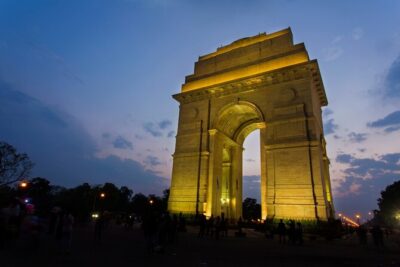
 ★ 5.0Old & New Delhi City Tour – Half or Full Day Options AvailableFrom $384,811 reviews
 ★ 5.0Old & New Delhi City Tour – Choose Half or Full Day ExperienceFrom $384,513 reviews
 ★ 5.0Spiritual City Walking Tour-THE Pushkar RouteFrom $6907 reviews
 ★ 5.0Old & New Delhi Private City Tour – Traveler’s Choice (Top Rated)From $13746 reviews
 ★ 5.0Jaipur City Private Day Tour from Delhi by Car – All InclusiveFrom $10589 reviews
 ★ 4.8Full Day City Highlights Day Tour & Ganges CruiseFrom $61520 reviews
 ★ 4.8Full-Day City Tour with Car, Guide & Skip-the-LineFrom $9512 reviews
 ★ 5.0Private Old and New Delhi City Full Day or Half Day TourFrom $21469 reviews