

REVIEW · HISTORICAL TOURS
Fortkochi Heritage Walking tour with a local guide
Old Kochi comes alive on foot. With Biju, a local storyteller born in the historic streets, this walk turns architecture, food, and street scenes into real stories, not trivia. I especially liked the storytelling approach and the chance to see the ginger warehouses and spice trade legacy up close, alongside daily-life stops.
The main trade-off is simple: you are walking for about 3 to 3.5 hours, plus short tuk-tuk rides. Plan for heat and sun, especially if you choose a later start, and keep in mind the tour is not suitable for wheelchair users, people with mobility impairments, or pregnant guests.
In This Review
- Key highlights to look for
- Fort Kochi heritage with a local storyteller named Biju
- The route basics: Fort Kochi, Mattancherry, and Jew Town on one shared thread
- Portuguese and Dutch Kochi: architecture you can read, not just photograph
- Spice trade legacy: ginger warehouses and how trade shaped daily work
- Papadam, candles, and Dhobi Khana laundry: culture you can watch
- Chinese fishing nets: a short sight with big emotional impact
- Jew Town and the Paradesi Synagogue: respect with context
- How the tuk-tuk rides and walking time fit together
- Meeting point, getting started fast, and what to bring
- Price and value: is $25 fair for what you get?
- Should you book this Fort Kochi heritage walk?
- FAQ
- Where is the meeting point for the Fort Kochi heritage walking tour?
- How long is the tour, and how much walking is involved?
- What is included in the $25 price, and what is not?
- Are the Dutch Palace and Paradesi Synagogue open every day?
- What should I bring and how should I dress?
- Is this tour suitable for people with mobility issues or pregnancy?
Key highlights to look for

- Biju’s Old Kochi perspective: born and raised in the area, with access to parts of town other visitors may not reach.
- Colonial-era landmarks in context: Portuguese-style churches, the Dutch Palace, and a freedom fighters’ jail.
- Spice trade in practical places: ginger warehouses and spice processing areas, explained as a working system.
- Hands-on culture stops: traditional candle-making, papadam-making, and Dhobi Khana laundry.
- Jew Town focus and the Paradesi Synagogue: stories tied to coexistence and royal connections.
- Chinese fishing nets up close: a memorable moment of seeing them in action near the shoreline.
Shortlisting? Every Kochi trip below went through the same review.


Fort Kochi heritage with a local storyteller named Biju
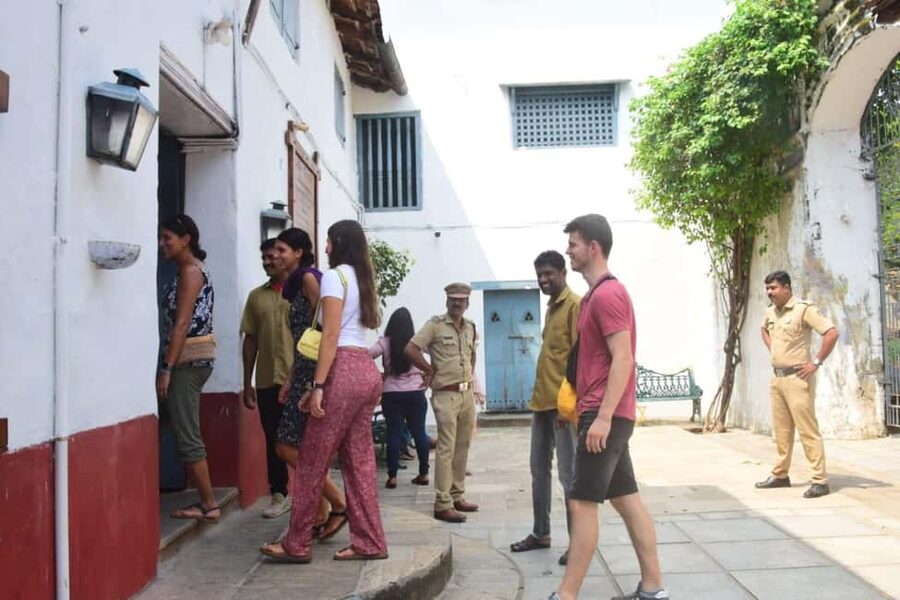
This is the kind of Old Kochi tour that works because it is led by a person who actually grew up there. Biju brings the neighborhoods to life with local street knowledge, plus the kind of backstory you only get when someone learned it from family and neighbors, not just from books.
I love how the walk links human stories to physical places. A church, a palace, a narrow lane, even a working laundry area, all get explained in a way that makes the city feel connected, not like disconnected photo spots. You will also get plenty of commentary on how different groups shaped Kochi’s culture, including Arab, Chinese, Portuguese, Dutch, and British influences.
The “local insider” advantage matters here because Fort Kochi and the surrounding areas can feel confusing on your own. When you do not know what to look for, colonial buildings and old markets blur together. With Biju, you get signposts for what you are seeing and why it mattered.
The route basics: Fort Kochi, Mattancherry, and Jew Town on one shared thread
You start in Fort Kochi and spend time moving through Mattancherry and Jew Town, with short tuk-tuk rides mixed into the walking. The total time is 3 hours, and the walking component is designed to be manageable, but it is still real walking. If you like to stop often for photos and look closely at details, you’ll still have time, but wear supportive shoes.
This is not just about landmarks. The real point is the cultural mix that grew from trade and settlement. Arab, Chinese, Portuguese, Dutch, and British influences show up in how neighborhoods developed and in the kinds of customs you still see today. You will notice how the city’s role as a spice trading hub shaped everyday life, from what people made to what they sold.
The best part is how Jew Town is handled with care and context. You visit the Paradesi Synagogue area and hear stories connected to the historic Jewish community in Kochi, including ties with the royal family of Kochi. That context helps you look at the neighborhood with respect, instead of treating it like a checklist.
Portuguese and Dutch Kochi: architecture you can read, not just photograph
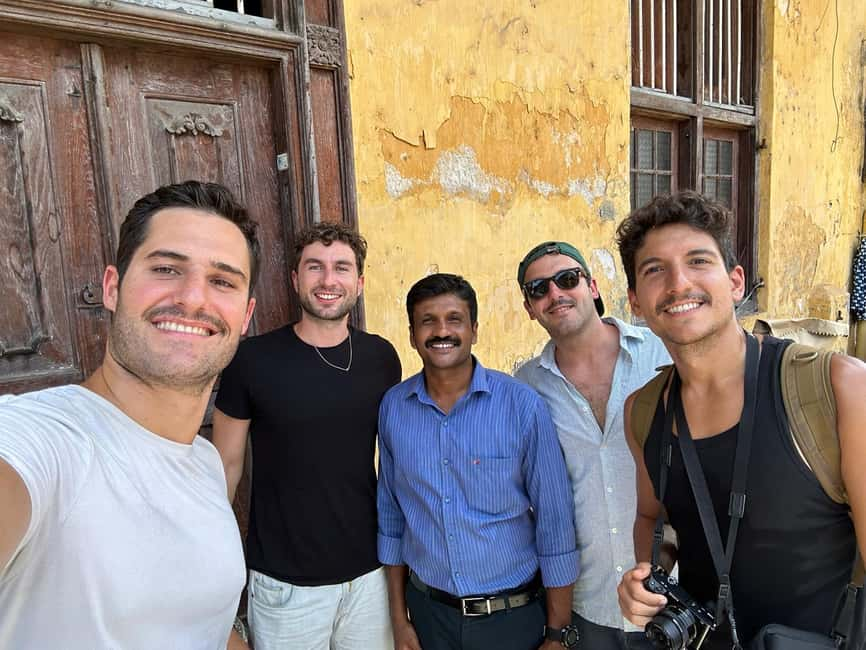
One of the most satisfying parts of this walk is how it teaches you to “read” buildings. You are not just told where things are. You get explanations for what European presence looked like on the ground, and how those structures became part of the city’s long story.
On the colonial side, you’ll see Portuguese-style churches and the Dutch Palace in Mattancherry. The Dutch Palace (Mattancherry Palace) is included, so you can plan for a proper visit rather than just viewing from outside. You’ll also hear about the city’s time as a European stronghold, with details that connect politics to architecture.
Then there is the freedom fighters’ jail, a smaller, easy-to-miss piece of the story. It is included as a stop if it is opened, and it adds real weight to the walk by connecting Kochi’s colonial era to India’s independence movement.
Practical tip: if you are the type who likes to photograph, go slowly near the palace and church areas. You’ll get better stories when you are not rushing your attention.
- Adventure Tuk Tuk Tour in kochi – A Private Guided Tour with Hotel Pick up★ 5.0 · 579 reviews
- Cochin: Backwater Village Eco Boat Cruise with Lunch★ 4.8 · 502 reviews
- Full Day Backwater Village Punting Boat Cruise★ 5.0 · 393 reviews
- Kochi: Private Tuk-Tuk City Tour with Hotel Pickup★ 4.8 · 292 reviews
- 5 Days Luxury Kerala Tour with Houseboat Experience★ 4.5 · 279 reviews
Spice trade legacy: ginger warehouses and how trade shaped daily work
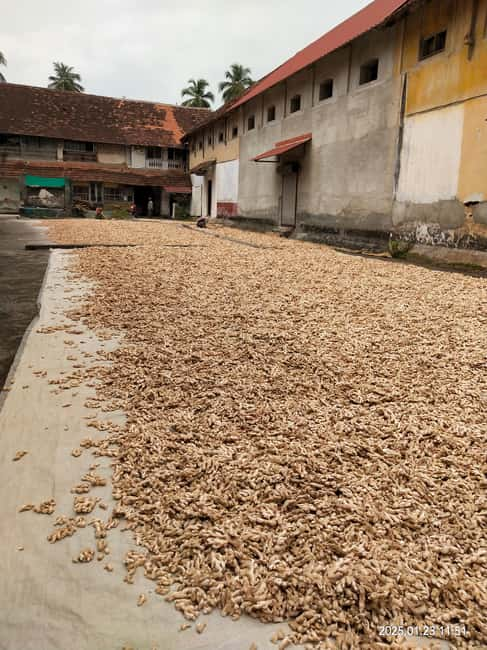
Kochi’s spice reputation is famous, but the value of this tour is that you see the working side of the legacy, not just the marketing version. You visit spice warehouses and spice processing areas, with special attention to ginger warehouses.
Ginger might sound like a random choice until you learn why it mattered in trade networks. When you see places where spices were stored and handled, you start to understand how the city’s wealth, connections, and cultural mix formed over time. It also helps you connect the dots to what you taste later, because spice trade is not only a historical topic here, it is part of what people still do.
You also stop at artisan units connected to daily foods and household use, like papadam-making. That matters because spice trade did not only move through ships. It also moved into kitchens, markets, and homes, becoming a routine rather than a distant story.
If you want to understand Kochi beyond beach photos, this is where the tour earns its keep.
Papadam, candles, and Dhobi Khana laundry: culture you can watch
This tour does a smart thing: it includes stops that show traditional production in action. Candle-making and papadam-making are both included stops, and they give you a window into how crafts tie to local life. You are not just learning names and dates. You are watching processes that still matter.
Then comes Dhobi Khana laundry, an open-air laundry area where you can see routine work in a real setting. This is one of those moments where you feel the city’s rhythm, because laundry is everyday labor, not staged performance. The tour framing helps you understand what you are seeing without turning it into a spectacle.
One note for your planning: these are working or semi-working stops, so timing can affect what is visibly active. Local markets and artisan units may have limited activity on Sundays and public holidays, so if you are going on those days, keep your expectations flexible.
Chinese fishing nets: a short sight with big emotional impact
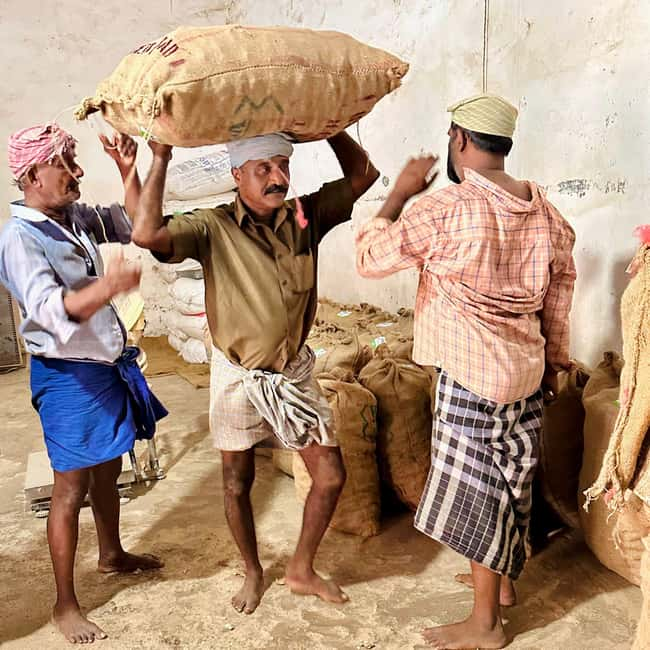
The Chinese fishing nets are one of the best known icons around Fort Kochi, but the difference here is the closeness and timing. You get to see them in action at close range, which makes them feel less like a distant postcard and more like a living practice tied to local livelihoods.
Biju’s style helps too. He connects what you see to broader historical influence, so the nets are not treated like a novelty. They become part of Kochi’s long story of trading relationships and coastal life.
If you want one moment you can picture later when you remember the tour, it is likely this. Even people who think they already “know” the nets tend to walk away impressed once they see them operating.
Jew Town and the Paradesi Synagogue: respect with context
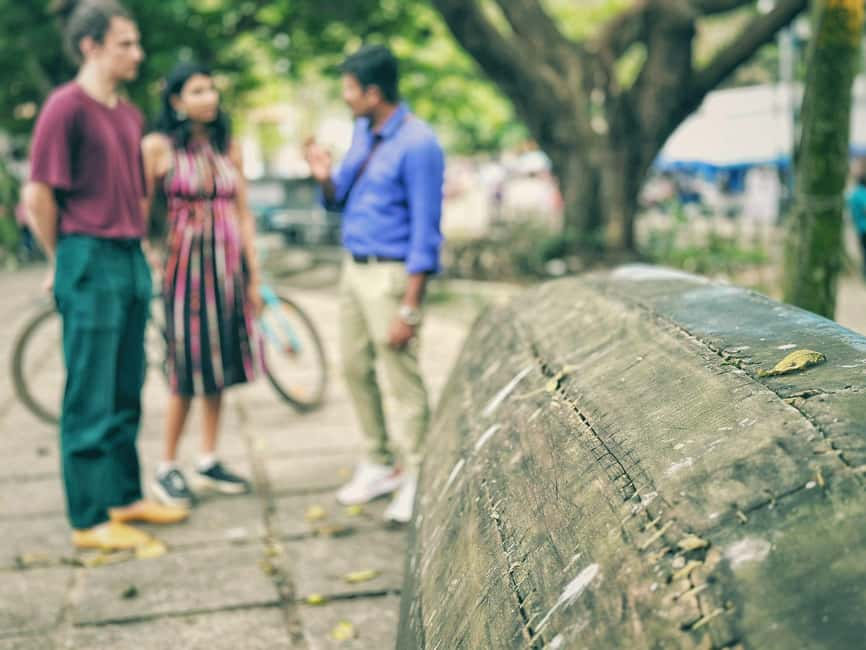
Jew Town is where the tour shifts from trade and colonial influences to community life. You visit the Paradesi Synagogue area, and you learn about the historic Jewish community of Kochi and their relationship with the royal family of Kochi. You also hear stories about a tradition of peaceful coexistence that shaped how the neighborhoods functioned.
Because the synagogue entrance fees are not included, plan for that cost if you want to go inside. You can still benefit from the surrounding area and the storytelling stops, but budgeting the entrance fee avoids surprises.
There is also a scheduling catch to know: Paradesi Synagogue is closed on Friday afternoon, Saturdays, and Jewish holidays. On those days, the tour includes alternate sights, but you will not get the same synagogue timing.
If you are visiting on one of those closure days, tell yourself the goal is context, not only access. You’ll still come away with a much better understanding of Jew Town’s role in Kochi.
How the tuk-tuk rides and walking time fit together
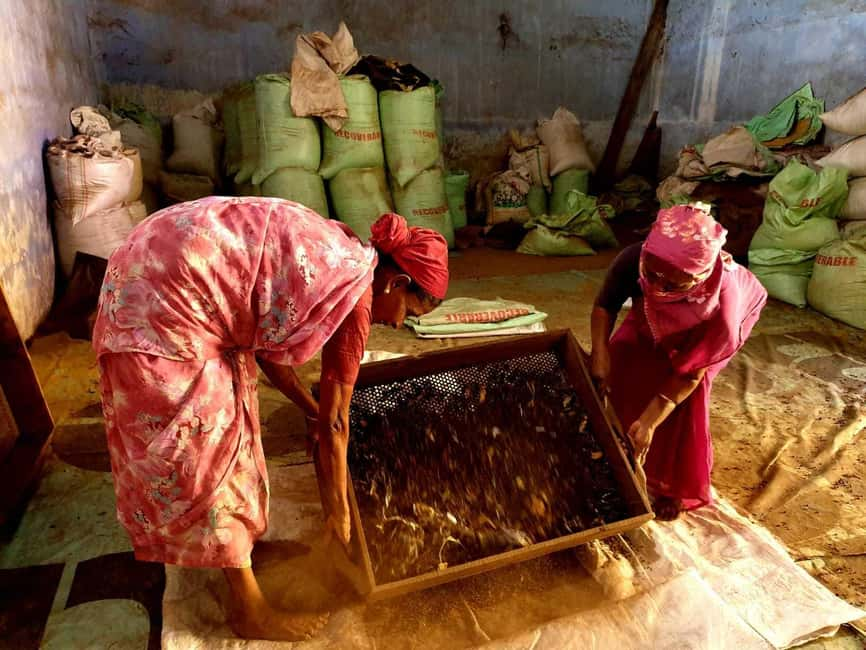
This is a walking tour combined with short tuk-tuk rides. That blend is practical in Fort Kochi and Mattancherry because distances add up quickly, and some lanes are not the kind you want to cover at a sprint.
You should be comfortable walking for up to 3 to 3.5 hours, even with the help of tuk-tuks. If you have limited mobility, severe back problems, or heart conditions, this is not recommended. Pregnant guests are also not suitable for this format.
Also, earlier or cooler times make a big difference. In February, I would avoid a 2 pm to 5 pm slot if you are heat-sensitive. The day can get hot and humid, and you want your energy for the stories, not for fanning yourself every five minutes.
Meeting point, getting started fast, and what to bring
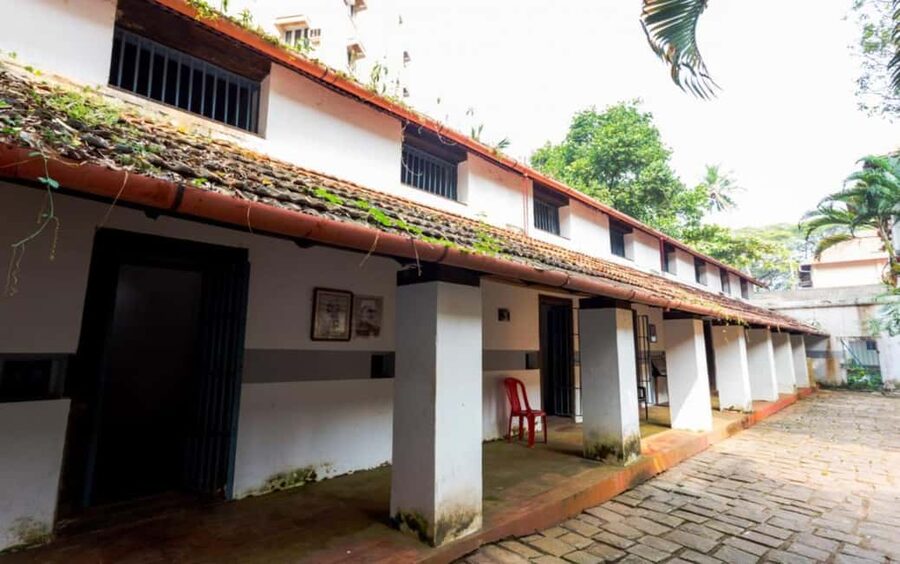
Meet your guide in front of Kashi Art Café, Burger Street, Fort Nagar, Fort Kochi, Kerala 682001, India. Arrive 10 minutes before the start time. Your guide will ask your name, and the tour confirmation process includes sharing guide details via WhatsApp or email before you go.
If you want to feel comfortable from the first minute, pack what this tour asks for:
- Comfortable shoes (you will walk a lot)
- Sunglasses and sunscreen
- Hat and scarf
- Umbrella (good insurance for sun or quick rain)
- Insect repellent
Dress matters too. Avoid short skirts and sleeveless shirts. This is partly for comfort, and partly for being respectful in local neighborhoods.
One simple mindset shift helps: treat the tour like a slow, story-led walk through living neighborhoods. The more you look at small details, the more the guide’s explanations “land.”
Price and value: is $25 fair for what you get?
At $25 per person for a 3-hour guided heritage walk, this is good value if you want more than a surface scan of Fort Kochi. You are paying for three things that are hard to replicate alone: storytelling by a local born in Old Kochi, multiple culturally specific stops, and access to key places.
The included entry to Dutch Palace (Mattancherry Palace) is a meaningful piece of value. The freedom fighters’ jail stop is included if it is opened. Plus, you get visits to traditional artisan units like papadam-making and candle-making, and a stop at Dhobi Khana laundry. Those are not “drive-by” themes, they are integrated into the route.
What is not included also affects value planning. Synagogue entrance fees are not included, and lunch or snacks are not included. Tuk-tuk transfer fees from Fort Kochi to Mattancherry are also not included, even though short tuk-tuk rides are part of the experience. If you want to avoid extra spending, eat light beforehand and keep a small amount set aside for a synagogue entrance if you’re visiting when it is open.
If you like history but you prefer it tied to real streets and real tasks, $25 can feel like a bargain.
Should you book this Fort Kochi heritage walk?
I think you should book this tour if you want Old Kochi to make sense fast, without doing hours of solo research. It works especially well if you care about cultural influences, colonial-era architecture, spice trade context, and you like seeing everyday work like papadam-making and Dhobi Khana laundry. The guide, Biju, is a big reason the experience feels personal and not generic.
Skip it, or at least rethink timing, if you dislike sustained walking or you have mobility or health limitations that make 3 to 3.5 hours on foot difficult. Also be careful with afternoon starts in hot months. If you are flexible, a cooler morning can make the whole experience better.
FAQ
Where is the meeting point for the Fort Kochi heritage walking tour?
You meet your local guide in front of Kashi Art Café in Fort Kochi. The address listed is Burger Street, Fort Nagar, Fort Kochi, Kerala 682001, India. The guide details are shared via WhatsApp or email before the tour, and your guide will ask your name when you arrive.
How long is the tour, and how much walking is involved?
The tour lasts 3 hours. It is a walking tour with short tuk-tuk rides, and you should be comfortable walking for up to 3 to 3.5 hours.
What is included in the $25 price, and what is not?
Included items are the guided walking tour with a local expert, storytelling stops across Fort Kochi, Mattancherry, and Jew Town, entry to Dutch Palace (Mattancherry Palace), and a visit to the freedom fighters’ jail if it is opened. Stops include spice warehouses and artisan units such as papadam-making, candle-making, and laundry. Not included are tuk-tuk transfer fees from Fort Kochi to Mattancherry, synagogue entrance fees, lunch or snacks, and personal purchases.
Are the Dutch Palace and Paradesi Synagogue open every day?
No. Dutch Palace is closed on Fridays. Paradesi Synagogue is closed on Friday afternoon, Saturdays, and Jewish holidays. On those days, alternate sights are included.
What should I bring and how should I dress?
Bring comfortable shoes, sunglasses, a hat, an umbrella, sunscreen, insect repellent, and a scarf. Avoid short skirts and sleeveless shirts.
Is this tour suitable for people with mobility issues or pregnancy?
This tour is not recommended for guests with limited mobility, severe back problems, or heart conditions, and it is not suitable for wheelchair users or pregnant women. Children must be accompanied by an adult, and it is suitable for children aged 6 and above.
Recently reviewed across Kochi
- Kerala premium private tour for 7 nights 8 days with houseboat
★ 5.0 · 10 reviews - Cochin Private guided Tuk Tuk tours with pick up from cruise ships
★ 4.5 · 10 reviews - Multi Day Private Guided Tour of Kerala from Kochi by Car
★ 5.0 · 10 reviews - Kochi Village Life Experience tour – The Real Tour of Kochi !
★ 5.0 · 11 reviews - Private Alleppey Backwater Houseboat DayTour with Taxi from Kochi
★ 5.0 · 11 reviews - 4 Hours Private Village Life Experience in Kochi with Pickup
★ 5.0 · 11 reviews
Historical Tours, compared.
 ★ 5.0Old Delhi Food, Heritage&Cultural Walk with Rickshaw ride to Masterji Kee HaveliFrom $52742 reviews
 ★ 5.0Blue City Heritage Private Walking Tour With Pickup and Drop-OffFrom $11441 reviews
 ★ 4.0Kolkata Heritage Tram TourFrom $60395 reviews
 ★ 5.0Private Heritage Walking Tour in Jaisalmer Fort and Old BazaarFrom $10306 reviews
 ★ 4.8Panaji: Heritage Walk through Goa’s Latin QuarterFrom $12291 reviews
 ★ 5.0Old Delhi Heritage Walking TourFrom $13247 reviews
 ★ 5.03-hour Old Delhi Heritage Walking tour with Rickshaw RideFrom $7240 reviews
 ★ 5.0Jodhpur Blue City Heritage Walking Guided TourFrom $13240 reviews
Browse the lists this tour appears in