
REVIEW · KOLKATA HERITAGE TOURS
Kolkata Heritage Tram Tour
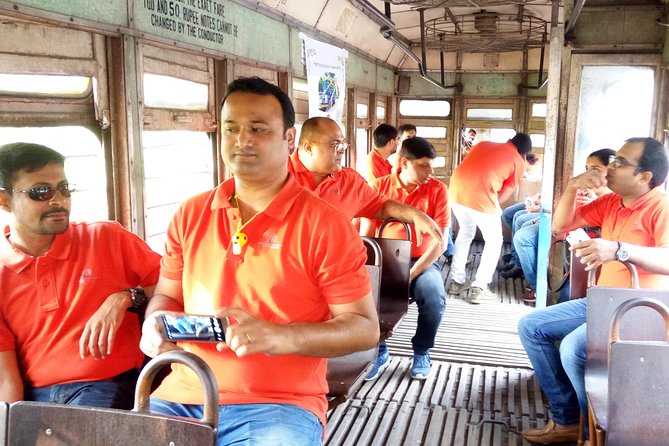
Trams in Kolkata still run for a reason. This Kolkata Heritage Tram Tour is a fast, fun way to get your bearings, with snacks and refreshments during a 2 to 3 hour ride plus stops at major landmarks. The tradeoff is simple: it starts at 7:00 am, so you will want an early rise.
What I like most is how the route blends everyday Kolkata with big-name sights. I also like the way guides such as Mr. Arif and Haris connect the buildings and streets to real local life, not just dates.
One consideration: the sound can be tough at street level. A guide may be hard to hear at times because of high noise levels, even if the information is there.
In This Review
- Quick highlights
- Why Kolkata’s Heritage Tram Tour beats another walking day
- Price, time, and group size: what you’re really paying for
- The 7:00 am plan: how the route gives you Kolkata in one loop
- Stop-by-stop: what you will see and why each place matters
- Birla Mandir, plus another Birla-built landmark
- Church serenity, then the General Episcopal Cemetery
- Assembly of God Church School and Maulana Azad College
- Sacred Heart Church and Tipu Sultan Masjid
- Thoburn Memorial Methodist Church and the Lord Jesus Church area
- The Muslim Institute foundation, West Bengal Urdu Academy, and a heritage book stop
- Nonapukur Tram, birthplace of Calcutta Tramways
- Mother House: Mother Teresa’s home and resting place
- Snacks, refreshments, and the small comfort that keeps you going
- What makes the guide work: Mr. Arif and Haris as the real engine
- Getting your money’s worth on a tram tour
- Weather and the 7:00 am start: practical considerations
- Who this tour suits best
- Should you book this Kolkata Heritage Tram Tour?
- FAQ
- What is the duration of the Kolkata Heritage Tram Tour?
- How much does the tour cost?
- Is pickup offered, and do I need to print anything?
- How early does the tour start?
- How many people are in the group?
- What is included besides the tram ride?
- What if the weather is bad?
- Can I cancel and get a full refund?
Quick highlights
- Ride a working heritage tram, with the fun of hopping on a real, old-style city vehicle
- Snacks and refreshments included, and you get a generous snack bag
- Landmark stops across religions and neighborhoods, from temples and mosques to churches and schools
- Nonapukur Tram stop includes the birthplace of Calcutta Tramways
- Guides with deep local roots, including Mr. Arif and Haris (broad knowledge and integrity)
- Bring your hearing smarts, since noise can drown out the guide
More Kolkata streets we have walked
Why Kolkata’s Heritage Tram Tour beats another walking day
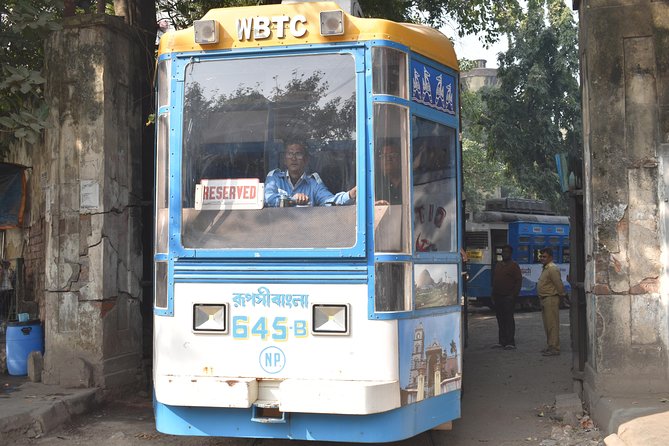
Kolkata has India’s only tram network still running, and that changes the feel of a sightseeing day. Instead of pounding the pavement and fighting traffic at every corner, you travel by tram and watch the city slide past. It is a small thing, but it makes a big difference when the streets are busy and the morning heat is already creeping in.
I also like the pacing. You get a structured path to follow, but the stops are chosen to show how the city actually works. You will see places tied to worship, education, public life, and community history, all within a short time window.
The tour also works as a practical primer. If Kolkata is new to you, you will learn where major landmarks sit, how different communities cluster in the same central areas, and what to look for as you explore on your own later.
Price, time, and group size: what you’re really paying for
The price is $60 per person for about 2 to 3 hours. That is not cheap compared to a basic city bus ticket, but it makes sense when you factor in two things: guided stops and the tram experience itself. You are not just getting transit, you are getting someone to connect each stop to what it means in Kolkata.
You also get pickup offered and a mobile ticket, plus confirmation at booking. If you dislike the stress of figuring out meeting points early in the day, that helps.
Group size is capped at 20 travelers, which keeps the tour from turning into a moving crowd. Smaller groups are easier for guides to manage, and you tend to get clearer answers at each stop.
The 7:00 am plan: how the route gives you Kolkata in one loop
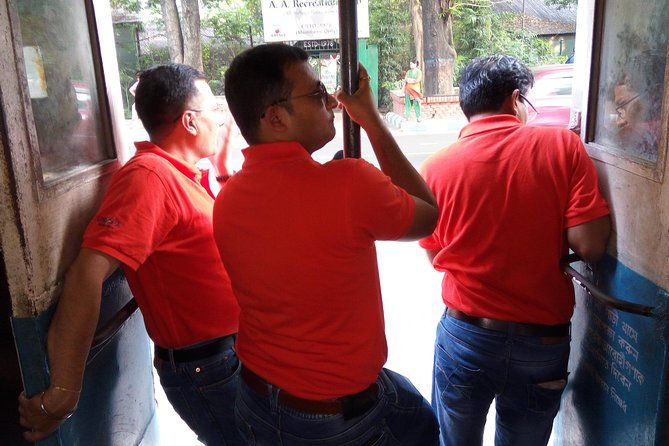
Meeting starts at 7:00 am, and that early start is more than a schedule detail. The streets are usually calmer before traffic builds, so the tram ride feels easier and you get better visibility around major areas. You are also more likely to enjoy the walk to each stop without the city fully turning into a nonstop motion machine.
From the ride and the stop pattern, you get a mix of headline sights and more local anchors. The route passes by big landmarks like the Maidan and the Victoria Memorial, then you hop off to explore places that many first-timers would otherwise miss.
- Magic Hour Tour★ 5.0 · 241 reviews
- Alleyway Food Tour★ 5.0 · 137 reviews
- Private Half-Day Kolkata Tour★ 5.0 · 125 reviews
- Kolkata: A Sea of Faces and A Thousand Places★ 4.9 · 116 reviews
- Kolkata – Sounds and Sights – Private Full Day City Tour★ 5.0 · 106 reviews
Stop-by-stop: what you will see and why each place matters
Birla Mandir, plus another Birla-built landmark
The tour begins with Birla Mandir, a Hindu temple on Asutosh Chowdhury Avenue in Ballygunge. It is dedicated to Vishnu avatars such as Rama and Krishna. This is a strong first stop because it gives you an instant sense of how Kolkata’s religious architecture shows up in daily life, not only in museums.
After that, you visit another Birla family landmark. The key point here is not the exact label, it is the theme: influential Kolkata families shaped visible parts of the city. Even if you are not a architecture deep-dive person, the tram route makes those patterns easier to spot.
What to watch for: take your time at the entrances and transitions between streets. That is where you notice how worship spaces sit beside everyday neighborhood movement.
Church serenity, then the General Episcopal Cemetery
Next you stop at an older church described as a common visiting place for both tourists and locals, known for a calm, spiritual feel. The tour keeps this gentle tone briefly, then shifts into a more reflective stop: Lower Circular Road Cemetery, also called the General Episcopal Cemetery.
This cemetery was established in 1840 and is still operating as a functional cemetery. It contains about 12,000 graves, including many former residents (the details listed are cut off in the description, so I will stick to what is clear). Visiting a working cemetery is not everyone’s idea of fun, but it is valuable if you want to understand Kolkata’s layered timeline.
Practical tip: keep an eye on your footing around entrances and pathways. Cemeteries are usually maintained, but the ground can be uneven.
Assembly of God Church School and Maulana Azad College
You then get an education and community moment through the Assembly of God Church School. The description is specific: it started in January 1964 with 200 children enrolled, founded in response to the plight of poor and homeless children.
Right after, the tour visits Maulana Azad College, founded in 1926. It is a government-administered liberal science and arts college located in central Kolkata near the junction of Rafi Ahmed Kidwai Road and S N Banerjee Road. Even if you do not plan to study there, the stop gives you a sense of how older institutions anchor the city.
What this does well: it moves beyond monuments and into systems, like schooling and higher education, that keep shaping the city long after any photo is taken.
Sacred Heart Church and Tipu Sultan Masjid
The tour includes Sacred Heart Church. The write-up notes Portuguese legacy in Bengal still feels present in the heart of Kolkata, plus there is mention of a dramatic incident in the church’s story. Admission at this stop is listed as free.
Then you visit Tipu Sultan Masjid, also called Tipu Sultan Shahi Mosque. It is named after Tipu Sultan, ruler of Mysore, and described as a relic of architectural and cultural heritage. Admission is listed as free again.
These two stops are a smart pairing. You are not just collecting separate faith landmarks. You are seeing how different communities and empires left physical traces that still matter.
Thoburn Memorial Methodist Church and the Lord Jesus Church area
Next comes Thoburn Memorial Methodist Church, established in 1873. After that, you visit Lord Jesus Church in Taltala, described as a Catholic church. The description adds a historical thread: it was formerly a Church of Scotland Presbyterian place of worship and was handed over to the Jesuits in the 19th century.
If you like cities where religion is not tucked away, these stops deliver. They show how faith buildings evolve, change hands, and still remain meaningful.
The Muslim Institute foundation, West Bengal Urdu Academy, and a heritage book stop
You then move into cultural and language matters. The tour includes a point where students and youth laid the foundation of The Muslim Institute in July 1902.
After that, you visit West Bengal Urdu Academy, described as a heritage institution set up by the Left Front Government to uplift the Urdu language. From there, you stop at Heritage Book Store.
This part of the route matters because it is easy to think Kolkata sightseeing is only about big monuments. Here, you get a window into language, education, and the people who keep literature and culture alive.
Nonapukur Tram, birthplace of Calcutta Tramways
One of the most fun parts is Nonapukur Tram, the birthplace of Calcutta Tramways. The stop lists 20 minutes and free admission.
This is where the tour earns its name. You get both the movement and the origin story, in the same morning. If you like transit history, this one will feel extra satisfying.
Mother House: Mother Teresa’s home and resting place
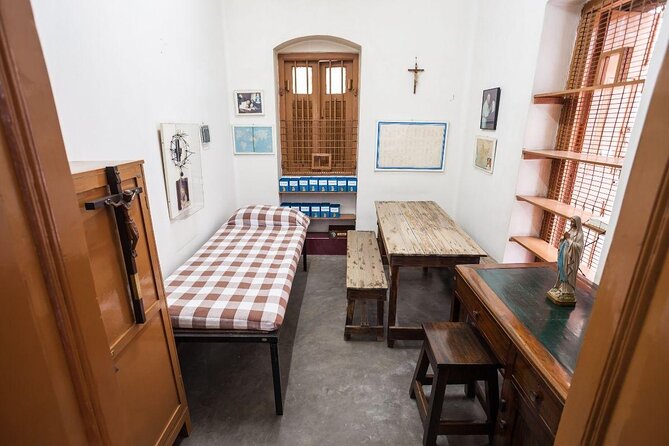
The final major stop is the Mother House, Mother Teresa’s House, described as the final resting place of St. Teresa. The stop lists 30 minutes and free admission.
This finish gives the whole ride an emotional close. It is not only a list of locations, it is a shift toward compassion-focused history.
Snacks, refreshments, and the small comfort that keeps you going
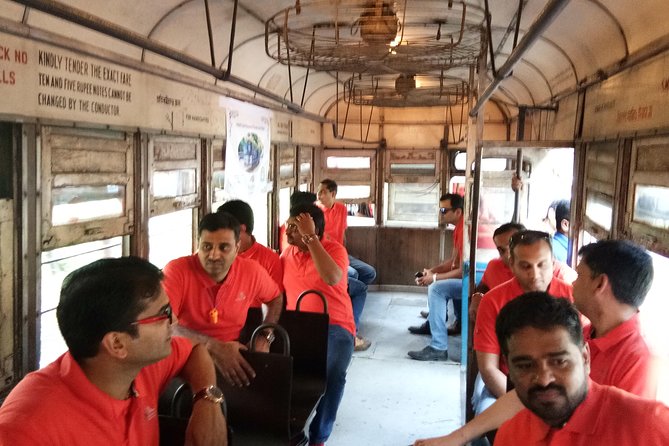
The tour provides snacks and refreshments, and one review notes the snack bag is generous. In practice, that makes the morning stops easier. You can focus on listening and walking instead of doing frantic convenience store math.
It also helps if your day ahead is packed. A tram tour can spark curiosity, and you might want energy for a second round of exploring right after.
What makes the guide work: Mr. Arif and Haris as the real engine
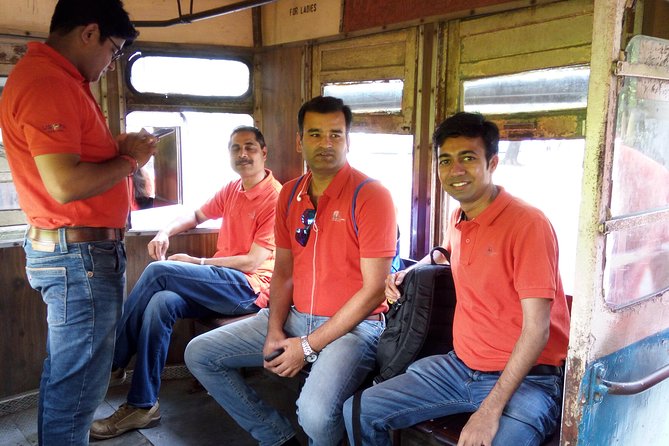
The best part of this experience is the guidance quality. Reviews highlight guides with broad knowledge, deep local roots, and strong character, including Mr. Arif and Haris.
When the guide can connect what you see to how Kolkata lives now, the stops feel less like a checklist. You start noticing details you would otherwise skip, like why certain institutions are where they are, and how the city’s mix of faiths and languages shows up in daily routine.
Just plan for the occasional sound barrier. If you are sensitive to noisy streets, you may want to position yourself where you can hear best during narration. And if the operator offers headsets in the future (one review asked for them), that would be worth using.
Getting your money’s worth on a tram tour
Let’s talk value. Yes, $60 is a clear spend. But you are paying for three things at once:
- Guided landmark stops across faiths, institutions, and older neighborhoods
- A real heritage tram ride, not a modern bus replacement
- Time efficiency in a short 2 to 3 hour window
If you only care about one or two famous sights, you might do cheaper options. But if you want a working overview, the structure is what justifies the price.
This tour is also a good first booking after you arrive. You will learn the city’s geography and start recognizing the names you see later on maps.
Weather and the 7:00 am start: practical considerations
The tour needs good weather. If it is canceled due to poor weather, you will be offered a different date or a full refund. That is important in Kolkata, where mornings can shift quickly.
Also, plan your day around the early departure. A 7:00 am start can feel abrupt if you like late breakfasts and slow starts. The upside is you get the city before the heaviest rush hits.
Who this tour suits best
This fits you if you want:
- an easy overview of Kolkata without walking every minute
- a guided path to religious and cultural landmarks
- a morning activity that gives you ideas for your next day of independent exploring
It is also a solid option if you are a transit history fan. A heritage tram is inherently part of the fun, and the Nonapukur stop ties the ride to the system’s origins.
If you prefer silent, self-paced sightseeing and hate group timing, you might find the structure limiting. And if you know you struggle hearing guides in busy streets, plan around that.
Should you book this Kolkata Heritage Tram Tour?
I think you should book it if you want a guided, time-efficient way to see Kolkata as more than famous monuments. The tram ride keeps things light and moving, while the stops cover real city pillars: faith sites like Birla Mandir and Tipu Sultan Masjid, institutions like Maulana Azad College, cultural language initiatives like West Bengal Urdu Academy, and a meaningful final stop at Mother House.
The main reason to hesitate is sound. If you rely heavily on spoken commentary and street noise bothers you, expect that you may miss bits here and there. Still, the overall guide quality and the unique tram experience make this a strong “first overview” choice.
FAQ
What is the duration of the Kolkata Heritage Tram Tour?
The tour lasts about 2 to 3 hours.
How much does the tour cost?
The price is $60.00 per person.
Is pickup offered, and do I need to print anything?
Pickup is offered, and you get a mobile ticket.
How early does the tour start?
The meeting time starts at 7:00 am.
How many people are in the group?
The tour has a maximum of 20 travelers.
What is included besides the tram ride?
You will have snacks and refreshments provided, and the tour includes stops at key landmarks.
What if the weather is bad?
The tour requires good weather. If it is canceled due to poor weather, you will be offered a different date or a full refund.
Can I cancel and get a full refund?
Yes. You can cancel up to 24 hours in advance for a full refund.
Kolkata, More Streets Reviewed




Recently reviewed across Kolkata
- Walk the Kolkata Wetlands: Green Eye Candy
★ 5.0 · 10 reviews - Kolkata: Full-Day Spirituality & Temples Tour
★ 4.5 · 10 reviews - Kolkata City Private Sightseeing Tour – Custom Hours, Itinerary
★ 5.0 · 11 reviews - Learn to Cook Authentic Bengali Food in a Local Home
★ 5.0 · 11 reviews - In the Footsteps of the Raj – Dalhousie Square Walk
★ 5.0 · 11 reviews - Kolkata Daily – Private Tour with Snacks, Coffee & Bengali Sweets
★ 5.0 · 11 reviews
Kolkata Heritage Tours, compared.
 ★ 5.0Cultural Confluence of Kolkata – Culture Kaleidoscope TourFrom $39701 reviews
 ★ 5.0Bengali Nights Kolkata Food Tour with 13+ TastingsFrom $39325 reviews
 ★ 5.0Private Custom Full Day Sightseeing Tour of KolkataFrom $72128 reviews
 ★ 5.0Private Half-Day Kolkata TourFrom $99125 reviews
 ★ 4.9A Sea of Faces and A Thousand PlacesFrom $32116 reviews
 ★ 5.0Kolkata – Sounds and Sights – Private Full Day City TourFrom $89106 reviews
 ★ 5.0Explore Kolkata- Private Tour with LunchFrom $9987 reviews
 ★ 5.0Private Full Day Sightseeing Tour of KolkataFrom $6079 reviews
Browse the lists this tour appears in