
REVIEW · HIMACHAL HILL STATION TOURS
Historical Tour including Unesco Kangra fort & Rock cut temple from Dharamshala
Ancient stone, big views, zero bus hassle. This Kangra day tour strings together two standout UNESCO-style sights, Masroor Rock Cut Temple and Kangra Fort, with a local guide who helps you understand what you are seeing as you move through the Kangra area. I especially like how the day is planned so you are not just staring at monuments, you are getting the stories that make them click.
One thing to plan for: this experience is weather-dependent, so mountain fog or rain can affect the day. Also, entrance fees for the Rock cut temple and Kangra Fort are not included for foreign tourists, so factor in the extra cost before you go.
In This Review
- Key highlights worth your attention
- A smooth Kangra day from Dharamshala, with UNESCO stops
- Price and logistics: private car, lunch, and the foreign-tour entrance fee
- Masroor Rock Cut Temple: Rama, Laxmana, and Sita on the stone hillside
- Kangra Fort and Katoch dynasty: a fortress you can read from the walls
- Bajreshwari Devi Temple: Sati, Shiva Tandav, and quiet devotion
- The Kangra Valley drive gives context, not just movement
- How the 7-hour pace and small groups feel on the ground
- Who this tour suits best, and who may want to skip it
- Should you book this Kangra historical tour from Dharamshala?
- FAQ
- How long is the Kangra historical tour from Dharamshala?
- Does the tour include hotel pickup and drop-off?
- What stops are included during the day?
- Is lunch included?
- Are entrance fees included?
- How many people are in each booking?
Key highlights worth your attention
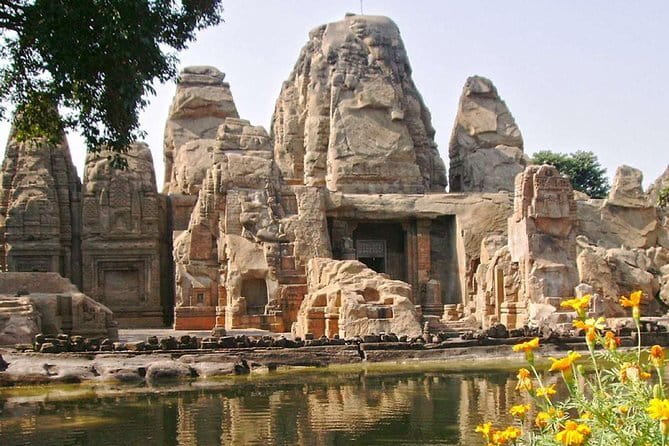
- Masroor Rock Cut Temple dedicated to Rama, Laxmana, and Sita, with stone images worshiped by Hindu devotees
- Kangra Fort tied to the Katoch dynasty, with major Mahabharata-era links in the local telling
- Bajreshwari Devi Temple where the Sati legend explains the shrine’s importance
- Lunch and bottled water included, so your energy stays steady for a full circuit
- Small group feel with a maximum of 8 people per booking and a total cap of 15 travelers
Other hill station stays reviewed
A smooth Kangra day from Dharamshala, with UNESCO stops
Kangra is the kind of place where a short trip can feel like you got a lot done, because the heritage is close together and the scenery keeps changing. This tour is built for exactly that: a single day loop starting from Dharamshala or McLeod Ganj, with hotel pickup and drop-off, so you do not need to chase buses or figure out routes.
The big win is that you hit more than one “type” of heritage. You get a rock cut temple complex at Masroor, then a major fort site at Kangra, then a devotional temple stop at Bajreshwari Devi. That mix gives your brain three different ways to understand the region, stone carving and symbolism first, then power and defense, then faith.
And if you get a guide with strong local storytelling, the drive adds value too. In one-day tours, the guide can make or break the experience, and here the tour is designed around an English-speaking local guide who explains the Kangra area while you travel.
Price and logistics: private car, lunch, and the foreign-tour entrance fee
$42 per person sounds like a bargain when you see what is included: hotel transfers, parking fees, a private car as per the itinerary, and an English-speaking guide. Plus, lunch and bottled water are provided, which matters in the hills where a missed meal can make everything feel harder.
That said, you should check entrance fees before you assume everything is fully covered. Entrance fees for the Rock cut temple and Kangra Fort are not included for foreign tourists, listed as ₹500 per person. Bajreshwari Devi Temple is marked as free, so at least one stop is easy on the wallet.
Timing is also a practical factor. You are looking at about 7 hours total, which is a solid length for a day that includes three heritage stops plus driving time. A private-car setup helps you keep the pace without constantly negotiating transport, especially if you want a day that feels controlled rather than chaotic.
One more logistics note: the experience uses a mobile ticket, and it is capped at 8 people per booking (with an overall maximum of 15). That usually means less waiting and more room to ask questions, even if the exact group size can vary.
Masroor Rock Cut Temple: Rama, Laxmana, and Sita on the stone hillside
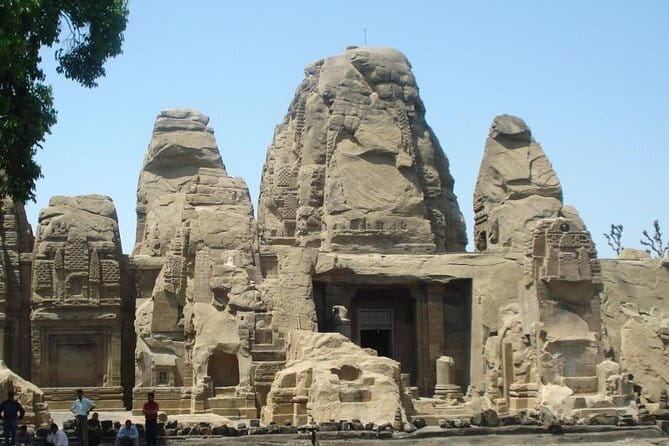
Masroor is one of those sites that makes you slow down without trying. The complex is dedicated to Rama, Laxmana, and Sita, characters from the time of the Mahabharata, and the stone images are worshiped by Hindu devotees. When you see a temple like this with living devotion around it, it stops being just an old structure and becomes part of daily spiritual life.
Plan to spend about an hour here. That is enough time to take in the layout, look closely at the stone images, and still leave breathing room for questions and photos. If you like temples with clear symbolism, this is a good match because the site is tied to recognizable epic figures.
There is also a view angle to expect. On this kind of stop, the best moments often happen when you step back and notice how the temple sits in relation to its surroundings. I would mentally budget time for that, because one account I found memorable described the temple as overlooking a sacred lake. Even if the view changes with season or light, the point stays the same: the setting adds meaning.
A practical tip for Masroor: bring something for sun or light rain. Even without intense weather, hill light can bounce off rock and stone, and a hat or sunscreen makes your hour feel easier.
- Triund Trek★ 4.5 · 27 reviews
- Historical Tour including Unesco Kangra fort & Rock cut temple from Dharamshala★ 5.0 · 27 reviews
- Tea Top Adventure Activities★ 5.0 · 21 reviews
- Hiking Day Tour to Triund from Dharamshala★ 5.0 · 20 reviews
- Guided, India’s Own Mini Tibet Mcleodganj- Culture Tour★ 5.0 · 17 reviews
Kangra Fort and Katoch dynasty: a fortress you can read from the walls
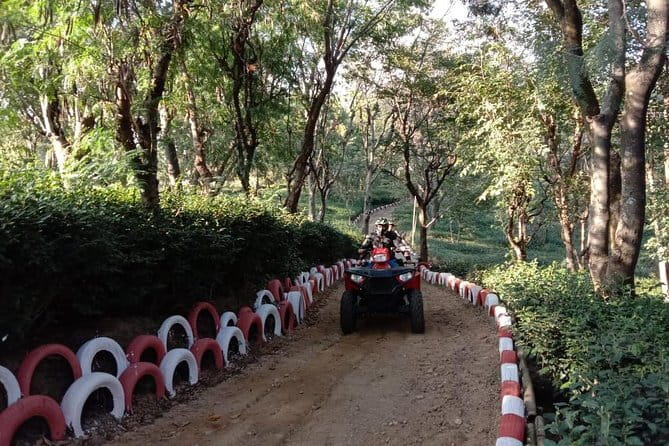
Kangra Fort is the other anchor stop, and it is a strong one if you like heritage sites where the story feels physical. Locally, the fort is tied to the royal Rajput family of Kangra State, the Katoch dynasty, and the origins are traced to the ancient Trigarta Kingdom mentioned in the Mahabharata epic. That link is part of why the fort matters, not just as an impressive structure, but as a place where regional identity is remembered.
You will spend about an hour at the fort. With forts, that is a workable amount of time if you focus on a few big ideas: what the fort was protecting, what kind of power the rulers represented, and how the views help you understand why the site was chosen. Even if you do not become a wall-study person, you will feel the logic once you get the guide’s explanation.
The biggest payoff is often the combination of scale and perspective. Forts were built to be seen and to see, so give yourself time to look out. A memorable highlight here is that the fort area delivers spectacular views, which is the kind of detail that makes the photos worth more than a quick shot.
Entrance fees are where you need to be clear. For foreign tourists, the Kangra Fort fee is listed as part of the ₹500 per person that is not included. If you are eligible for an included rate due to your ticket type or nationality, great, but do not assume.
If you have limited time in Dharamshala and want one fort stop that is actually the center of the day, this is the one.
Bajreshwari Devi Temple: Sati, Shiva Tandav, and quiet devotion
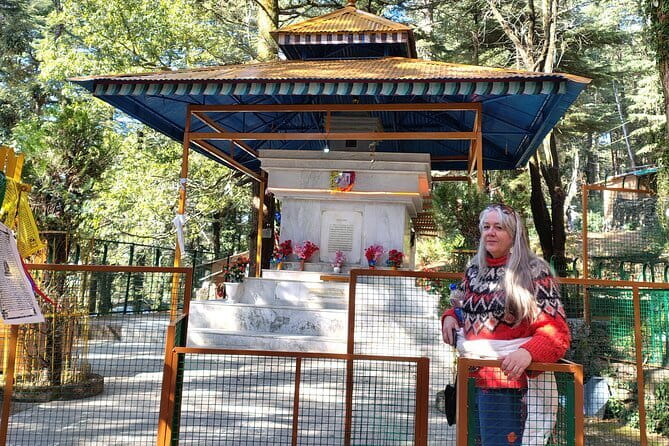
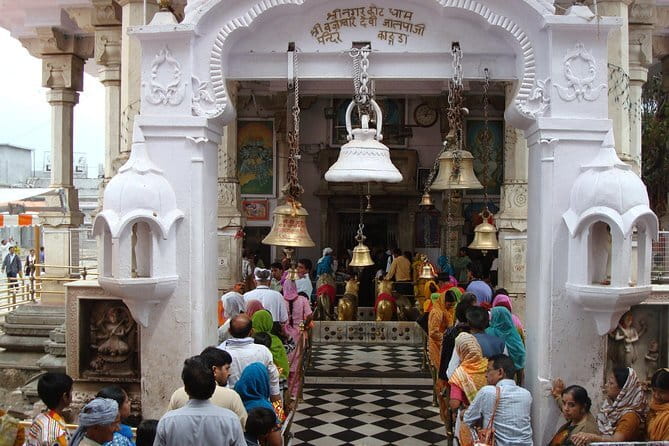
After Masroor and Kangra Fort, Bajreshwari Devi Temple shifts the mood from stone symbolism and military power to devotional focus. The legend connected to this temple is explained through the story of Goddess Sati, her sacrifice, and Shiva’s response. In the telling, Shiva takes her body on his shoulder and starts Tandav, a cosmic dance, and the legend says this act threatened the world, so steps were taken to stop the destruction.
The temple is listed as an easy stop by time, about an hour, and the admission is free. That means you can treat it as a breather without feeling like you are rushing to justify the cost.
What I like about including a temple like this in a heritage circuit is that it keeps you grounded. Forts and rock-cut sites can feel academic if you only look at them as monuments. A living worship site brings you back to the human reason people built and preserved places like this.
A small practical point: since this is a temple experience, dress modestly and be respectful of ritual moments. Even if you are not participating, your behavior shapes the whole feel of the stop.
The Kangra Valley drive gives context, not just movement
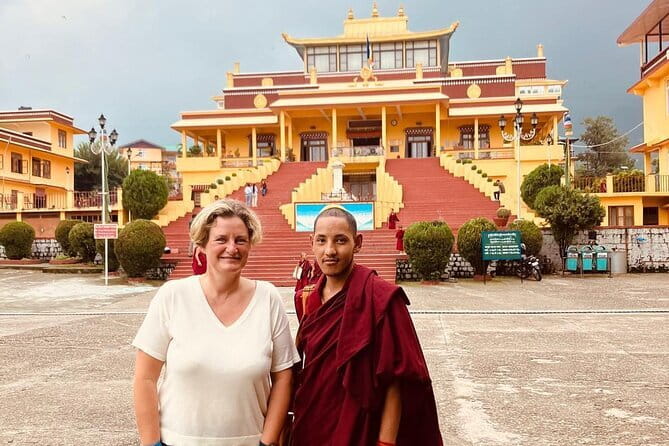
Between the major stops, you get a traveling segment that is more than filler. The route passes through the Kangra Valley and a local village where you can get a glimpse of natural beauty and everyday activities of local people.
This matters because it connects the heritage sites to the land. A fort and a temple can feel like isolated objects if you do not understand what surrounds them. When the guide points out features during the drive, you start to see why settlements grew where they did and how the terrain shapes daily life.
You also get the benefit of a private-car setup. You are not constantly stopping to figure things out, and you are not exposed to the stress of changing transport. In hilly regions, that is worth something. When your day is smooth, you actually remember the sights better.
If you want storytelling power, keep an eye out for guides who explain the sites as you go. In one experience I heard about, the guide named Onkar was praised for being amazing, and that matches the role this tour is asking a guide to play. If you get a guide who can connect the dots, your hour at each site feels more complete.
How the 7-hour pace and small groups feel on the ground
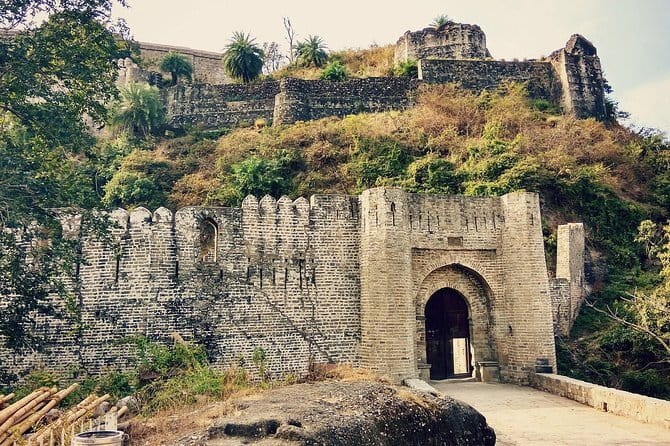
This is a 7-hour day tour, which is long enough to cover real heritage stops, but not so long that you feel drained before the best part. The schedule is built around three main locations: Masroor Rock Cut Temple, Kangra Fort, and Bajreshwari Devi Temple, plus driving time and route scenery.
Small-group limits help here. With a maximum of 8 people per booking and a total cap of 15, you are less likely to feel like part of a stampede. That usually translates into fewer bottlenecks at photo spots and more breathing room for questions.
Also, hotel pickup and drop-off is a big part of why this pace works. Instead of starting your day with a scramble to reach a meeting point, you are collected and returned to where you started in McLeod Ganj or Dharamshala area.
One more detail that helps: the day includes lunch and bottled water. That reduces the need to search for food in between stops, and it helps you avoid the classic day-tour problem where you spend energy negotiating snacks instead of paying attention to the places.
If you are sensitive to time schedules, still plan to be flexible. Temple and fort sites can involve small queues, and weather can influence photo and walking time, especially since this experience requires good weather.
Who this tour suits best, and who may want to skip it
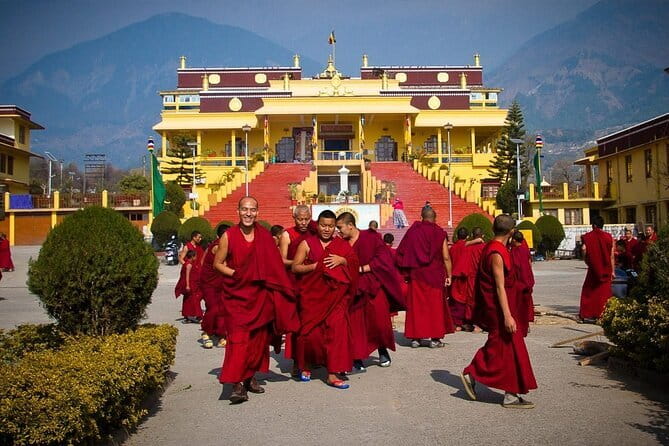
This tour is a great fit if you want a heritage-heavy day without transport stress. If you are staying in Dharamshala or McLeod Ganj and you want Kangra Fort and Masroor Rock Cut Temple in one go, this is one of the most efficient ways to do it.
It is also a strong option for people who like guided context. The tour is structured around a guide helping you understand the Kangra area, and that makes the day feel purposeful. If you prefer to wander completely on your own with no structured stops, you may find a 7-hour schedule a bit structured for your taste.
Finally, consider your comfort level with temple etiquette and walking time. You will spend around an hour at each major stop, and those hours are part sightseeing, part listening, part looking closely. Wear comfortable footwear and keep your energy steady so you can enjoy the views and not just get through the list.
Should you book this Kangra historical tour from Dharamshala?
I would book it if your priority is a well-paced, guided day that hits major Kangra heritage without you needing to organize transport. The value is in the combination: hotel transfers, private car, English-speaking guide, lunch and bottled water, plus three meaningful sites that cover temple devotion and fort history.
I would pause before booking if you are traveling with tight budget expectations for entrance fees, especially since the Rock cut temple and Kangra Fort entrance is listed as ₹500 per person for foreign tourists. I would also check the weather window carefully, because this experience requires good weather and the day can be affected.
If you want a day where you can look at Masroor and Kangra Fort and actually understand why they matter, this tour has the right shape. It is not just a checklist day, it is a guided story day with comfort built in.
FAQ
How long is the Kangra historical tour from Dharamshala?
It runs for about 7 hours (approx.).
Does the tour include hotel pickup and drop-off?
Yes. Hotel pickup and drop-off are included, and the tour also uses a private car as per the itinerary.
What stops are included during the day?
You visit Masroor Rock Cut Temple, Kangra Fort, and Bajreshwari Devi Temple, with a drive through the Kangra Valley and a local village.
Is lunch included?
Yes. Lunch and bottled water are provided.
Are entrance fees included?
Entrance fees for Rock cut temple and Kangra Fort are not included for foreign tourists, listed as ₹500 per person. Bajreshwari Devi Temple is listed as free.
How many people are in each booking?
A maximum of 8 people per booking is noted, with a maximum of 15 travelers overall.
More Himachal Hill Stations

Recently reviewed across Dharamsala
- Snowline Trek
★ 4.5 · 11 reviews - Guided Day Hike to Guna Devi Temple from Mcleodganj
★ 5.0 · 12 reviews - Historical Tour, Kangra fort &Rock cut temple from Dharmasla
★ 4.7 · 12 reviews - Indrahar Pass Trek with Manu Adventures India
★ 4.5 · 13 reviews - Guided Kora Circuit & Walking Tour Around McLeod Ganj
★ 5.0 · 15 reviews - Guided, India’s Own Mini Tibet Mcleodganj- Culture Tour
★ 5.0 · 17 reviews
Himachal Hill Station Tours, compared.
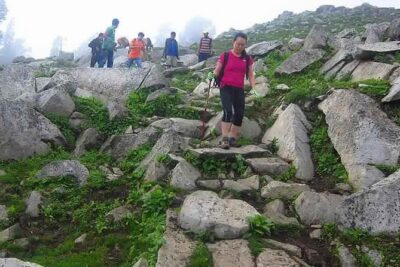 ★ 5.0Hiking Day Tour to Triund from DharamshalaFrom $3175 reviews
 ★ 5.0Shimla Private Guided Walk Tour exploring the colonial trailsFrom $1666 reviews
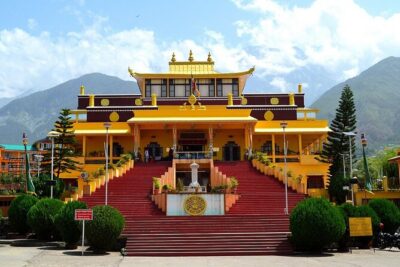 ★ 5.0Private 6 hrs Mcleodganj & Dharamshala City TourFrom $4565 reviews
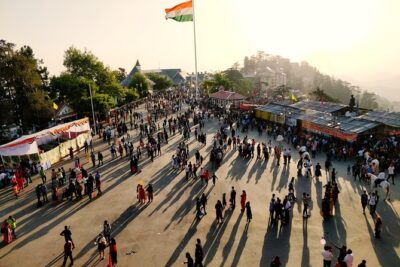 ★ 5.0Shimla Manali PackageFrom $25057 reviews
 ★ 5.0Amritsar Dalhousie Dharamshala 6 Days TourFrom $35855 reviews
 ★ 5.0Unique Shimla and Manali tourFrom $25047 reviews
 ★ 5.0Guided Heritage Walk Tour in ShimlaFrom $3140 reviews
 ★ 5.0Private 7 Days Shimla Manali Hill Stations Tour From ChandigarhFrom $45030 reviews
Browse the lists this tour appears in