
REVIEW · KASHMIR AND SRINAGAR TOURS
Kashmir Ladakh Tour
High passes, garden calm, and border lakes. This Kashmir Ladakh tour strings together Srinagar, Gulmarg, Kargil, Leh, Nubra Valley, and Pangong Tso, with pickup at Srinagar and an included Innerline Border Permit plus private transportation for the long driving days.
I love the rhythm of the days here: big-ticket places, then just enough time on the ground to feel where you are, not rush through it. I also like the inclusion of a real Ladakhi meal at Gyapthago Heritage House, not just another generic stop for lunch.
The main drawback to plan for is altitude and distance, especially around Drass, Khardung La, and Pangong Tso (about 4,350m). If you or someone in your group is sensitive to high altitude, go easy on day two, and consider travel insurance, since one family report mentioned mountain sickness that needed hospital care.
In This Review
- Key highlights worth your attention
- Srinagar arrival and the first sights around Nishat, Shalimar, Pari Mahal, and Dal Lake
- Gulmarg: a classic hill stop where most time is on the road, not in lines
- The long route over Zoji La region: Sonamarg, Drass, and Kargil before you reach Leh
- Kargil to Leh: Mulbekh Buddha, Lamayuru monastery, Indus and Zanskar confluence, and Magnetic Hill
- Leh highlights: Royal Palace, Thiksey, Hemis, Shanti Stupa, and a Gyapthago Heritage House lunch
- Khardung La and Nubra Valley: Diskit Gompa and Hunder sand dunes
- Turtuk village on the India side of LAC: village life and the Balti Heritage House museum
- Pangong Tso at about 4,350m: Shayok Valley drive, border lake views, and a long day
- Sunrise at Pangong Tso and the return via Changla Pass to Leh market time
- Price, value, and what $1,499 per person really covers
- Permits, mobile tickets, and private vehicle logistics that keep the trip sane
- Altitude and day-load reality check: Drass, Khardung La, and Pangong Tso
- Should you book this Kashmir Ladakh tour?
- FAQ
- What is the total duration of the Kashmir Ladakh tour?
- How much does the tour cost per person?
- Where does the tour start, and how early does it begin?
- Is pickup included from Srinagar Airport?
- Is this tour private or shared with other travelers?
- What is included in the price?
- Are monument fees included?
- Are activities like camel safari, rafting, or shikara rides included?
- What is the best time of year to take this tour?
- What if poor weather affects the trip?
Key highlights worth your attention
- Airport pickup with your name in hand: Your driver meets you at Srinagar Airport exit gate with a placard and your name. It removes the first-day stress.
- Private tour, your group only: Even with group discounts mentioned, the tour is described as private, meaning you travel with just your group.
- Innerline Border Permit included: This saves you time and paperwork for border-zone areas tied to the route.
- Heritage Ladakhi lunch at Gyapthago: One of the best “this is why local matters” inclusions on the whole itinerary.
- High-altitude sequence built into the drive: Drass, Zoji La region, Khardung La, and Pangong Tso are not side quests, they are core moments of the trip.
- Sunrise planning at Pangong Tso: You get an early start to catch the sunrise before you head back toward Leh.
Shortlisting? Every Srinagar trip below went through the same review.
Srinagar arrival and the first sights around Nishat, Shalimar, Pari Mahal, and Dal Lake
Day 1 starts with a simple, helpful thing: a driver meets you at Srinagar Airport at 6:00am, holding a placard with your name. After transfer to the hotel, you get lunch and then a sightseeing loop that stays relatively close to the city center.
You’ll spend time at Mughal Gardens of Nishat and Shalimar. These are the kind of gardens that make you slow down, because you’re not just looking at flowers, you’re reading the layout, terraces, and the whole “garden as design” idea. The itinerary lists admission as not included here, so budget for monument fees.
Next is Pari Mahal and Shankaracharya Temple, a short stop designed for views and photo time. Again, admission is not included, so it’s another place to expect extra fees.
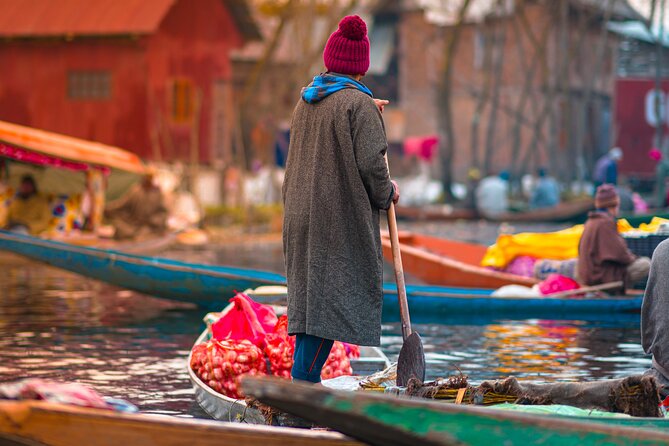
Then comes the softer landing: Dal Lake in the evening, with time described as including traditional shikara ride experience. One detail to double-check: the package notes extra activities like shikara rides are not included, while the Day 1 Dal Lake stop says admission ticket included. I’d ask your operator what’s truly covered, and what would be an extra add-on once you’re there.
Gulmarg: a classic hill stop where most time is on the road, not in lines
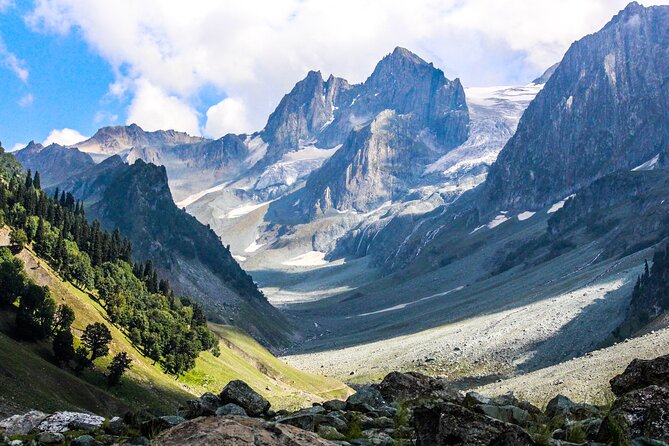
Day 2 is all about heading from Srinagar toward Gulmarg for roughly 5 hours. This is a straightforward transfer day, but it matters because you’re changing altitude and scenery fast. The itinerary includes admission ticket-free time for Gulmarg, which is valuable because Gulmarg is often priced around optional activities.
Gondola or cable-car rides are specifically mentioned as extra activities not included. So if your Gulmarg dream is about skiing runs, chairlifts, or lift-based views, ask early what your day allows and what costs extra.
What you’ll likely enjoy most here is the feeling of stepping out of city Kashmir into open mountain air. The itinerary frames Gulmarg as inspiration-backed, tied to a Kashmiri poet from the 16th century. Even if you don’t go full “literature mode,” it helps you see why people fall for this place beyond the Instagram view.
The long route over Zoji La region: Sonamarg, Drass, and Kargil before you reach Leh
Day 3 is where the tour earns its “Kashmir to Ladakh” name. You leave Srinagar area after breakfast and push toward Kargil, with stops that feel like milestones.
First is Sonamarg hill station. The tour schedules it as a quick stop with admission ticket-free time. Sonamarg is your early reminder that this drive is not just transportation, it’s scenery management.
Then you cross the Zoji La Pass area and continue into the Drass Valley, described as the Gateway to Ladakh. Drass sits at about 3,280m, so your body may feel the altitude before your eyes catch the view. The itinerary lists Drass as ticket-free, meaning you spend more time looking and less time paying at each stop.
Finally, you reach Kargil for about 12 hours. That long chunk is the reality check of road trips in the region: the days look packed on paper, but they’re designed so you arrive with enough daylight to see key sights and settle for the night.
More of Srinagar and the valley
- Amazing Kashmir Tour – 03 Nights & 04 Days★ 5.0 · 127 reviews
- Private Kashmir Family 7-Day Tour★ 5.0 · 122 reviews
- Fascinating Kashmir 4 Nights / 5 Days★ 5.0 · 112 reviews
- Kashmir Great Lakes Trek★ 5.0 · 56 reviews
- Private Sedan Cab to and from Srinagar Airport and Dal Lake★ 5.0 · 46 reviews
Kargil to Leh: Mulbekh Buddha, Lamayuru monastery, Indus and Zanskar confluence, and Magnetic Hill
Day 4 starts in Kargil and continues the journey to Leh, with a series of “stop and stare” points. The itinerary is structured so you get several iconic sights across the route, not just one big palace-style attraction.
You’ll first see the rock-cut statue of Maitreya Buddha at Mulbekh, described as a 30-foot rock cut figure. Then you add a second nearby spiritual stop: Mulbekh Monastery with ancient rock carvings.
After that, you head to Lamayuru Monastery (Yuru Gompa). Monasteries here are not just religious sites, they’re also architecture lessons. Even in a short hour, it’s the kind of place where you notice how buildings are adapted to harsh terrain.
Next is a scenic break at the confluence of the Indus and Zanskar Rivers. The itinerary notes it can be a spot for white-water rafting in other contexts, but on this tour you’re there for the views and the geography.
Then you’ll reach Magnetic Hill, where vehicles appear to move uphill. It’s presented as an optical illusion rather than a real magnet pull, which is exactly the kind of thing road trips are great at teaching you.
These stops are mostly ticket-free on the itinerary, which is a nice cost saver. The trade-off is that some locations are short photo runs, so if you’re someone who likes long museum-style time, tell your guide what you want more of.
Leh highlights: Royal Palace, Thiksey, Hemis, Shanti Stupa, and a Gyapthago Heritage House lunch
Leh is where the tour slows slightly and gives you a more complete “feel” for Ladakh. Day 5 is built around three major monasteries or historic sights plus one meal that’s different from the typical hotel-restaurant rhythm.
You start at Leh Royal Palace, admission not included, followed by Thiksey Monastery and Hemis Monastery. Each is listed as about an hour and admission not included. So you’ll want to factor monument fees into your trip budget, even though many road stops are ticket-free.
Then comes one of the most practical, memorable inclusions in the whole itinerary: Gyapthago Heritage Home for a traditional Ladakhi culinary experience. This is scheduled as an included stop and lasts about 2 hours. One of the best things about this type of heritage meal is that it breaks the pattern of “see place, leave place, repeat.” You’re eating in a setting tied to home life and village culture, not just sightseeing logistics.
Finally, you visit Shanti Stupa. The itinerary lists it as ticket-free and about an hour. This is often the place where light and elevation work in your favor, and even a short visit feels like a proper end to a day of monasteries.
Khardung La and Nubra Valley: Diskit Gompa and Hunder sand dunes
Day 6 pushes you into Nubra Valley territory through a big pass moment. First stop is Khardung La, described as one of the highest motorable roads in the world and scheduled as a short visit with admission included.
That quick stop matters. On long mountain routes, you rarely get to fully enjoy every pass moment, so a timed visit helps you see the big “I’m at the pass” view without losing the rest of the day.
Next is Diskit Gompa in the Nubra Valley area, admission not included. Even if you don’t spend a full deep study session, the Gompa setting is usually enough to make it feel like a real destination, not a checklist item.
Then you head to Hunder Sand Dunes for about 2 hours. Admission is ticket-free. If your plan includes camel safari, the tour says activities like camel safaris are not included, so budget separately if you want it.
The practical advice here is simple: dress for cold and wind. Nubra Valley days can feel harsher than Leh town, especially if clouds roll in.
Turtuk village on the India side of LAC: village life and the Balti Heritage House museum
Day 7 is one of the more “human scale” days on the route. You drive to Turtuk Village, which the itinerary describes as the last village on the India side of the LAC, and notes it was part of POK until 1970.
The time block is generous, about 6 hours with ticket-free sightseeing. That matters because village visits can’t be done like factory tours. You need time to walk, look, and absorb the way houses and daily life are shaped by the valley.
You’ll also visit Balti Heritage House and Museum for about 30 minutes, with admission not included. The museum is short on purpose, so it functions as context rather than a full day institution.
This day is a good fit for anyone who wants more than scenery, and it’s also a good reminder that this whole region is about borderlines, culture, and changing histories, not just views from the roadside.
Pangong Tso at about 4,350m: Shayok Valley drive, border lake views, and a long day
Day 8 starts with an early breakfast and a drive toward the eastern border area, crossing the Shayok Valley, reaching Pangong by afternoon. The itinerary schedules Pangong Tso for about 12 hours, ticket-free.
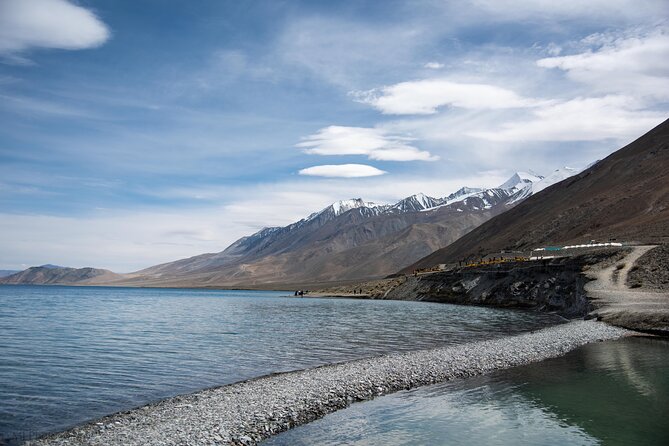
Pangong Tso is described as the world’s highest saltwater lake at almost 4,350m and located on the border between India and China. That location is not just a fact, it shapes the feeling of the lake. Even when you’re standing still, it can feel like the geography is moving around you.
What I think you’ll enjoy most is how the lake changes. Different angles, changing light, and a wide horizon can make a single fixed viewpoint feel like multiple scenes.
This is also where altitude becomes real. The tour includes long hours at elevation, so if you’re worried, take it slow, drink water, and plan to rest. If you’re the type who gets symptoms easily, bring it up with your operator in advance, and consider travel insurance since your package lists insurance as not included.
Sunrise at Pangong Tso and the return via Changla Pass to Leh market time
Day 9 starts early, with a sunrise plan at Pangong Tso so you do not miss the main moment everyone comes for. After sunrise viewing, you enjoy breakfast on the shores, then drive back toward Leh via Changla Pass.
The itinerary then gives you time in Leh with Leh Market for about 2 hours, ticket-free, followed by Central Asian Museum for about 1 hour, admission not included.
This combination is smart. Market time helps you turn the day into something personal, grab small gifts, and watch local life at street level. The museum adds a bit of context for what you’ve been seeing across the trip, without turning the day into a school lecture.
The trade-off on Day 9 is that it’s still a travel day. If you want a fully restful buffer after Pangong, consider asking whether you can slow down on Day 9, because the schedule is designed to give you a full set of stops.
Price, value, and what $1,499 per person really covers
At $1,499 per person for an approx 10-day trip, this price is not just paying for transport. You’re also paying for the planning and the inclusions that usually add up in the Himalayas.
Included items are substantial: accommodation, private transportation, innerline border permit, lunches, dinner, and breakfast (listed as 9 breakfasts, 9 dinners). You also get a heritage Ladakhi lunch at Gyapthago Heritage House and lunch included through the route.
Not included items are also clear: tips and porters, monument fees, insurance, cancellation charges, and extra activities like gondola rides, camel safaris, rafting, and shikara rides.
So the value equation is simple. If you already know you will skip many paid add-ons and you want most costs handled upfront, the package price can feel fair. If you want every optional activity in Gulmarg and Nubra Valley plus paid entries at every stop, you should expect to spend additional money on top.
One more value note from the feedback: people praise the way the team handles requests for upgraded hotels and keeps the driving and sightseeing smooth. In remote regions, that planning quality is part of what you’re paying for, not just the views.
Permits, mobile tickets, and private vehicle logistics that keep the trip sane
This tour is described as a private tour/activity where only your group participates, paired with pickup offered from Srinagar. It also mentions mobile tickets, and the route includes an Innerline Border Permit in the package.
In plain terms, this matters because border areas in Ladakh are not something you want to manage on your own while also dealing with altitude, road conditions, and language barriers. Having the permit handled is one less thing to coordinate.
The itinerary is also time-conscious. You have specific stop durations, and many attractions are listed as ticket-free. That helps you keep momentum. You’re not stuck waiting around for your turn, because the tour structure is set up around timed sightseeing blocks.
And for many people, the biggest relief is that you get a driver and local support instead of piecing together trains, local buses, and private taxis each day. You still need to be flexible, because mountain roads can shift plans, but private routing is usually the least chaotic way to do it.
Altitude and day-load reality check: Drass, Khardung La, and Pangong Tso
If you take only one thing from this review, take this: plan for altitude.
The itinerary includes high-elevation moments with clear numbers: Drass at about 3,280m, and Pangong Tso at almost 4,350m. Khardung La is also a high pass, even though no specific height is provided in the details you shared.
The good news is you’ll have time blocks at many stops rather than constant rushing. The watch-out is that some people do get hit harder than others. One family report included mountain sickness and hospital care on the second day, so it’s not something to treat as theoretical.
My practical advice:
- Keep your first day of Ladakh as calm as possible.
- Tell your guide immediately if anyone feels unwell.
- Do not treat insurance as optional. Your package does not include it.
Should you book this Kashmir Ladakh tour?
I think you should book if your priorities match this style: private transport, border permit handled, a strong mix of iconic sights and cultural stops, plus a heritage meal that adds real flavor to the trip.
You should consider another option if your trip dream is mostly paid activities you add on day by day, because the package explicitly lists several extras as not included, like gondola rides, camel safaris, rafting, and shikara rides. Also think twice if you know altitude hits you hard, because the schedule spends real time at high elevation.
If you do book, I’d send a message before departure and ask exactly what is included for Dal Lake shikara time and what monument fees you should expect for the Royal Palace, Thiksey, Hemis, and Central Asian Museum. That one question can turn a “surprise cost” into a smooth, predictable budget.
FAQ
What is the total duration of the Kashmir Ladakh tour?
The tour is listed as 10 days approximately.
How much does the tour cost per person?
The price is $1,499.00 per person.
Where does the tour start, and how early does it begin?
It starts at Srinagar Airport, with the meeting point start time listed as 6:00 am.
Is pickup included from Srinagar Airport?
Yes. Your driver receives you at the airport exit gate with a company placard and your name.
Is this tour private or shared with other travelers?
It is described as a private tour/activity where only your group will participate.
What is included in the price?
Included items listed are accommodation, private transportation, lunch, dinner (9), breakfast (9), Innerline Border Permit, and heritage Ladakhi lunch at Gyapthago Heritage Home.
Are monument fees included?
No. Monument fees are listed as not included.
Are activities like camel safari, rafting, or shikara rides included?
No. The package lists extra activities like gandola ride, camel safari, rafting, and shikara ride as not included.
What is the best time of year to take this tour?
The tour is best experienced between April and October.
What if poor weather affects the trip?
If the experience is canceled due to poor weather, you will be offered a different date or a full refund.
Srinagar and the Valley, More Days


Recently reviewed across Srinagar
- Kashmir Ladakh Tour
★ 5.0 · 12 reviews - Srinagar Splendors: A Private City Tour
★ 4.5 · 12 reviews - The Best Monsoon Trek: Kashmir Great Lakes
★ 5.0 · 26 reviews - 6 Days Private Tour in Kashmir
★ 4.5 · 31 reviews - Private Sedan Cab to and from Srinagar Airport and Dal Lake
★ 5.0 · 46 reviews - Fascinating Kashmir 4 Nights / 5 Days
★ 5.0 · 112 reviews
Kashmir and Srinagar Tours, compared.
 ★ 5.0Kashmir Family Tour – 07 Days Includes Accommodation and Private TransportFrom $900164 reviews
 ★ 5.06 Days Private Tour in Kashmir ValleyFrom $522140 reviews
 ★ 5.0Private 5-Day Charming Kashmir Package Tour from SrinagarFrom $510138 reviews
 ★ 5.05-Days Kashmir tour includes Accommodation and Private TransportationFrom $560134 reviews
 ★ 5.0Amazing Kashmir Tour – 03 Nights & 04 DaysFrom $650127 reviews
 ★ 5.0Private Kashmir Family 7-Day TourFrom $635122 reviews
 ★ 5.0Fascinating Kashmir 4 Nights / 5 DaysFrom $306112 reviews
 ★ 5.0Kashmir Great Lakes TrekFrom $11256 reviews
Browse the lists this tour appears in