
REVIEW · KASHMIR AND SRINAGAR TOURS
The Best Monsoon Trek: Kashmir Great Lakes
Snow meets wildflowers on the same trail.
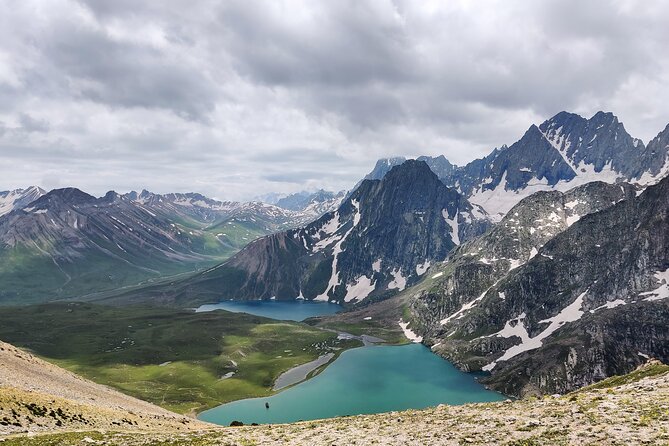
This Kashmir Great Lakes trek times itself perfectly for early July: snow still clings to the higher reaches while lower meadows start fresh blooms. The season shift through late July and August changes the mood fast, and you get a real sense of how quickly weather rules the valley.
I love two things most. First, you travel with a mountaineering qualified, BMC certified professional trek guide and a First Aid kit backing you up on the passes. Second, the food is a standout, including hot, steaming soups and comfort meals like dals and rajma, plus that extra treat of mountain trout dishes that makes cold nights feel less cold.
One drawback to plan for: this is a real high-pass trek with long walking days, including passes around 4,100 to 4,210 meters and the Zaj Pass at 13,280 feet, so you need moderate fitness and patience on uphill time.
In This Review
- Key Things I Think You Will Like
- When to Go for Snow, Flowers, and Rain in Kashmir Great Lakes
- Srinagar to Sonamarg: Warming Up Along the Sind River
- Day 2 Nichinai Stream to Shitkadi Meadows
- Nichinai Pass to Vishansar Lake: First Big Altitude Hit
- Gadsar Lake and the 4,210 m Gadsar Pass Challenge
- Tarsar Lake Day: A Much Nicer Pace
- Zaj Pass to Gangabal Lake: Where the Weather Tests You
- The Last Descent to Naranag and Back to Srinagar
- Camping Setup: Standard Tents, Sleeping Gear, and Comfort Wins
- Meals That Keep You Moving, Including Mountain Trout
- Guide, Safety, and Small-Group Vibe with Surendra Rana
- Price and Value for a 7-Day High-Altitude Trek
- What to Pack for a Monsoon-Season High Pass Trek
- Should You Book the Kashmir Great Lakes Trek?
- FAQ
- How long is the Kashmir Great Lakes trek?
- Where does the trek start and where does it end?
- What is the group size limit?
- What camping and sleeping gear are included?
- What meals are included?
- When is the best time to see snow and blooming meadows?
- Is a porter included for personal luggage?
Key Things I Think You Will Like
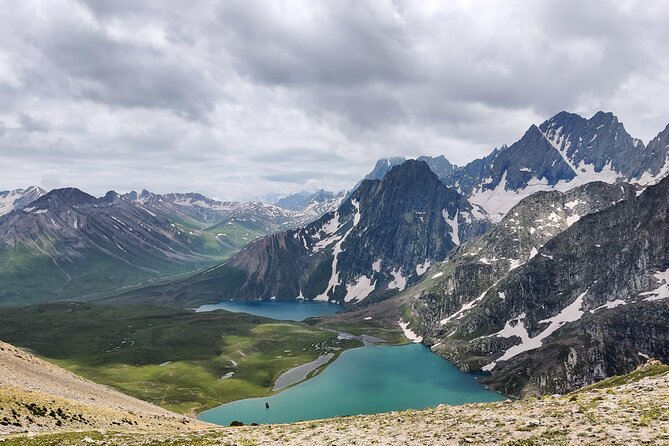
- Timing that matches your dream photos, early July for snow at the top and meadow bloom below
- Small group size up to 11 travelers, which usually means less chaos at camp and on the trail
- Serious pass altitudes, including Nichinai Pass around 4,100 m and Gadsar Pass around 4,210 m
- Camp comfort that goes beyond a sleeping bag, with an A-shape tent setup plus kitchen, dining, and toilet tent
- Food that holds up in tough conditions, including trout dishes and hot soups
- Guides who stay alert in bad weather, with Surendra Rana and Rishabh mentioned for keeping groups safe
More of Srinagar and the valley
When to Go for Snow, Flowers, and Rain in Kashmir Great Lakes
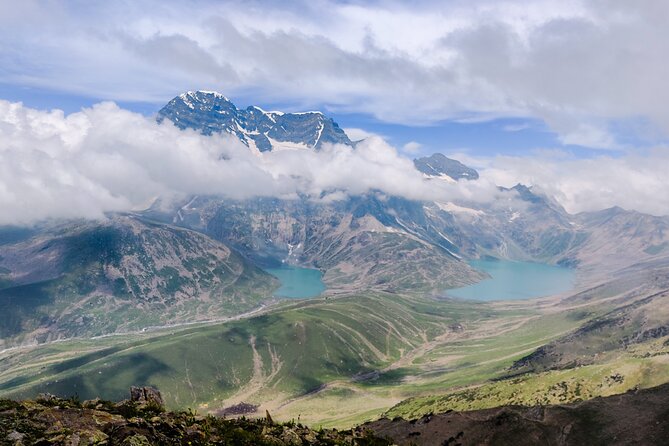
Pick your month, and the trek picks a different personality for you. In early July, snow is still present on higher altitudes, while meadows are in their fresh bloom. If you want that classic view of snow-covered heights with bright summer growth in the foreground, this is the sweet spot.
By the end of July, the snow melts away and the meadows are in full bloom. That often makes for an easier visual day, because you are mostly walking through green and floral color rather than split scenes of white and bloom.
Late August is the trade-off month. Temperatures start to drop again, flowers begin to wither, and cold starts sweeping the alpine meadows. Rain becomes a bigger factor too, including the possibility of abrupt rainfall that can change trail conditions quickly. The good news is you can continue well into the second week of September before higher areas start taking on more winter weight again.
Srinagar to Sonamarg: Warming Up Along the Sind River
Your trip begins in Srinagar, with a meeting time set for 11:00 am. Then you head out around 1:00 pm and reach Sonamarg by about 4:30 pm.
The drive follows the Sind River. You cross over to the true right of the river at Wayil bridge, about 25 km ahead of Srinagar. On the way, you pass Anchar Lake of Srinagar, which is a nice early taste of how water and mountains shape this region.
This day is more about getting your legs ready than pushing fitness. You are sitting, watching, and getting oriented to the pace of the route before camp days take over.
Day 2 Nichinai Stream to Shitkadi Meadows
Day 2 starts at camp at Shitkadi. You trek toward Nichinai camp, following the Nichinai stream to your right through most of the day.
After about 1.5 km upstream, you reach a meadow dotted with maple trees. This is the kind of segment that helps you settle into rhythm. You are not just climbing, you are moving through a living trail corridor where water and trees guide your footing and your pace.
A practical note for this kind of day: stream-side walking can mean damp ground even if rain is not falling. Trekking shoes with decent grip matter here, and you will want to keep your socks dry enough that you are not battling blisters later.
- Amazing Kashmir Tour – 03 Nights & 04 Days★ 5.0 · 127 reviews
- Private Kashmir Family 7-Day Tour★ 5.0 · 122 reviews
- Fascinating Kashmir 4 Nights / 5 Days★ 5.0 · 112 reviews
- Private Sedan Cab to and from Srinagar Airport and Dal Lake★ 5.0 · 46 reviews
- 6 Days Private Tour in Kashmir★ 4.5 · 31 reviews
Nichinai Pass to Vishansar Lake: First Big Altitude Hit
Today includes your first major ascent. The route goes from Nichinai camp up toward Nichinai Pass, which sits around 4,100 meters.
This climb takes a good couple of hours at a moderate pace. What I like about this setup is that you are not thrown into a sprint. You earn the pass with steady movement, and once you cross over, the day shifts from raw altitude effort to the payoff of lake-country walking.
The stop is Vishansar Lake. The moment the trail opens up near the lake, you usually get clearer views and more space to breathe. It is also a helpful day for learning your body cues, like how quickly you should slow down when the air feels thin.
Gadsar Lake and the 4,210 m Gadsar Pass Challenge
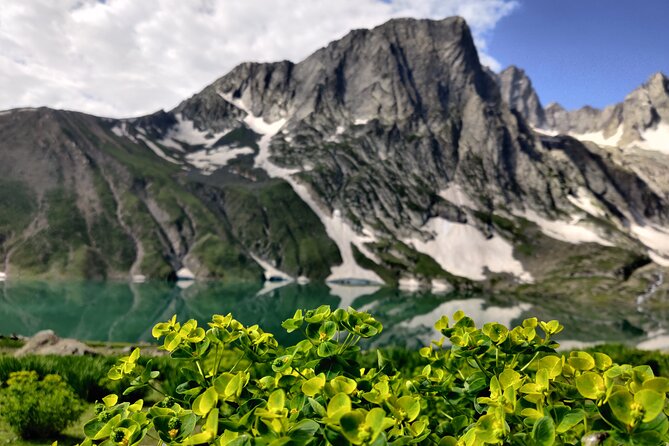
If you want one day that tests you, this is the one. The trek from Vishansar to Gadsar is described as beautiful but demanding, and it includes the highest point of the trek at Gadsar Pass, around 4,210 meters.
You start with a push that feels steady rather than chaotic. The trail from Vishansar continues toward that high crossing, and the long effort is part of why the lake is memorable. At this elevation, you want to move like you have nowhere to prove. Slow steps, consistent breathing, and plenty of pauses give you control.
Day 4 also tends to be a day where weather can matter. If clouds thicken or wind picks up, you want layers ready right away. A high pass can change from clear to miserable fast, and this trek is run with the expectation that guides watch conditions closely.
Tarsar Lake Day: A Much Nicer Pace
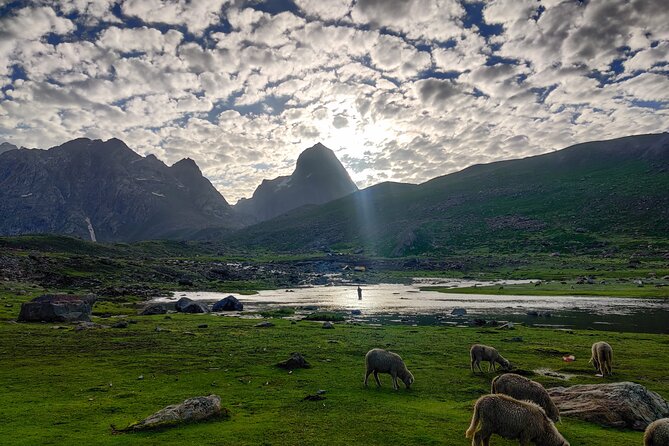
From Gadsar to the Tarsar Lake area, the day is relatively easier compared with the heavier pass days. It still begins with an initial steep hike, taking a little over an hour, before you reach a trail that becomes gradual and mostly level.
This is a good day to reset. You can focus on smooth foot placement, keep your energy steady, and save your legs for the later days that involve more sustained altitude effort.
I also like how this day works for morale. When a trek gives you one more balanced walking day, you often enjoy the lakes more because you are not arriving completely crushed.
Zaj Pass to Gangabal Lake: Where the Weather Tests You
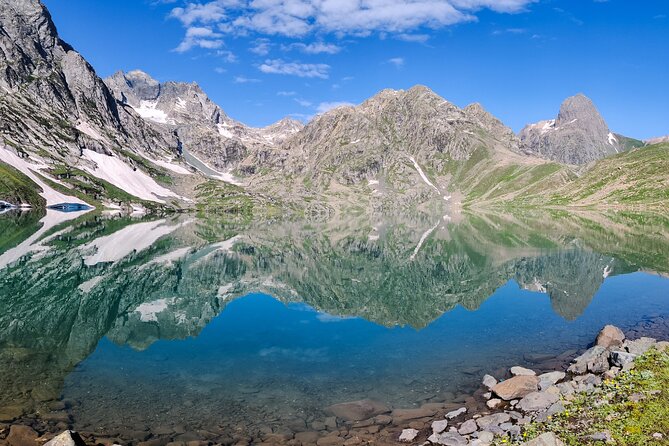
Day 6 centers on Gangabal Lake, with the key challenge of the Zaj Pass. The pass is comparatively lower than the earlier crossings, but it is still high enough to make the air feel sharp. The route to Zaj Pass takes around 2 hours, and the altitude is listed as 13,280 feet.
The fact that Zaj is lower than the earlier passes can fool you into thinking it will feel easy. In practice, the air stays demanding, and this is often where strong pacing really matters. If you try to walk too fast because you think it is easier, you end up paying the price later.
The good part is you end at Gangabal Lake, which keeps the trek’s theme alive: water, alpine terrain, and the wide open feeling you only get after several days of steady climbing.
Also, based on how the trip has handled past bad weather, the human side matters. Guides like Surendra Rana and support like Rishabh are noted for vigilance and keeping groups safe when weather turns. That is exactly what you want on a trek where conditions can shift.
The Last Descent to Naranag and Back to Srinagar
Your final trekking day shifts hard from mixed walking to a big finish. The trail oscillates between minor ascents and descents until about halfway, then it becomes a steep descent all the way to Naranag.
One of the most useful details I took from prior trips on this route: the last day includes a long downhill, noted as around 13 kilometers downhill in total. That is a lot for knees, ankles, and quads, even if you have been doing well.
You usually arrive back in Srinagar between 5:00 and 7:00 pm depending on your start time from Gangabal. This is a day where you may want trekking poles. They help with descent control and reduce the pounding your legs take.
Camping Setup: Standard Tents, Sleeping Gear, and Comfort Wins
This trek keeps camping practical and structured. You get accommodation for 6 nights in standard tent stay with double occupancy. The setup includes an A shape tent plus a kitchen, dining tent, and a toilet tent, with camping stools and portable seating.
You also get clean sleeping bags and mats. That matters more than people think on multi day treks. Even when you pack well, cold ground and damp air can drain you, and decent gear reduces the mental load of camp life.
In reviews, the camp locations and shelter quality come up as strengths, which lines up with the idea that where they place tents is part of the experience. It is easier to sleep, easier to eat, and easier to recover when camp is positioned thoughtfully.
Meals That Keep You Moving, Including Mountain Trout
If you worry about food on hard treks, this is the part that often changes your whole opinion of the trip. You get 6 breakfasts, 5 lunches, and 6 dinners.
The meals are hearty and built for cold air. I’ve heard hot, steaming soups and comfort dishes like dals and rajma, plus pasta and even popcorn as trail-time morale boosts. The fact that mountain trout dishes show up is a nice touch, because it adds variety while still fitting the comfort-food role.
One more subtle benefit: consistent meal timing keeps your energy predictable. On altitude days, you do not want surprises that make you stumble, and good feeding routines help you keep moving calmly.
Guide, Safety, and Small-Group Vibe with Surendra Rana
The trek is led by a mountaineering qualified, BMC certified professional trek guide, and the team travels with a First Aid kit. The group size stays capped at a maximum of 11 travelers, which tends to make the whole operation run smoother.
In the field, the guide’s job is not just route knowledge. It is reading weather, managing pace, and making the call when conditions change. Surendra Rana has been specifically mentioned for being extremely alert and vigilant, and Rishabh is also named for helping keep the group safe when weather turned bad on the KGL trek.
I like that you are not going in blind. You are in a small team setting, with professionals who expect real mountain conditions rather than pretending it is a walk in the park.
Price and Value for a 7-Day High-Altitude Trek
The price listed is $481 for roughly 7 days. That can sound steep until you look at what is included.
You are paying for 6 nights of tent accommodation with a structured camp setup, transport support on the Srinagar leg, all fees and taxes, and the guided trek team with professional training and First Aid. You also get meals across the trekking days, plus clean sleeping gear like sleeping bags and mats.
What is not included matters too:
- Porter service for personal luggage, listed as INR 500 per bag per day (bags under 12, per the note)
- Personal expenses like tips and medicines
- Transport to reach Srinagar from your hometown
- Accommodation in Srinagar on the last day
- Any emergency-related price increases
So here is how I think about value: if you want the safety net of a professional guide, camp infrastructure, and full-board meal support, this is often money well spent. If you already have camping gear and you can self-support, you might find cheaper options. But for most people, the included support saves energy and reduces stress during high-altitude days.
Also, this experience requires good weather. If it is canceled due to poor weather, you are offered a different date or a full refund, and free cancellation is allowed up to 24 hours in advance.
What to Pack for a Monsoon-Season High Pass Trek
I cannot tell you exact temperatures, but I can tell you the conditions shift across this season. Rain can be abrupt in late July through August, and nights can feel more comfortable later in the warmer part of the season. As you approach late August and September, cold becomes more likely.
Plan for wet plus cold. Bring a rain layer you trust, a warm mid layer for windy pass moments, and gloves or a hat if you get cold easily. Good socks help more than people admit, because damp feet quickly turn into slow walking.
Also think about the downhill. The last day includes a steep descent, so packing footwear with strong grip and considering trekking poles can save you from knee fatigue.
Should You Book the Kashmir Great Lakes Trek?
I think you should book this trek if you want a guided Kashmir route that balances stunning alpine lakes with solid camp support and serious safety. The combination of small group size, professional guides, and food that does not feel like an afterthought is a big part of why this trek works.
You might want to pause before booking if high passes and long walking days feel borderline for you. Nichinai Pass around 4,100 meters, Gadsar Pass around 4,210 meters, and Zaj Pass at 13,280 feet mean you should be honest about your fitness and your comfort with altitude effort.
FAQ
How long is the Kashmir Great Lakes trek?
It is listed as 7 days (approx.).
Where does the trek start and where does it end?
It starts in Srinagar and ends back at the meeting point. You typically return to Srinagar between 5:00 and 7:00 pm on the last day.
What is the group size limit?
The maximum group size is 11 travelers.
What camping and sleeping gear are included?
You get 6 nights of standard tent stay with double occupancy. The package also includes clean sleeping bags and mats, plus a camping setup with kitchen, dining, and a toilet tent.
What meals are included?
The trek includes 6 breakfasts, 6 dinners, and 5 lunches.
When is the best time to see snow and blooming meadows?
Early July is best for seeing snow at higher altitudes with fresh summer bloom in the meadows. End of July is best for full meadow bloom. Late August may bring colder temperatures and more rain risk, with flowers beginning to wither.
Is a porter included for personal luggage?
No porter is included. A porter can be arranged for INR 500 per bag (under 12) per day.
Srinagar and the Valley, More Days


Recently reviewed across Srinagar
- Kashmir Ladakh Tour
★ 5.0 · 12 reviews - Srinagar Splendors: A Private City Tour
★ 4.5 · 12 reviews - The Best Monsoon Trek: Kashmir Great Lakes
★ 5.0 · 26 reviews - 6 Days Private Tour in Kashmir
★ 4.5 · 31 reviews - Private Sedan Cab to and from Srinagar Airport and Dal Lake
★ 5.0 · 46 reviews - Fascinating Kashmir 4 Nights / 5 Days
★ 5.0 · 112 reviews
Kashmir and Srinagar Tours, compared.
 ★ 5.0Kashmir Family Tour – 07 Days Includes Accommodation and Private TransportFrom $900164 reviews
 ★ 5.06 Days Private Tour in Kashmir ValleyFrom $522140 reviews
 ★ 5.0Private 5-Day Charming Kashmir Package Tour from SrinagarFrom $510138 reviews
 ★ 5.05-Days Kashmir tour includes Accommodation and Private TransportationFrom $560134 reviews
 ★ 5.0Amazing Kashmir Tour – 03 Nights & 04 DaysFrom $650127 reviews
 ★ 5.0Private Kashmir Family 7-Day TourFrom $635122 reviews
 ★ 5.0Fascinating Kashmir 4 Nights / 5 DaysFrom $306112 reviews
 ★ 5.0Kashmir Great Lakes TrekFrom $11256 reviews
Browse the lists this tour appears in