
REVIEW · CHENNAI AND MAHABALIPURAM TOURS
Mahabalipuram and Kanchipuram Private Caves & Temples Tour
Two temple cities in one long day. This private tour strings together Mahabalipuram’s stone masterpieces and Kanchipuram’s legendary temple complexes, with an English-speaking guide who explains the faith behind the carvings. I like having a dedicated guide because the art in this part of Tamil Nadu makes way more sense with context. I also like the practical flow, car pickup from your Chennai hotel, then a full day of monuments without navigating buses or ticket lines yourself.
One thing to consider: temple visiting can be timing-sensitive, and access rules can limit what you can enter if you are not Hindu. Plan for a day that may feel tighter around midday and inside certain temple areas.
In This Review
- Key Things to Know Before You Go
- Mahabalipuram Shore Temple, and why starting here matters
- Five Rathas (Pancha Rathas): small, busy, and surprisingly instructive
- Lunch break in between cities, and how to plan around temple hours
- Kanchipuram, the Golden City, and how the day really shifts
- Religion threads: Hindu, Jain, and Buddhist stories in one guided day
- Private guide quality is the make-or-break factor
- Shopping for Kanchipuram silk and cotton saris, without letting it drive your day
- Temple entry rules for foreigners and non-Hindus
- Photos, camera fees, and what you might have to pay extra
- Price and logistics: what $115 actually buys you
- Who this tour fits best
- Should you book this Mahabalipuram and Kanchipuram tour?
- FAQ
- How long is the Mahabalipuram and Kanchipuram private caves and temples tour?
- Where do you get picked up in Chennai?
- Is there a guide, and is it in English?
- Which temples and sites does the tour include?
- Is lunch included in the price?
- What costs are included or not included?
Key Things to Know Before You Go

- Shore Temple first, so you start with one of Mahabalipuram’s most striking 7th-century sights and a calm garden setting
- Five Rathas (Pancha Rathas) give you a fast, visual lesson in how rock-cut temples were shaped
- Kanchipuram is the real “temple marathon”, with major stops like Kailasanatha and Ekambareswara
- Lunch is a stop, not a given included meal, so you’ll want cash or a card ready for your choice
- Shopping can be part of the route, which is fun if you want silk and cotton saris, but you should keep your budget firm
More Chennai days and shore temple runs
Mahabalipuram Shore Temple, and why starting here matters
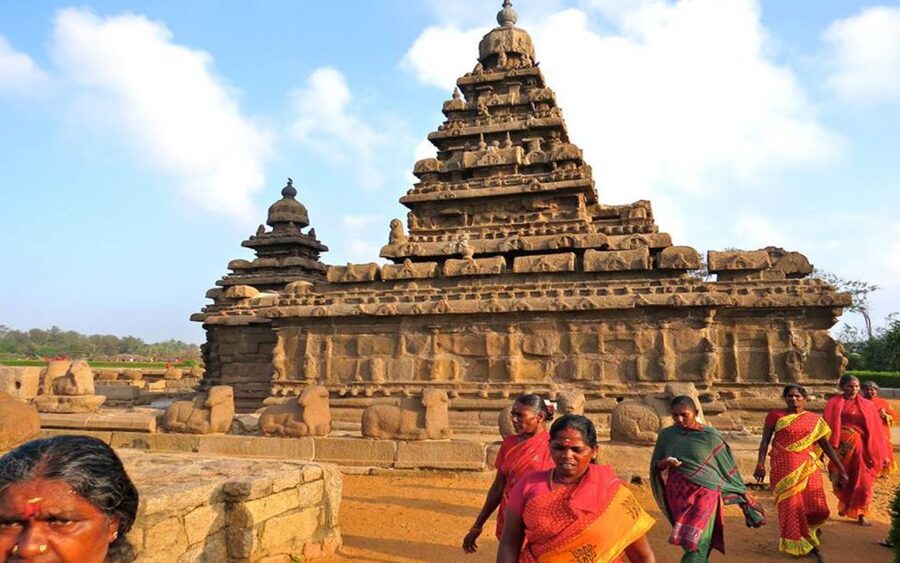
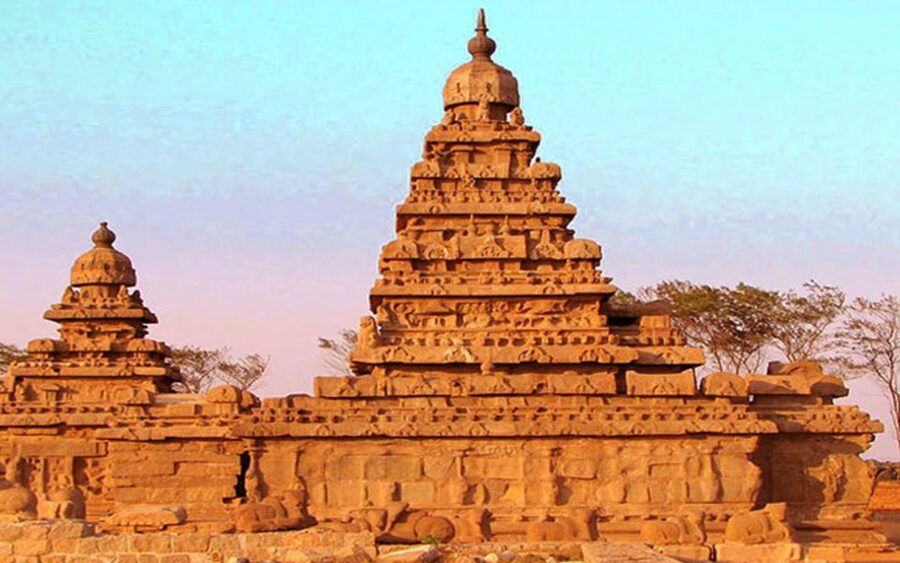
Mahabalipuram is the kind of place where stone looks like it’s telling a story, not just sitting there. The tour starts with the Shore Temple, a 7th-century monument set near the sea, surrounded by gardens. Even if you only have one day, this opening stop gives you the visual anchor for everything that follows.
Here’s what I like about this first stop: it sets your expectations for the day. Mahabalipuram is famous for detailed stone carving, and the Shore Temple’s style helps you spot themes quickly when you move on to the rock-cut shrines. You’re not just checking boxes, you’re learning how these buildings think.
A good private guide also helps you read what you’re seeing. One guide was especially praised for being funny and making the carvings feel understandable instead of intimidating. That kind of explanation can turn a statue or relief into a small lesson you remember later.
Five Rathas (Pancha Rathas): small, busy, and surprisingly instructive
Next comes the Five Rathas, also known as Pancha Rathas. These are early temple structures cut and shaped into stone forms, and they’re a big reason Mahabalipuram is studied for its architectural experiments. On a tight schedule like an 8-hour day, this stop is smart because you get a lot of variation without traveling across town.
What you can expect: you’ll walk around to view multiple rathas, each with its own carved details and proportions. It’s not a single building you stare at for hours. Instead, you move, compare, and notice how the rock-cut style creates a consistent look while still showing different approaches.
One practical note from experience with similar temple days: if you rush, the rathas can feel like they blur together. The fix is simple. Slow down for your favorite two, and let the guide’s explanations land before you move on. This is one of those places where 10 extra minutes can matter more than an extra photo.
Lunch break in between cities, and how to plan around temple hours
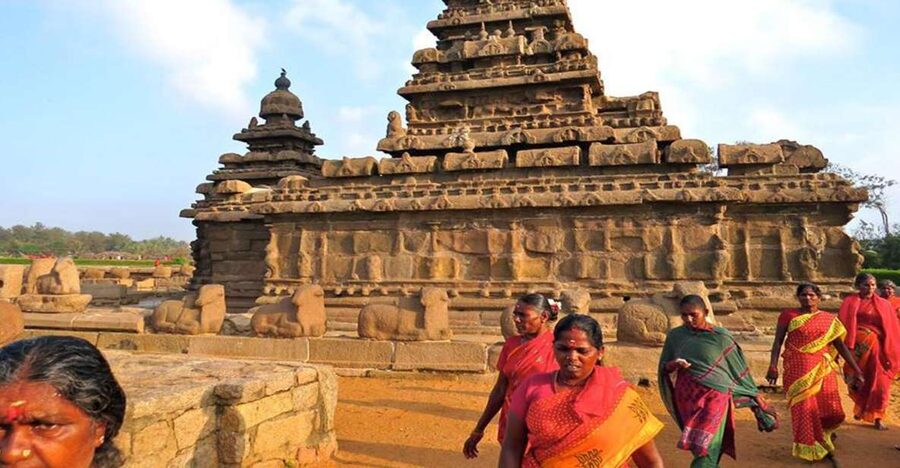
Between Mahabalipuram and Kanchipuram, you’ll stop for lunch at a local restaurant. Lunch is not included in the price, so you are choosing what to eat and what to spend. That actually gives you control, especially if you prefer seafood, a common pick in this coastal region.
There are two lunch patterns that fit this day well. If you want something easy and filling, choose a straightforward main plus a drink and keep moving. If you want a memorable meal, pick a spot where seafood is a highlight, because at least one guide in past experiences was known for taking people to eat seafood by the ocean.
Here’s the consideration that matters for your schedule: temple visiting hours can be restrictive. In one experience, the timing around midday caused some anxiety at first, because temples can close from around 12:00 to 16:00. Your route may adjust, and you might end up entering fewer areas than you hoped. If you’re planning to visit multiple interiors, keep your expectations flexible.
- Georgetown heritage walking tour in Chennai about the founding of Chennai★ 5.0 · 144 reviews
- Mahabalipuram Private tour from Chennai by car with guide and lunch by Wonder★ 5.0 · 137 reviews
- Mahabalipuram walking tour by tourism ministry approved company★ 5.0 · 102 reviews
- Chennai Walking Tour ( 2 hours guided tour)★ 3.8 · 85 reviews
- Sowcarpet Street Food Walking Tour in Chennai with guide★ 5.0 · 83 reviews
Kanchipuram, the Golden City, and how the day really shifts
Then you drive to Kanchipuram, often called the golden city of a thousand temples. This is where the pace changes. Mahabalipuram is about rock-cut architecture you can view outdoors in a dramatic coastal setting. Kanchipuram is about temple complexes and ongoing religious life, with different dynasties leaving different layers on the buildings.
Your main Kanchipuram stops include several major temples:
- Kailasanatha Temple
- Vaikunda Perumal Temple
- Kamaskhi Amman Temple
- Ekambareswara Temple
In a private format, you’ll have the benefit of a guide to connect what you’re seeing to the religious and architectural meaning. That matters because these temples are not one-style monuments. They reflect changing experiments across centuries, so details can feel subtle unless someone points them out.
Also, this is where the “private” part pays off. You can move through the site with a plan instead of guessing which entrance to use, where to stand for views, and how long you realistically have before another stop. On an 8-hour tour, time management is the difference between feeling satisfied and feeling rushed.
Religion threads: Hindu, Jain, and Buddhist stories in one guided day
One of the big promises of this tour is the history of Hindus, Jains, and Buddhists. Even when your stops are mainly temple complexes, the guide’s job is to connect the artwork and architectural forms to the wider religious context of the region. That turns a monument tour into a cultural interpretation tour.
A practical way to use this: during explanations, ask yourself what the carvings are showing, not just who built the structure. Animal motifs, sculpted figures, and relief scenes often hint at how people understood the world and the divine. With the guide translating that symbolism, you can see links faster.
If you care about comparative religion, this format is efficient. You’ll cover multiple faith influences across two famous cities without needing to plan separate museum days or complicated transport routes. For many people, that efficiency is the main value of booking a guided day at all.
Private guide quality is the make-or-break factor
At $115 per person, the tour is priced like a true private day: private English-speaking guide, private sightseeing and transfer in an air-conditioned vehicle, and entrance fees covered. What you get is convenience and time savings, but also the key ingredient: interpretation.
The reviews strongly suggest that the guide can make the difference between a fun day and an eye-opening day. One guide named Shiva was praised as brilliant, knowledgeable, and funny, with effort to keep the group enjoying the sights. Another driver, Ram Kumar, received positive mentions for how smoothly the day ran.
But not every guide experience is equal. One account described a Kanchipuram guide who had limited English, which reduced how much information the group could absorb. That same experience also mentioned pressure to shop at stores tied to people the guide knew. The temples themselves were still worth seeing, but the day felt overpriced compared with hiring separate help.
So how should you think about value? For me, here’s the balanced view:
- If you get a strong English-speaking guide, the experience can feel worth every dollar because you learn while you walk.
- If you get a weaker guide, the day still has major monuments, but you might feel the price more than you expected.
Shopping for Kanchipuram silk and cotton saris, without letting it drive your day
Kanchipuram is famous for silk and textile culture, and the tour highlights time to shop for exclusive silk and cotton saris. Shopping can be a highlight here, especially if you want a real souvenir tied to the city’s identity.
The caution is straightforward. In one experience, the shop component came with pressure to buy, and when purchases did not happen the guide reportedly became annoyed. You do not have to buy anything to enjoy the temples, and you can treat the shop stop like a browsing break, not a requirement.
A good rule for any tour day with shopping: decide your budget before the car pulls in. If you want to see fabrics, go for it. If you do not want to shop, you can still use the time to ask questions about what you see and then refocus on temples.
Temple entry rules for foreigners and non-Hindus
One of the most important practical considerations in this region is temple access. In one past experience, a group noted they were not allowed in the temples as foreigners, even though the company could not control that rule. That matches how cultural and religious access can work in many places.
What this means for you: be mentally prepared for a split day. You may be able to view and photograph from certain areas, but interior access might be limited depending on temple rules and your background. If interior access is a top priority, plan to arrive with flexibility and let the guide show you what is possible on the ground.
This also affects how you feel about the schedule. If some interiors are closed to you, you might want to spend more time on the exteriors and on the guide’s explanation, because you will still come away with understanding even if you cannot enter everything.
Photos, camera fees, and what you might have to pay extra
Entrance fees for the itinerary are included, which helps. But camera fees at monuments are specifically listed as not included. That means you should assume you might pay for photography at certain sites.
If you are a photo person, this is worth budgeting for before the day starts. Keep your camera ready, but also keep an eye out for signage about fees, because rules can vary by monument.
Also remember that some temples may restrict where you can stand. A guide helps you avoid awkward mistakes and wasted time, which matters when you have a fixed 8-hour window.
Price and logistics: what $115 actually buys you
Let’s be clear about value. At $115 per person, you are not just paying for sightseeing. You are paying for:
- a private English-speaking guide
- private transfer in an air-conditioned vehicle
- entrance fees as per itinerary
- taxes and service charges
Lunch and personal spending are not included, and camera fees at monuments can add a cost. So the real question is: does the private format and the guide justify the price compared with doing it more independently?
Here’s where this tour often wins:
- You save time and stress in Chennai pickup and intercity driving.
- You reduce decision fatigue, because the day is planned from monument to monument.
- You learn faster, because the guide is reading the carvings and architecture for you while you walk.
Here’s where it can feel less fair:
- If your guide’s English level or shop handling is not aligned with your expectations, the day can feel expensive.
- If temple access is restricted for you personally, you might feel like you lost some of what you hoped to see.
If you treat the tour as a structured day with a strong chance to learn, it can feel like a good deal. If you are the type who hates scheduled stops and shopping pressure, you’ll need to set boundaries early in the day.
Who this tour fits best
This is a strong match if you want:
- a one-day plan that covers two major temple hubs without public transport hassles
- a guide to explain Hindu, Jain, and Buddhist context through what you see
- an efficient, comfortable day in an air-conditioned vehicle
It may be less ideal if you:
- need guaranteed interior temple access everywhere
- hate any shopping stops
- expect a flexible, slower pace that turns into an all-day hangout
Should you book this Mahabalipuram and Kanchipuram tour?
I’d book it if you want a guided, high-value architecture day and you appreciate being walked through meaning, not just locations. The monuments here are genuinely the reason: Shore Temple, Pancha Rathas, and the big Kanchipuram temples are the kind of sights that repay attention.
I’d think twice if you are extremely sensitive to temple access limitations for non-Hindus, or if you are likely to feel pushed during shopping. In that case, you can still enjoy the day, but go in with a clear budget and flexible expectations for how much you can enter.
If you want one practical move, it’s this: choose the kind of guide you’ll benefit from. A good guide can turn this route into a memorable cultural day. A weaker experience can still be beautiful, but it will feel like you paid mostly for transport and entries instead of learning.
FAQ
How long is the Mahabalipuram and Kanchipuram private caves and temples tour?
The duration is 8 hours.
Where do you get picked up in Chennai?
You can be picked up from any hotel within Chennai city. The driver reports to your hotel lobby and picks you up, and you’ll be dropped back after the tour.
Is there a guide, and is it in English?
Yes. The tour includes a private English-speaking guide and the live tour guide language is English.
Which temples and sites does the tour include?
In Mahabalipuram you visit the 7th-century Shore Temple and the 7th-century Five Rathas (Pancha Rathas). In Kanchipuram you visit Kailasanatha Temple, Vaikunda Perumal Temple, Kamakshi Amman Temple, and Ekambareswara Temple.
Is lunch included in the price?
Lunch is a stop at a local restaurant, but it is not listed as included in the price.
What costs are included or not included?
Entrance fees as per the itinerary, the private guide, private air-conditioned transfers, and taxes and service charges are included. Personal expenses and camera fees at monuments are not included.
Chennai and the Shore Temples


Recently reviewed across Chennai
- Colonial Charm & Cultural Treasures Chennai Sightseeing Tour
★ 4.0 · 10 reviews - Chennai & Mahabalipuram day trip with private car, Lunch & Guide
★ 5.0 · 10 reviews - Mahabalipuram walking tour by certified travel company
★ 5.0 · 10 reviews - Explore Chennai City Tour with Guide, Lunch, and Local Highlights
★ 5.0 · 10 reviews - British Architecture Walk in Chennai by Wonder tours
★ 5.0 · 10 reviews - St Thomas Trail in Chennai by Wonder tours
★ 4.5 · 11 reviews
Chennai and Mahabalipuram Tours, compared.
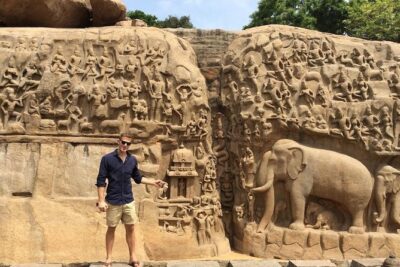 ★ 5.0Mahabalipuram tour by Tourism Ministry approved companyFrom $115405 reviews
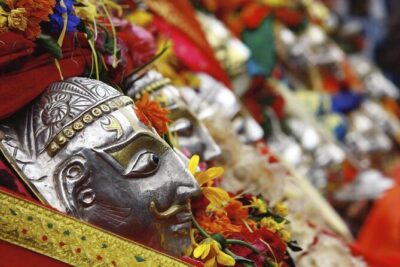 ★ 5.0Gods of Mylapore walking tour- tourism ministry approved companyFrom $40267 reviews
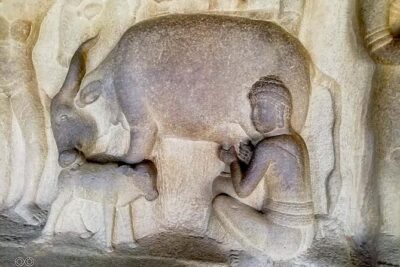 ★ 5.0Mahabalipuram & Kanchipuram by tourism ministry approved companyFrom $135264 reviews
 ★ 5.0Chennai tour in car with guide-winner of traveller’s choice awardFrom $80258 reviews
 ★ 5.0Georgetown heritage walking tour in Chennai about the founding of ChennaiFrom $50144 reviews
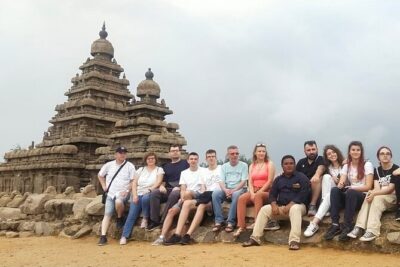 ★ 5.0Mahabalipuram Private tour from Chennai by car with guide and lunch by WonderFrom $89137 reviews
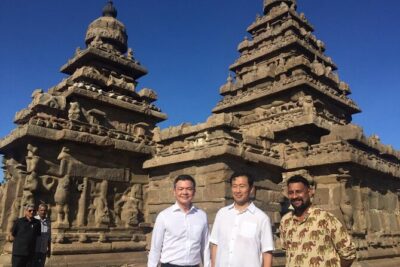 ★ 5.0Mahabalipuram walking tour by tourism ministry approved companyFrom $50102 reviews
 ★ 3.8Chennai Walking Tour ( 2 hours guided tour)From $1485 reviews
Browse the lists this tour appears in