
REVIEW · NEW DELHI LANDMARK TOURS
New Delhi: Indian Cooking Class in a Local Home
Spices go from confusing to clear. This New Delhi cooking class happens in a family home, not a restaurant kitchen, so you learn in a cozy, human way. I like that you cook a complete meal, with main dish, rice, multiple breads, and dessert, and I also like the focus on how spices shape flavor and aroma. One thing to consider is the meeting point is a private address, so you’ll want to double-check you have the right house details before you head over.
JD and the family make it feel like you’re joining dinner prep, not watching from the side. Small-group size (up to 10) helps you actually ask questions, especially about spice timing and bread technique. You also get real comforts, like air-conditioning and restroom access, which matters in Delhi.
In This Review
- Quick hits before you book
- Cooking in JD and Bindra’s Delhi home, not a studio
- What you’ll cook: main dish, rice, bread, dessert
- Spice lessons that teach timing, aroma, and the “last pinch” effect
- The 2.5-hour flow in a family kitchen
- What you learn beyond recipes: dishes, stories, and technique
- Eating together: chai, conversation, and the payoff
- Price and value: $47 for a full meal lesson
- Who should book this class in New Delhi
- Practical tips to make your evening smoother
- Should you book this Indian cooking class?
- FAQ
- How long is the Indian cooking class in New Delhi?
- What will I cook during the class?
- Is it a private class?
- What languages are spoken during the class?
- What is included in the $47 price?
- Where do I meet, and do I enter through a separate entrance?
- Is the home air-conditioned, and are restrooms available?
Quick hits before you book
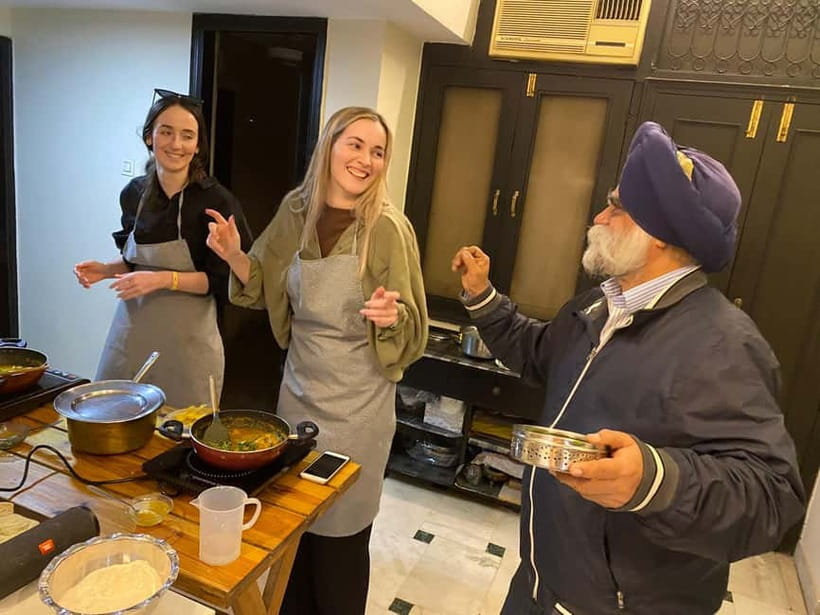
- Family-home setting with JD and Bindra (his father) teaching you in their own kitchen
- A full meal: main dish, rice, multiple breads, and dessert
- Spice mechanics, not just a list of ingredients, so you can recreate the flavors later
- Hands-on cooking time with guidance and step-by-step reasoning
- Recipes included, plus a chat at the table to connect food to culture
More of New Delhi, monument by monument
Cooking in JD and Bindra’s Delhi home, not a studio
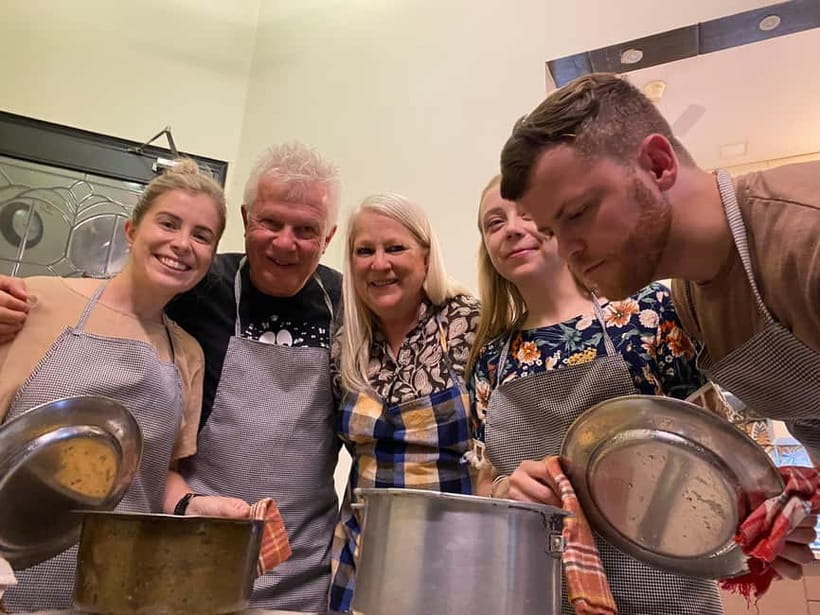
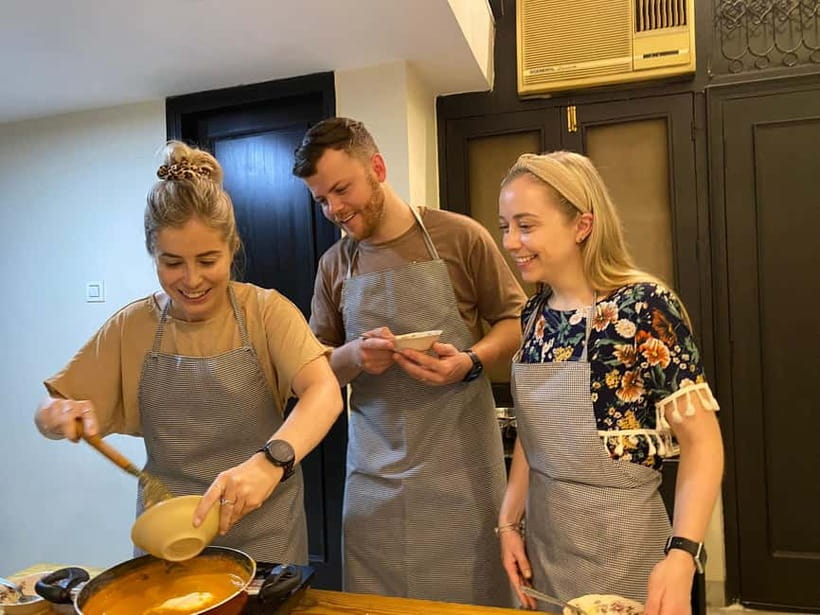
If you’re tired of cooking classes that feel like a show, this one is built for the opposite. The whole experience takes place at Bindra’s home in GK-1, with JD acting as the main English (and Hindi, Punjabi) guide. It feels intimate because it is: the group is kept small, capped at 10 people, so the kitchen doesn’t turn into a production line.
What makes this format genuinely useful is the pace. In a home kitchen, there’s time for questions like when to add which spice, or why one step changes the smell of the dish. Several class moments are designed around “watch, do, taste, adjust,” which is exactly how you learn to cook Indian food at home instead of copying a recipe blindly.
You’ll also appreciate the practical comfort. The space is fully air-conditioned, and there are restroom facilities. That alone makes a 2.5-hour evening feel manageable, not exhausting.
What you’ll cook: main dish, rice, bread, dessert
This class is structured around one main dish, one rice dish, two types of bread, and a dessert. That’s a smart mix for beginners because it covers the core pillars of an Indian home meal, not just a single “signature” curry.
Here’s how that helps you:
- Main dish: This is where spice timing and seasoning balance show up most clearly.
- Rice: You learn how fragrant spices and cooking method affect the final aroma.
- Bread: You get technique practice, not just eating.
- Dessert: You get a sweet ending and a chance to understand how dairy, sugar, and textures work in Indian-style desserts.
From the cooking you see in class descriptions, the emphasis stays on making the dishes yourself. You’re not just tasting, then leaving. You’re building a meal you can actually repeat later.
Also, many sessions include a strong focus on spices in the main dish and a guided approach to rice and bread. In past experiences shared by participants, the bread section can include more than one variation of typical Indian flatbread, so even if the plan is two bread types, you may end up rolling out extra versions depending on how the class runs.
Spice lessons that teach timing, aroma, and the “last pinch” effect
The best classes teach you how to think, not just what to make. That’s what this experience is aimed at with its spice focus. You’ll learn how spices shape flavors and aromas, and the instruction includes “subtle secrets” that separate average cooking from food that tastes like someone’s been feeding you for years.
In practical terms, that usually means:
- Learning which spices go in early to build a base.
- Learning which spices go in later to change the final smell.
- Understanding how to adjust heat and balance so the dish tastes complete, not one-note.
A particularly useful moment, mentioned in participant accounts, is tasting the curry during the process, then tasting again after the final spice finish. If you’ve ever wondered why a restaurant curry suddenly tastes better at the end, this is the lesson that explains it.
Even if you can find spice blends in your local store, the class helps you understand the cooking logic behind them. That’s the real value, because you’ll be able to adapt when you use different brands or when you swap ingredients at home.
- Old & New Delhi City Tour – Half or Full Day Options Available★ 5.0 · 4,811 reviews
- Taj Mahal Tour from Delhi by Express Train (Viator Award Winner)★ 5.0 · 2,849 reviews
- Same Day Taj Mahal, Fort & Baby Taj Tour from Delhi by Car★ 4.9 · 2,534 reviews
- From Delhi: Taj Mahal and Agra Fort Private Sunrise Tour★ 4.9 · 2,270 reviews
- Sunrise Taj Mahal, Agra Fort & Baby Taj Tour from Delhi by Car★ 5.0 · 2,243 reviews
The 2.5-hour flow in a family kitchen
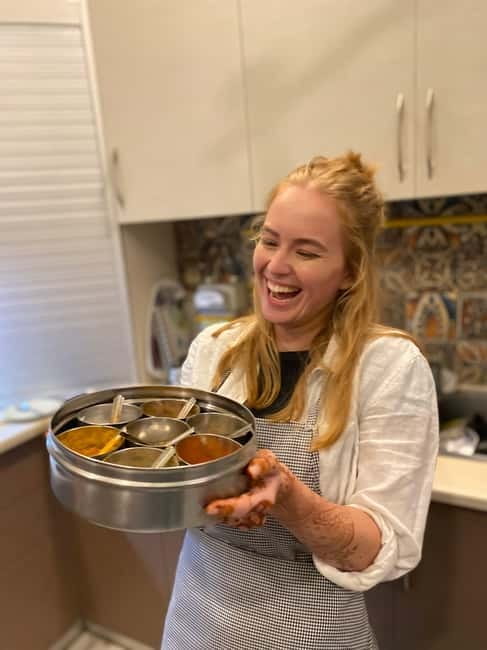
The total time is 2.5 hours, and the structure is designed so cooking happens in parallel where possible. The idea is to avoid the classic class problem where everyone chops onions for an hour, then there’s no time left to learn the real technique.
In a typical rhythm, you’ll start with a welcome and then move into the kitchen steps. Some sessions include a chai moment before you begin cooking, and the hosts may have small snacks like cookies on hand. That warm start sets the tone. Then you get into spice setup and cooking.
Because ingredients are prepared in advance, you’re not stuck waiting for the kitchen to catch up. You’ll be actively working: seasoning, combining components, shaping bread, and tending to the dishes as they cook. Several participants noted that the time moves fast because the lesson is hands-on and organized.
By the end, you sit down together as a “close-knit family” style group and eat what you made. The table part matters because it turns cooking knowledge into flavor memory. Once you’ve tasted your own curry and bread, you stop thinking of Indian cooking as a set of intimidating steps and start thinking of it as relationships between ingredients and heat.
What you learn beyond recipes: dishes, stories, and technique
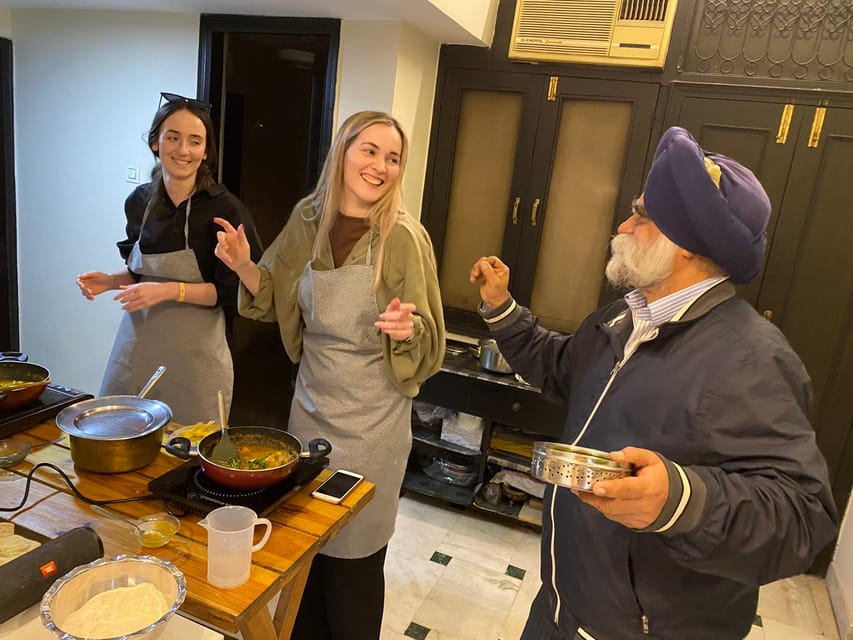
A good cooking class should leave you with more than a file on your phone. This one aims to give you technique plus the “why” behind the food.
The class includes:
- Time-honored cooking techniques
- Spice knowledge
- A collection of recipes
- Backstory about the dishes, including history and significance
That backstory piece may sound fluffy, but it helps in practice. When you understand what a dish is supposed to taste like, and why it exists, it’s easier to troubleshoot when your version doesn’t match. You’re not just copying steps, you’re learning intent.
Technique is the other big piece. Bread-making can be tricky if you only watch someone cook. Here, you’re taught and you’re doing. Rice and dessert also give you different learning angles: rice teaches texture and aromatics, while dessert teaches dairy and sweetness balance.
You also leave with confidence to recreate the dishes in your own kitchen. That confidence is usually the difference between a souvenir recipe and something you actually cook at home.
Eating together: chai, conversation, and the payoff
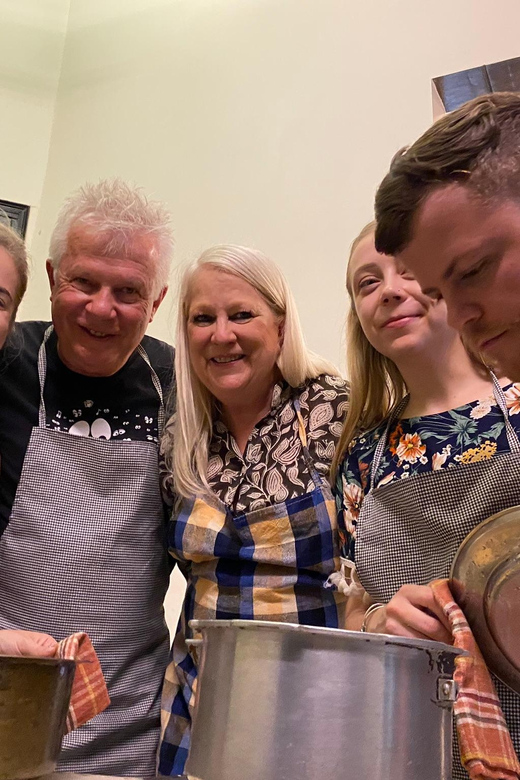
The best part of a home cooking class is also the simplest: you get to eat what you make. This experience ends with a shared meal, and the hosts encourage lively discussion and cultural insights about India while you eat.
That matters because a curry isn’t just flavors. It’s how people eat together, talk through the process, and bond over ordinary ingredients. When you understand the social context, Indian cooking becomes less mysterious.
Some participants specifically called out the chai as a highlight, including a personal chai recipe shared by JD. Even if chai isn’t your thing, it’s worth noting because it signals how personal this class is. You’re not just following instructions. You’re being welcomed.
Price and value: $47 for a full meal lesson
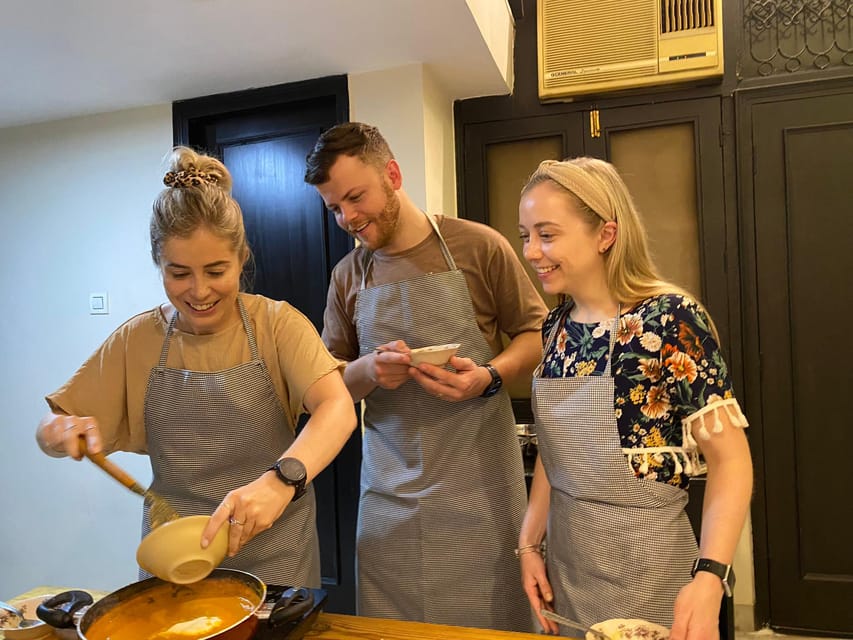
At $47 per person for a 2.5-hour class, the value depends on one question: do you want a real skill-building experience, or just a fun evening activity?
This class leans hard toward skill-building. You get:
- A full meal you cook and eat
- Ingredients and drinks included (tea and water)
- Recipes provided
- A small-group setup with an English, Hindi, and Punjabi-speaking guide
If you compare that to what you’d pay for a nice meal plus a cooking workshop at a commercial venue, the economics start to make sense fast. The price covers the food you consume, the instruction time, and the ingredient costs, while you’re also learning spice timing, bread technique, and the logic behind the steps.
One more value factor: the family-home setting. Even if a restaurant-like class offers similar dishes, you’re not getting the same sense of how the food fits into everyday life. Here, you’re learning in a living kitchen, where the instruction tends to answer questions as they come up.
Who should book this class in New Delhi
This is a great fit if you:
- Want a hands-on cooking lesson with spice-focused guidance
- Prefer small groups over crowded classes
- Like learning in a personal setting with a guide such as JD and his family
- Plan to cook at home afterward and want recipes plus technique
You might consider a different type of activity if you:
- Want a very structured, classroom-style schedule with no conversation or cultural storytelling
- Are hoping for a quick, casual tasting tour only
- Are sensitive to the idea that you’re meeting at a private home address and cooking in a real household kitchen
Practical tips to make your evening smoother
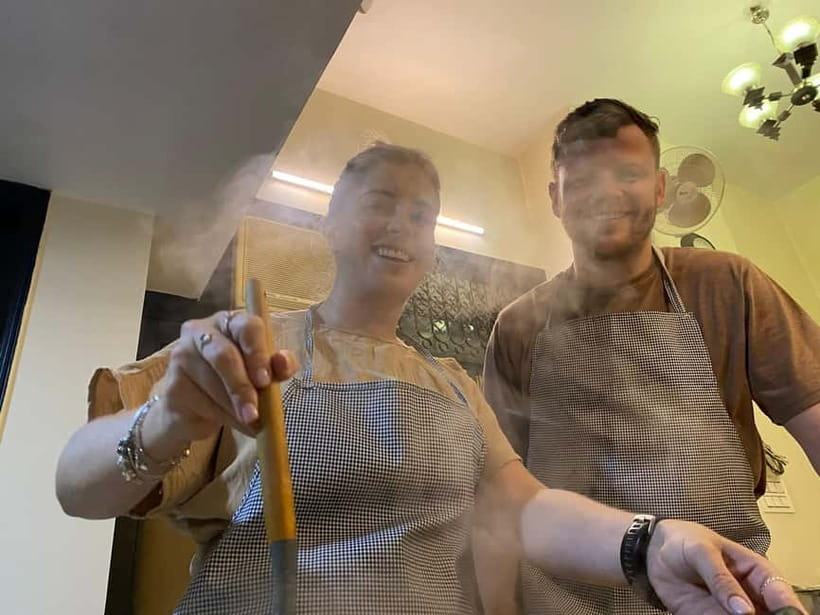
A few small choices can make your class night much easier.
First, arrive on time and confirm the meeting point: R-142 GK-1 at Bindra’s house. With private homes, the exact address matters more than usual.
Second, go in with curiosity about spices, not just a goal to finish the meal. If you’re paying attention to why spices are added when they are, you’ll get far more value out of the class.
Third, wear something you can move in. Bread and cooking steps can get messy. You’ll be standing, working, and tasting.
Finally, plan your appetite. This ends with the meal itself, so you’ll likely want a lighter plan before you go out.
Should you book this Indian cooking class?
Yes, if your priority is real instruction and a meal you can repeat. The combination of a family-home setting, a small group, and spice teaching is exactly what makes this type of experience useful on return trips back home.
I’d book it especially if you’re the kind of traveler who remembers smells, not just landmarks. Indian cooking is sensory, and learning the timing and aroma logic is one of the fastest ways to bring Delhi into your kitchen.
If you’re short on time in New Delhi but still want something memorable, this 2.5-hour format hits a sweet spot: long enough to cook, short enough to still feel like you had an evening plan.
FAQ
How long is the Indian cooking class in New Delhi?
The class runs for 2.5 hours.
What will I cook during the class?
You’ll prepare a complete Indian meal, including one main dish, one rice dish, two types of bread, and a dessert.
Is it a private class?
It’s a small group experience, limited to up to 10 participants. It happens in the host family home.
What languages are spoken during the class?
The live tour guide speaks English, Hindi, and Punjabi.
What is included in the $47 price?
Your host, the meal you cook, ingredients, all food, and drinks such as tea and water are included.
Where do I meet, and do I enter through a separate entrance?
Meet at R-142 GK-1, Bindra’s house. You also use a separate entrance to skip the line.
Is the home air-conditioned, and are restrooms available?
Yes, the space is fully air-conditioned, and restroom facilities are available. The class also offers free cancellation up to 24 hours in advance for a full refund, and you can reserve now and pay later.
New Delhi Landmarks Worth the Morning





Recently reviewed across New Delhi
- Golden Triangle – Delhi Agra and Jaipur
★ 5.0 · 10 reviews - Taj Mahal & Agra Tour by Indian Bullet Train All Inclusive
★ 4.5 · 10 reviews - Private Tour in Mehrauli Archaeological Park & Qutub Minar
★ 5.0 · 10 reviews - Old & New Delhi Tour
★ 5.0 · 10 reviews - From Delhi : Taj Mahal & Agra Fort Tour by Luxury Express Train
★ 5.0 · 10 reviews - Delhi Shopping Tour: Top Bazaars, Crafts & Souvenir Finds
★ 5.0 · 10 reviews
New Delhi Landmark Tours, compared.
 ★ 5.0Old & New Delhi City Tour – Half or Full Day Options AvailableFrom $384,811 reviews
 ★ 5.0Old & New Delhi City Tour – Choose Half or Full Day ExperienceFrom $384,513 reviews
 ★ 5.0Old & New Delhi Private Tour – Half or Full Day (Rated Excellent)From $202,226 reviews
 ★ 5.0Old & New Delhi Full or Half Day Sightseeing TourFrom $241,900 reviews
 ★ 5.0Old and New Delhi Guided Full or Half-Day TourFrom $20976 reviews
 ★ 5.0Four-Day Private Luxury Golden Triangle Tour to Agra and Jaipur From New DelhiFrom $160807 reviews
 ★ 5.0Old & New Delhi Private City Tour – Traveler’s Choice (Top Rated)From $13746 reviews
 ★ 5.0Full-Day Private Old and New Delhi Combo TourFrom $20625 reviews
Browse the lists this tour appears in