
REVIEW · OLD DELHI AND CHANDNI CHOWK TOURS
Old & New Delhi Full or Half Day Sightseeing Tour
Delhi’s highlights, planned by pros. This Old and New Delhi tour strings together major sights in a tight 4 to 8 hour window, with the big help of pickup, private guiding, and easy transport between neighborhoods. I especially like that you can go half day or full day, depending on how many monuments you want to stack in one go.
Two things I like most: the comfortable AC car with a driver for Delhi traffic days, and the way the guide connects the dots at places like Jama Masjid, Humayun’s Tomb, and Qutub Minar. One possible drawback to keep in mind is timing, because even with a private tour, the city moves slow, and some stops can be affected by crowd flow or access limits on certain days.
In This Review
- Key things that make this tour worth your time
- One day in Delhi, but two different worlds
- Pickup, AC comfort, and the Old Delhi transportation switch
- Jama Masjid: red sandstone scale and a courtyard you can breathe in
- Chandni Chowk by rickshaw: shops, snacks, and wedding-corridor energy
- Red Fort: Mughal power you can walk around
- Gurudwara Bangla Sahib and the Langar kitchen
- India Gate to Parliament House: the WWI memorial and the modern state
- Humayun’s Tomb: UNESCO-level gardens and a love-story of stone
- Lotus Temple: quiet worship in a flower-shaped building
- Qutub Minar: the tall tower that anchors the whole skyline
- Guides and drivers: what really makes the day work
- Price and value: why $24.55 can make sense here
- How long you have, and how to pick half day vs full day
- Markets, shoe rules, and small surprises to expect
- Should you book this Old and New Delhi tour?
Key things that make this tour worth your time

- Flexible pickup and start time across Delhi, Noida, Gurugram, Ghaziabad, and Faridabad
- Old Delhi rides that include a rickshaw segment (and optional tuk tuk in Old Delhi)
- Entry-fee upgrade option so you are not hunting for tickets mid-day
- A guide who helps you pace it without turning the day into a sprint
- Safety and traffic navigation repeatedly highlighted in guide and driver feedback
More of New Delhi, monument by monument
One day in Delhi, but two different worlds
Delhi is not one city. It’s layers. This tour is built to help you see those layers quickly, without wasting your first day guessing directions, negotiating transport, or figuring out ticket logistics.
You can book Old Delhi for a half day, focusing on Jama Masjid, Chandni Chowk, Red Fort, and Gurudwara Bangla Sahib. Or you can pick New Delhi for a half day, hitting India Gate, Parliament House, Humayun’s Tomb, Lotus Temple, and Qutub Minar. If you go full day, you get the best contrast, walking from the energy of Old Delhi into the grand, planned layout of New Delhi.
Another smart part for value is the time range. The tour runs about 4 to 8 hours, so it fits the way most people actually travel, not the way a brochure wishes you travel. If you want maximum sights, go full day. If you want a lighter day because you still need energy for dinner and maybe one local market wander, go half day.
Pickup, AC comfort, and the Old Delhi transportation switch
Delhi traffic is real. This is why I like the “get picked up from where you already are” approach. You can be collected from basically anywhere in Delhi, plus nearby hubs like Noida, Gurugram, Ghaziabad, and Faridabad. You also choose your pickup time, which helps a lot on travel days.
Once you’re on the road, you travel in an air-conditioned car with a driver. That matters more than it sounds, because the day includes multiple stops and walking pockets. The included extras also help you stay comfortable, with free water bottles and umbrellas, plus parking, tolls, fuel, and taxes covered.
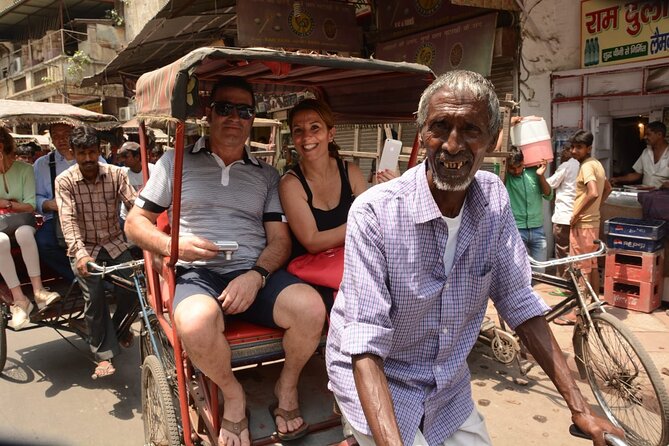
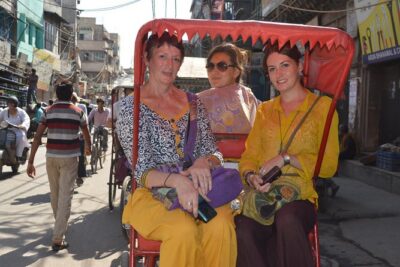
Then there’s the Old Delhi rhythm shift. After Jama Masjid, you move into Chandni Chowk via a rickshaw ride, which is part sightseeing and part “feel the neighborhood” moment. Some options also include a tuk tuk in Old Delhi, which can add a more local, playful touch. Either way, it’s a good way to switch gears without making you do too much logistics on your own.
Jama Masjid: red sandstone scale and a courtyard you can breathe in
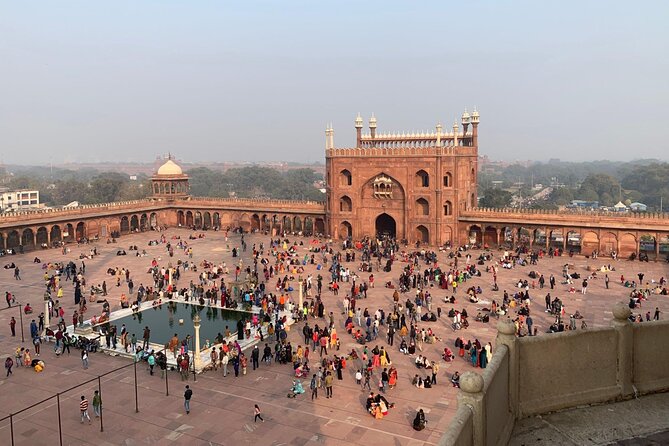
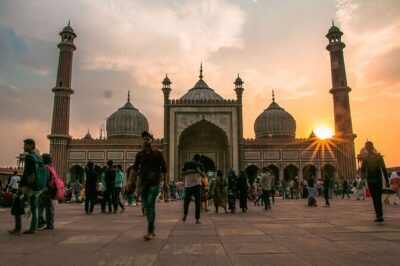
Jama Masjid is often the first stop for a reason. It’s described as the biggest mosque in India, built in 1656, and designed to be experienced at scale. You start with a guided visit, then you can take a walk in the courtyard made of red sandstone.
Here’s what makes it special in practice: it’s not just a photo stop. You can actually walk around and see how people move through the space. The guide’s job is to help you notice details you would likely miss on your own, like the way the courtyard and the architecture frame the experience.
You’ll also have an easier time than you might expect because the day is organized. You are not trying to squeeze this between random metro rides. You arrive with a plan, you get time to look, and then you move onward.
One consideration: religious sites can have entry and behavior rules. If you want a smooth visit, dress modestly and be ready for basic site instructions from staff.
Deeper into Old Delhi and the Chowk
- Old & New Delhi Private City Tour – Traveler’s Choice (Top Rated)★ 5.0 · 746 reviews
- Old Delhi Food, Heritage&Cultural Walk with Rickshaw ride to Masterji Kee Haveli★ 5.0 · 742 reviews
- Full-Day Private Old and New Delhi Combo Tour★ 5.0 · 625 reviews
- Old Delhi Bike Tour★ 5.0 · 616 reviews
- Old Delhi Street Food Tour★ 5.0 · 497 reviews
Chandni Chowk by rickshaw: shops, snacks, and wedding-corridor energy
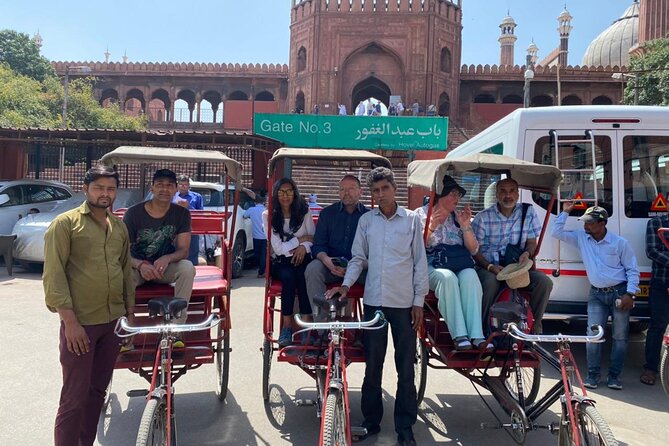
Next comes Chandni Chowk, one of those places that rewards a slow look but also overwhelms you if you’re alone with no structure. The tour solves that by taking you from Jama Masjid to Chandni Chowk by rickshaw.
Once you get into the market lanes, you’ll hear about (and can explore) specific shopping corridors like Cham Cham Gali, known for wedding shopping, and Parathe Vali Gali, centered on parathas. Even if you do not buy anything, these street names help you understand what each area “does” in daily life.
The best way to approach markets here is with calm expectations. This is a place where sales pressure can show up in normal market behavior. If you dislike aggressive sales tactics, go with a clear plan in mind, set a time limit for shopping, and keep your focus on what you came to see.
Red Fort: Mughal power you can walk around
Red Fort follows, and it’s a big one: Shah Jahan built it from 1639 to 1648. The fort is tied to the Mughal emperors, so it carries that sense of political importance in every direction you look.
Practically, the tour gives you time to experience the fort without turning it into a “blink and move” situation. If you have any interest in how empires expressed power through city design and architecture, this stop tends to land well.
Value tip: if you choose the option that includes entrance fees, you can spend more energy on looking and less time sorting tickets on the spot. That’s one of the quiet ways this tour protects your time.
Gurudwara Bangla Sahib and the Langar kitchen
Then you shift into Gurudwara Bangla Sahib, a Sikh place of worship with a major cultural component: Langar. You don’t just see the religious space. You also visit the Langar kitchen area, learning how the free community meal works as part of Sikh tradition.
I like this stop because it balances the day’s monuments. It adds human scale. Even if you do not eat during your visit, you get a real sense of how faith shows up as service.
For many people, this is the highlight because it’s interactive in a respectful way. One of the things I’ve seen people appreciate most is the chance to understand customs and religion through explanation, not through guesswork.
India Gate to Parliament House: the WWI memorial and the modern state
After Old Delhi, the tour moves into New Delhi’s grand government zone.
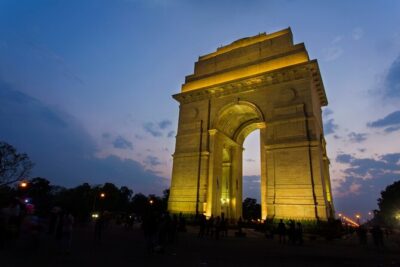
You’ll visit India Gate, described as a tall arch-like monument designed by Lutyens in 1921, created to honor about 90,000 Indian Army soldiers who passed away in World War I. If you like monuments that carry layered meaning, this one works. It’s both a memorial and a civic landmark.
Then the schedule includes Rashtrapati Bhavan, the President’s House, known for its long hallways, the Durbar Hall, a library, and the note that it has 340 rooms. It’s the kind of place where the architecture telegraphs authority before you even read the details.
Finally, Parliament House (Sansad Bhavan) is part of the route. The tour frames it with historical context, including that in 1947 this building is where Britain gave India freedom. You also get a reality check: access inside is limited, so you should expect a viewing-focused stop rather than a full interior visit.
This stretch is great if you want Delhi’s political timeline as part of your day, not as a separate research project.
Humayun’s Tomb: UNESCO-level gardens and a love-story of stone
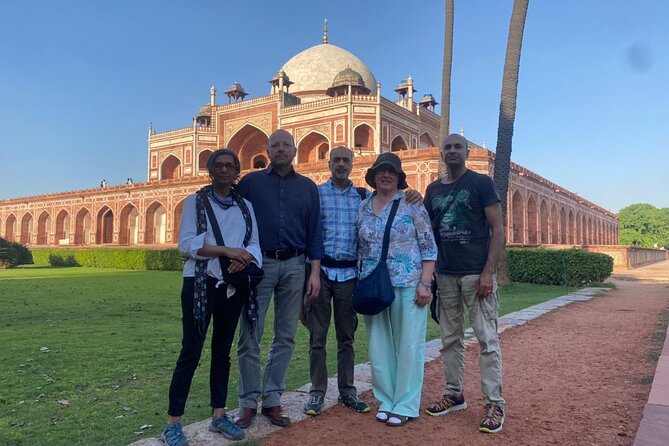
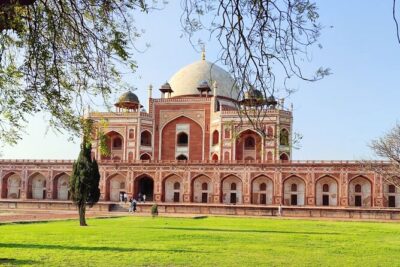
Humayun’s Tomb is next, and it’s flagged as a major site, even recognized by UNESCO. It’s described as the first garden tomb of India, and it is connected to a personal motivation, with the tomb built at the request of Humayun’s wife after his death.
The garden-tomb idea matters because it changes how you experience the monument. Instead of only looking up at towers, you also feel the geometry of the gardens and pathways around the tomb complex. That makes it easier to enjoy the visit without feeling rushed.
This stop can also serve as a natural reset during a long day. If you’re doing a full day tour, you’ll appreciate having one monument that encourages slower looking.
Lotus Temple: quiet worship in a flower-shaped building
Lotus Temple changes the mood again. It’s described as the Bahai House of Worship, shaped like a lotus flower, built in 1986 by architect Fariborz Sahba.
This is the kind of place that often feels refreshing after the density of Old Delhi streets. You get a calm environment designed for prayer and reflection. Even if you are not attending a service, the architecture and atmosphere help you breathe for a bit.
The tour includes a shorter time at this stop, so the goal is to see it, feel the space, and then continue. If you really love photography at places like this, you may want to plan your time so you do not feel chased at the edges.
Qutub Minar: the tall tower that anchors the whole skyline
Qutub Minar is the grand finale. It is described as a very tall tower, visible and impossible to miss. The tour connects it to Sultan Qutb-ud-din, including the idea that he built it to show authority.
The key detail I’d keep in mind is that the tower is described as having five parts, which gives you something concrete to look for as you get closer. If your legs are tired by this point, standing and looking at the whole structure still counts as sightseeing.
For many first-time visitors, Qutub Minar is the moment where Delhi feels like a historic capital, not just a busy modern city. It also pairs well with Humayun’s Tomb, because you see different approaches to monument building in different eras.
Guides and drivers: what really makes the day work
In Delhi, the difference between a good day and a painful day is usually not the monuments. It’s the person managing your time and your safety.
The guide quality is a major strength. People highlighted guides like Ali (on time, informed, and made people feel safe), Tabrej (great overview, shows you everything planned), Suhail (pleasant and professional), and Mayank (a strong storyteller who manages timing well). Jiten is also mentioned for keeping things entertaining and explaining historical significance clearly.
A few details matter in real life. Many people appreciated that the tour is not a nonstop march. One feedback point specifically praised built-in flexibility, and another emphasized self-paced touring with a guide managing balance and timing. That means if you get extra curious about Jama Masjid or you want more time near Qutub Minar, you are not automatically punished with a rushed exit.
Drivers also get credit for safety and handling traffic. Names like Mr Khan, Matin, and Rahul show up as drivers who stayed punctual and navigated chaos well. For a solo trip, or for anyone who gets nervous in traffic, that reassurance is not small.
Also, if language matters for you, I saw a note that Manesh spoke Spanish. That does not mean every guide will match every language, but it suggests the team tries to meet travelers where they are.
Price and value: why $24.55 can make sense here
At about $24.55 per person, this tour can be a strong value if you want a big-hit overview without building your own itinerary and transport plan.
Here’s what you are paying for, beyond the list of monuments:
- a private tour guide
- an AC car with a driver (when that option is selected)
- parking, tolls, fuel, and taxes
- water bottles and umbrellas
- optionally, a tuk tuk in Old Delhi
- optionally, entrance tickets to monuments
That last part is important. Delhi can punish your schedule if you lose time to ticket lines or price confusion. The entrance-fee upgrade option is basically time insurance.
What is not included is also clear: tips or gratuities, and drinks and food. So budget for small extras, and also budget for guide and driver appreciation, especially since this is a private setup.
One more value note: you get a mobile ticket, and the tour is private, meaning it is only your group. That makes the schedule easier to manage and helps you keep your day feeling like your day, not like a conveyor belt.
How long you have, and how to pick half day vs full day
Since the tour runs about 4 to 8 hours, your choice is really about your tolerance for moving quickly and your interest in contrast.
Choose half day if:
- you want a manageable day one orientation
- you prefer one neighborhood’s vibe over trying to cover everything
- you plan another activity later, like a relaxed dinner or market time
Choose full day if:
- you want Old Delhi and New Delhi in the same visit
- you like seeing how history changes as the city changes
- you want both monument clusters, including Qutub Minar and Jama Masjid
A practical tip: plan your walking time. This is not a “sit in the car all day” tour. You’ll be on your feet at mosques, fort areas, and tomb complexes, and you’ll likely stand around for viewpoints at the political landmarks.
Markets, shoe rules, and small surprises to expect
Delhi runs on rules and rhythms, and even well-run tours can hit a few small friction points.
One consideration that came up is that entrances sometimes have extra conditions, like needing to remove shoes and dealing with any extra charges that might come with that process. If this matters to you, wear socks you’re comfortable in and be ready for the possibility of minor, site-specific add-ons.
Another reality check: markets can mean you’ll be surrounded by sellers. That is part of the experience, but it can feel like pressure if you are shopping-sensitive. Go in knowing you can just look, take a few photos, and step out when you want.
Finally, the day depends on the city. On certain dates, like those around major national events, access or viewing can be limited. The tour team still offers the best possible route, but your experience can vary slightly.
Should you book this Old and New Delhi tour?
I’d book this tour if you want an efficient, guided way to see the biggest hits of both Old and New Delhi without dealing with the city’s logistics. It’s especially worth it for first-time visitors, people with limited time, and anyone who wants safety and clear explanations in traffic-heavy Delhi.
Book half day if you want a focused taste of either Old or New Delhi. Book full day if you want the full contrast, and you’re okay with a packed day of major monuments.
Before you go, do two things: choose the option that includes entrance fees if you hate uncertainty about tickets, and confirm your pickup time so you do not get stuck waiting in a city where timing matters.
If you want a day that feels organized, with guides who genuinely help you understand what you’re seeing, this is a solid choice.
Still in Old Delhi? Keep Going





New Delhi Landmarks Worth the Morning

Recently reviewed across New Delhi
- Golden Triangle – Delhi Agra and Jaipur
★ 5.0 · 10 reviews - Taj Mahal & Agra Tour by Indian Bullet Train All Inclusive
★ 4.5 · 10 reviews - Private Tour in Mehrauli Archaeological Park & Qutub Minar
★ 5.0 · 10 reviews - Old & New Delhi Tour
★ 5.0 · 10 reviews - From Delhi : Taj Mahal & Agra Fort Tour by Luxury Express Train
★ 5.0 · 10 reviews - Delhi Shopping Tour: Top Bazaars, Crafts & Souvenir Finds
★ 5.0 · 10 reviews
Old Delhi and Chandni Chowk Tours, compared.
 ★ 5.0Old & New Delhi City Tour – Half or Full Day Options AvailableFrom $384,811 reviews
 ★ 5.0Old & New Delhi City Tour – Choose Half or Full Day ExperienceFrom $384,513 reviews
 ★ 5.0Old & New Delhi Private Tour – Half or Full Day (Rated Excellent)From $202,226 reviews
 ★ 5.0Old and New Delhi Guided Full or Half-Day TourFrom $20976 reviews
 ★ 5.0Old & New Delhi Private City Tour – Traveler’s Choice (Top Rated)From $13746 reviews
 ★ 5.0Old Delhi Food, Heritage&Cultural Walk with Rickshaw ride to Masterji Kee HaveliFrom $52742 reviews
 ★ 5.0Full-Day Private Old and New Delhi Combo TourFrom $20625 reviews
 ★ 5.0Old Delhi Bike TourFrom $30616 reviews
Browse the lists this tour appears in