
REVIEW · HISTORICAL TOURS
Agra Old City Walking Tour, Private Heritage walking Guided Tour
Old Agra has a pulse. This private heritage walk threads Jama Masjid, an old Shiva temple, and classic market streets, then ends with the British-style Agra Fort railway station and a chance at Taj Mahal views across the Yamuna. You also get a professional guide plus pickup, so you spend less time figuring out logistics and more time noticing details.
I especially like the contrast built into the route: Mughal faith spaces, Hindu temple worship, and everyday commerce all within a short walk-and-tuk-tuk rhythm. And because your stops include major markets like Rawat Para and Johari Bazar, you get real hands-on context for how Agra eats, shops, and trades beyond the Taj Mahal photo spots.
One thing to consider is that sacred sites mean rules and crowds. You’ll want to plan for covered shoulders and knees, expect busy prayer and market conditions, and keep your pace flexible in case you need extra time.
In This Review
- Key highlights you should know before you go
- Old Agra, not just a Taj Mahal photo stop
- Price and value: $25 that includes more than sightseeing
- The rhythm: pickup, 3-hour timing, and an easier pace
- Stop 1: Jama Masjid, Mughal-era scale and a working prayer hall
- Stop 2: Shri Mankameshwar Mandir, Agra’s older Shiva temple
- Stop 3: Rawat Para Road, spices plus sweets with serious age
- Stop 4: Johari Bazar near the mosque, goldwork and older building lines
- Stop 5: Daresi wholesale market, then a Yamuna-side Taj Mahal sightline
- Stop 6: Agra Fort Railway Station, British-style architecture close-up
- The guide factor: why a name like Sunil matters
- Who this tour suits best (and who should pass)
- Practical tips so your visit goes smoothly
- Should you book the Agra Old City Walking Tour?
- FAQ
- How long is the Agra Old City Walking Tour?
- Is this tour private?
- Does the tour include hotel pickup and drop-off?
- What stops will we visit?
- Are entrance tickets included?
- Is tea included?
- Is there a dress code?
- Can children join the tour?
- What is the cancellation policy?
- How far in advance should I book?
Key highlights you should know before you go
- Private, guide-led route focused on old-city landmarks, not just a checklist
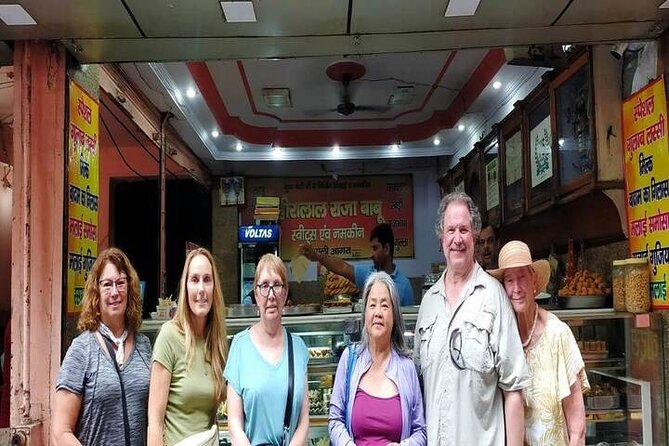
- Faith sites with context, including Jama Masjid and Shri Mankameshwar Mandir
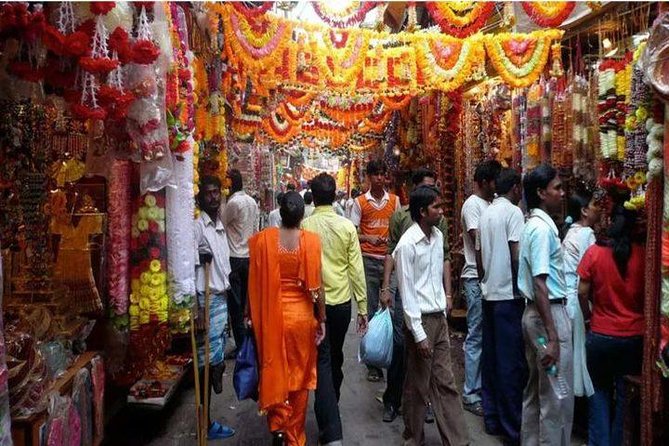
- Markets you can actually smell and see, from spices on Rawat Para Road to old sweet shops
- Jama Masjid and Johari Bazar stop overlap, where you can compare architecture and everyday life
- Yamuna River side + Taj Mahal sightline, a smart add-on after the markets
Shortlisting? Every Agra trip below went through the same review.


Old Agra, not just a Taj Mahal photo stop
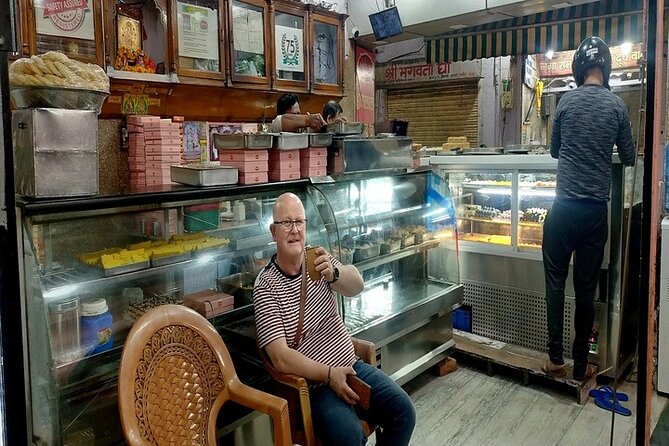
Agra is often sold as a one-sight city. This tour changes that quickly by steering you through older neighborhoods where you see how people pray and shop day to day.
The route is designed around a simple idea: you experience the city in layers. First come the big religious anchors, then the street markets, then a colonial-era landmark that feels like it belongs in a different timeline. You end up with a more complete picture of Agra, not just the famous marble monument.
Even better, the pace is practical. It’s called a walking tour, but you’re not stuck doing nonstop sidewalk miles. You use taxi or tuk tuk between parts of the route, so you can enjoy the streets without turning it into a march.
Price and value: $25 that includes more than sightseeing
At $25 per person for about 3 hours, the value looks strong once you break down what’s included.
You’re not just paying for a guide. You also get:
- Taxi or tuk tuk for transport
- Hotel pickup and drop-off
- Professional guide
- Tea during the tour
- Entrance tickets and transport included for the planned stops
That matters because in Agra, the biggest hidden cost is time and confusion, not ticket prices. When transportation and admissions are handled, you can focus on the experience instead of hunting down entry points, figuring out local routes, or negotiating each jump between neighborhoods.
The tour is also private, meaning it’s only your group. That’s a big quality boost in old-city areas where you want explanations in real time, not in a crowded group chant.
The rhythm: pickup, 3-hour timing, and an easier pace
This experience runs about 3 hours, and the tour duration is described as flexible. That flexibility is useful because old-city stops can run long for real reasons: prayer activity, people watching, and market browsing.
Pickup is part of the deal, so you’re not standing outside your hotel guessing how to reach the starting points. The plan includes taxi or tuk tuk, plus walking time where it makes sense, like moving through market lanes and along the river area.
One practical note: because you visit active worship spaces and markets, the tour can feel lively even when you’re trying to take photos. If you’re sensitive to crowd levels or prefer slow, quiet sightseeing, it helps to treat this as a day where you observe people closely rather than a museum-style calm walk.
- Agra: Taj Mahal & Mausoleum Skip-the-Line Tour with Options★ 4.9 · 456 reviews
- Private Guided Tour of Agra★ 5.0 · 420 reviews
- Taj Mahal, Agra Fort, Baby Taj & Mehtab Bagh Private City Tour★ 5.0 · 391 reviews
- Taj Mahal Skip-the-Line Guided Tour with Optional Add-ons★ 5.0 · 385 reviews
- Agra : Private Sunrise Taj Mahal & Agra City Tour★ 5.0 · 367 reviews
Stop 1: Jama Masjid, Mughal-era scale and a working prayer hall
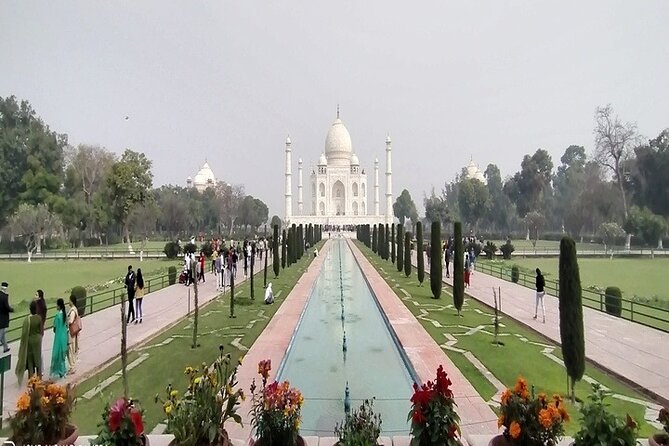
Your tour begins at Jama Masjid, including the Friday prayer hall. This is one of the biggest mosques in India, and the guide angle here is not just architecture. It’s how the building functions in real life.
You’ll learn about the Mughal connection tied to Jahanara Begum, daughter of Shah Jahan, who is associated with the mosque’s construction. That name gives you a thread to follow as you look at scale, layout, and the way worship spaces are organized.
What I like about this stop for your visit: it sets a tone. You’re not looking at a monument behind barriers. You’re seeing a major religious center that people use, pray in, and move through.
What to watch for: because it’s a functioning mosque, you’ll want to respect space and rules. The tour also asks for shoulders and knees covered, so plan clothing accordingly. You may also find it busy around prayer times, especially on Fridays.
Stop 2: Shri Mankameshwar Mandir, Agra’s older Shiva temple
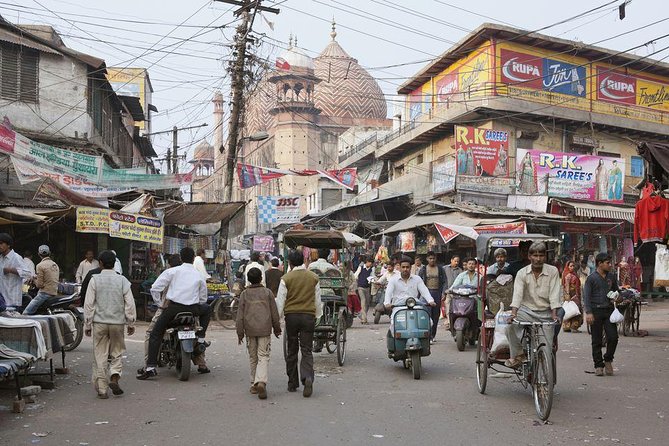
Next comes Shri Mankameshwar Mandir, described as the oldest temple in Agra city and dedicated to Lord Shiva. This is a worship stop, not a quick photo pause, and that makes it feel grounded.
The best part is that the guide can connect what you see to everyday routines. Many Hindu devotees come to pray there daily, so you can understand the temple as part of the city’s rhythm rather than a standalone attraction.
The temple time slot is around 20 minutes, so you’ll get time to look around without feeling rushed. Just remember that this is an active religious space. If you treat it like a place of meaning, you’ll get more out of it than if you approach it like a timed stop on a circuit.
Stop 3: Rawat Para Road, spices plus sweets with serious age
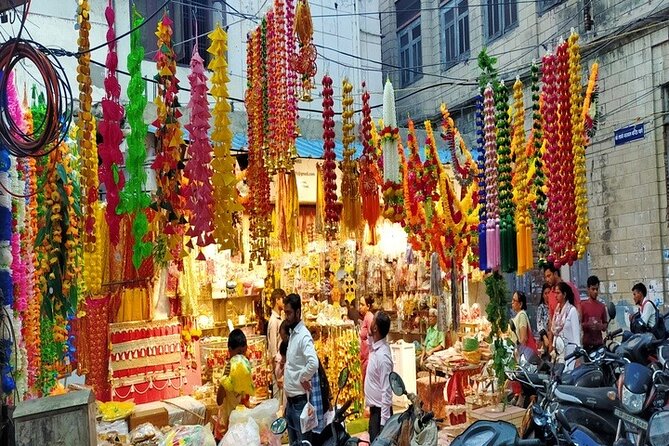
Then you shift from sacred space to street life at Rawat Para Road, described as one of Agra’s oldest market areas. This stop focuses on spices first, which is the easiest way to understand how markets work here. You’re not only hearing about commerce, you’re seeing the ingredients and the trade style.
Afterward, you move toward sweets and street food, including 100-year-old sweet shops of Agra. That’s a big deal because it turns the market into more than a snack stop. It becomes a living timeline: the same types of flavors and business styles that kept people fed decades ago are still part of what the city sells.
Why this stop is valuable: it trains your eyes. Once you understand how spices are presented and how sweet shops operate, you’ll start recognizing the logic of other stalls later in your trip.
Potential drawback: if you’re not into food or shopping, markets can feel like a lot of looking. Still, the guide’s role here matters. A good guide can point out what’s worth noticing even if you’re not buying.
Stop 4: Johari Bazar near the mosque, goldwork and older building lines
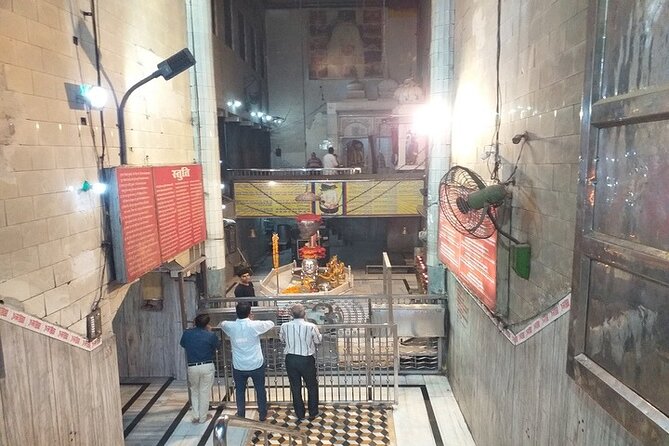
Next up is Johari Bazar, a famous area tied to goldsmith shops, where the focus can also include a clothes market today. This stop gives you a different kind of market experience, one shaped by craft and shopfront traditions.
You’ll also notice the old buildings architecture, and this is where the route’s design really pays off. You compare sacred Mughal space near the start with older street structures in the market zone.
This is also a good stop if you like texture and design. Shops in heritage bazaars often follow distinct building styles, window patterns, and street alignments. Even without buying anything, you can learn how the neighborhood is physically organized.
Time is around 20 minutes, so you’ll want to prioritize what you want from it. If gold and craft details matter to you, look longer. If you just want the feel, keep moving and save deeper browsing for a later solo wander.
Stop 5: Daresi wholesale market, then a Yamuna-side Taj Mahal sightline
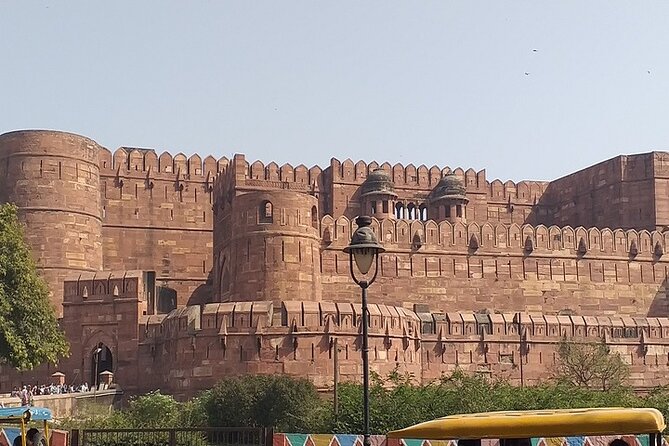
At Daresi (Daresi Market), you get a wholesale angle. It’s described as more than 100 years old, and the point here is to experience a real commercial backbone, not only tourist-flavored shopping.
After the market segment, the tour shifts to a walk near the Yamuna River side. From there, you get an outside view of the Taj Mahal and Agra Fort area.
This part is one of the best built-in reasons to choose a guided old-city walk. Getting your first Taj view from across the Yamuna helps break the Taj Mahal out of the “only from the main gate” mindset. It also changes the mood, because the river edge gives you a wider sense of how the Taj sits in the larger city map.
Practical consideration: depending on light and crowd levels, that sightline might be easier or harder to enjoy. If you have flexibility, timing matters for views. A later start that aligns with better light can be a plus, but the tour itself is set for a steady flow rather than a strict sunrise shoot.
Stop 6: Agra Fort Railway Station, British-style architecture close-up
Your final anchor is the Agra Fort Railway Station, built by the British and described as big and old with a British-style architecture. This is a smart ending point because it adds a contrasting chapter to the story you’ve been reading all morning.
You spend about 20 minutes here, then you walk to reach your vehicle and are dropped back at your hotel.
This stop works well if you enjoy seeing how different eras leave physical marks. Religious buildings show spiritual power. Markets show trade power. The railway station shows infrastructure power. Put together, you understand Agra as a city shaped by more than one empire or one industry.
The guide factor: why a name like Sunil matters
The tour experience stands or falls on the guide, and the guide feedback for this route is consistently positive. Sunil is specifically mentioned as an example of a guide who is attentive, knowledgeable, and focused on your comfort.
What I take from that pattern is that the tour avoids heavy selling. In practice, you should expect explanations and route flow, not pressure to buy. People appreciate that the guide tends to respect your pace, even when the streets naturally invite you to snack, browse, or try things.
That kind of guidance matters especially in old cities. If you don’t know what you’re looking at, markets can feel like a blur. A good guide turns that blur into categories: what spices mean, why sweet shops persist, how gold craft neighborhoods operate, and how sacred spaces are laid out.
Who this tour suits best (and who should pass)
This tour is a strong match if you:
- Want more than the Taj Mahal and you like city texture
- Enjoy markets that teach you how people live and buy
- Prefer a private route with hotel pickup and a guide who can explain on the go
- Appreciate a mix of temples, mosque architecture, and old commercial streets
You might want to choose something else if you:
- Want a totally quiet sightseeing day with minimal crowds
- Only care about monuments and could skip markets entirely
- Have strict mobility limits, since you do walk through market lanes and around parts of the route (even though transport is provided between stops)
Practical tips so your visit goes smoothly
Before you go, plan for the realities of sacred and market areas:
- Bring or wear clothing that covers shoulders and knees
- Expect crowd energy in mosques and bazaars
- Wear comfortable shoes for uneven pavement and market-street walking
- Keep your camera ready, but also look up. The architecture and street geometry are part of the story.
Also note that tea is included, which is a nice touch for pacing. After spices and sweets, you’ll likely appreciate a warm reset.
Should you book the Agra Old City Walking Tour?
If you’re the kind of traveler who wants Agra to feel like a place you could live in for a day, book this tour. The mix of Jama Masjid, Shri Mankameshwar Mandir, spice and sweet markets like Rawat Para, craft shopping at Johari Bazar, the wholesale energy of Daresi, and the British-style Agra Fort Railway Station gives you a full-spectrum city orientation.
It’s also good value because the price includes transport, entrance tickets, and hotel pickup, plus tea and a professional guide. For $25, you’re buying time saved and context gained.
If you only want a single monument day, then this is not a simple substitute for the Taj. But if you want the old city alongside your Taj plan, this route is one of the most sensible ways to get your bearings fast.
FAQ
How long is the Agra Old City Walking Tour?
It runs for about 3 hours.
Is this tour private?
Yes, it is private, meaning only your group participates.
Does the tour include hotel pickup and drop-off?
Yes. You get hotel pickup and drop-off by taxi or tuk tuk.
What stops will we visit?
You’ll visit Jama Masjid, Shri Mankameshwar Mandir, Rawat Para Road, Johari Bazar, Daresi, and Agra Fort Railway Station.
Are entrance tickets included?
Yes. Transport and entrance tickets are included, and the listed stops show admission tickets as free for this schedule.
Is tea included?
Yes. Tea is included during the tour.
Is there a dress code?
Yes. You should cover your shoulders and knees.
Can children join the tour?
Children must be accompanied by an adult.
What is the cancellation policy?
You can cancel for a full refund up to 24 hours in advance of the experience start time.
How far in advance should I book?
On average, this tour is booked about 15 days in advance.
Recently reviewed across Agra
- Agra : Best Evening Street Food & Local Bazar Tour in Agra.
★ 4.5 · 10 reviews - Agra City Cultural Walk
★ 5.0 · 10 reviews - Agra: Taj Mahal and Mausoleum Tour with Skip-the-Line Entry
★ 5.0 · 10 reviews - Skip-the-Line Taj Mahal VIP Entrance Tour
★ 5.0 · 11 reviews - Same Day Agra Tour By Gatimaan Express Train from delhi
★ 5.0 · 11 reviews - Taj Mahal visits with Licensed Guide with Entry Assistance
★ 5.0 · 11 reviews
Historical Tours, compared.
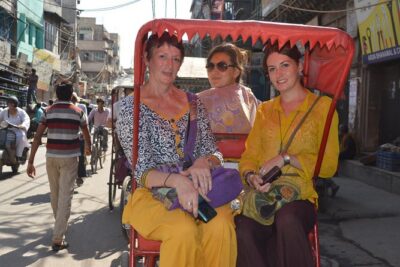 ★ 5.0Old Delhi Food, Heritage&Cultural Walk with Rickshaw ride to Masterji Kee HaveliFrom $52742 reviews
 ★ 5.0Blue City Heritage Private Walking Tour With Pickup and Drop-OffFrom $11441 reviews
 ★ 4.0Kolkata Heritage Tram TourFrom $60395 reviews
 ★ 5.0Private Heritage Walking Tour in Jaisalmer Fort and Old BazaarFrom $10306 reviews
 ★ 4.8Panaji: Heritage Walk through Goa’s Latin QuarterFrom $12291 reviews
 ★ 5.0Old Delhi Heritage Walking TourFrom $13247 reviews
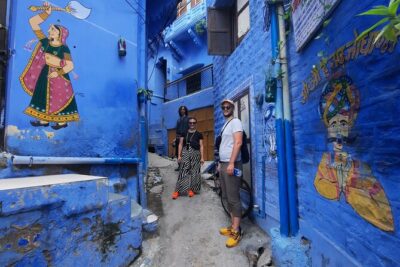 ★ 5.0Jodhpur Blue City Heritage Walking Guided TourFrom $13240 reviews
 ★ 5.03-hour Old Delhi Heritage Walking tour with Rickshaw RideFrom $7240 reviews
Browse the lists this tour appears in