
REVIEW · KOLKATA HERITAGE TOURS
Authentic Bengali Cooking Class in a Local Kolkata Home
A small kitchen, big flavors, and a real Kolkata routine. This private Bengali cooking class with Zinnia turns spices, dough, and mustard sauce into a hands-on meal you eat right there in her home. I especially like the mix of practical cooking skills and the family table vibe, not just a demo.
Two things I’d repeat: the panch phoran lesson (cumin, brown mustard, fenugreek, nigella, fennel) and the way you roll and fry luchi yourself. One consideration is that there is no hotel pickup, so you’ll need to handle getting to the meeting point on your own.
In a nutshell, you learn Bengali cookery in a true local setting, then sit down to the dishes you made, with tea, coffee, water, and a little local beer.
In This Review
- Key things to know before you go
- Why a Bengali Home Kitchen in Kolkata Is Different
- Meet Zinnia and Settle In Where Kolkata Families Actually Cook
- The Spice Lesson That Makes Bengali Flavors Make Sense
- Hands-On Cooking: Luchi, Mustard Prawn Gravy, and Chutney
- Luchi: rolling and frying your own puffy bread
- Shorshe chingri: prawns in mustard gravy
- Tomato and dates chutney from scratch
- The Family-Style Meal: What You’ll Eat After Cooking
- Drinks and Comfort: Tea, Coffee, Water, and a Little Beer
- Price and Value at $66: What You’re Really Paying For
- Who This Kolkata Cooking Class Fits Best
- Should You Book This Bengali Home Cooking Class?
- FAQ
- How long is the cooking class?
- What dishes will I learn to make?
- Is there a vegetarian option?
- Are drinks included?
- Is hotel pickup and drop-off included?
- What if I need to cancel?
- What do I receive for entry?
- Should You Book This Bengali Home Cooking Class?
Key things to know before you go
- Private, hands-on format in a local Kolkata home kitchen, not a crowded studio
- Spice primer first, including panch phoran and how mustard oil fits Bengali cooking
- You cook the components, like rolling dough and frying luchi, plus mustard-based prawn curry
- Fresh chutney from scratch, including tomato and dates chutney
- Home-style meal at the family table, with dessert like paayesh when it’s served
- Diet can be adapted, with a vegetarian option available on request
More Kolkata streets we have walked
Why a Bengali Home Kitchen in Kolkata Is Different
Kolkata food is built on technique and routine, not just recipes. This class gives you both. You get a clear window into a typical Kolkata family kitchen, where cooking starts with spice blends and ends with everyone eating together.
I like that the focus is on doing. You’re not just watching someone else cook, you’re learning how Bengali flavors get built, step by step. That matters because Bengali dishes can taste deceptively simple until you understand the fat, spice, and timing choices behind them.
The private setup is also key for value. At $66 per person, you’re paying for personalized attention, a real meal, and the chef labor in someone’s home kitchen, not a generic restaurant dinner. The cost tends to make more sense when you compare it to what a private class plus a full home-cooked meal typically runs in other places.
Meet Zinnia and Settle In Where Kolkata Families Actually Cook
The experience starts in Kolkata at the provided meeting point, and you’ll head to Zinnia’s home kitchen. The kitchen is described as small, which is good to know ahead of time. Small kitchens are practical, but they also mean you should come ready to move close together and keep your workflow efficient.
You’ll cook with Zinnia in a private setting, which helps if you have questions along the way. The class is designed to be approachable, with an introduction to spices before you start hands-on work.
Timing is flexible. You can choose a morning or afternoon class to fit your day, and the total experience runs about 2 to 3 hours. That duration is long enough to actually make several dishes, but short enough that you’re not stuck for half your day.
No pickup or drop-off is included, so plan your route accordingly. This is one of those activities where your arrival time and comfort matter, because you’re entering a working home, not a hotel lobby.
The Spice Lesson That Makes Bengali Flavors Make Sense
Before any dough touches your hands, Zinnia walks you through Bengali spice logic. You’ll be introduced to Indian spices and to panch phoran, a blend commonly used in Eastern India.
Panch phoran in this class means cumin, brown mustard, fenugreek, nigella, and fennel. The point isn’t just to memorize names. Zinnia explains what each spice brings and how the blend supports Bengali flavor building.
Then mustard oil comes into the spotlight. You’ll learn why mustard oil is used in Bengali cuisine and how mustard seeds are ground into a paste. This is practical knowledge you can actually use later, because mustard oil changes the aroma and bite of many Bengali dishes compared with milder oils.
For me, this spice segment is the heart of why the class feels authentic. Most cooking classes jump straight to cooking. Here, you get the why, which makes the later dishes feel less like isolated recipes and more like a connected cuisine.
- Magic Hour Tour★ 5.0 · 241 reviews
- Alleyway Food Tour★ 5.0 · 137 reviews
- Private Half-Day Kolkata Tour★ 5.0 · 125 reviews
- Kolkata: A Sea of Faces and A Thousand Places★ 4.9 · 116 reviews
- Kolkata – Sounds and Sights – Private Full Day City Tour★ 5.0 · 106 reviews
Hands-On Cooking: Luchi, Mustard Prawn Gravy, and Chutney
After the spice intro, you move into real prep. The class includes rolling dough and frying luchis, plus cooking shorshe chingri and making chutney.
Luchi: rolling and frying your own puffy bread
You’ll learn to roll out the dough and fry luchi, the deep-fried flatbread that’s a Bengali staple. Fried dough sounds intimidating until you do it once. The process teaches you how dough texture and heat work together, and it’s a skill that clicks quickly because you can see the results right away.
This part also explains why Bengali bread often shows up with rich curries. Luchi is a vehicle for mustard gravies, lentils, and meat or fish dishes, and it’s satisfying in a way that’s hard to replicate with substitutions.
Shorshe chingri: prawns in mustard gravy
Next comes shorshe chingri, prawns in mustard gravy. This is the kind of dish that teaches you how mustard flavor behaves when cooked, not just when ground or raw.
Because mustard in Bengali cuisine is a signature, learning this dish helps you understand the cuisine’s broader logic. You’ll experience that mustard brings heat and depth without always tasting like something spicy in the Western sense.
Tomato and dates chutney from scratch
You’ll also make tomato and dates chutney from scratch. Chutneys can feel like optional extras until you taste them with the rest of the meal. In Bengali home cooking, chutney often balances richness, adds sweetness, and sharpens the overall bite.
The fact that you’re making it yourself is a big deal. You learn that chutney is not just about sweetness, it’s about how acidity and fruit-based sweetness get tuned against spice and fat.
The Family-Style Meal: What You’ll Eat After Cooking
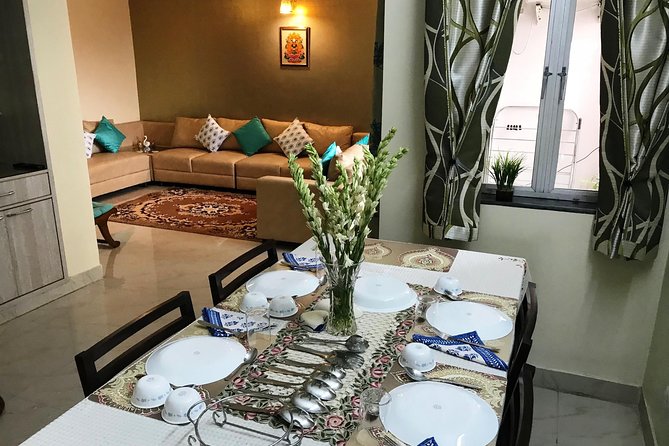
Once your hands-on work is done, you sit down with Zinnia and her family for a home cooked Bengali meal. When her family is home, you’ll join them at their dining table, which is where the experience becomes more than cooking.
The meal may include dishes such as:
- shorshe maach (fish cooked in mustard sauce)
- kosha maangsho (mutton curry)
- aaloo posto (potatoes with poppy seeds)
- begun bhaaja (eggplant fry)
- cholar dal (lentils)
- rice or flat bread, plus tomato and dates chutney
- paayesh (rice pudding) for dessert
A key note for planning: the exact menu can vary depending on the season. That’s normal for home cooking, and it’s also part of the value. Instead of a rigid, always-the-same script, you get what’s practical and likely in that kitchen at that time of year.
If you’re vegetarian, good news. A vegetarian option is available if you advise at booking. The goal is to keep the spirit of Bengali cooking while adjusting dishes to match your diet.
Drinks and Comfort: Tea, Coffee, Water, and a Little Beer
You’ll eat your meal with tea, coffee, water, and local beer. The beer portion is described as 1 to 2 glasses of local beer, which keeps it friendly and optional rather than turning the meal into a heavy drinking event.
This drink lineup matters because it supports the pace of a home meal. Tea and coffee help you slow down and digest after frying and curry, while water keeps you comfortable during the spice-forward part of the experience.
Because it’s a local home, comfort is simple and practical. Wear clothing you don’t mind getting a little warm while cooking. Also keep in mind that kitchens can smell like spices and fried dough after class. That’s part of the charm, but it’s smart to bring a plan for getting back out afterward.
Price and Value at $66: What You’re Really Paying For
At $66 per person, the value comes from the combination of:
- a private cooking class with your host Zinnia
- hands-on instruction, including bread frying and chutney making
- a home cooked meal that you help prepare
- drinks during the meal, including tea, coffee, water, and 1 to 2 glasses of local beer
- all taxes, fees, and handling charges included
It’s not just “a class.” It’s also a meal you don’t have to research, order, or plan. In many cities, a decent cooking class without a full meal can cost a similar amount. Here, you’re also eating in a real home setting with the dishes tied directly to what you cooked.
The main cost-side warning is straightforward. Hotel pickup and drop-off are not included. So if you’re staying far from the meeting area, factor in your transit time and cost.
If you book about 14 days in advance on average, it’s a sign this fills up. If your schedule is tight, don’t wait until the last minute, especially if you need a vegetarian menu.
Who This Kolkata Cooking Class Fits Best
This class is especially good if you want:
- a true home-style taste of Bengali cuisine, not just a single restaurant meal
- hands-on instruction you can practice at home later
- a private experience where you can ask questions about spices and technique
- a compact activity (2 to 3 hours) that still feels substantial
It’s also a great fit for food lovers traveling with limited time in Kolkata. You’ll leave with more than recipes. You’ll take away the spice logic behind panch phoran and mustard oil use, plus the confidence of frying luchi and building a mustard gravy dish.
Where it may not be ideal is if you want a very hands-off evening, or if you can’t manage the realities of a small home kitchen. You’ll be cooking, standing, and moving near others in close quarters.
Also, if you have allergies or strong dietary restrictions, you should inform the provider at booking. The class notes that you should advise allergies, dietary restrictions, or cooking preferences when you book, and vegetarian meals can be offered on request.
Should You Book This Bengali Home Cooking Class?
Book it if you want an authentic Kolkata food experience that mixes technique, spices, and a real family meal in a small kitchen setting. The price makes sense because you’re not just learning, you’re eating what you made, with included drinks and taxes.
Skip or reconsider if getting yourself to the meeting point is a hassle for your day plan, or if you prefer restaurants over hands-on cooking in a home environment. If those are your only limits, you can still make it work by planning transit carefully and coming prepared for a bit of heat and spice.
If you like Bengali flavors, mustard-forward cooking, or simply want one memorable, practical evening where food is the main event, this class is a very solid choice.
FAQ
How long is the cooking class?
It runs about 2 to 3 hours, with a one-hour hands-on cooking portion.
What dishes will I learn to make?
You’ll learn to roll and fry luchi, prepare shorshe chingri (prawns in mustard gravy), and make tomato and dates chutney from scratch. The full meal after cooking may include other Bengali dishes such as fish in mustard sauce, mutton curry, potato with poppy seeds, eggplant fry, and cholar dal, plus dessert like paayesh.
Is there a vegetarian option?
Yes. Vegetarian meals are available on request, and you should advise this at booking.
Are drinks included?
Yes. The meal includes tea, coffee, water, and local alcohol described as 1-2 glasses of local beer.
Is hotel pickup and drop-off included?
No. Hotel pickup and drop-off are not included.
What if I need to cancel?
You can cancel for a full refund if you cancel at least 24 hours before the experience’s start time.
What do I receive for entry?
You’ll receive a mobile ticket.
Should You Book This Bengali Home Cooking Class?
If you want a Kolkata experience that’s practical, hands-on, and tied to real Bengali flavors, I’d book it. You get spice education (including panch phoran and mustard oil), you cook key dishes like luchi and mustard gravy, and you finish with a home-cooked meal you prepared, all in a private setting. Just make sure you can reach the meeting point on your own and let the host know about dietary needs early.
Kolkata, More Streets Reviewed



Recently reviewed across Kolkata
- Walk the Kolkata Wetlands: Green Eye Candy
★ 5.0 · 10 reviews - Kolkata: Full-Day Spirituality & Temples Tour
★ 4.5 · 10 reviews - Kolkata City Private Sightseeing Tour – Custom Hours, Itinerary
★ 5.0 · 11 reviews - Learn to Cook Authentic Bengali Food in a Local Home
★ 5.0 · 11 reviews - In the Footsteps of the Raj – Dalhousie Square Walk
★ 5.0 · 11 reviews - Kolkata Daily – Private Tour with Snacks, Coffee & Bengali Sweets
★ 5.0 · 11 reviews
Kolkata Heritage Tours, compared.
 ★ 5.0Cultural Confluence of Kolkata – Culture Kaleidoscope TourFrom $39701 reviews
 ★ 4.0Kolkata Heritage Tram TourFrom $60395 reviews
 ★ 5.0Bengali Nights Kolkata Food Tour with 13+ TastingsFrom $39325 reviews
 ★ 5.0Private Custom Full Day Sightseeing Tour of KolkataFrom $72128 reviews
 ★ 5.0Private Half-Day Kolkata TourFrom $99125 reviews
 ★ 4.9A Sea of Faces and A Thousand PlacesFrom $32116 reviews
 ★ 5.0Kolkata – Sounds and Sights – Private Full Day City TourFrom $89106 reviews
 ★ 5.0Explore Kolkata- Private Tour with LunchFrom $9987 reviews
Browse the lists this tour appears in